
Vegetable Garden Guide: Planning, Growing, and Harvesting
Growing food at home is one of the most satisfying forms of gardening, and it is more achievable than most beginners expect. A well-planned vegetable garden delivers fresh produce through a long season and teaches you more about soil, plant biology, and the rhythm of growing than almost any other gardening pursuit. The guides in this hub cover everything from first-time garden setup through to growing specific crops and solving common problems.
Starting and Setting Up
The two most common entry points for new vegetable gardeners are a traditional in-ground bed and a raised bed. Both work well, but raised beds offer significant practical advantages: faster drainage, earlier soil warming in spring, fewer weed seeds in the growing medium, and easier access without bending. The how to start a vegetable garden guide covers the decisions and steps for a first-time garden including site selection, bed orientation, size, and the sequence of tasks from cleared ground to first planting.
For those choosing raised beds, the raised bed setup guide covers construction materials, appropriate depth for different crops, drainage base layers, and the soil mix ratios that produce productive growing conditions from the first season. The compost incorporation step is closely linked to the compost application guide, which covers how much compost to add and when.
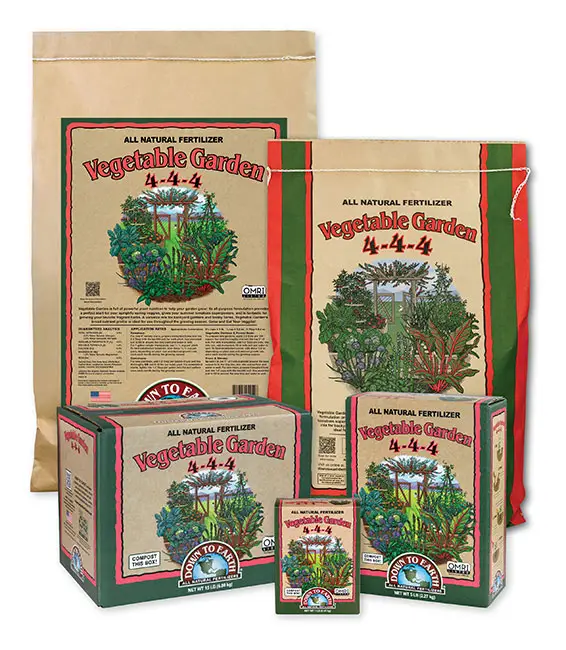
Down to Earth Vegetable Garden is an OMRI-listed, all-natural 4-4-4 fertilizer made to support vigorous foliage growth in greens, herbs, and vegetables while helping improve fruit size and yield for crops like tomatoes. Use it across a wide range of garden needs, including container vegetable gardens, as well as trees and shrubs.
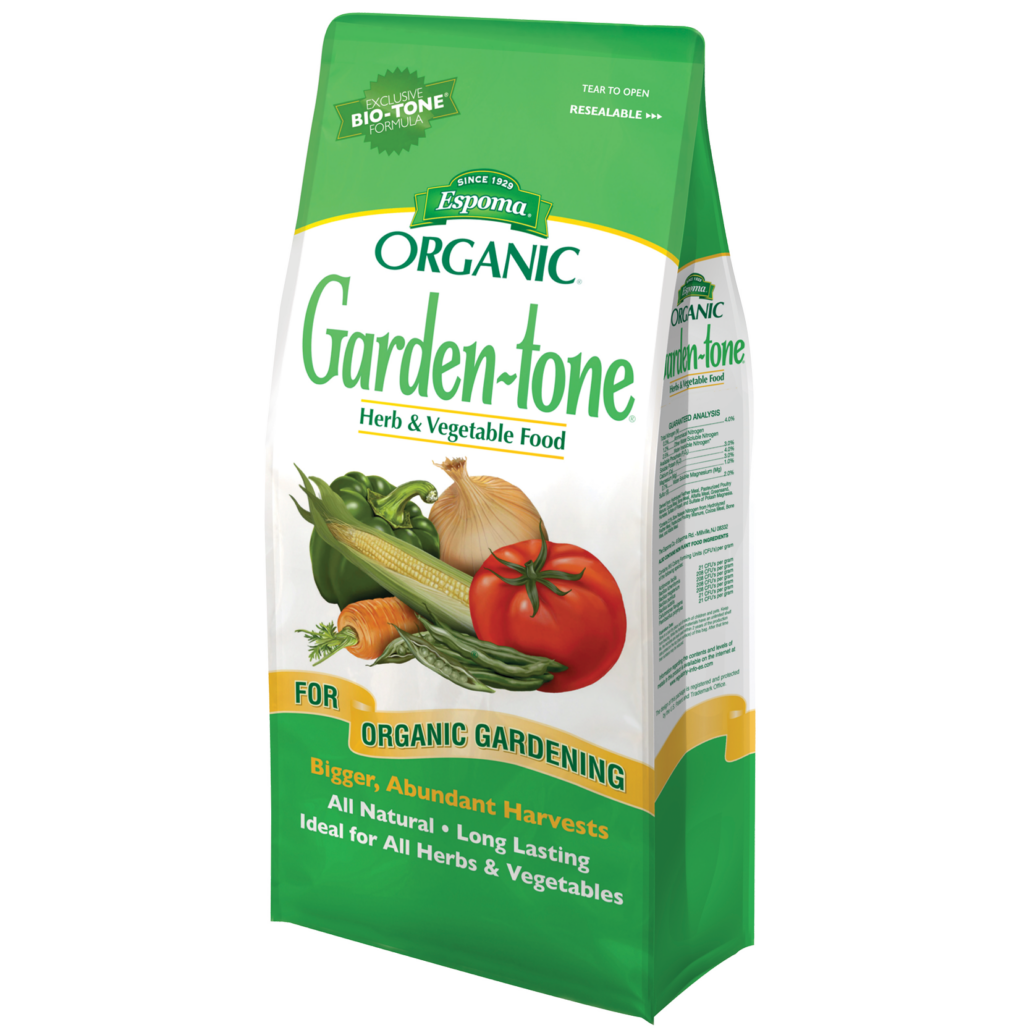
Espoma Organic Garden-Tone 3-4-4 is an organic fertilizer blend for feeding cool- and warm-season vegetables and herbs. It uses natural ingredients enhanced with humates and beneficial microbes for long-lasting slow-release feeding, helping you grow abundant, flavorful harvests. Made in a solar-powered facility, it’s formulated without sludges or fillers and is safe for people, pets, and the planet.
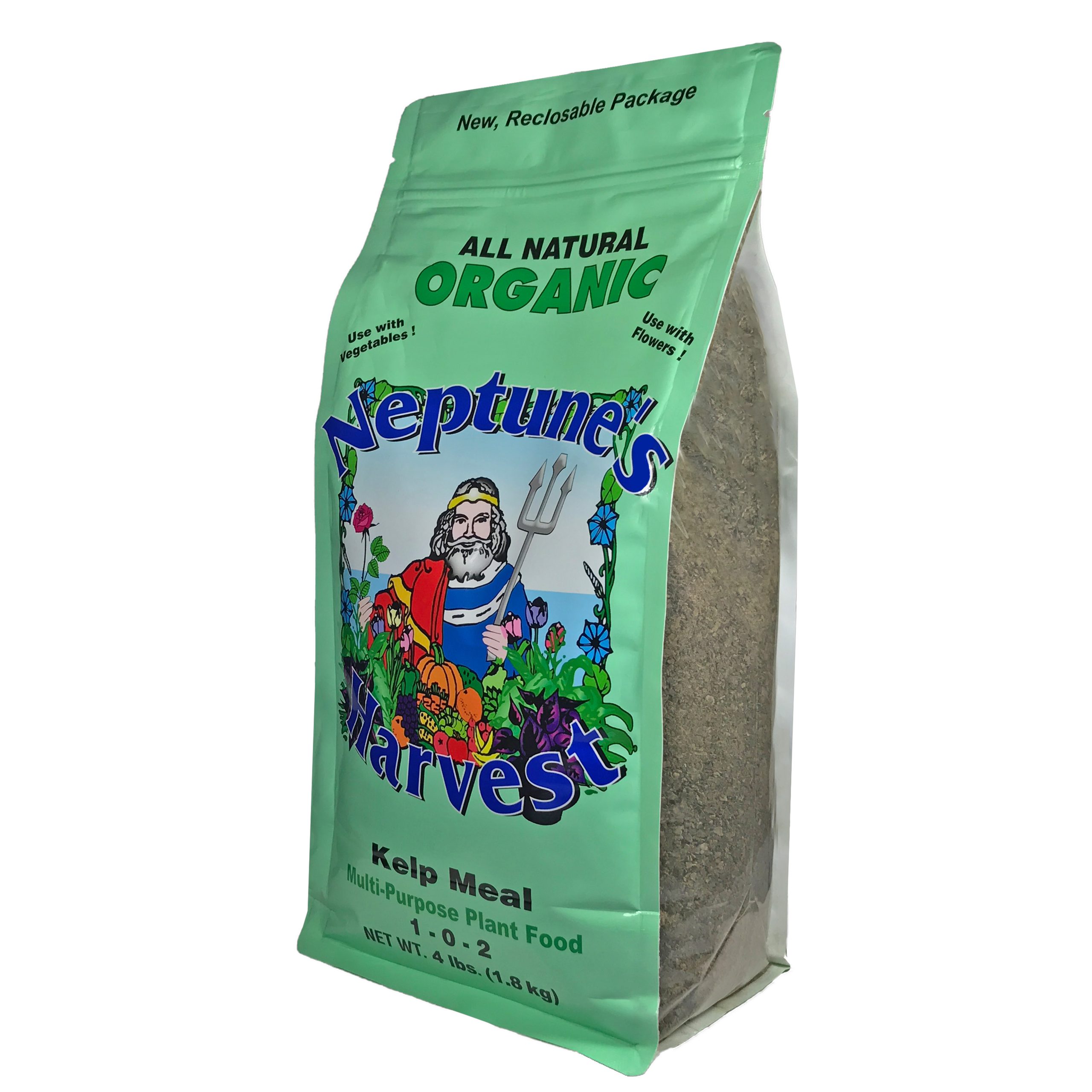
Neptune’s Harvest Organic Kelp Meal (1-0-2) is a dry, all-purpose plant fertilizer made from Norwegian kelp that adds organic matter and essential nutrients to support stronger growth. It promotes healthy roots, helps soil drain while retaining moisture, and boosts plant vitality for vegetables, flowers, lawns, and other plants. Certified OMRI Listed for organic use, it can be tilled into soil or top-dressed for indoor and outdoor gardening.
Planning the Growing Season
Vegetable garden planning before the season begins pays off throughout the year in reduced weed pressure, better pest management, and more consistent harvests. The vegetable garden planning guide covers how to match crop selection to your climate, space, and family’s eating habits, and how to lay out a bed to maximize yield while managing shade and access.
Two structural planning techniques that consistently improve garden productivity are companion planting and crop rotation. The companion planting guide explains which vegetables grow well together for pest deterrence, space efficiency, and soil health. The crop rotation guide provides a simple annual rotation plan for home-scale gardens that reduces soil-borne disease and nutrient depletion.
Crop-by-Crop Growing Guides
This hub contains growing guides for specific vegetables and food crops. Each guide covers planting time and method, spacing, soil preparation, watering and feeding through the growing season, harvest timing, and common problems.
Legumes including asparagus, fava beans, green beans, and lima beans fix atmospheric nitrogen and leave the soil in better condition for the crops that follow them in a rotation.
Root vegetables and leafy greens including beets, swiss chard, and green onions are productive in smaller spaces and extend the growing season into cool weather in both spring and autumn.
Fruit crops including avocado trees and banana plants cover the warm-climate and container-growing end of the home food garden spectrum.
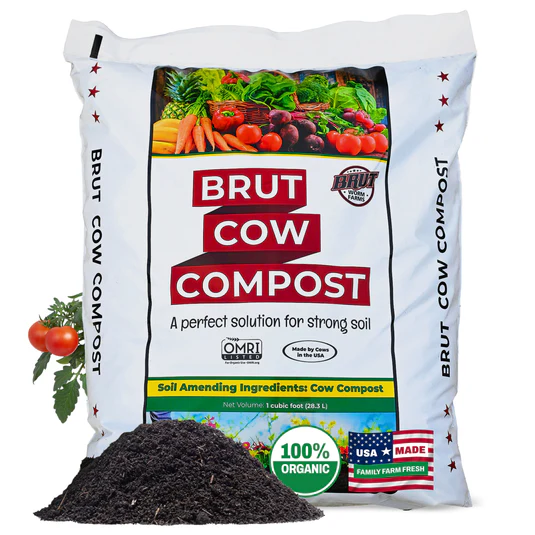
Brut Cow Compost is a nutrient-rich organic soil amendment made from 100% pure, thoroughly composted cow manure. It enriches soil with nitrogen, calcium, and iron, supports beneficial microbial life, and helps plants produce stronger growth. Odor-free and gentle on roots, it can be used for vegetables, flowers, lawns, shrubs, and indoor plants as a top dressing or mixed into garden and potting soil.
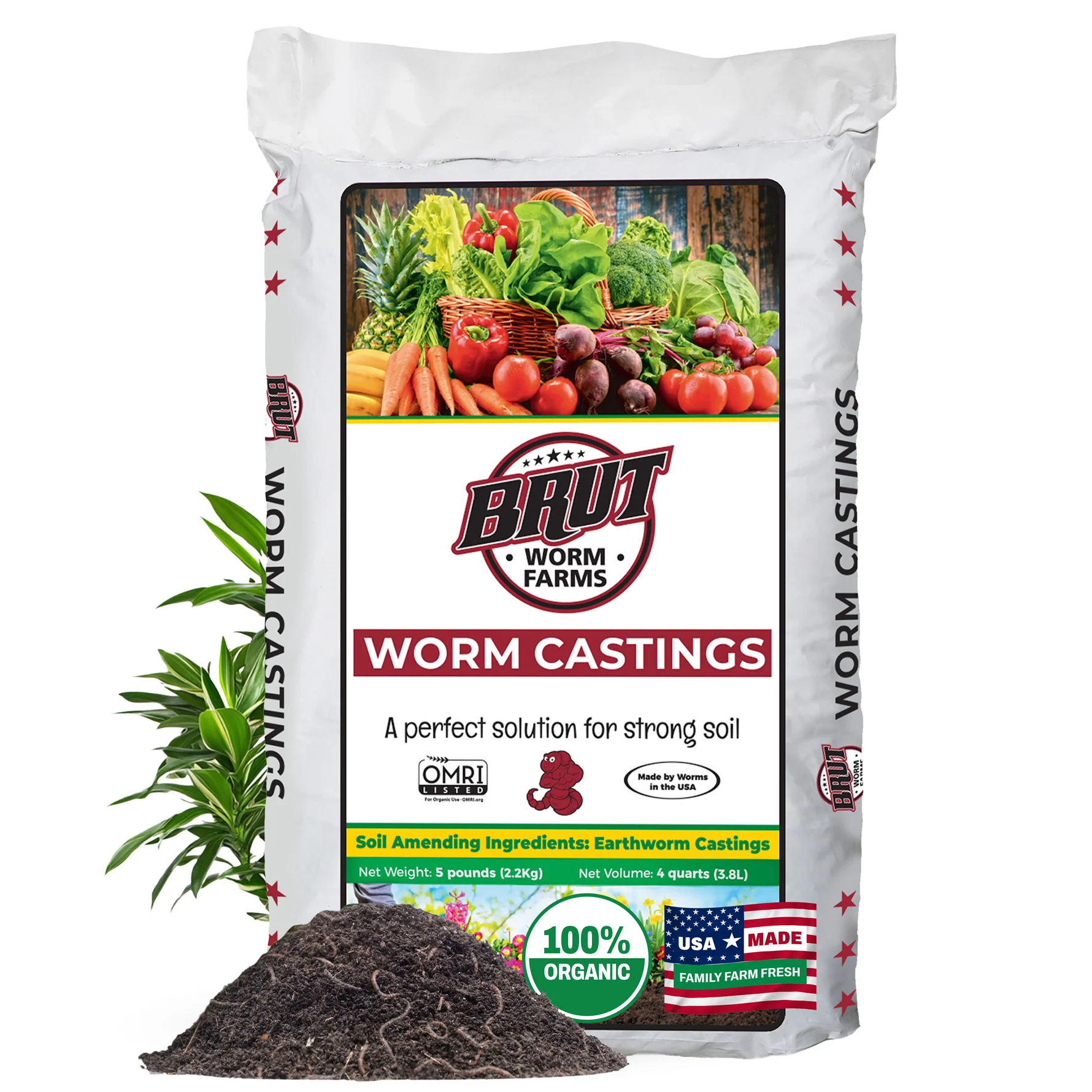
Brut organic worm castings provide mineral-rich, certified organic nutrition to supercharge indoor and outdoor plants. Raised indoors in containers for purity, these castings support lush greenery, vibrant blooms, and bountiful harvests. OMRI and CDFA listed formula helps deliver nature’s nutrients directly to plant roots for healthy growth from root to leaf.
Maintaining the Vegetable Garden
Keeping grass and perennial weeds out of vegetable beds is one of the most time-consuming maintenance tasks. The how to get rid of grass in a vegetable garden guide covers solarization, smothering, and mechanical removal methods that work without disturbing food crops or introducing herbicide residues into food-growing soil. Mulching reduces weed regrowth significantly, and the best mulch choices for vegetable beds are covered in the best mulch for vegetable gardens guide.
For soil preparation underpinning all these crops, the soil and growing media hub covers pH testing, amendment choices, and potting mix selection for raised bed and container growing.