
Best Mulch for Vegetable Gardens
Mulch applied to vegetable beds reduces weed pressure, retains soil moisture, moderates soil temperature, and, for organic mulches, improves soil structure as it decomposes. The best mulch for a vegetable garden is organic: it feeds the soil while it does its primary job, and unlike inorganic mulches, it does not interfere with the regular digging, planting, and crop rotation that characterizes an active vegetable bed.
Straw Mulch
Straw is the most widely used mulch for vegetable gardens and one of the most practical. It is light, easy to apply around transplants and seedlings, suppresses weeds effectively when applied at 10 to 15 centimeters depth, and decomposes moderately quickly to add organic matter. Straw is the standard mulch for strawberries and is effective around tomatoes, peppers, and squash.
Use wheat or oat straw rather than hay, which contains grass seeds that create their own weed problem. Source straw from pesticide-free fields if possible when mulching food crops.
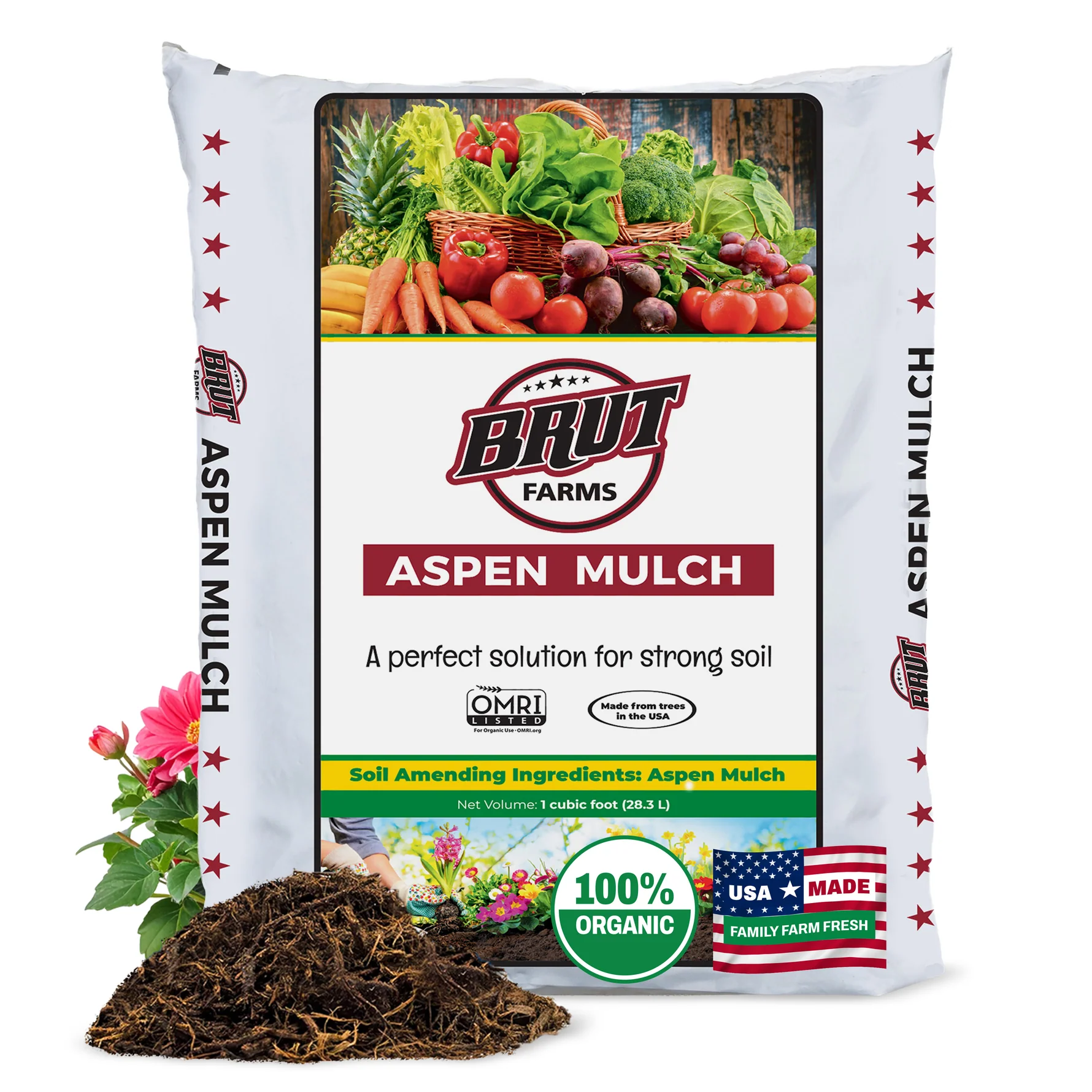
Brut Organic Aspen Mulch creates a clean, polished garden surface while helping minimize weeds naturally. Its high-carbon, odor-free aspen bark supports beneficial soil microbes and improves soil structure for healthier plants. The mulch naturally retains moisture, promoting water-efficient root hydration for garden beds, potted plants, and outdoor planters. OMRI-listed for certified organic gardening.
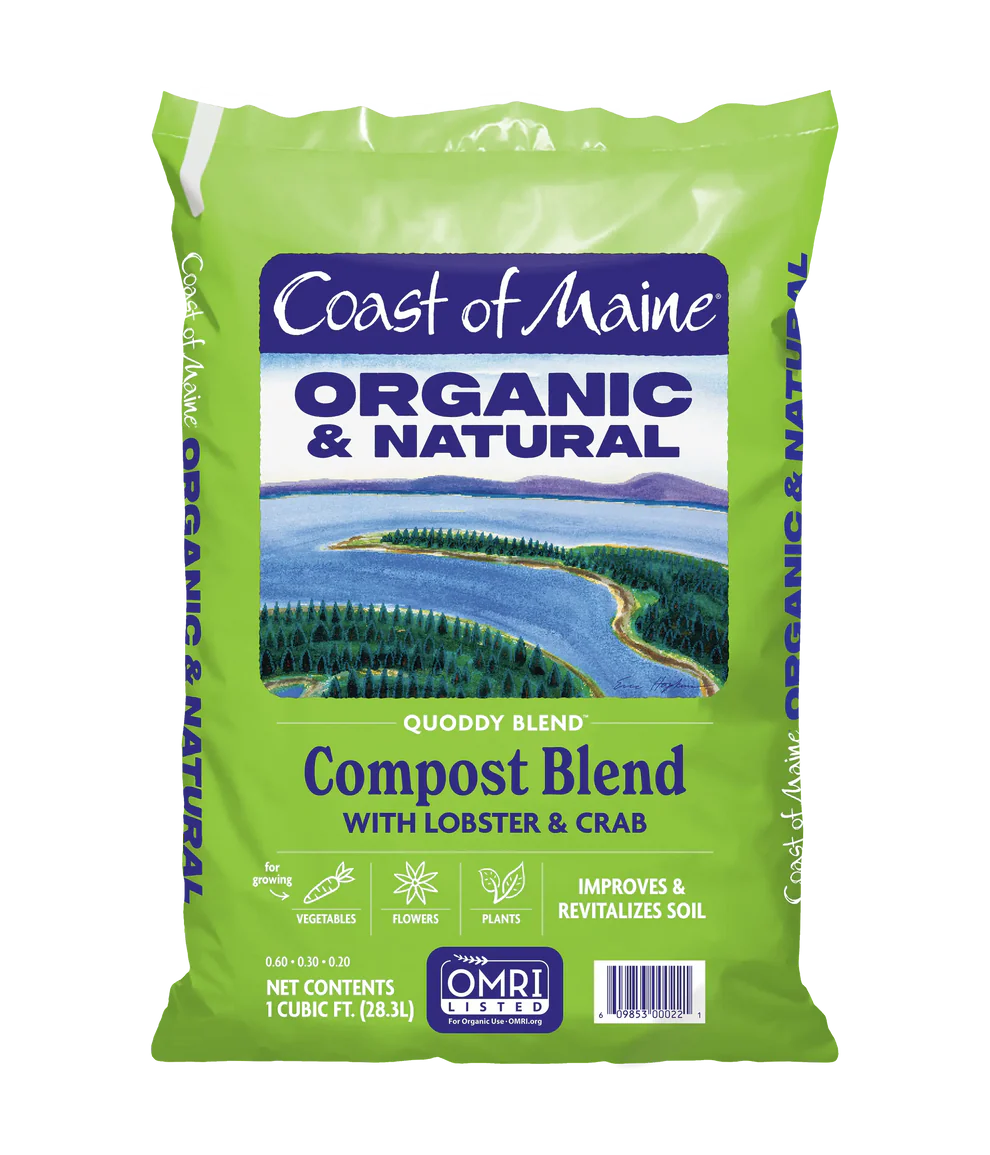
Coast of Maine’s Organic & Natural Quoddy Blend is a premium seafood compost made from lobster and crab shell meal, composted manure, and peat moss to enrich garden soil. It improves soil structure by supporting better drainage, aeration, and water retention for healthier root development. OMRI listed for organic use, it’s a versatile choice for gardens, beds, borders, trees, shrubs, and foliage.
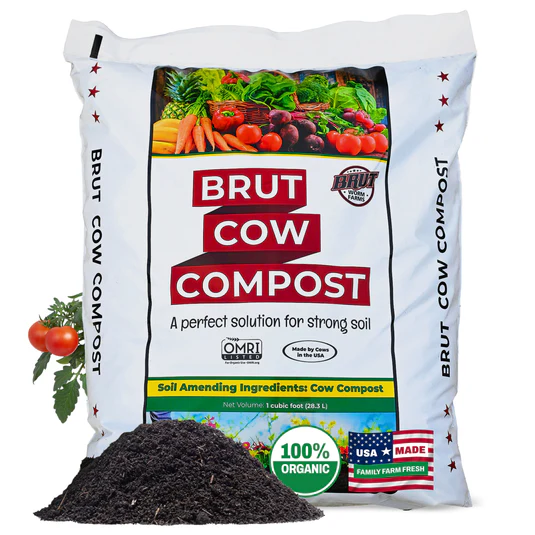
Brut Cow Compost is a nutrient-rich organic soil amendment made from 100% pure, thoroughly composted cow manure. It enriches soil with nitrogen, calcium, and iron, supports beneficial microbial life, and helps plants produce stronger growth. Odor-free and gentle on roots, it can be used for vegetables, flowers, lawns, shrubs, and indoor plants as a top dressing or mixed into garden and potting soil.
Shredded Leaves
Shredded leaves from deciduous trees are a free, abundant, and excellent mulch for vegetable beds. They suppress weeds well, improve soil structure significantly as they decompose, and are available in large quantities from autumn cleanup. Shred leaves before applying because whole leaves can mat together and form a water-repelling barrier. A 10-centimeter layer of shredded leaves works well between vegetable rows.
Compost as Mulch
Finished compost applied as a 3 to 5 centimeter top-dressing functions simultaneously as mulch and slow-release fertilizer. It adds the most nutritional benefit of any mulch option, but it is less effective at weed suppression than thicker mulches because its fine texture and nutrient richness is actually ideal for weed seed germination. Use compost mulch on established beds with dense plantings that shade the soil, or combine a thin compost layer under a thicker straw or leaf mulch layer.
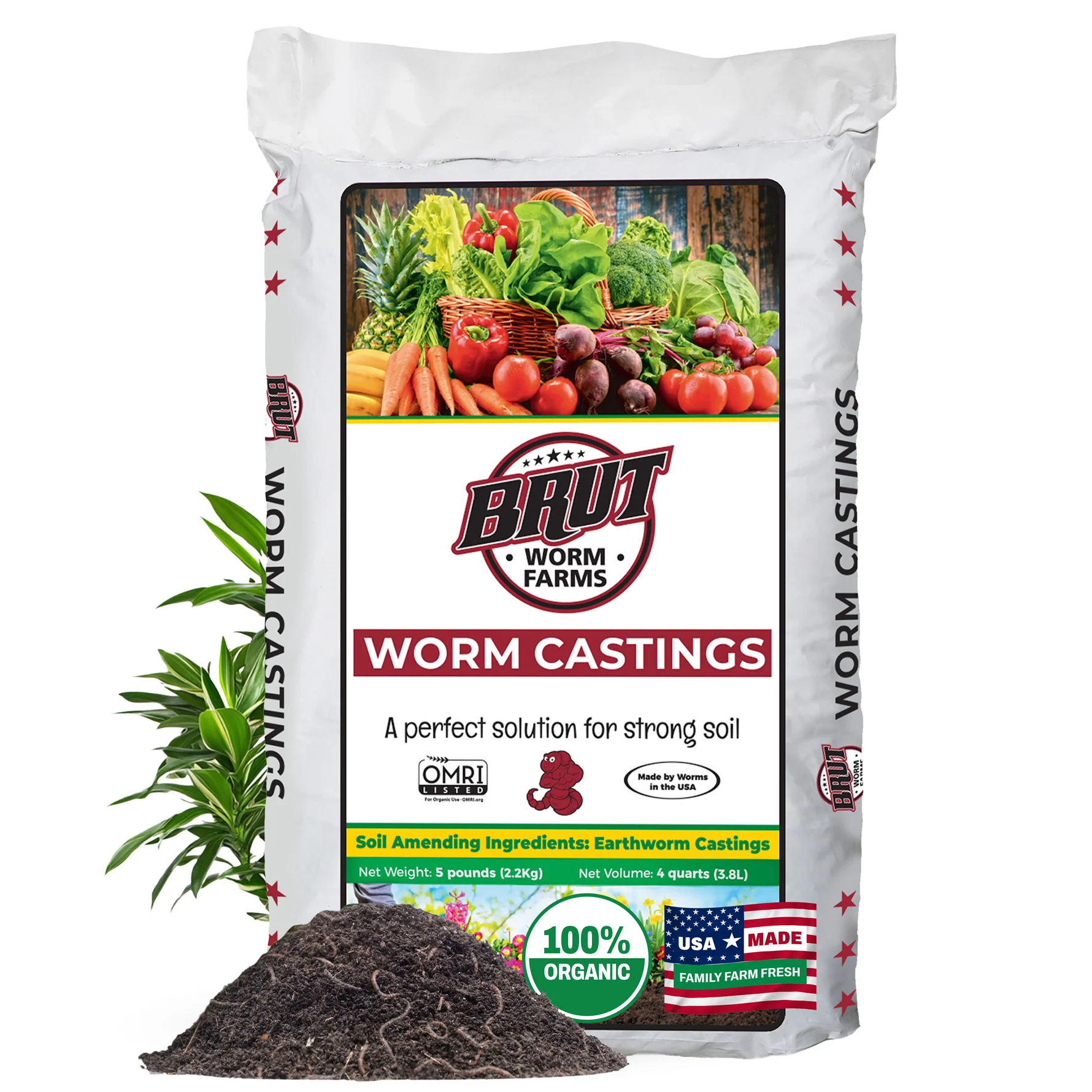
Brut organic worm castings provide mineral-rich, certified organic nutrition to supercharge indoor and outdoor plants. Raised indoors in containers for purity, these castings support lush greenery, vibrant blooms, and bountiful harvests. OMRI and CDFA listed formula helps deliver nature’s nutrients directly to plant roots for healthy growth from root to leaf.
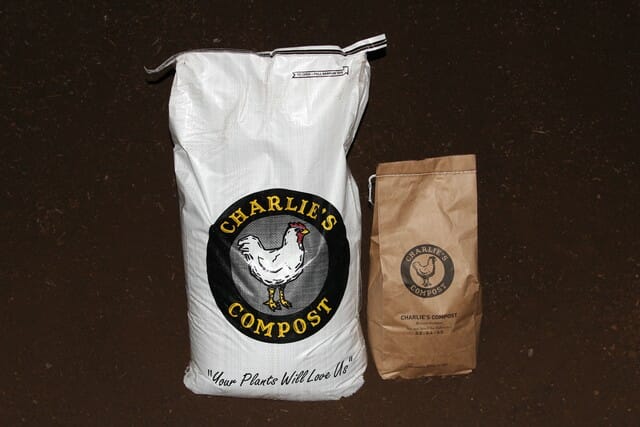
Charlie's Compost is an odor-free organic compost that enriches soil with nutrients and improves soil structure for healthier plant growth. It’s ideal for home gardens, raised beds, containers, and seed starting mixes, and it works as a compost tea ready amendment. The formula supports continuous nutrient release and offers low-odor composting for small-space and indoor-friendly use.
What to Avoid Near Food Crops
Avoid fresh wood chips on vegetable beds. Fresh wood chips cause a nitrogen drawdown as soil bacteria consuming them compete with plant roots for available nitrogen, potentially stressing crops during decomposition. Aged wood chips (composted for a year or more) do not have this effect and can be used safely.
Avoid dyed or treated mulches of any kind near food crops. Cocoa hull mulch smells pleasant and works well as a landscape mulch but is toxic to dogs and should not be used in household gardens with pets.