
How to Grow Banana Plants in Pots and Gardens
Banana plants (Musa spp.) are not trees in the botanical sense: the apparent trunk is a pseudostem made of tightly packed leaf bases, and each pseudostem flowers and fruits once before dying back, replaced by offshoots (called pups or ratoons) from the underground corm. In warm climates they grow fast, look spectacular, and can produce edible fruit. In colder climates they make impressive container specimens that require overwintering management.
Climate and Hardiness
Most edible banana varieties need USDA zone 9 or warmer to fruit reliably outdoors. In zone 8, the top growth is killed by winter cold but the underground corm often survives and regrows the following spring. In zones 7 and below, bananas must be overwintered in containers or with heavy root protection.
Cold-hardy ornamental varieties including Musa basjoo survive to zone 5 or 6 with heavy mulching, though they do not produce edible fruit in cold climates.

Espoma Organic Lawn Soil is an all-natural organic soil mix designed to promote seed germination and help new sod establish. It contains earthworm castings, alfalfa meal, kelp meal, and feather meal, enhanced with Espoma MYCO-TONE, a blend of endo and ecto mycorrhizae fungi. Use it anytime you sow new grass seed or install sod for organic gardening results with no synthetic plant foods or chemicals.
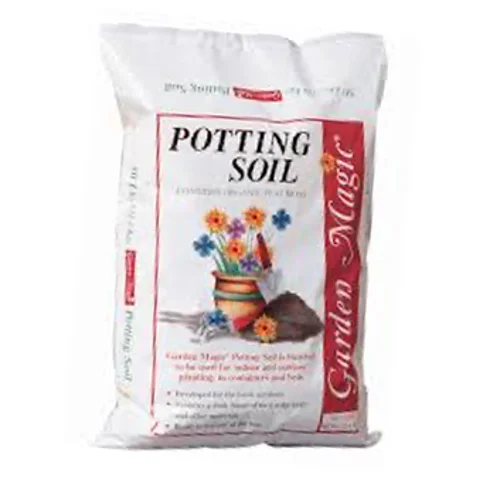
Grow healthy plants with this general-purpose potting soil featuring a blended formula for indoor and outdoor use. Its moisture-retaining design helps sustain active growth during moderate dry spells. The dark blend of reed sedge peat, organic peat moss, and other materials supports strong rooting for a reliable, ready-to-use planting mix.
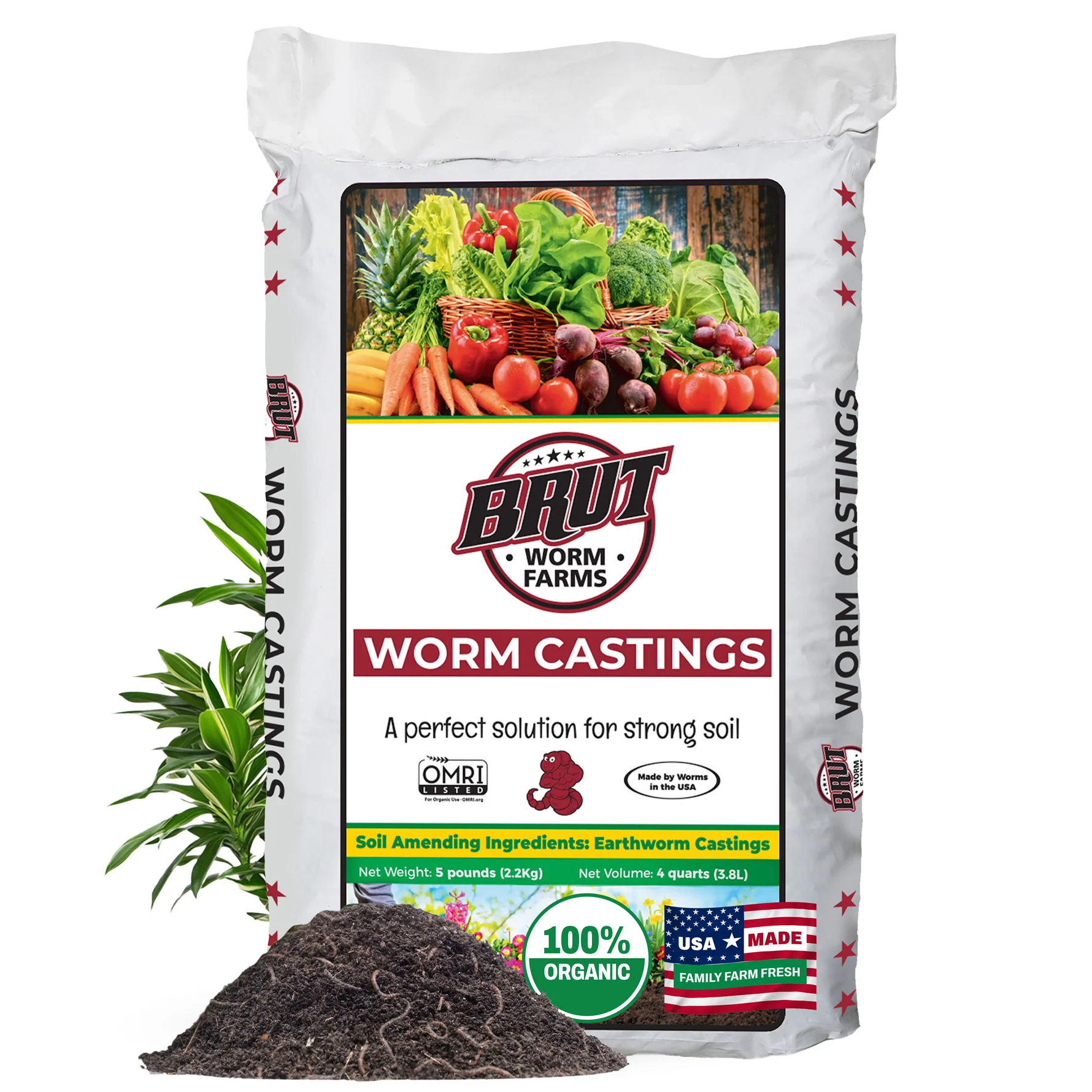
Brut organic worm castings provide mineral-rich, certified organic nutrition to supercharge indoor and outdoor plants. Raised indoors in containers for purity, these castings support lush greenery, vibrant blooms, and bountiful harvests. OMRI and CDFA listed formula helps deliver nature’s nutrients directly to plant roots for healthy growth from root to leaf.
Planting and Growing Conditions
Bananas need full sun, warmth, shelter from strong winds (which shred the large leaves), and consistently moist, fertile, well-draining soil. They are heavy feeders: in active growth they respond strongly to regular applications of balanced liquid fertilizer. In-ground bananas planted in appropriate climates grow 1 to 3 meters per season.
Plant from nursery pots or offshoots (pups) divided from an established clump. Position the plant 1 to 2 meters from other plants to allow for its mature spread and to prevent the competition that slows growth.
Container Growing
Container bananas in colder climates need a large pot (at least 50 liters) filled with a rich, moisture-retentive potting mix. Water frequently in summer as bananas in containers dry out quickly during active growth. Feed with a liquid fertilizer high in potassium every two weeks through summer.
Move containers indoors before the first frost. In winter, reduce watering to the minimum needed to prevent the root zone from drying out completely. Resume regular watering and feeding when the plant shows new growth in spring. Return outdoors after all frost risk has passed, hardening off gradually over one to two weeks.
Fruiting Expectations
In appropriate climates (zones 9 through 11), edible banana varieties begin to flower in two to three years from planting. The flower spike emerges from the center of the pseudostem, and the fruit develops above it over four to six months. Once the bunch is harvested, cut the pseudostem to the ground: the offshoots growing at the base take over and the cycle continues.