
How to Get Rid of Grass in a Vegetable Garden
Grass growing in a vegetable garden is a persistent problem because many grass species spread by both seed and underground runners. Removing visible grass tops without addressing the root system produces only a temporary result: the grass regrows from the root network within weeks. Effective control requires either exhausting the root system through repeated removal, excluding light until roots die, or physically removing the root mass.
Solarization
Solarization uses trapped solar heat to kill grass, weed seeds, and some soil-borne pathogens. Cover the bed thoroughly with clear plastic sheeting, seal the edges with soil or rocks, and leave in place for 6 to 8 weeks during the hottest part of summer. The trapped heat raises soil temperature to levels that kill most grass roots in the top 15 to 20 centimeters. Solarization works best in climates with intense summer sun and is most effective on annual grasses. Perennial grasses with deep root systems may require a second treatment.
After removing the plastic, do not dig the soil: digging brings dormant seeds from deeper layers to the surface. Transplant into the treated bed with minimal soil disturbance.
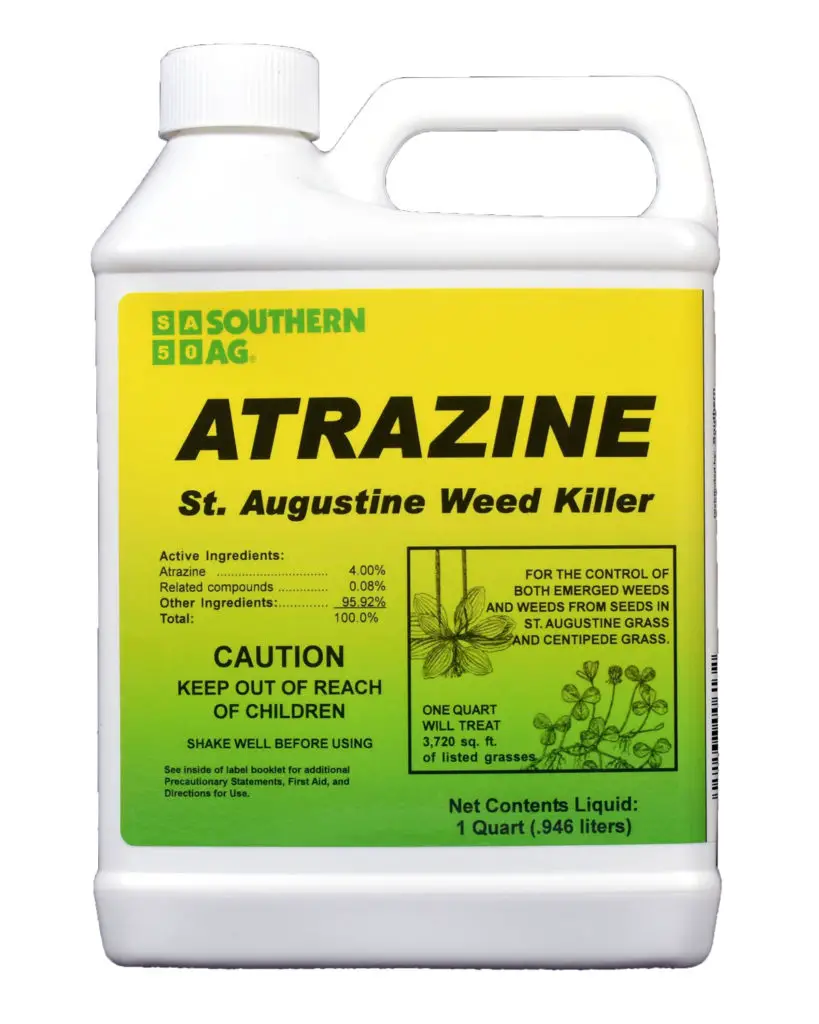
Southern Ag Atrazine St. Augustine Weed Killer helps control many common grassy and broadleaf weeds, including weeds from seed and emerged growth. It is labeled for use on St. Augustine and centipede lawn grasses, and also provides suppression of crabgrass. Best results are obtained with early spring application and thorough, accurate spray coverage without overlap.
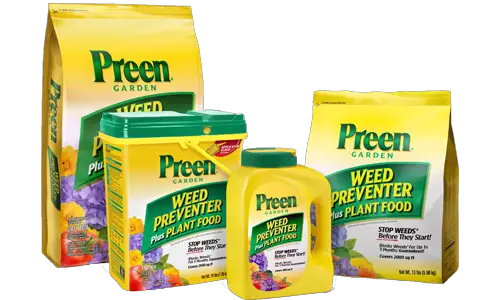
Preen Garden Weed Preventer Plus Plant Food helps prevent weeds while feeding your plants in one simple application. Safe for use in established flower and vegetable garden beds around trees, shrubs, and ground covers, it supports strong root development and abundant blooms. Use during spring, summer, or fall for best results and water it into the soil after sprinkling.
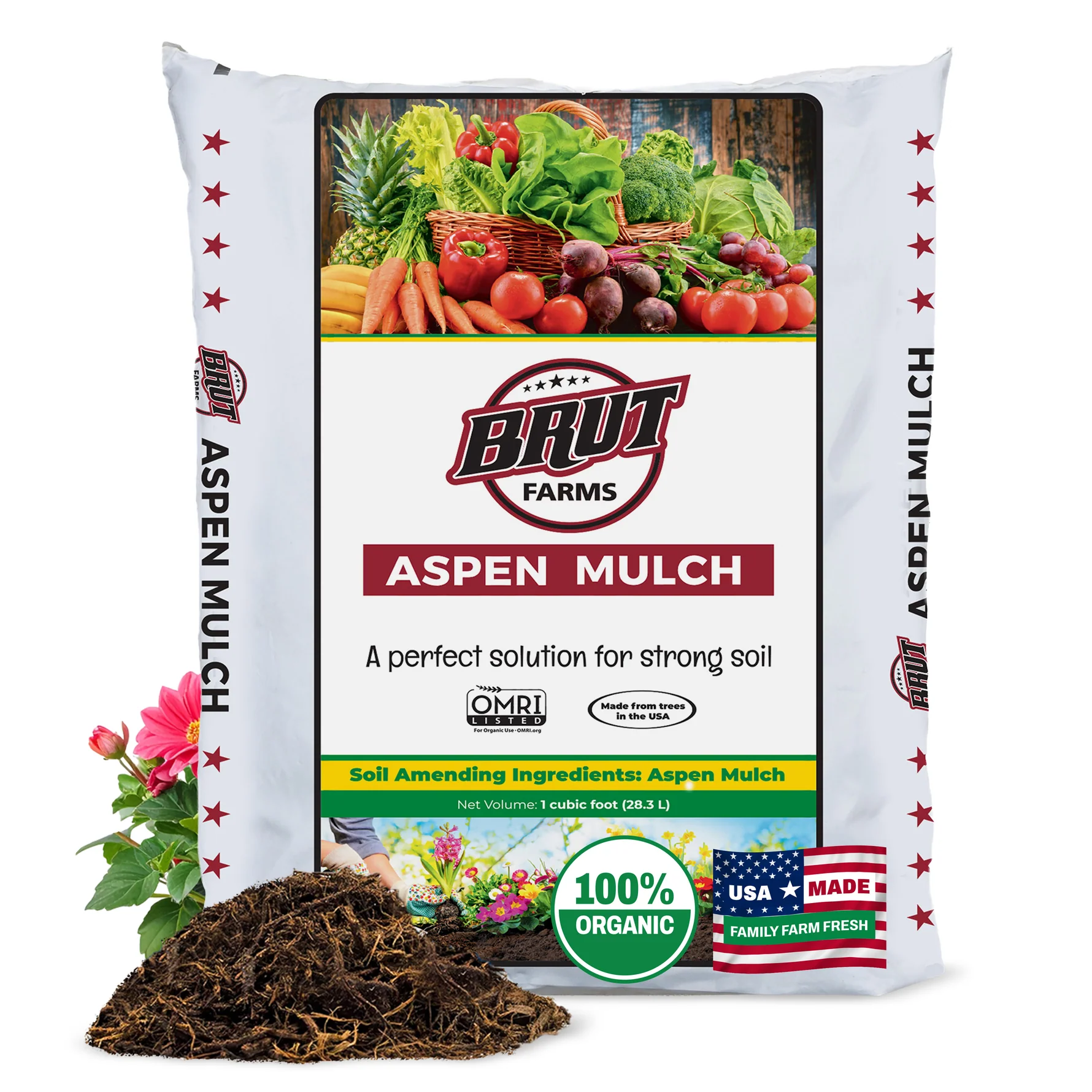
Brut Organic Aspen Mulch creates a clean, polished garden surface while helping minimize weeds naturally. Its high-carbon, odor-free aspen bark supports beneficial soil microbes and improves soil structure for healthier plants. The mulch naturally retains moisture, promoting water-efficient root hydration for garden beds, potted plants, and outdoor planters. OMRI-listed for certified organic gardening.
Smothering
The no-dig smothering method suppresses grass by excluding light from the soil surface until roots exhaust their energy reserves. Lay overlapping sheets of cardboard over the bed, wetting it thoroughly, then cover with 15 to 20 centimeters of compost, straw, or wood chip mulch. Plant transplants directly through the cardboard layer into the existing soil beneath, or wait one season for the cardboard and mulch to break down before planting.
Cardboard smothering controls annual grasses reliably within one season. Aggressive perennial grasses including Bermuda grass and quack grass may push through if the cardboard layer is thin or poorly overlapped.
Hand Digging and Root Removal
For small areas or persistent perennial grass species that survive solarization and smothering, hand removal of the root network is the most thorough method. Use a fork rather than a spade to avoid chopping rhizomes into segments that each regrow. Shake soil from the roots before discarding. Repeat the process every two to three weeks through the growing season to exhaust the root system.
The same smothering and solarization techniques that eliminate grass from vegetable beds are also effective against persistent weed species. The broader framework for managing garden pests and unwanted plants is covered in the garden pest control section.
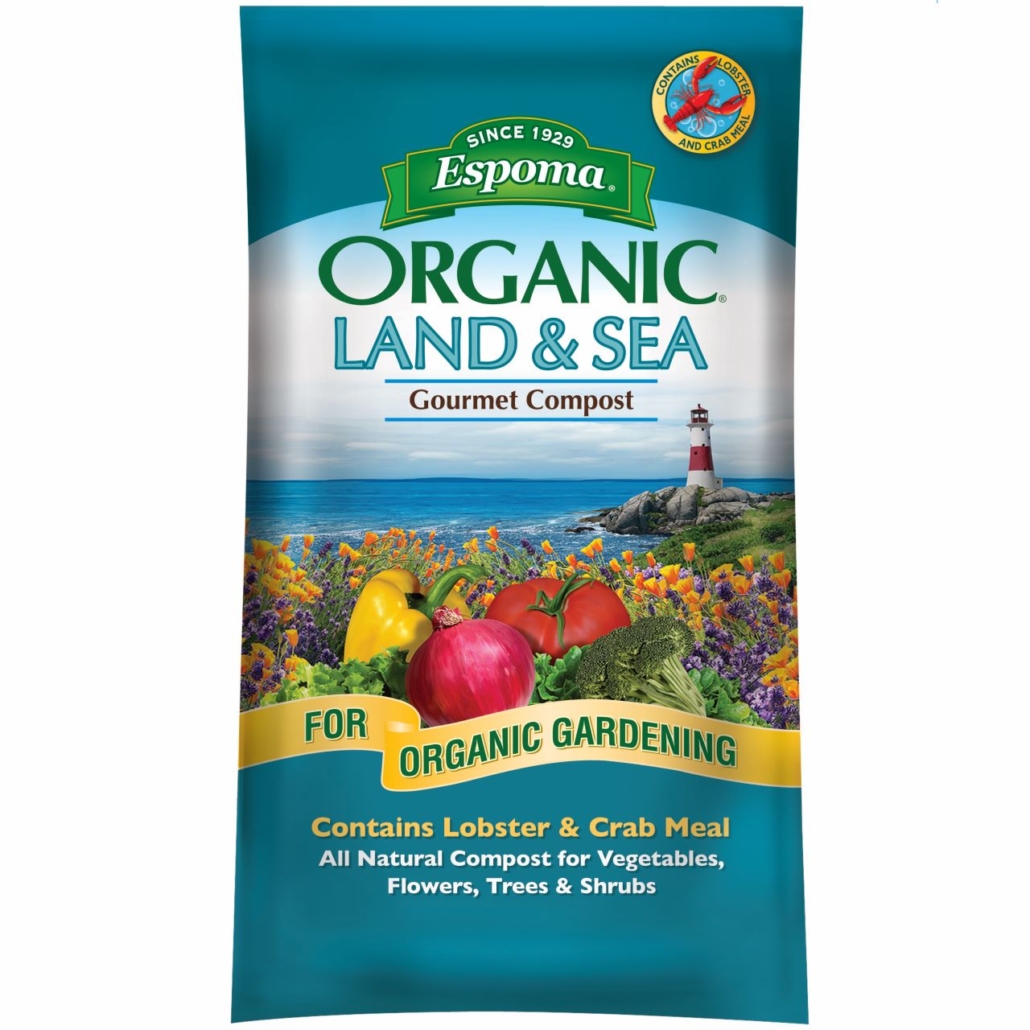
Espoma Organic Land and Sea Gourmet Compost is a rich organic planting mix designed to improve native soil and revitalize container gardens. Enriched with both lobster and crab meal, it supports healthy growth for vegetables, flowers, trees, and shrubs. The blend also includes myco-tone endo and ecto mycorrhizae and contains no synthetic plant foods or chemicals.
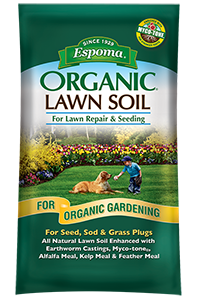
Espoma Organic Lawn Soil is an all-natural organic soil mix designed to promote seed germination and help new sod establish. It contains earthworm castings, alfalfa meal, kelp meal, and feather meal, enhanced with Espoma MYCO-TONE, a blend of endo and ecto mycorrhizae fungi. Use it anytime you sow new grass seed or install sod for organic gardening results with no synthetic plant foods or chemicals.
Preventing Return
Prevent grass from reinvading established vegetable beds with a combination of mulch and edge barriers. A 7 to 10 centimeter organic mulch layer over the soil surface between plants prevents most grass seed germination and slows runner spread. A physical edging barrier of metal, plastic, or stone between lawn and bed areas blocks underground runner invasion from neighboring turf.