
Garden and Lawn Pests: Identification and Control for Homeowners
Garden and lawn pests span an unusually wide range of pest types, from root-feeding soil insects to foliar sucking insects to soft-bodied mollusks, and the treatment tools, timing, and threshold decisions differ significantly between those groups. A grub infestation in the lawn requires a soil-active insecticide applied at the right larval stage and has a treatment window measured in weeks. An aphid colony on ornamental shrubs may be self-resolving through natural predator pressure or may respond to a single soap application within days. Japanese beetles defoliating a rose bush are at the adult stage where grub treatments are no longer effective. Getting the pest and the life stage right before choosing a product is what separates effective garden pest control from expensive, frustrating, and often counterproductive treatment attempts.
This hub is the primary resource for homeowners dealing with plant damage in garden beds and lawn areas. It fills the topical gap that the yard-focused pest control conversation most often leaves: the specific species that damage turf, ornamental plants, vegetables, and soil structure in outdoor growing areas, with individual guides that connect pest identity to the treatment approach that actually works.
The Garden Pest Decision Framework
Three questions should precede any garden pest treatment decision.
Is the damage level at or above an action threshold? A few aphids on a vigorous shrub are not an action threshold event. A dense colony covering new growth and distorting leaves is. Several Japanese beetles on a rose is aesthetically unpleasant but within what a healthy plant can tolerate; a population defoliating the plant over several consecutive days warrants treatment. Applying a pesticide below the action threshold disrupts beneficial insect populations without preventing the plant damage it is meant to address.
Are beneficial insects present that could resolve the problem without treatment? Aphid colonies in particular are often suppressed rapidly by resident ladybug, lacewing, and parasitic wasp populations that arrive within a few days of an aphid colony establishing. Treating an aphid outbreak that is already under pressure from predators eliminates the predators along with the prey and often results in a larger secondary aphid outbreak than the original.
Which product addresses the pest at the current life stage? Grub killers applied in July when grubs are small and near the soil surface have a dramatically different efficacy profile than the same products applied in October when grubs have moved deeper in the soil profile. Japanese beetle traps attract more beetles than they capture and are not an effective standalone control tool for plant protection. Slug bait must be applied in the evening when slugs are active, not in the morning.
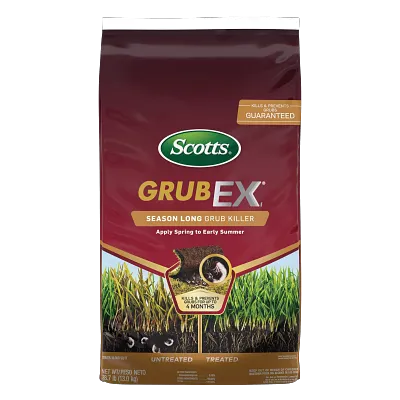
Scotts GrubEx1 is a season-long grub killer that keeps protecting your lawn from grubs and damage for up to 4 months with a single application. It helps stop grubs before they cause brown patches and harm grass roots, keeping your turf healthier. Apply in spring or early summer when grubs are developing for best results.
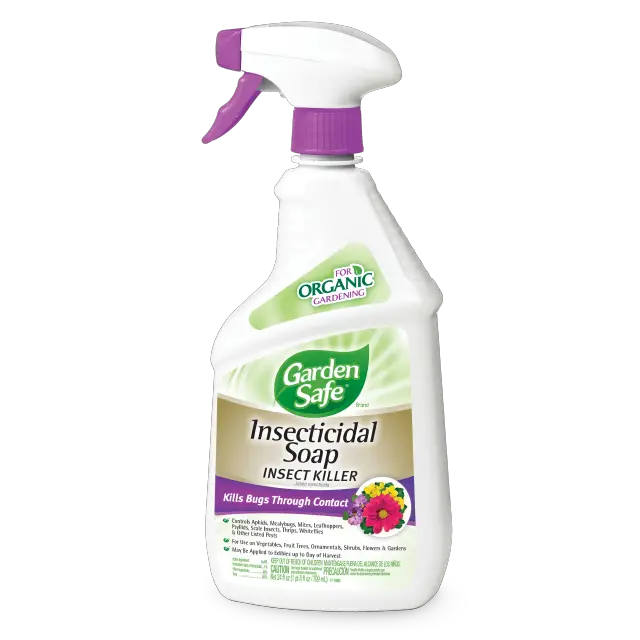
Garden Safe insecticidal soap is a ready-to-use contact spray that kills listed garden pests when sprayed directly on them. It’s formulated for organic gardening and can be used on vegetables, fruit trees, ornamentals, shrubs, flowers, and in indoor, outdoor, and greenhouse applications. For convenience, it may be applied to edibles up to and including the day of harvest.
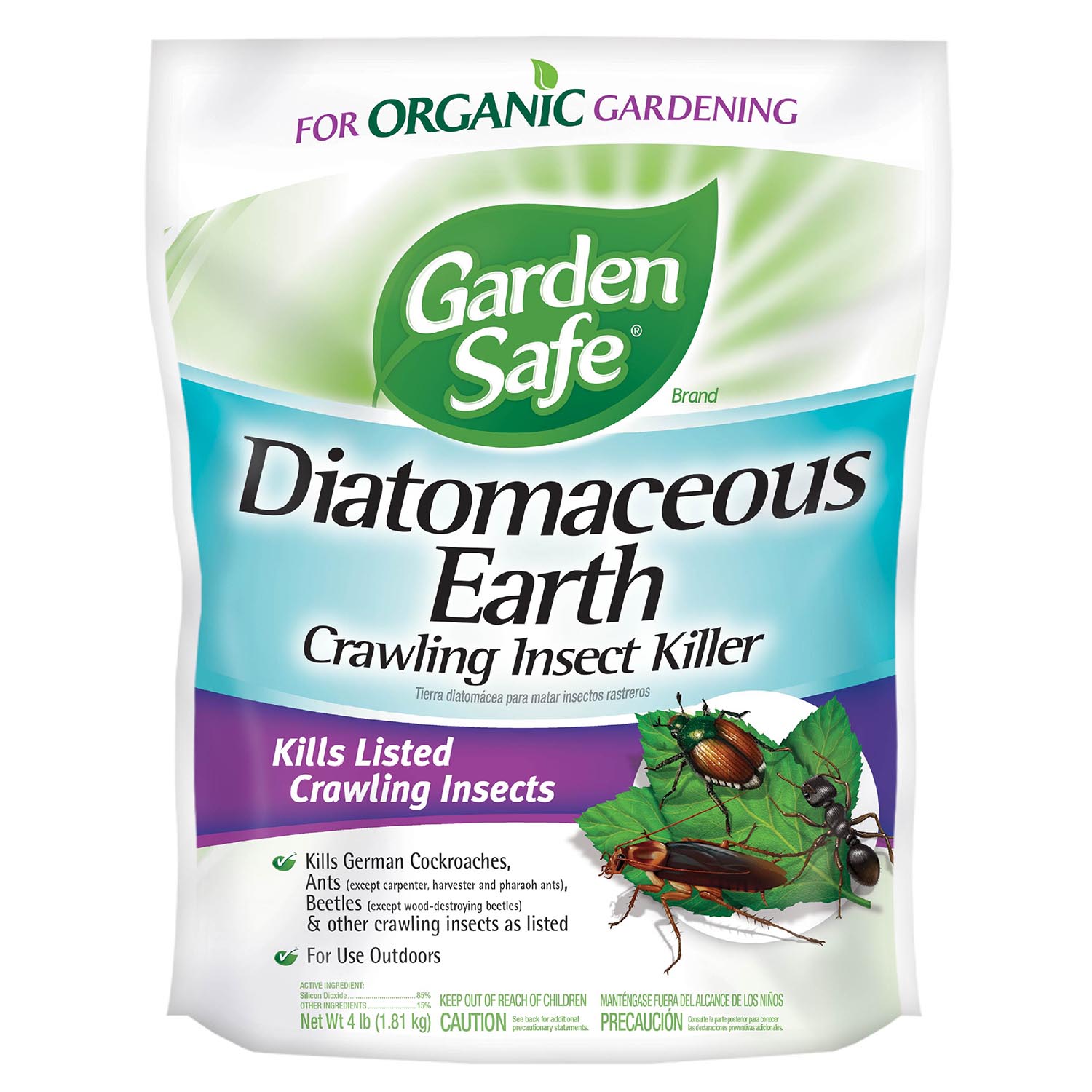
Garden Safe diatomaceous earth-based crawling insect killer provides organic, long-lasting control for listed pests. It kills German cockroaches, ants, beetles, fleas, mealybugs, and other crawling insects by contact by coating their exoskeletons and drying them out. Apply a thin powdery layer outdoors on plants and surrounding soil, and use indoors for crawling insect control as directed.
Pest Groups in This Hub
Root and soil pests feed below ground and cause damage that often presents first as unexplained wilting, irregular brown patches in turf, or the ability to lift turf away from the soil. Grubs (white grubs), which are the larvae of Japanese beetles, June beetles, and related scarab species, are the most damaging root-feeding soil pests in North American lawns.
Adult and larval foliar pests feed on plant leaves, stems, and new growth above ground. Japanese beetle adults, aphids, whiteflies, and caterpillars including cutworms are the most frequently encountered foliar pests in home gardens and ornamental plantings.
Turf pests damage lawn grasses specifically, often causing symptoms that resemble drought stress or disease. Chinch bugs are the most prevalent warm-season turf pest in the eastern United States, with a feeding mechanism that injects a phytotoxic saliva that kills grass tissue more extensively than the physical feeding alone would cause.
Soil-surface and soil-margin pests include slugs and snails, which feed at the soil surface on plant tissue near the ground and are most active in cool, moist conditions at night.
Species Guides in This Hub
How to Get Rid of Aphids on Plants covers the most widespread foliar sucking pest in home gardens, including the role of natural predators, the soap and neem oil treatment sequence, and the aphid-ant relationship that can significantly worsen infestations.
How to Get Rid of Grubs in Your Lawn covers white grub identification, treatment timing windows, and the distinction between preventive and curative grub killer products.
How to Get Rid of Japanese Beetles covers adult Japanese beetle control on ornamental and food plants and explains why grub treatment timing is critical for breaking the life cycle.
How to Get Rid of Slugs and Snails in the Garden covers identification, habitat conditions that favor slug populations, and the bait, barrier, and trap options for organic and conventional programs.
How to Get Rid of Whiteflies on Plants covers the cloud-forming sap-sucking pest of ornamentals and vegetables, the nymph stage where treatment is most effective, and the resistance management challenge that makes product rotation essential.
How to Get Rid of Caterpillars and Cutworms in the Garden covers the identification of foliar-feeding caterpillars and nocturnal cutworms, and the role of Bt (Bacillus thuringiensis) as the first-line organic treatment for lepidopteran larvae.
How to Get Rid of Chinch Bugs in Your Lawn covers the small bug that causes large irregular brown patches in warm-season lawns, with a diagnostic test to confirm their presence and treatment timing guidance.
Best Grub Killer for Lawns covers the top preventive and curative grub control products with guidance on choosing between them based on treatment timing.
Best Slug and Snail Bait for Gardens covers the top slug bait products, the iron phosphate versus metaldehyde safety distinction, and application guidance for both raised bed and open garden use.
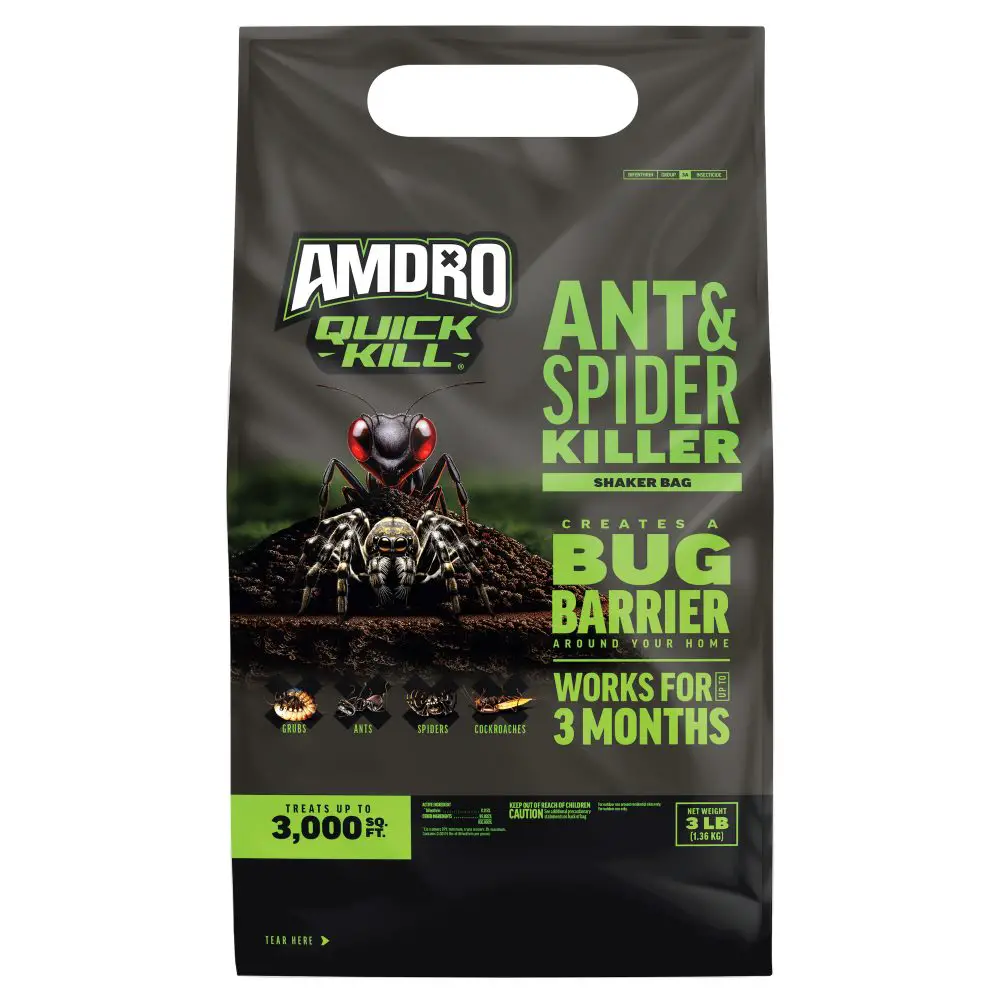
Amdro Quick Kill Ant & Spider Killer granules come ready to spread and help create a bug barrier around your home. The soil-penetrating formula kills listed insects by contact and works for up to 3 months, targeting lawn-damaging pests like grubs and mole crickets as well as surface pests such as ants and spiders. Simply apply evenly with the shaker bag, then lightly water the treated area to help control up to 100 listed insects and cover up to 3,000 square feet.
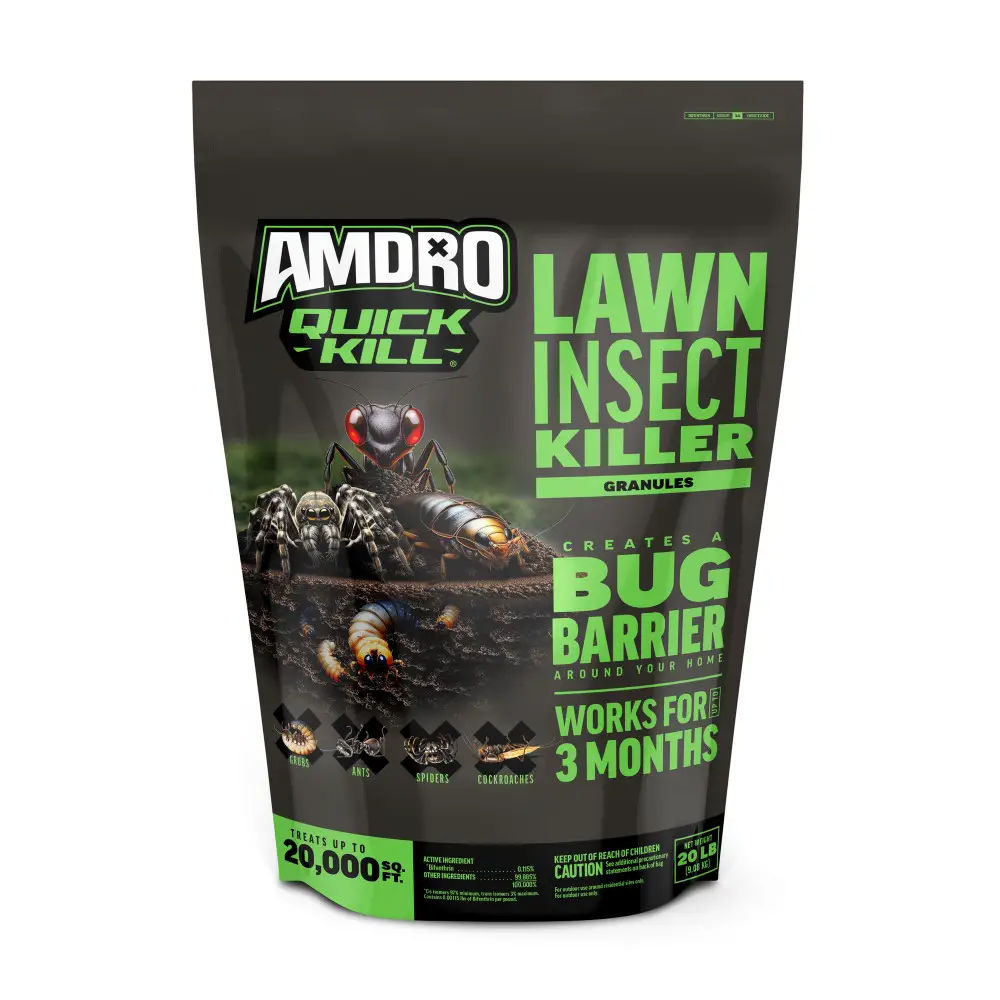
Amdro Quick Kill Lawn Insect Killer Granules protect your yard from listed pests for up to 3 months. Spread the granules uniformly and water them in to kill insects on contact, including grubs and mole crickets below the surface and common surface pests like ants, spiders, fleas, and ticks. The soil-penetrating formula helps create a bug barrier around your home and won’t harm lawns, flower gardens, trees, or shrubs when used as directed.
Moles and the Grub Connection
Mole activity in lawns, which presents as surface tunnel ridges and heaving soil, is closely related to grub infestations because grubs are a primary food source for moles. Reducing grub populations through the treatment programs covered in this hub frequently reduces mole activity as a secondary effect. Mole identification and trapping is assigned to the Lawn Care silo: for comprehensive mole management guidance, including the full range of trapping and exclusion options, see our lawn problems guide. When irregular brown patches persist through watering and the turf lifts away from the soil with minimal resistance, a grub infestation is the most likely diagnosis; identification, treatment timing, and product selection for grubs are covered in our lawn grub control guide.
Treatment Products for Garden and Lawn Pests
Choosing between organic and synthetic treatment options for garden and lawn pests involves the same product framework that applies across the entire pest control silo. For a full comparison of active ingredients, modes of action, and safety profiles across the organic and synthetic options relevant to garden use, see our pest control methods hub.