
How to Get Rid of Aphids on Plants
Aphids are soft-bodied, sap-sucking insects in the superfamily Aphidoidea, and they are among the fastest-reproducing pests a homeowner will encounter: a single wingless female can produce 40 to 60 live offspring in a week without mating through a process called parthenogenesis, and those offspring begin reproducing within seven to ten days of birth under warm conditions. This reproductive capacity is why an apparently minor aphid problem can become a serious infestation within two weeks. It is also why natural predator populations, which respond to aphid density increases with their own population increases, are often highly effective at resolving aphid outbreaks without any homeowner intervention.
Should You Treat or Wait?
The decision to treat or monitor an aphid outbreak depends on two observations: how rapidly the population is growing and whether natural predators are present. A small cluster of aphids on a single plant stem, with no evidence of rapid population growth and no sign of the distorted new growth, yellowing, or sooty mold that indicates heavy feeding pressure, is a monitor-and-wait situation. Check the same plant three days later: if the population has not grown substantially and predators are arriving, the natural system is working.
Ladybug adults and larvae, green lacewing larvae, parasitic wasp mummies (swollen, mummified aphids with exit holes indicating a wasp has developed inside), and the tiny wasps themselves visible flying over the colony are all indicators that biological control is active. Wait before applying any product.
Treat when the population is growing rapidly across multiple plant stems or plants, when new growth is curling and distorted from feeding pressure, when heavy aphid honeydew is causing sooty mold development on leaves below the colony, or when the plant is a young transplant or vulnerable seedling that cannot sustain significant feeding damage during establishment.
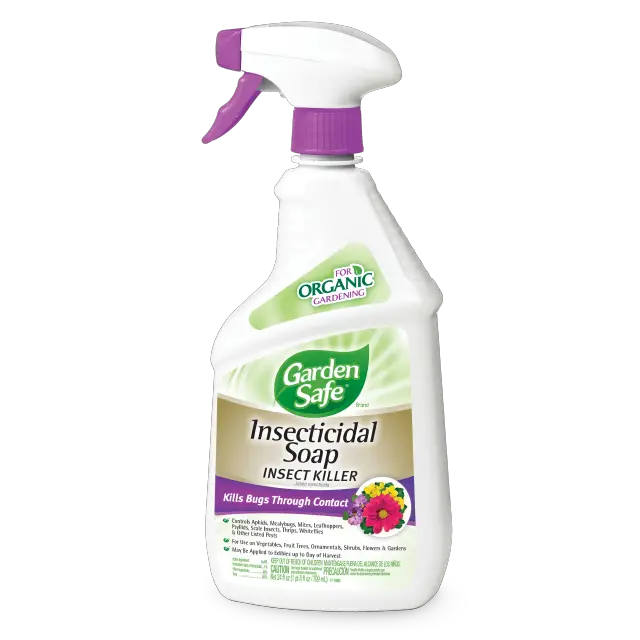
Garden Safe insecticidal soap is a ready-to-use contact spray that kills listed garden pests when sprayed directly on them. It’s formulated for organic gardening and can be used on vegetables, fruit trees, ornamentals, shrubs, flowers, and in indoor, outdoor, and greenhouse applications. For convenience, it may be applied to edibles up to and including the day of harvest.
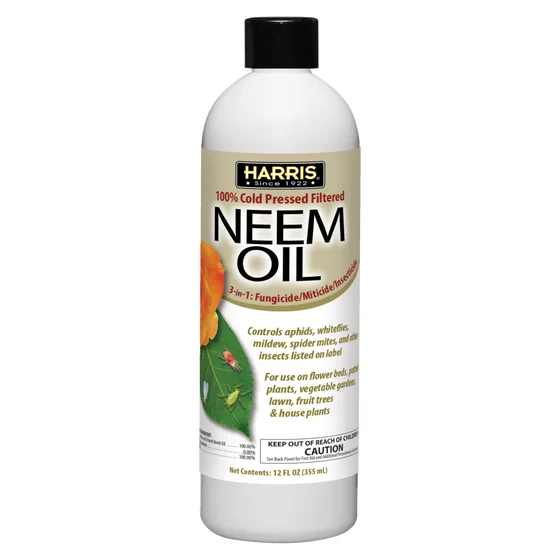
HARRIS Neem Oil Cold Pressed Water Soluble Concentrate is a 3-in-1 insecticide, fungicide, and miticide made from 100% cold pressed neem oil. It is EPA registered to help control aphids, whiteflies, mildew, spider mites, and other label-listed pests and diseases. Safe for indoor and outdoor use, it can be applied to a wide range of flowering and potted plants, vegetable gardens, lawns, ornamentals, fruit trees, and container gardening with foliar or soil treatments.
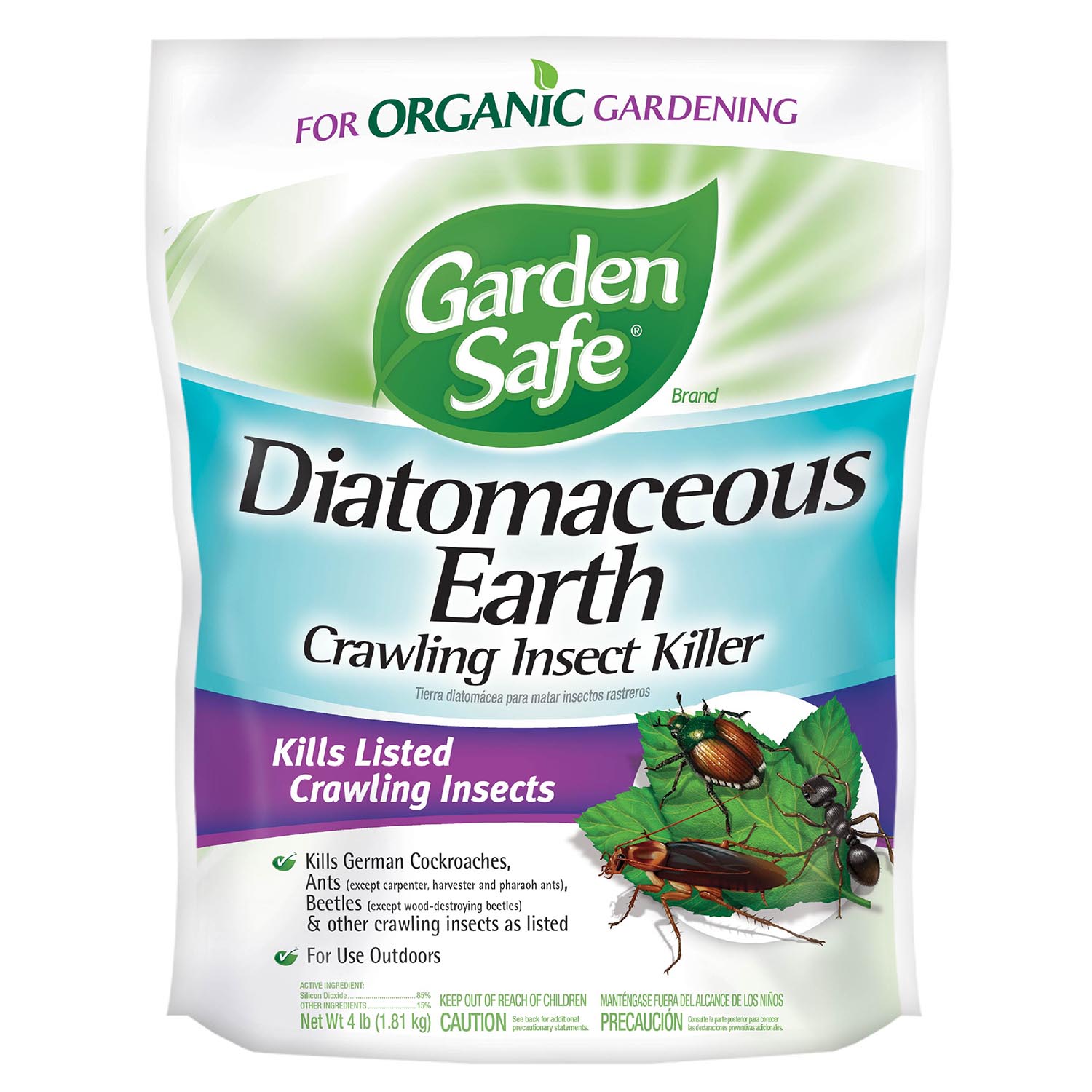
Garden Safe diatomaceous earth-based crawling insect killer provides organic, long-lasting control for listed pests. It kills German cockroaches, ants, beetles, fleas, mealybugs, and other crawling insects by contact by coating their exoskeletons and drying them out. Apply a thin powdery layer outdoors on plants and surrounding soil, and use indoors for crawling insect control as directed.
The Aphid-Ant Relationship
One of the most important diagnostic observations for an aphid infestation is whether ants are present and tending the colony. Many ant species actively farm aphid colonies for the honeydew, a sugar-rich liquid that aphids excrete as a feeding byproduct. Ants protect aphid colonies from predators, removing ladybug larvae, lacewing eggs, and other natural enemies that approach the colony. They also transport aphids to new plant growth as existing colonies become crowded. An aphid infestation with ant activity around the colony is a more persistent problem than one without, because the natural biological control that would otherwise suppress the population is being actively disrupted by the ants.
Resolving the ant involvement requires preventing ants from reaching the infested plant. A sticky barrier product (Tanglefoot or similar tree banding compound) applied to a sticky tape band around the trunk or main stem of the infested plant below the aphid colony prevents ants from climbing to the colony and allows natural predators to work unimpeded.
Treatment Step 1: Water Pressure Knockdown
A strong jet of water directed at aphid colonies dislodges the majority of individuals from the plant surface. Aphids that fall to the soil cannot climb back to the plant reliably, and the disturbance to the colony suppresses the pheromone signals that recruit more individuals to the feeding site. This is the appropriate first response for aphid colonies on established ornamentals and shrubs where hose access is practical. Repeat every two to three days for light infestations.
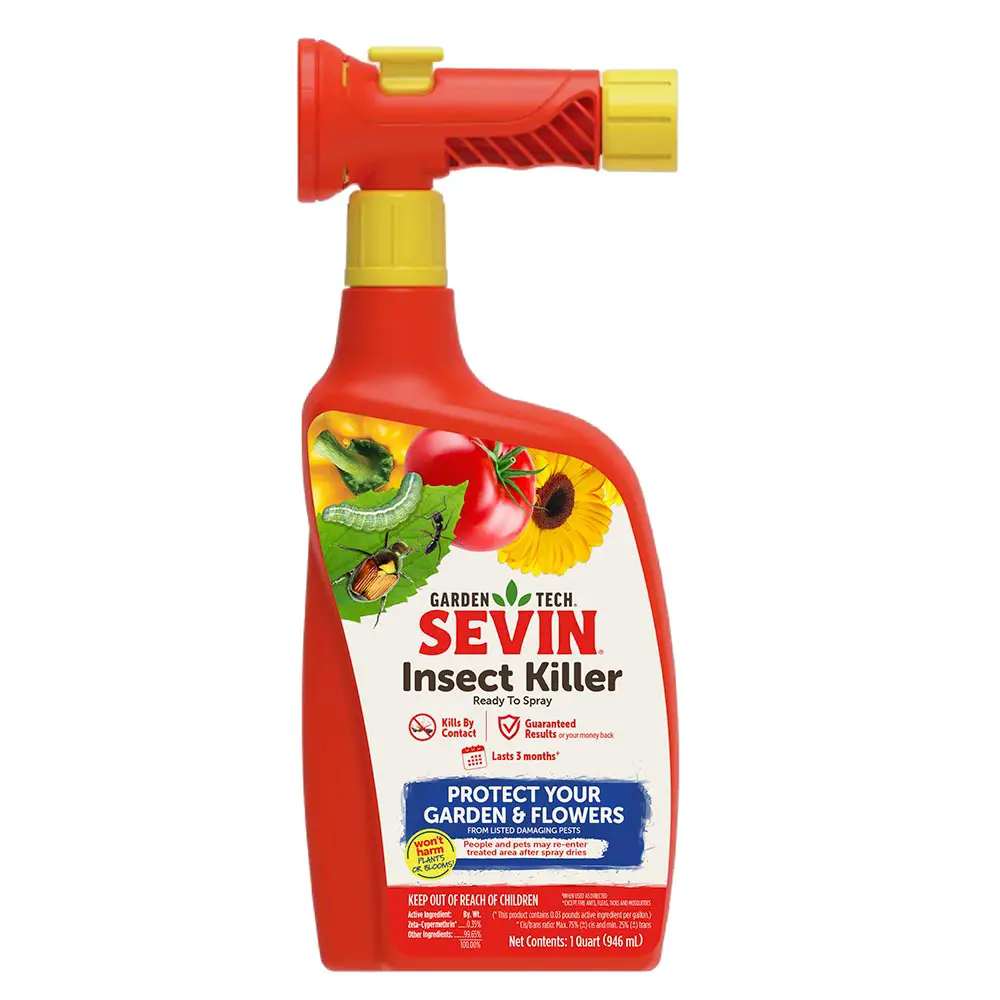
Sevin Insect Killer Ready to Spray helps protect flowers, vegetables, and ornamentals with a plant-safe formula that won’t harm blooms when used as directed. This hose-attachment spray targets a wide range of listed garden insects, including beetles, caterpillars, and aphids, for healthier plants. It provides up to 3 months of outdoor protection and lets people and pets return once the spray dries.
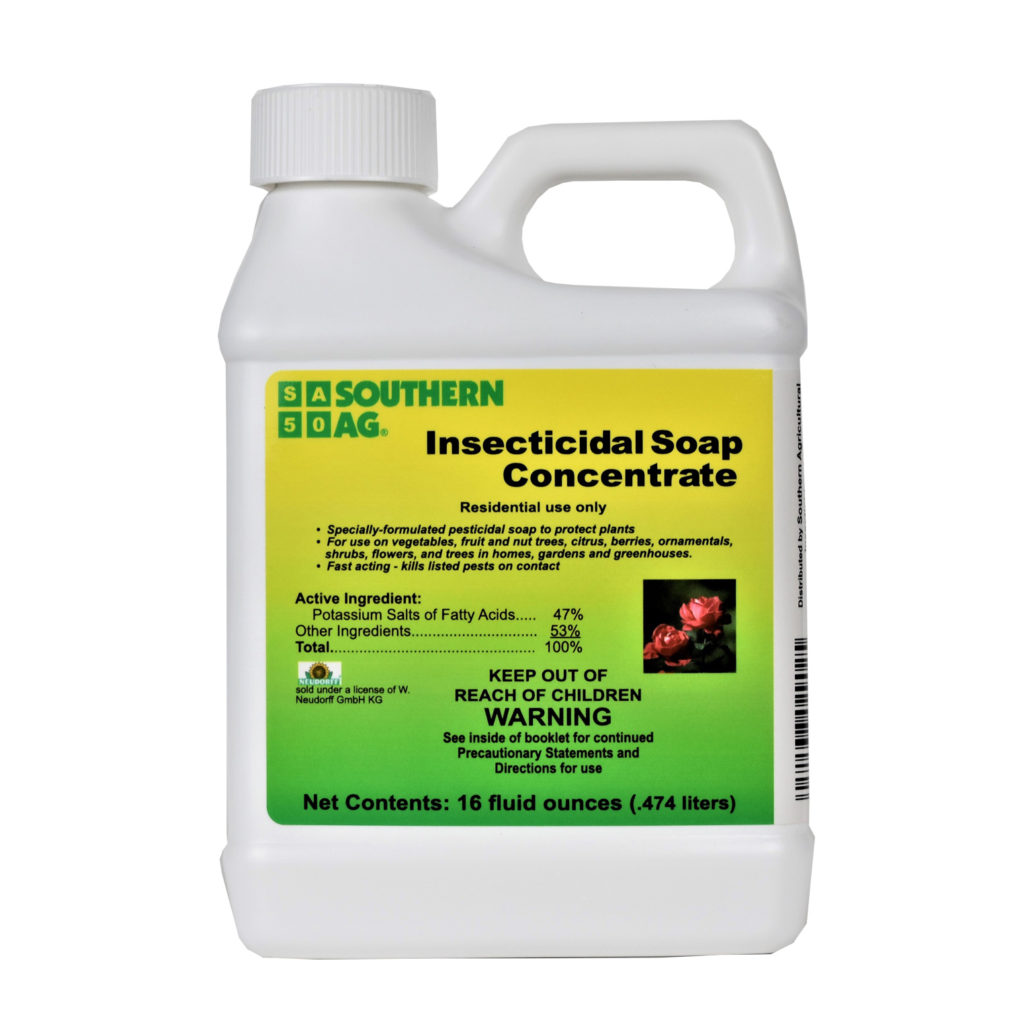
Southern Ag Insecticidal Soap Concentrate is a specially formulated pesticidal soap that delivers fast contact control of insect and mite pests. It’s suitable for use on vegetables, fruit and nut trees, citrus, berries, ornamentals, shrubs, flowers, and trees, including greenhouse and garden applications. Mix 4 teaspoons per quart of water and thoroughly spray all plant parts, including undersides of leaves.
Treatment Step 2: Insecticidal Soap
Insecticidal soap applied with thorough coverage of all aphid-infested surfaces kills adults and nymphs on contact. It has no residual activity and no ovicidal effect, so reapplication every three to five days for two to three cycles is necessary to address newly hatched individuals. Apply in the early morning or evening to minimize phytotoxicity risk. Insecticidal soap is safe to apply near beneficial insect populations after it has dried, unlike residual insecticides, because it has no activity once dry. Product recommendations are in our best insecticidal soap guide.
Treatment Step 3: Neem Oil for Sustained Pressure
For aphid infestations with sustained population pressure over multiple weeks, neem oil applied every five to seven days provides contact kill combined with azadirachtin’s disruption of nymph development, slowing the reproductive rate of the surviving population. Cold-pressed neem oil concentrate at the label-specified dilution, applied with thorough canopy coverage, is the most effective organic option for sustained pressure situations. Product recommendations are in our best neem oil guide.
When Systemic Insecticides Are Appropriate
Systemic insecticides absorbed by plant tissue and expressed in plant sap are highly effective against piercing-sucking insects like aphids but should be used carefully because the same systemic uptake that makes them effective also carries the active ingredient into pollen and nectar. Neonicotinoid systemic products (imidacloprid, acetamiprid) should never be applied as foliar sprays or soil drenches to flowering plants or plants that will come into flower while the systemic is active, as this creates an exposure pathway for pollinators.
Systemic insecticides are appropriate for aphid management on non-flowering ornamental trees and shrubs where repeated foliar spray applications are impractical and the plant is not currently in flower and will not be for an extended period after treatment. Always verify the re-entry interval and pre-harvest interval if the affected plant produces edible fruit.