
Lawn Problems and Repair: Diagnosis and Fixes for Common Issues
Most lawn problems fall into one of four root causes: nutrient deficiency, moisture imbalance, pest or disease pressure, or physical damage. The symptom, yellow grass, bare patches, mushrooms, small holes, soggy ground, points toward the cause, but the same symptom can have multiple different causes, and the fix depends entirely on identifying the right one. Applying nitrogen to a lawn that is yellow from drought stress makes the problem worse. Aerating a waterlogged lawn without addressing the drainage cause produces no lasting result.
This hub covers the most common lawn problems homeowners encounter, with guides that work through the diagnosis first and the repair second. Each guide identifies the leading causes of a specific symptom, walks through how to distinguish between them, and provides the practical fix for each scenario.
Start With Diagnosis
If you are looking at your lawn and something clearly looks wrong but you are not sure what the cause is, the best starting point is the visual diagnosis guide. It maps the most common lawn symptoms, color, texture, pattern, and distribution, to their most likely causes and points you toward the specific guide for each one.
Start with our lawn problem diagnosis guide before applying any product or making any significant intervention. Misidentifying the cause of a lawn problem and treating the wrong thing is the most common and most expensive mistake homeowners make.
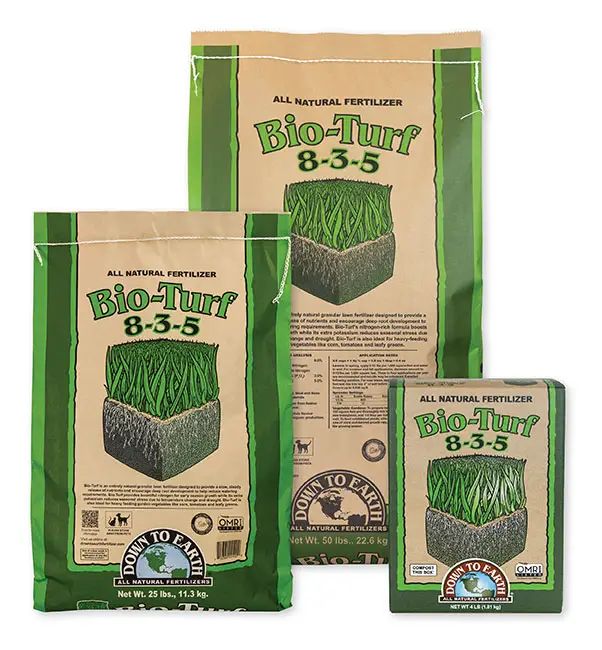
Down to Earth Bio-Turf is an all-natural 8-3-5 organic fertilizer, OMRI listed for use in organic production. It helps encourage deep root development to support greener, stronger growth while reducing watering needs and stress from heat or drought. Ideal for lawns, landscape ornamentals, and heavy-feeding garden vegetables and flowerbeds.
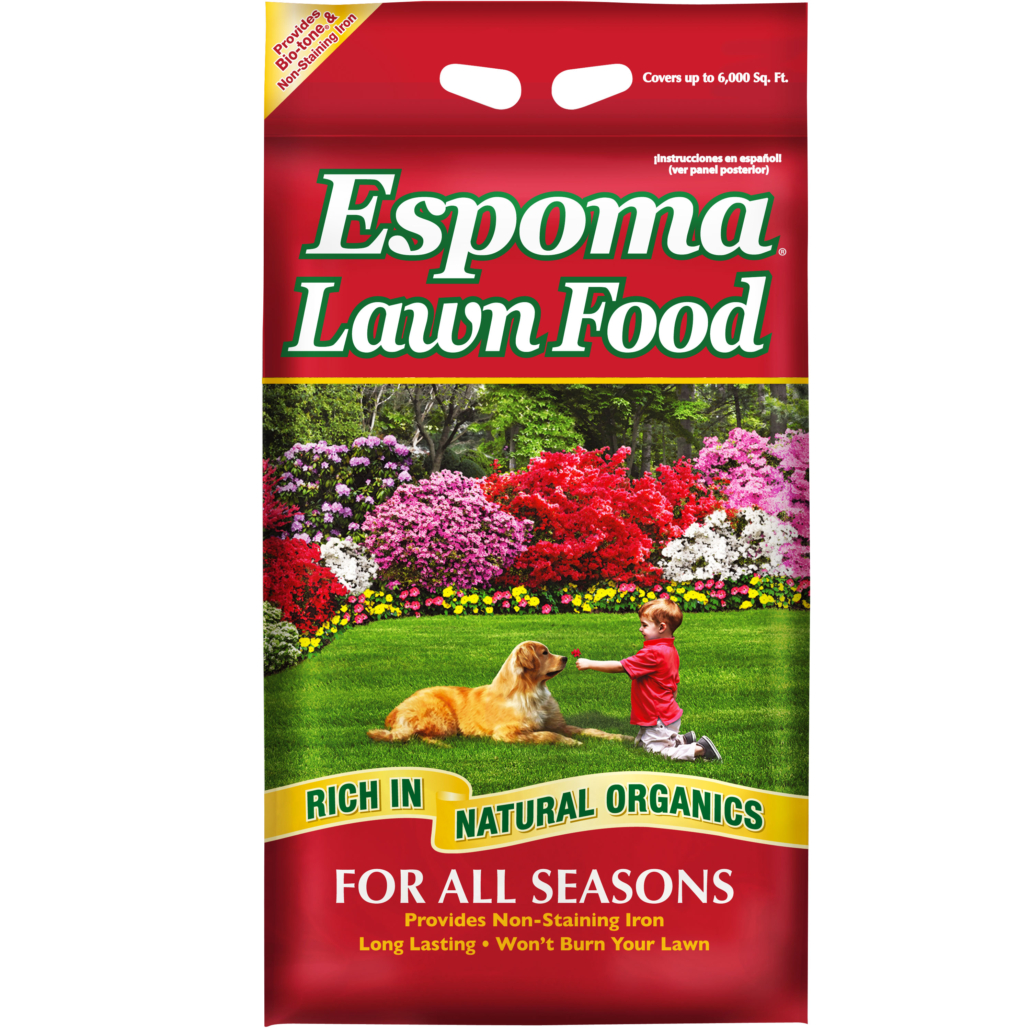
Espoma Lawn Food for All Seasons 15-0-5 provides slow-release, long-lasting nitrogen to help support a greener lawn year-round. Enhanced with iron for deep green color, it helps turn yellow lawns back to green and won’t stain concrete, sidewalks, or driveways. Safe for cool and warm season grasses, it applies in spring, summer, and fall with a drop or broadcast spreader.
Espoma Organic Lawn Soil is an all-natural organic soil mix designed to promote seed germination and help new sod establish. It contains earthworm castings, alfalfa meal, kelp meal, and feather meal, enhanced with Espoma MYCO-TONE, a blend of endo and ecto mycorrhizae fungi. Use it anytime you sow new grass seed or install sod for organic gardening results with no synthetic plant foods or chemicals.
Color Problems
Yellow grass. Yellowing is the most common lawn complaint and has the widest range of possible causes: nitrogen deficiency, iron chlorosis, drought stress, overwatering, disease, and pet urine damage can all produce yellowing. The pattern of discoloration, uniform, patchy, striped, or circular, is the primary diagnostic clue. Our why is my grass turning yellow guide walks through each cause and its corresponding fix.
Burnt or brown grass. Brown grass that does not recover with watering is usually the result of one of three causes: heat and drought stress, fertilizer burn from over-application, or chemical damage from herbicide drift or concentrated product contact. If the brown color appeared shortly after a fertilizer or weed control application, our how to fix burnt grass guide covers the recovery process for chemical and fertilizer burn specifically.
Persistently dull or thin grass. A lawn that looks pale, thin, or slow to green up despite watering and fertilizing is often dealing with a combination of compaction, thatch, and underlying soil health issues rather than a simple nutrient shortage. Our how to make grass green guide covers both the quick surface fixes and the longer-term soil-level interventions that produce lasting improvement.
Fungal and Disease Problems
Mushrooms. Lawn mushrooms are the fruiting bodies of soil fungi feeding on buried organic matter, decomposing tree roots, old lumber, or buried construction debris. They are a symptom of underground decomposition, not a surface-level disease. Our mushrooms in the lawn guide covers why mushrooms appear, how fairy rings form, and what can and cannot be done about them.
Fungal disease. Brown patch, dollar spot, red thread, pythium blight, and gray leaf spot are the fungal diseases most commonly encountered in residential lawns. Each has a distinct visual pattern and a specific set of environmental conditions that favor it. Our common lawn fungal diseases guide covers identification and treatment for the most prevalent species.
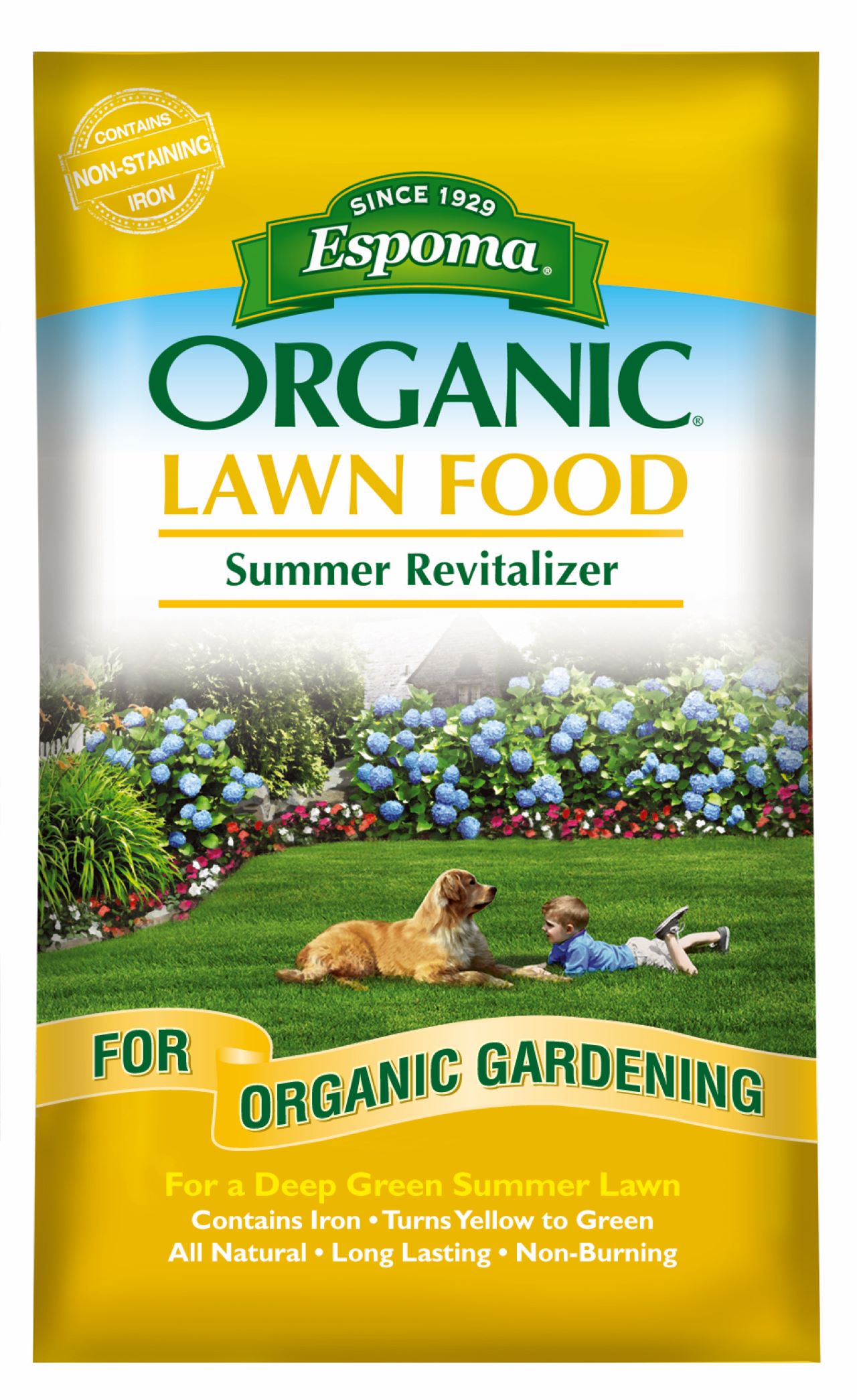
Espoma Organic Lawn Food Summer Revitalizer 8-0-0 delivers long-lasting organic nitrogen to help invigorate lawns during hot weather while adding iron for deep, greener color. Designed for all lawn types and cool- or warm-season grasses, it helps turn yellow lawns back to green without burning or leaching out of soil. Environmentally safe with no sludges or toxic ingredients, it won’t stain concrete, sidewalks, or driveways and is approved as a registered organic input material.
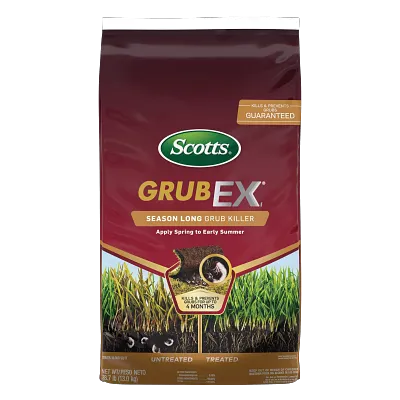
Scotts GrubEx1 is a season-long grub killer that keeps protecting your lawn from grubs and damage for up to 4 months with a single application. It helps stop grubs before they cause brown patches and harm grass roots, keeping your turf healthier. Apply in spring or early summer when grubs are developing for best results.
Pest Problems
Small holes in the lawn. Small holes appearing overnight are one of the most frequently searched lawn problems and are almost always caused by one of a small number of animals: moles, voles, earthworms, wasps or bees, or squirrels. The hole size, shape, and distribution pattern are the key diagnostic clues. Our small holes in the lawn guide identifies each cause and recommends the appropriate response.
Moles. Mole damage produces raised ridges and tunnel mounds across the lawn surface and is more severe than simple hole formation. Moles are insectivores feeding on grubs and earthworms, not on grass roots, which means mole control is most effective when addressed through grub management rather than direct mole removal alone. Our how to get rid of moles guide covers the full range of control options.
Lawn grubs. White grubs are the larval stage of several beetle species, including Japanese beetles, June bugs, and masked chafers. They feed on grass roots and cause irregular dead patches that pull up from the soil like loose carpet. Our lawn grubs guide covers identification, timing of treatment, and product options for grub control.
Moisture and Drainage Problems
Waterlogged lawn. A lawn that stays wet for more than a day or two after rain, develops spongy soft spots, or shows persistent moss growth is dealing with a drainage problem. The cause may be compacted soil, a high water table, clay-heavy soil with low permeability, or a grading issue. Our how to dry up a wet lawn guide covers the range of solutions from aeration and topdressing through to more significant drainage interventions.
Chemical and Pet Damage
Dish soap on lawns. Dish soap is sometimes recommended as a DIY pesticide carrier or as a solution for various lawn problems. Whether it is safe to use on grass depends on concentration, frequency, and grass type. Our dish soap on lawns guide gives an evidence-based answer on what dish soap actually does to turf and when it is and is not appropriate.
Dog urine damage. Dog urine burns appear as small, bright-edged green rings surrounding dead or brown centers, the result of concentrated nitrogen and urea deposited repeatedly in the same area. Baking soda is sometimes recommended as a fix. Our baking soda for dog urine on grass guide evaluates whether it works and what the more effective repair strategies are.
Hub Pages at a Glance
| Guide | What It Covers |
|---|---|
| Lawn Problem Diagnosis | Visual symptom-to-cause mapping for common lawn problems |
| Why Is My Grass Turning Yellow? | Causes of lawn yellowing and the fix for each |
| How to Fix Burnt Grass | Fertilizer burn, chemical burn, and heat damage recovery |
| How to Make Grass Green | Fast fixes and long-term soil improvement for dull lawns |
| Mushrooms in the Lawn | Why mushrooms appear and what to do about them |
| Common Lawn Fungal Diseases | Identification and treatment for brown patch, dollar spot, and more |
| Small Holes in the Lawn | Diagnosing the animal or pest responsible for overnight holes |
| How to Get Rid of Moles | Mole control options from trapping to grub management |
| Lawn Grubs | Grub identification, damage signs, and treatment timing |
| How to Dry Up a Wet Lawn | Drainage solutions for waterlogged and slow-draining yards |
| Dish Soap on Lawns | What dish soap does to grass and when it is safe to use |
| Baking Soda for Dog Urine on Grass | Whether baking soda neutralizes dog urine damage |