
Lawn Problem Diagnosis: A Visual Troubleshooting Guide
The most common reason homeowners apply the wrong treatment to a lawn problem is skipping the diagnosis step. Yellowing grass, for example, can result from nitrogen deficiency, drought stress, overwatering, iron chlorosis, fungal disease, or pet urine damage, and each of these requires a different response. Applying nitrogen to drought-stressed grass causes fertilizer burn. Watering a lawn that is already overwatered makes fungal disease worse. Getting the diagnosis right first saves time, money, and further damage to the lawn.
This guide maps the most common lawn symptoms to their most likely causes using the visual and situational clues that distinguish one problem from another.
How to Use This Guide
Work through the symptom categories below to identify the pattern that most closely matches what you are seeing. For each symptom, the key diagnostic clues are listed alongside the most likely causes ranked by probability. Each cause links to a dedicated guide covering the full diagnosis confirmation and repair process.
The two most important diagnostic questions are: where is the problem occurring (uniform across the lawn, in patches, in a pattern, near edges) and when did it appear (after a recent product application, after heavy rain, gradually over weeks, suddenly overnight)?
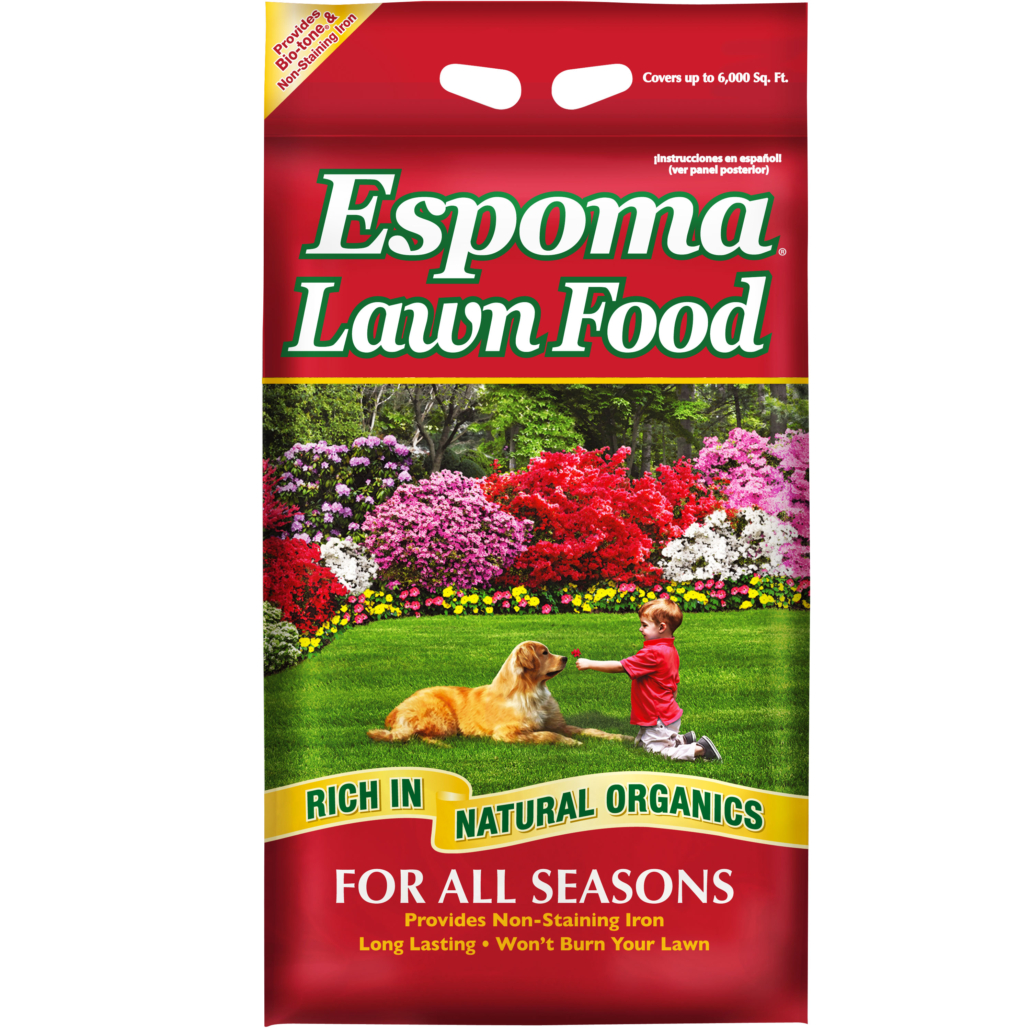
Espoma Lawn Food for All Seasons 15-0-5 provides slow-release, long-lasting nitrogen to help support a greener lawn year-round. Enhanced with iron for deep green color, it helps turn yellow lawns back to green and won’t stain concrete, sidewalks, or driveways. Safe for cool and warm season grasses, it applies in spring, summer, and fall with a drop or broadcast spreader.
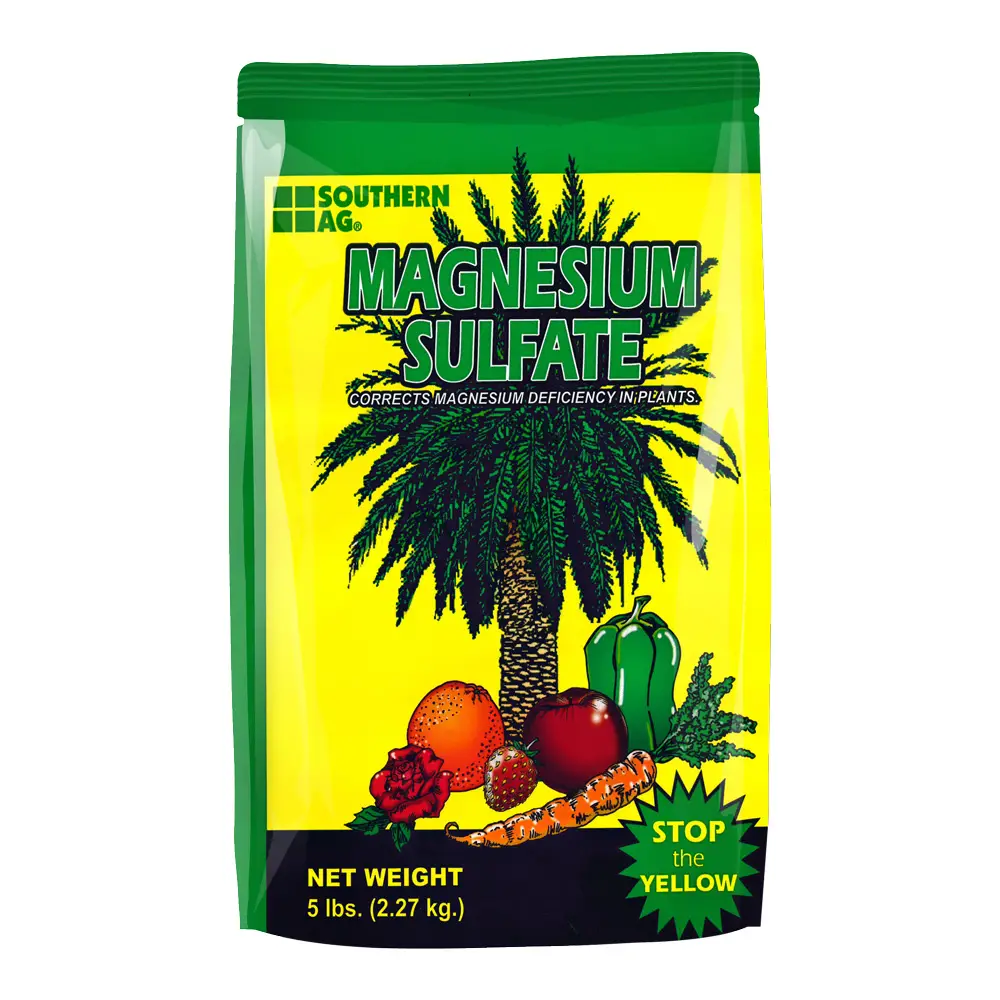
Root 98 Warehouse Southern Ag Magnesium Sulfate is a dry, water-soluble fertilizer for correcting magnesium deficiency in shrubs and trees. It helps acidify soils with less risk of staining and is designed for use on citrus, palms, trees, shrubs, annuals, and turf. Apply by spreading over the treatment area and watering in; do not mix or spray.
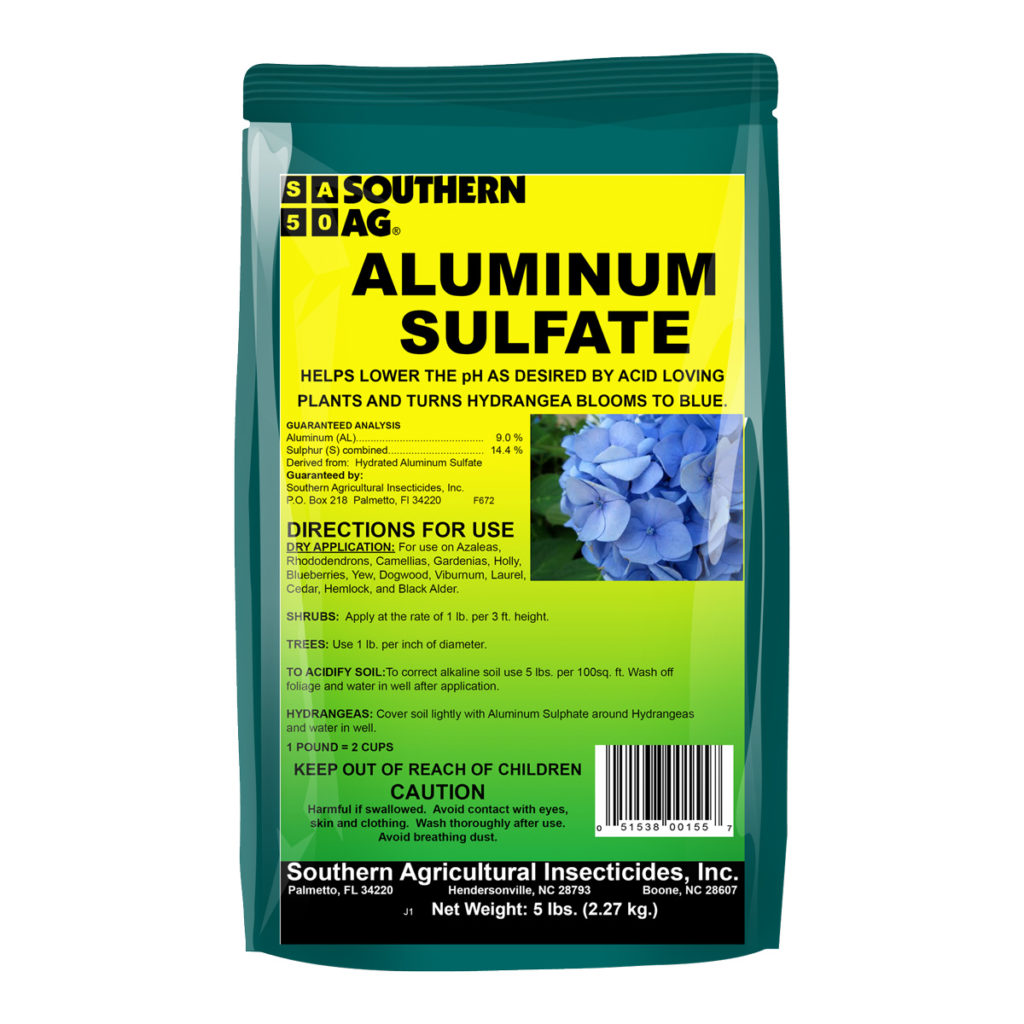
Southern Ag Aluminum Sulfate is a soil acidifier that helps lower pH and corrects high alkalinity, making it ideal for acid-loving plants. It’s great for hydrangeas and other shrubs and trees that prefer acidic conditions, including rhododendrons, blueberries, azaleas, and more. Broadcast evenly and wash off foliage, then water after application.
Symptom Group 1 — Discoloration (Yellow, Pale, or Brown Grass)
Uniform yellowing across the whole lawn
Most likely cause: Nitrogen deficiency. Grass that is uniformly pale green or yellow across the entire surface, with no distinct patches or edges, is typically running low on nitrogen. This is especially common in spring before the first fertilizer application of the season, or in late summer when a lawn has not been fed since spring.
Also possible: Iron chlorosis in alkaline soils (pH above 7.0), where grass is able to absorb nitrogen but cannot access soil iron. Iron chlorosis produces a yellow color with distinctly green veins remaining visible on the blade, this is the most reliable diagnostic clue to distinguish it from nitrogen deficiency.
Next step: Test soil pH. If pH is above 7.0, iron chelate application will address chlorosis. If pH is in range, apply a balanced nitrogen fertilizer at the label rate. See our lawn fertilizer hub for product guidance.
Yellow or brown patches with green grass surrounding them
Most likely cause: Fungal disease. Brown patch, dollar spot, and other fungal diseases characteristically produce discrete circular or irregular patches that are distinct from the surrounding healthy grass. Brown patch produces tan-to-brown rings 6 inches to several feet in diameter. Dollar spot produces silver-dollar-sized spots. Red thread produces pinkish-red thread-like mycelium visible in the affected patch.
Also possible: Grub damage, patches of dead grass that pull up easily from the soil like loose carpet, with white C-shaped larvae visible underneath when the sod is lifted. Also possible: fertilizer burn, sharply defined brown patches that appeared immediately after a fertilizer application, typically where the spreader overlapped or product was spilled.
Also possible: Dog urine spots, small circular brown patches with a ring of brighter-than-normal green grass at the outer edge.
Next step: Lift the sod at the edge of the patch and look underneath. If you see grubs, follow the lawn grubs guide. If no grubs are present, examine the surface for fungal mycelium and follow the fungal disease guide. If the patch appeared immediately after fertilizing, follow the burnt grass guide.
Streaked or striped yellowing
Most likely cause: Spreader calibration error. Streaked or banded discoloration that follows straight lines across the lawn is almost always the result of uneven fertilizer distribution, either a spreader set too narrow, a calibration error, or skipped rows during application.
Also possible: Herbicide striping from uneven weed control application. If you recently applied a selective herbicide and the stripes appeared shortly after, the herbicide may have damaged desirable grass where it was applied too heavily.
Next step: No immediate treatment needed for spreader-caused striping, the grass in unfed strips will catch up after the next balanced fertilizer application. For herbicide damage, follow the burnt grass guide.
Brown grass that does not recover with watering
Most likely cause: Heat and drought dormancy (if occurring in midsummer and the lawn has not been irrigated), or crown death from prolonged drought stress (if the lawn has gone without water for 4 to 6 weeks in high heat).
Also possible: Chemical burn from herbicide drift, concentrated product contact, or gasoline or fuel spill. Chemical burn produces sharply defined dead zones that do not respond to watering.
Next step: Attempt to recover with deep watering over 2 to 3 weeks. If no green regrowth emerges from the crown zone, the grass in that area has died and will require overseeding or sodding. See our burnt grass guide for recovery steps by damage type.
Symptom Group 2 — Surface Disturbance (Holes, Mounds, Ridges)
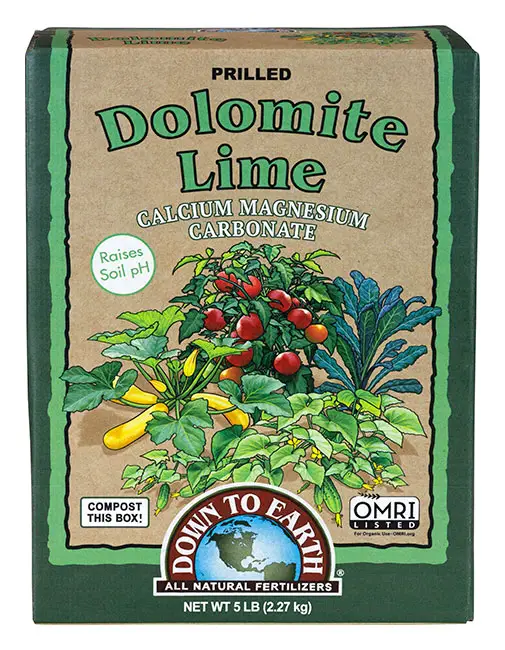
Down To Earth Organic Prilled Dolomite Lime helps raise acidic soil pH for better nutrient uptake and healthier vegetable gardens. Its rich calcium and magnesium support strong cell walls, root growth, and overall plant performance. OMRI listed for organic use, the prilled granules spread easily and act quickly while improving soil structure and microbial activity.
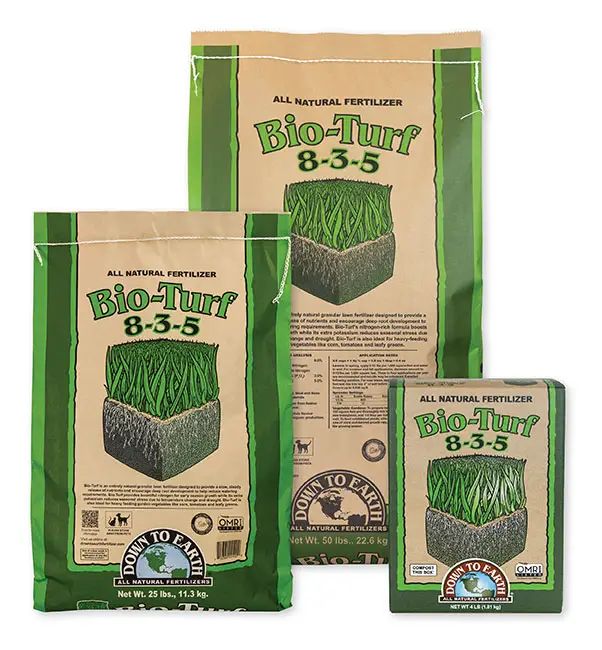
Down to Earth Bio-Turf is an all-natural 8-3-5 organic fertilizer, OMRI listed for use in organic production. It helps encourage deep root development to support greener, stronger growth while reducing watering needs and stress from heat or drought. Ideal for lawns, landscape ornamentals, and heavy-feeding garden vegetables and flowerbeds.
Small round holes in the lawn, appearing overnight
Most likely cause: Ground-feeding birds foraging for earthworms, grubs, or insects. Birds create small clean-edged holes, typically half an inch to 1 inch in diameter, scattered across the surface with no consistent pattern.
Also possible: Earthworm casting activity, small mounds of fine soil at hole openings, typically 1 to 2 cm in diameter. Also possible: ground-nesting wasps or yellow jackets, a single clean hole with no mound, often in a dry, sunny area. Also possible: squirrels burying or retrieving nuts, slightly larger, irregular holes with some displaced soil.
Next step: See our small holes in the lawn guide for full identification and the appropriate response for each cause.
Raised ridges or volcano-shaped mounds of soil
Most likely cause: Moles. Mole activity produces two distinct surface signs: raised ridges 2 to 3 inches above grade (surface tunnels used for hunting) and conical mounds of excavated soil (molehills produced when moles dig deeper permanent tunnels).
Also possible: Voles — voles create surface runways (flattened grass paths) rather than raised ridges, and create small entrance holes at regular intervals along the runway.
Next step: See our how to get rid of moles guide.
Symptom Group 3 — Fungal Growth (Mushrooms, Rings, Mycelium)
Mushrooms appearing in a cluster or in a circular ring pattern
Most likely cause: Soil fungi feeding on buried organic matter, decomposing tree roots, old stumps, buried lumber, or wood chips incorporated into the soil. Circular rings of mushrooms (fairy rings) form as the fungal colony expands outward from a central point.
Next step: See our mushrooms in the lawn guide.
Symptom Group 4 — Drainage and Moisture Issues
Lawn stays wet for more than 48 hours after rain, or has persistently soft or spongy areas
Most likely cause: Compacted or clay-heavy soil with low permeability, a drainage grade issue that directs water toward a low point in the lawn, or a water table that rises near the surface after significant rainfall.
Next step: See our how to dry up a wet lawn guide.
Symptom Group 5 — Pet and Chemical Damage
Small circular dead patches with a ring of abnormally green grass at the edge
Most likely cause: Dog urine. The brown center results from the high nitrogen concentration of urine burning the grass at the point of contact. The green ring at the edge results from diluted nitrogen at the periphery acting as a fertilizer boost.
Next step: See our baking soda for dog urine on grass guide for repair options.
When the Problem Is Not Obvious
Some lawn decline is gradual and does not present with a single clear symptom. A lawn that has been thinning slowly over one to two seasons, looking progressively less dense and green despite normal care, is usually dealing with one or more of the following: thatch accumulation blocking nutrient exchange, soil compaction restricting root development, or a soil pH shift outside the productive range (6.0 to 7.0 for most grasses).
These root-zone problems require a soil test to diagnose accurately. A soil test measures pH, nutrient levels, and organic matter content and produces specific amendment recommendations. County cooperative extension offices and many online soil labs offer residential soil testing for under $30. Once test results are in hand, the corrections, lime for low pH, sulfur for high pH, specific nutrient amendments as indicated, can be targeted precisely rather than guessed at.
Soil-level corrections and the fertilization program that follows are covered in our lawn fertilizer hub.