
How to Get Rid of Mushrooms in the Lawn
Lawn mushrooms are not a lawn disease and they are not an indicator of poor turf health. They are the fruiting bodies of soil-dwelling fungi that have established a mycelial network underground, and the mushrooms themselves appear above ground only briefly, usually after rain, when the colony releases spores. The real issue is what the fungal colony is feeding on below ground, and that determines whether mushrooms are a temporary annoyance or a recurring problem that requires more substantial intervention.
Why Mushrooms Appear in Lawns
Soil fungi decompose organic matter. When a significant buried organic source is present, decomposing tree roots, an old stump, buried lumber or wood chips incorporated during construction, or a dense layer of thatch, the fungal colony feeding on it grows large enough to produce visible fruiting bodies at the surface. The mushrooms appear most reliably after rain, which provides the moisture the fungal colony needs to send up spore-producing structures.
The most common organic sources that fuel persistent lawn mushroom problems are:
Old tree roots. When a tree is removed and the stump is cut close to ground level, the root system below the surface continues to decompose for years. The decomposing root network is a large and sustained food source for soil fungi. This is the most common cause of persistent and recurring lawn mushroom problems.
Buried construction debris. Homes built on lots where lumber scraps, wood forms, or organic fill were buried during construction can develop persistent mushroom problems years later as the buried material decomposes.
Thatch accumulation. A heavy thatch layer provides significant organic material for fungal colonization. Reducing thatch through dethatching reduces the fungal food source over time.
Dog waste. Decomposing organic material from pet waste deposited in consistent areas can support local fungal growth.
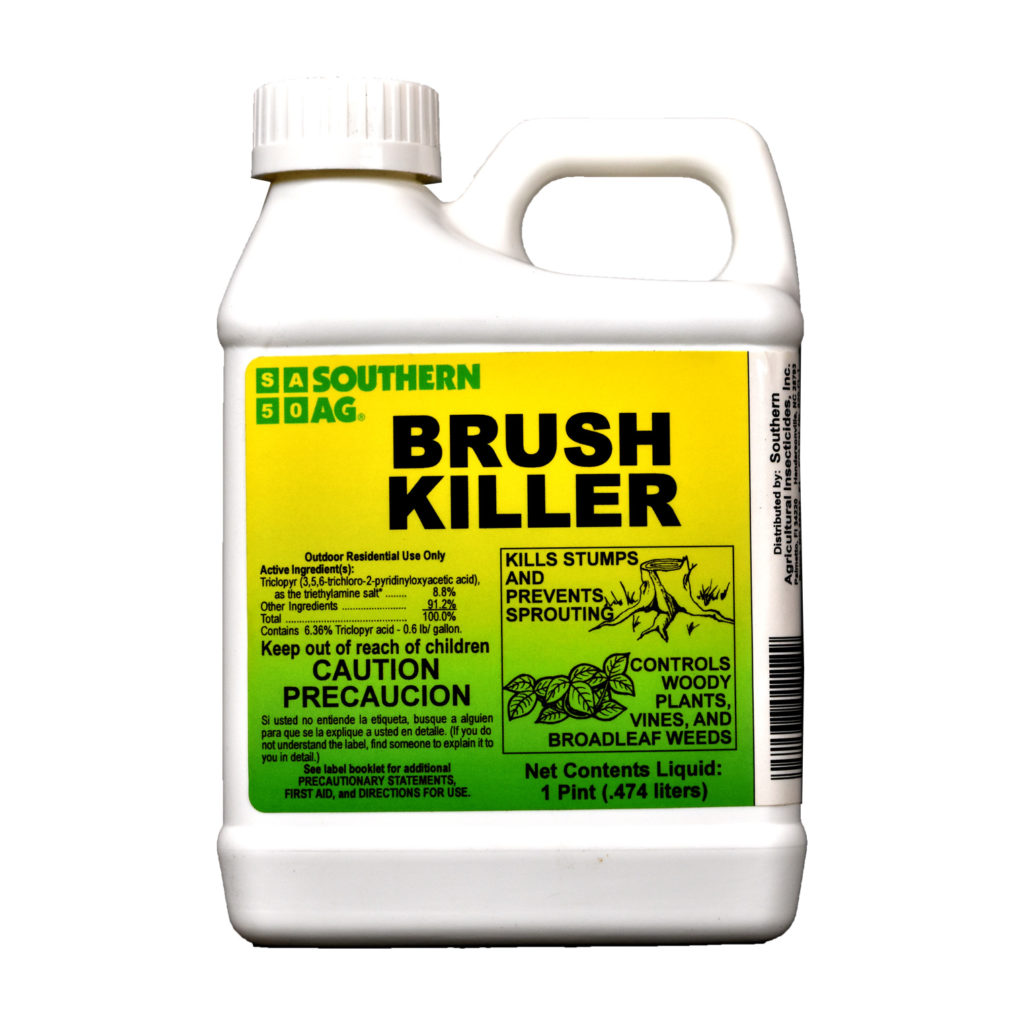
Southern Ag Brush Killer with 8.8% triclopyr helps kill tough vines and hard-to-control brush, including stump sprout prevention. It works as a full-volume foliage spray for vines, shoots, stems, and bark, and can also be used for undiluted stump treatment on freshly cut stumps. Ideal for non-crop areas like road right-of-ways, rangeland, pastures, and fence rows.
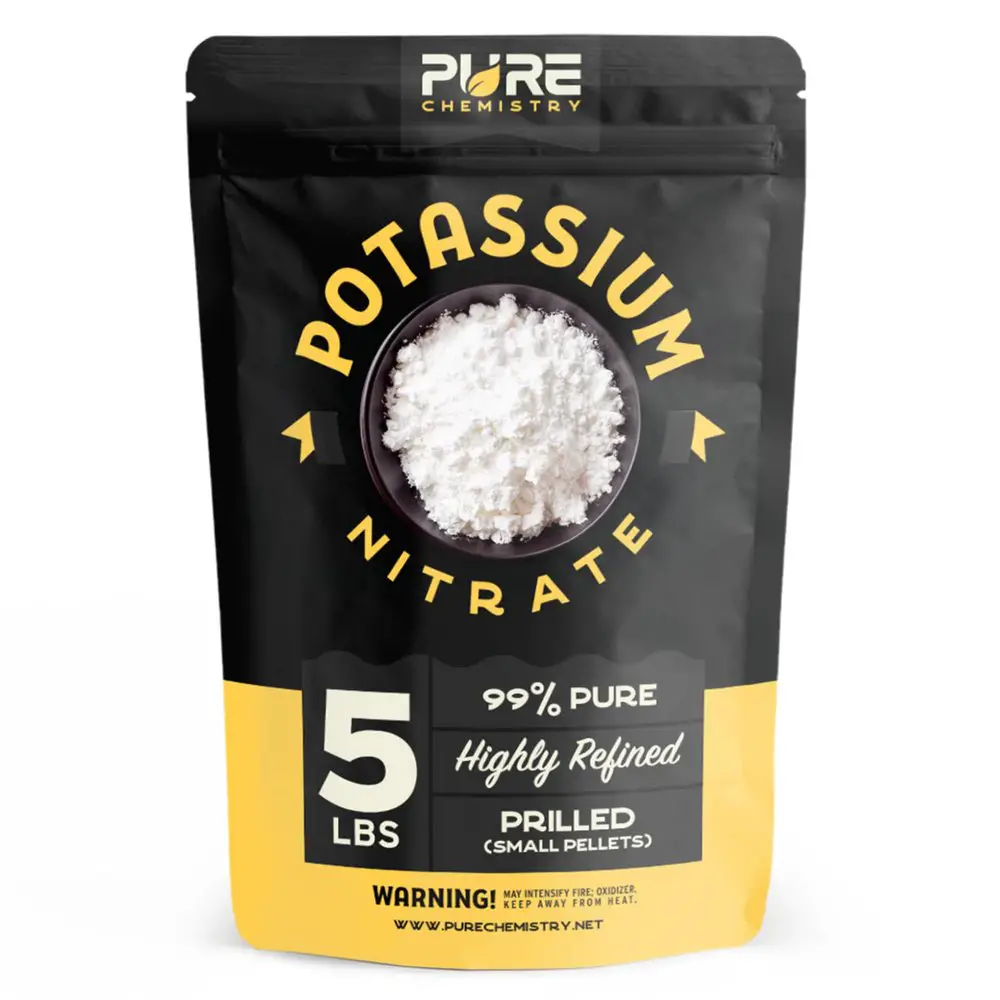
Ecoxall 99% pure potassium nitrate pellets support strong plant growth for fruits, vegetables, flowers, lawns, and ornamentals in indoor or outdoor settings. The industrial-grade prilled pellets provide controlled distribution while doubling as a practical tree stump remover that helps break down wood matter. With use across horticulture and industrial applications, this versatile compound delivers nitrogen and potassium benefits for healthy root development and plant vitality.
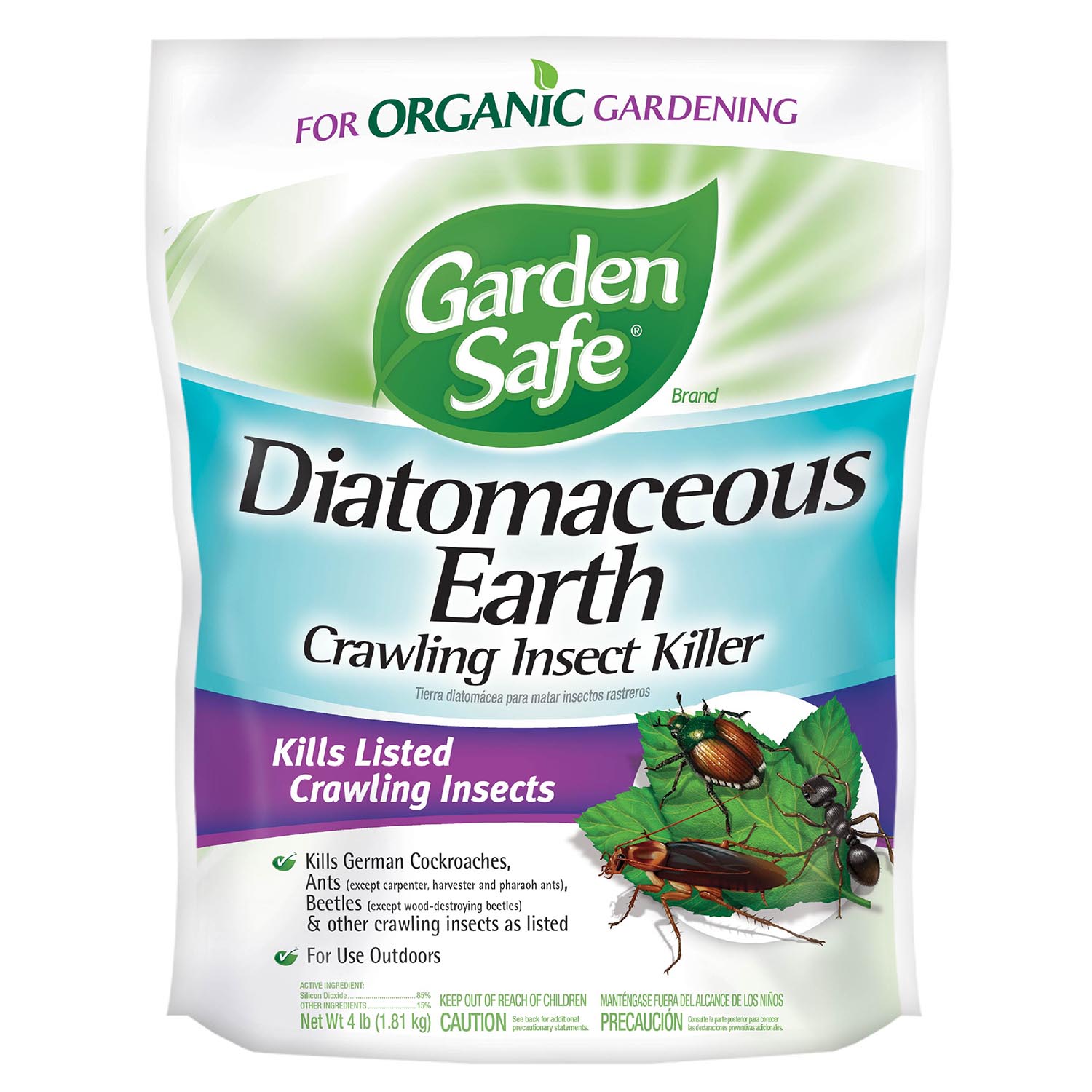
Garden Safe diatomaceous earth-based crawling insect killer provides organic, long-lasting control for listed pests. It kills German cockroaches, ants, beetles, fleas, mealybugs, and other crawling insects by contact by coating their exoskeletons and drying them out. Apply a thin powdery layer outdoors on plants and surrounding soil, and use indoors for crawling insect control as directed.
What Fairy Rings Are
Fairy rings are circular or arc-shaped patterns of mushrooms that form when a fungal colony expands outward from a central point at a consistent rate. As the colony grows, the inner zone becomes depleted of organic food source and the active feeding zone moves progressively outward, producing the expanding ring pattern at the surface.
Fairy rings often produce one of two distinct effects on the grass above the fungal zone. In the most common type, the grass above the active feeding zone turns darker green and grows more vigorously, the fungal decomposition releases nitrogen and other nutrients that feed the turf above. In a less common but more damaging type, the dense mycelium in the soil creates a water-repellent layer (hydrophobic soil) that prevents rainfall and irrigation from reaching grass roots, causing the grass above the ring to thin, yellow, or die in a band.
What You Can and Cannot Do
Removing the mushrooms themselves
Knocking or mowing off the mushroom caps is cosmetically effective but does not address the underground colony. The same colony will continue to produce mushrooms whenever moisture and temperature are suitable. Remove caps as they appear if aesthetics are the primary concern. Dispose of them in a bag rather than leaving them on the surface, where they will release spores that can spread the colony.
Mushrooms disappear on their own within a few days of appearing, particularly as the weather dries out. They do not need to be removed to prevent them from spreading significantly, fungal colony expansion is driven by underground mycelium growth, not by surface spore landing.
Fungicide applications
Fungicide applications to the soil surface are largely ineffective against the types of basidiomycete fungi that cause lawn mushrooms and fairy rings. The fungal mycelium is deep in the soil and protected from surface-applied products. Professional-grade soil injection fungicides can reduce fairy ring activity but are not available for residential purchase and are rarely worth the cost for typical homeowner situations.
Removing the organic source
The most effective long-term solution is removing the organic material the fungal colony is feeding on. For old tree root systems, this means stump grinding below grade, not just at soil level, to reduce the volume of decomposing wood in the soil. This approach eliminates the food source and the colony eventually starves out, though it may take several years.
For buried construction debris, excavating and removing the material eliminates the food source but is disruptive and expensive in an established lawn.
Improving drainage
Fairy rings and mushroom growth are most severe in moist conditions. Improving drainage through core aeration, dethatching to reduce thatch moisture retention, and ensuring proper surface grade reduces the moisture conditions that favor fungal fruiting. This does not eliminate the colony but reduces the frequency and severity of visible mushroom production.
For the water-repellent fairy ring type
If the grass above the fairy ring is dying or yellowing in a band pattern, the dense hydrophobic mycelium layer is blocking water infiltration. Treat by aerating the ring zone aggressively with a solid-tine or core aerator to break up the mycelial mat. Apply a non-ionic surfactant (wetting agent) to the affected zone to improve water penetration through the hydrophobic soil. Water deeply after treatment to re-wet the soil profile below the mycelial layer.
Safety: Are Lawn Mushrooms Toxic?
Many lawn mushrooms are the fruiting bodies of species that can be toxic or mildly toxic if consumed. Never attempt to eat lawn mushrooms unless you are an experienced mycologist who has positively identified the species. If children or pets use the lawn, remove mushroom caps promptly to prevent accidental consumption.
Touching mushrooms does not cause harm in the vast majority of cases. Handling ordinary lawn mushrooms and then washing hands is safe for adults and older children.
When to Call a Professional
Most lawn mushroom situations are manageable with the approaches above. Consider calling a lawn care professional if the fairy ring is damaging the turf above it and growing progressively larger each year, if the affected area covers more than 20 to 30 square feet, or if the organic source (such as a large root system) is too extensive to remove practically.