
Small Holes Appearing in the Lawn Overnight: Causes and Fixes
Small holes appearing in the lawn after dark are one of the most searched lawn care problems, and the cause is almost always one of a small number of animals or insects. The identity of the culprit can usually be determined from the size, shape, depth, and distribution pattern of the holes, along with whether there is any excavated soil around the opening and whether the surrounding grass is undisturbed or disturbed.
The correct response varies substantially between causes: some require no action at all, others need a simple deterrent, and a few indicate a pest problem that warrants treatment.
Diagnostic Key: What Your Holes Look Like
Use the descriptions below to narrow down the cause before taking any action.
| Hole size | Soil mound present? | Depth | Most likely cause |
|---|---|---|---|
| 0.5–1 inch, clean edge | No | Shallow, 1–2 inches | Birds foraging for insects |
| 0.5–1 cm, small granule mound | Small granule pile | Very shallow | Earthworm casting activity |
| 0.5 inch, perfectly round | No | 6+ inches deep | Ground-nesting bee or wasp |
| 1–3 inches, irregular | Some displaced soil | 2–4 inches | Squirrels burying or retrieving |
| 2–3 inches, raised tunnel ridges nearby | Volcano mound nearby | Connected to tunnel system | Moles |
| Multiple small holes in a line or grid | No | Shallow | Voles (surface runway entry points) |
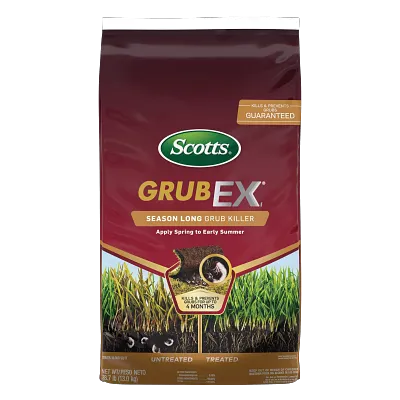
Scotts GrubEx1 is a season-long grub killer that keeps protecting your lawn from grubs and damage for up to 4 months with a single application. It helps stop grubs before they cause brown patches and harm grass roots, keeping your turf healthier. Apply in spring or early summer when grubs are developing for best results.
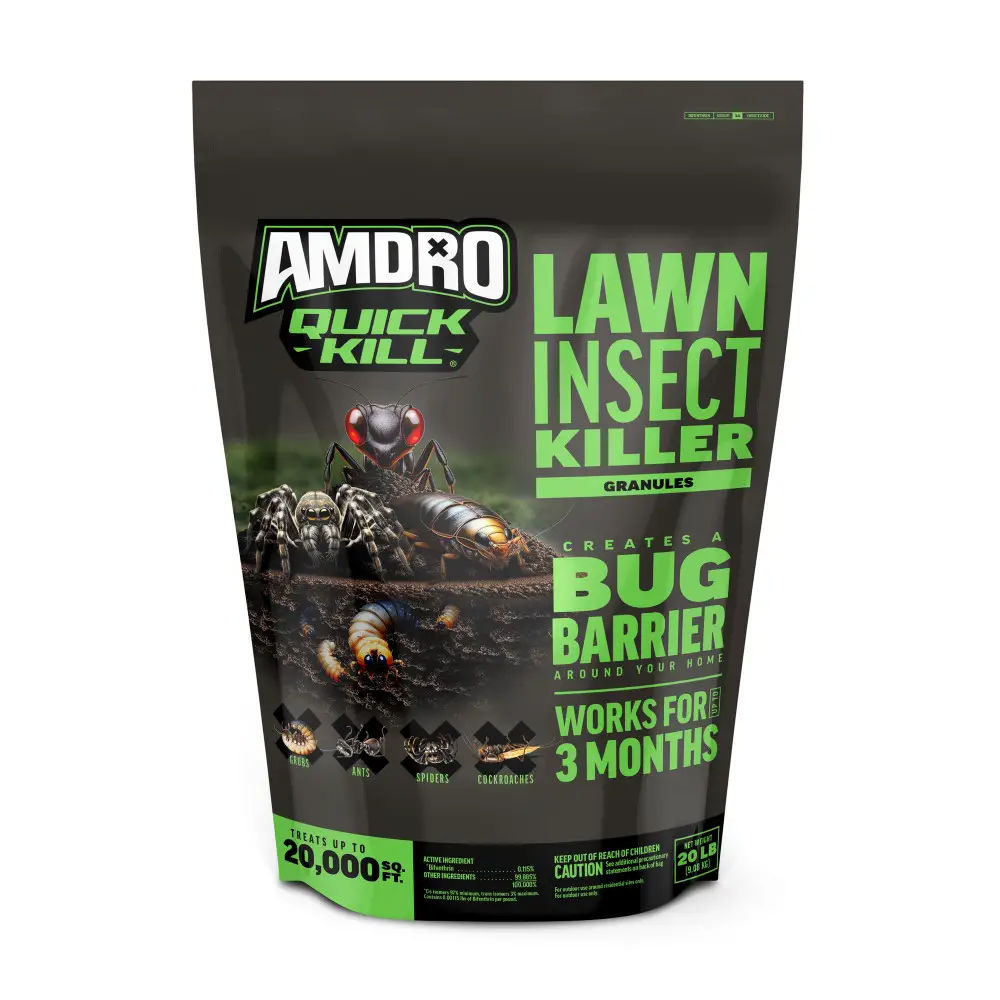
Amdro Quick Kill Lawn Insect Killer Granules protect your yard from listed pests for up to 3 months. Spread the granules uniformly and water them in to kill insects on contact, including grubs and mole crickets below the surface and common surface pests like ants, spiders, fleas, and ticks. The soil-penetrating formula helps create a bug barrier around your home and won’t harm lawns, flower gardens, trees, or shrubs when used as directed.
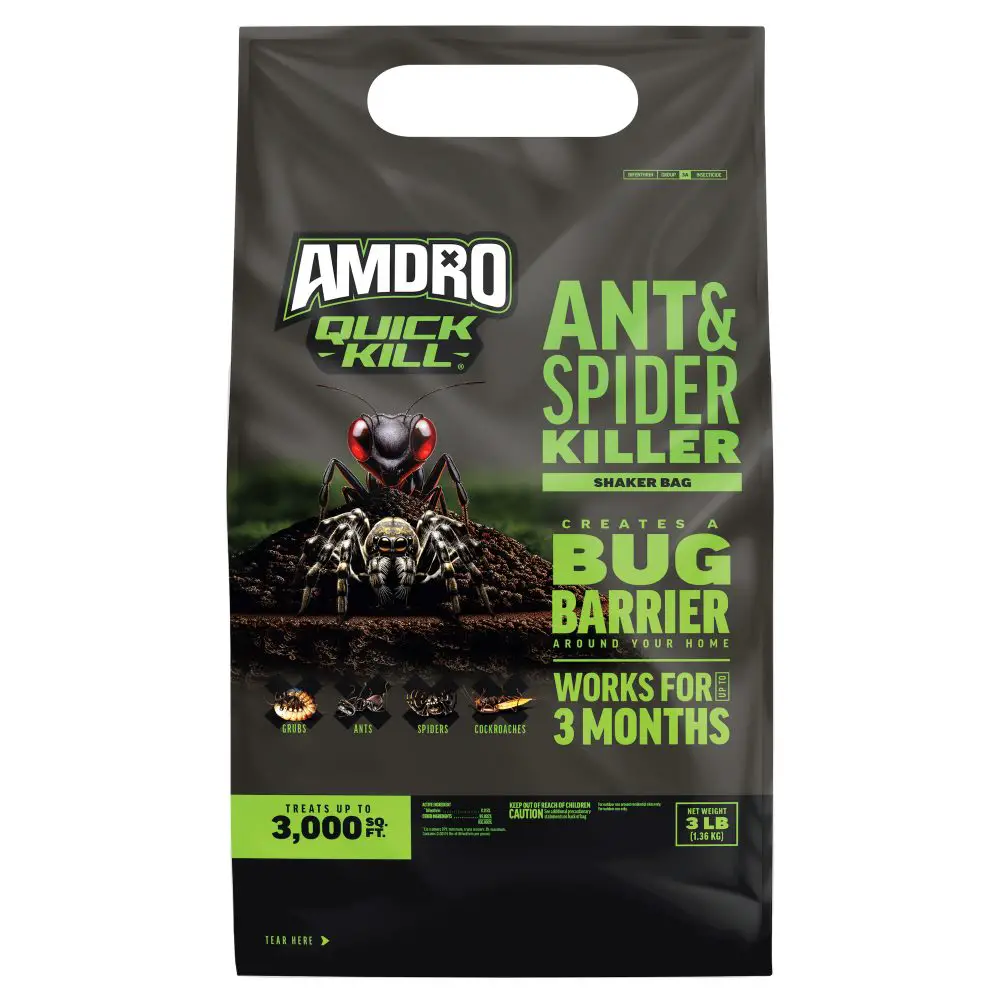
Amdro Quick Kill Ant & Spider Killer granules come ready to spread and help create a bug barrier around your home. The soil-penetrating formula kills listed insects by contact and works for up to 3 months, targeting lawn-damaging pests like grubs and mole crickets as well as surface pests such as ants and spiders. Simply apply evenly with the shaker bag, then lightly water the treated area to help control up to 100 listed insects and cover up to 3,000 square feet.
Cause 1: Birds Foraging for Grubs or Earthworms
Bird foraging is the most common cause of multiple small holes appearing across a lawn. Starlings, robins, blackbirds, and crows probe the soil with their beaks to reach earthworms, leatherjackets (crane fly larvae), or grubs feeding near the surface. Each probe creates a small, clean-edged hole typically half an inch to 1 inch in diameter.
Identifying clues: Multiple holes scattered in no clear pattern across the affected area. No excavated soil around the openings. The turf around each hole is intact, the bird inserted its beak and withdrew it cleanly. Activity often concentrated in early morning. The presence of starlings or crows visible on the lawn is a reliable indicator.
What this means: If birds are concentrating on one area of the lawn, a significant population of soil-dwelling larvae is likely present near the surface in that zone. Check the root zone by cutting a 6-inch square plug of sod and examining the top 2 to 3 inches of soil. If you find more than 5 white grubs per square foot, follow the lawn grubs guide for treatment recommendations.
Response: No immediate action needed for the holes themselves, the bird activity causes minimal lawn damage. If a large grub population is confirmed, treating the grubs will reduce bird foraging activity naturally.
Cause 2: Earthworm Casting Activity
Earthworms deposit small mounds of digested soil (castings) at the surface as they move through the soil profile. Each casting deposit is centered on a small hole that marks the worm’s surface exit point.
Identifying clues: Small granular mounds of fine soil, typically 1 to 2 centimeters in diameter, often slightly conical or teardrop-shaped. The mounds are soft and crumble easily. Activity is typically highest after rain or irrigation when worms move toward the surface. Holes are very shallow, the worm did not excavate downward; the casting is pushed up from below.
Response: No action needed. Earthworm activity is a positive indicator of healthy soil biology and is beneficial for lawn health. Worm castings are highly fertile and improve soil structure over time. If excessive casting on the surface is cosmetically undesirable, light rolling or mowing when the castings are dry will disperse them without harming the worms.
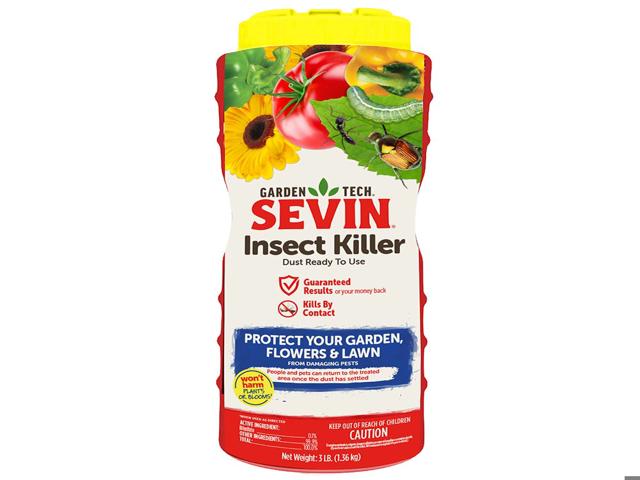
Sevin Insect Killer Dust helps protect flowers and lawn from listed damaging pests with a ready-to-use, shake-and-apply formula. It kills more than 150 insects by contact and creates a protective barrier when applied to leaves, stems, and flowers at the label rate. It won’t harm plants or blooms, and people and pets may return once the dust has settled.
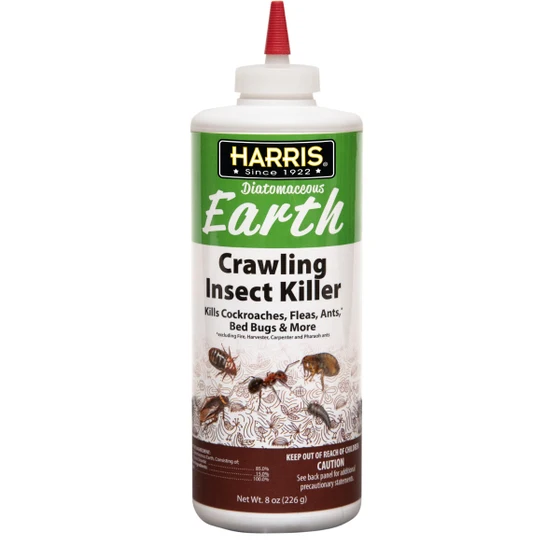
Harris Diatomaceous Earth Crawling Insect Killer is a ready-to-use 100% natural dust that targets crawling pests including ants, roaches, bed bugs, and fleas. Insects that contact or ingest the powder die within 48 hours when applied in cracks, crevices, and other hiding areas. Suitable for indoor and outdoor use with a powder duster included for easy application.
Cause 3: Ground-Nesting Bees or Wasps
Several native solitary bee species and yellow jacket wasps nest in the ground. Solitary bees create single clean-sided holes in well-drained, often sparse or dry lawn areas. Yellow jackets create a single entrance hole that connects to an underground colony.
Identifying clues (solitary bees): A perfectly round hole, typically about half an inch in diameter, in a dry or thinly vegetated part of the lawn. A small pile of excavated soil is often present alongside or around the entrance. The hole goes straight down 6 or more inches. Single holes rather than clusters. Visible bee activity around the entrance during daylight hours.
Identifying clues (yellow jackets): A single entry hole, sometimes with frantic wasp traffic in and out, particularly in late summer and fall. Yellow jackets are defensive and can sting aggressively when their entrance is disturbed.
Response for solitary bees: No action recommended. Native solitary bees are important pollinators and pose essentially no sting risk, they are non-aggressive and only sting if directly handled. Leave the nesting holes undisturbed. Thickening the turf in the affected area over the following season by overseeding will naturally discourage future nesting, as solitary bees prefer sparse ground cover.
Response for yellow jackets: Exercise caution. Do not approach or disturb the entrance hole. If the location poses a safety risk, treat at night (when the colony is inactive) with a labeled wasp nest insecticide directed into the entrance hole, then seal the opening.
Cause 4: Squirrels
Squirrels bury food caches (acorns, nuts, seeds) in lawns in autumn and return to retrieve them throughout winter and spring. Each cache creates a small excavation hole, typically 1 to 3 inches across, with some displaced soil alongside it.
Identifying clues: Holes are irregular in shape, not perfectly round like bee holes. There is usually a small pile of displaced soil at the edge. Holes appear most frequently in autumn (when squirrels are caching) and in late winter to early spring (when they are retrieving). The surrounding grass may be slightly disturbed by digging activity.
Response: Minimal turf damage results from squirrel digging. Press the displaced soil back into the hole and firm it down with your foot. No treatment is needed unless caching activity is very heavy, in which case covering the lawn surface with a lightweight bird netting during the peak caching season (October to November) acts as a deterrent.
Cause 5: Moles
Mole damage is often confused with simple hole formation, but moles create a distinctive pattern of raised ridges (surface feeding tunnels) alongside conical mounds of excavated soil (molehills). The molehills mark where moles have excavated downward to create deeper permanent tunnels.
Identifying clues: Raised, ridge-like swellings in the turf 2 to 3 inches above grade that follow irregular paths across the lawn. Conical mounds of loose soil 6 to 12 inches in diameter alongside the ridges. The entrance holes themselves may be small, but they are connected to a visible tunnel system above ground.
Response: See our how to get rid of moles guide for a full range of control options.
Repairing the Holes
For most hole types above, the holes themselves cause minimal lasting damage. Pressing the soil back in with your foot and firming the turf is sufficient for shallow holes. For slightly larger holes where the turf has been disturbed around the opening, push the displaced soil and sod back into place, water the area, and allow it to re-knit over 1 to 2 weeks. For holes where the grass around the opening has been killed or the surface is bare, apply a small amount of grass seed after pressing the soil firm.