
How to Get Rid of Japanese Beetles
Japanese beetles (Popillia japonica) are a two-stage pest: the adult beetles feed on ornamental plants, vegetables, and fruit crops above ground in summer, and their larvae (white grubs) feed on turfgrass roots below ground from summer through fall. Effective Japanese beetle management addresses both stages in their respective treatment windows, and confusing the two stages by applying a grub killer when adults are feeding, or a foliar insecticide after grubs have already damaged the lawn, is the most common reason homeowner treatments produce disappointing results.
Identifying Japanese Beetles
Adult Japanese beetles are unmistakable once you know what to look for. They are approximately 10 to 12 mm long, with a metallic green head and thorax, copper-colored wing covers (elytra), and a distinctive row of white hair tufts along each side of the abdomen. They feed in groups, aggregating on preferred host plants, and produce an aggregation pheromone that draws more individuals to actively-feeding groups.
They are strong fliers and are most active on warm, sunny days between 9 am and 3 pm, feeding in the upper canopy of host plants. They have a broad host range of over 300 plant species, with strong preferences for roses, grapes, linden trees, crabapples, raspberries, Japanese maples, and many vegetables.
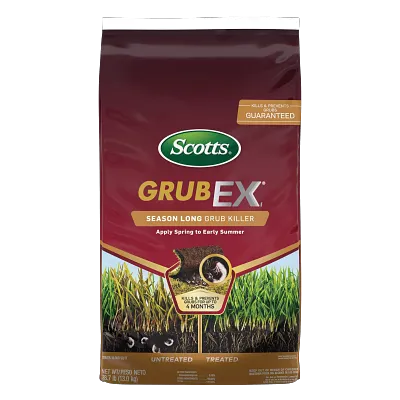
Scotts GrubEx1 is a season-long grub killer that keeps protecting your lawn from grubs and damage for up to 4 months with a single application. It helps stop grubs before they cause brown patches and harm grass roots, keeping your turf healthier. Apply in spring or early summer when grubs are developing for best results.
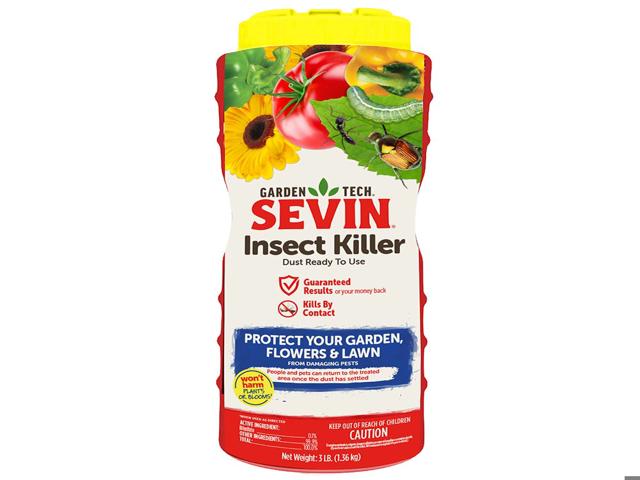
Sevin Insect Killer Dust helps protect flowers and lawn from listed damaging pests with a ready-to-use, shake-and-apply formula. It kills more than 150 insects by contact and creates a protective barrier when applied to leaves, stems, and flowers at the label rate. It won’t harm plants or blooms, and people and pets may return once the dust has settled.
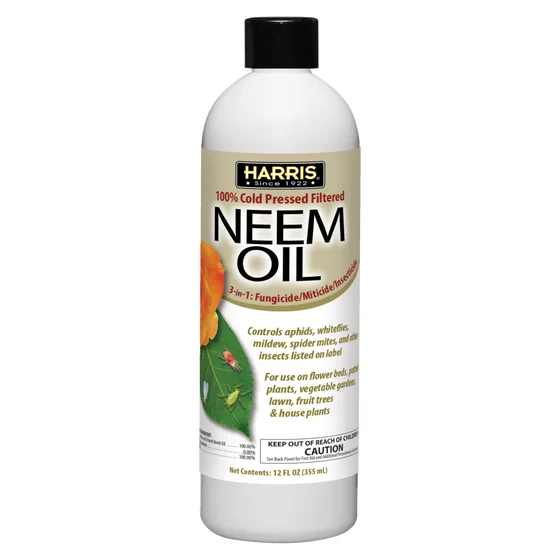
HARRIS Neem Oil Cold Pressed Water Soluble Concentrate is a 3-in-1 insecticide, fungicide, and miticide made from 100% cold pressed neem oil. It is EPA registered to help control aphids, whiteflies, mildew, spider mites, and other label-listed pests and diseases. Safe for indoor and outdoor use, it can be applied to a wide range of flowering and potted plants, vegetable gardens, lawns, ornamentals, fruit trees, and container gardening with foliar or soil treatments.
Adult Beetle Control on Plants
Hand-picking is the most immediately effective control for a small to moderate number of beetles on accessible plants. Drop beetles into a container of soapy water, which kills them by surface tension disruption. Hand-pick in the early morning when beetles are sluggish from cool overnight temperatures. This approach is time-consuming at high population densities but is the safest and most immediate control method for food crops.
Kaolin clay applied as a spray coating on plant foliage creates a white particle film that physically deters beetle feeding and oviposition. It is an OMRI listed organic material approved for food crop use. Kaolin requires thorough coverage and reapplication after rain. It does not kill beetles but deters them from settling on treated plants.
Neem oil applied as a foliar spray is a moderate deterrent and contact insecticide against adult beetles. It is not as fast-acting as synthetic options but is appropriate for food crops in flower or for situations where pollinator protection is the priority.
Pyrethrin provides fast knockdown of adult beetles on contact and degrades rapidly (within one to two days). It is a good option for ornamental plants where quick adult kill is needed, but its non-selectivity means it should not be applied to open flowers where pollinators are active.
Carbaryl (Sevin) and pyrethroid insecticides (bifenthrin, lambda-cyhalothrin) provide fast knockdown with a residual of one to two weeks, making them effective for the extended adult emergence period in July and August. Apply in the early morning to non-flowering plants, and observe pre-harvest intervals on any food crop label before use. The safe and effective use of carbaryl is covered in our Sevin dust guide.
Why Japanese Beetle Traps Make Infestations Worse
Japanese beetle pheromone traps are one of the most widely sold and most counterproductive pest control products available at garden centers. The traps use a combination of floral lure and beetle sex pheromone to attract beetles, and they are highly effective at attracting beetles: studies consistently show that traps attract more beetles than they capture, drawing individuals from a wider area than would otherwise visit the property. Placing a beetle trap in or near the garden increases the number of beetles on adjacent plants rather than reducing them.
Beetle traps have one legitimate use: monitoring population emergence in early July to time treatment decisions. If you use a trap for monitoring, place it well away from any plants you want to protect and away from the property if possible.
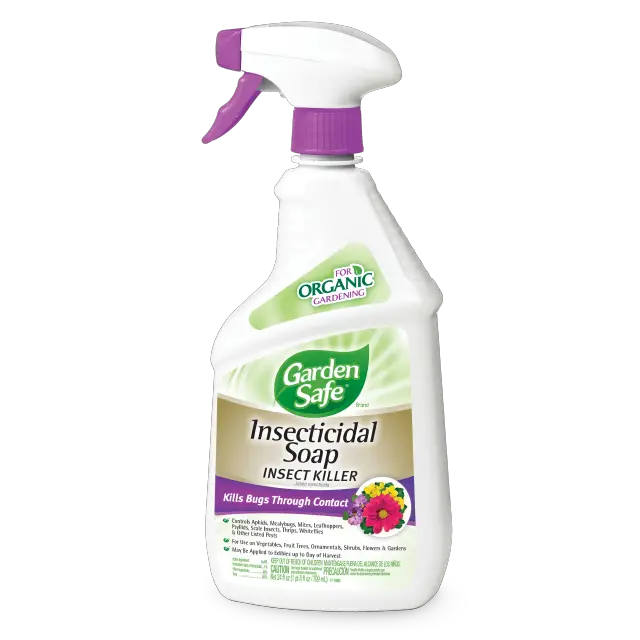
Garden Safe insecticidal soap is a ready-to-use contact spray that kills listed garden pests when sprayed directly on them. It’s formulated for organic gardening and can be used on vegetables, fruit trees, ornamentals, shrubs, flowers, and in indoor, outdoor, and greenhouse applications. For convenience, it may be applied to edibles up to and including the day of harvest.
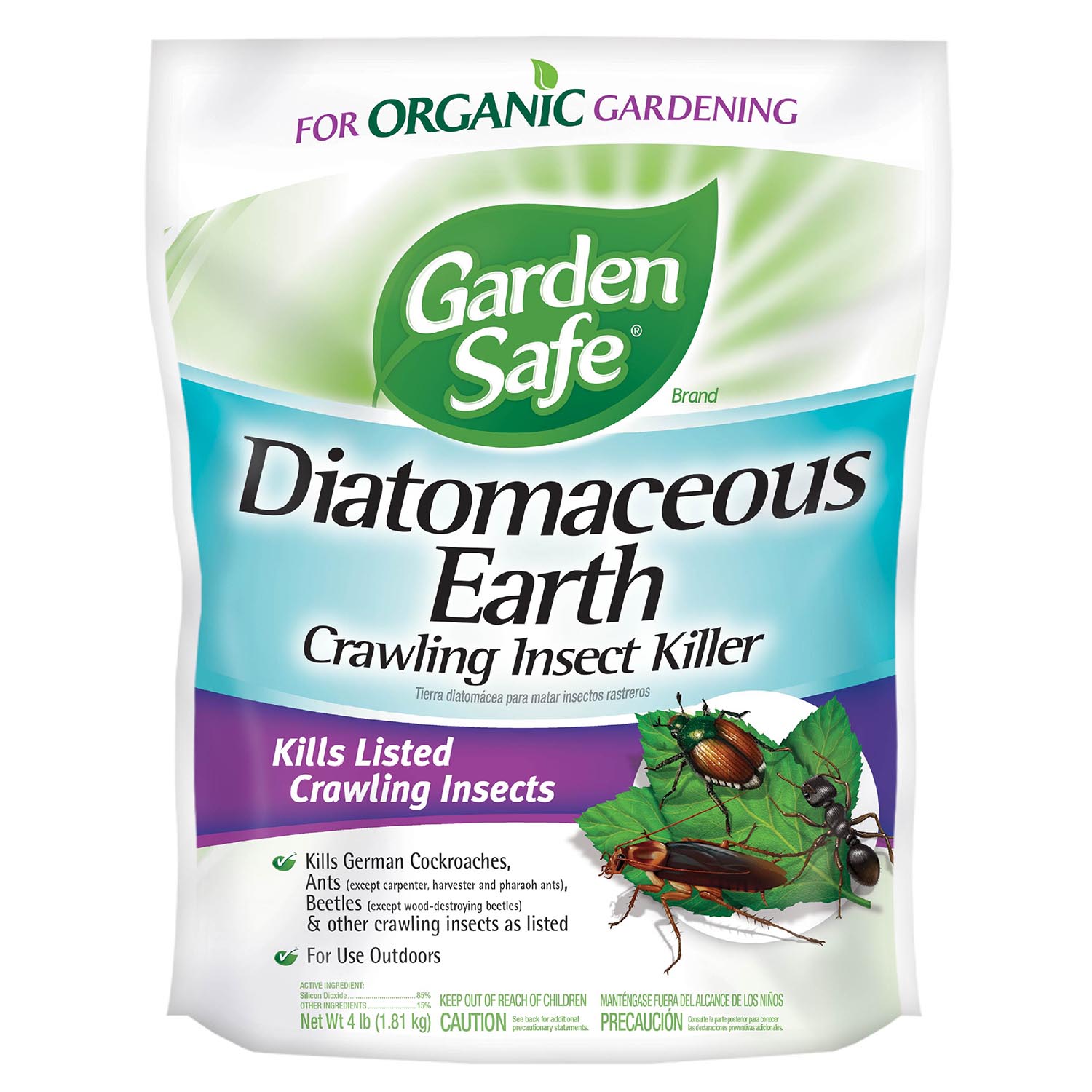
Garden Safe diatomaceous earth-based crawling insect killer provides organic, long-lasting control for listed pests. It kills German cockroaches, ants, beetles, fleas, mealybugs, and other crawling insects by contact by coating their exoskeletons and drying them out. Apply a thin powdery layer outdoors on plants and surrounding soil, and use indoors for crawling insect control as directed.
Grub Control: The Timing Is Everything
The grubs that emerge from Japanese beetle eggs laid in lawn soil in July and August are initially small, near-surface, and highly susceptible to both soil-active insecticides and biological controls. This is the window for the most effective grub treatment. The full treatment timing guide, product choices between preventive and curative options, and the application protocol for both chemical and biological grub control are covered in our grub control guide.
The relationship between grub control and the mole activity that often follows a grub infestation, because moles follow grub populations as a food source, is addressed in our lawn problems guide.