
Companion Planting: Which Vegetables Grow Well Together
Companion planting is the practice of growing different plants in close proximity for mutual benefit. The benefits are real but more nuanced than the folklore around the subject sometimes suggests: some combinations do measurably reduce pest pressure or improve yields, while others are based more on tradition than evidence. This guide focuses on the companion relationships with the strongest practical support.
How Companion Planting Works
Several distinct mechanisms explain why some plant combinations work better than others growing in isolation.
Pest confusion and masking: Strong-scented plants like basil, marigolds, and alliums interfere with the ability of flying pests to locate their target crops by smell. Interplanting carrots with onions, for example, is thought to reduce carrot fly and onion fly pressure because the mixed scents make it harder for each pest to locate its preferred host.
Pest trap cropping: Some plants attract pest insects away from the main crop. Nasturtiums planted at the edge of a brassica bed draw aphids to themselves, keeping aphid populations concentrated where they can be managed or removed without affecting the crop.
Beneficial insect habitat: Flowering plants interplanted in vegetable beds attract predatory and parasitic insects that control pest populations. Dill, fennel, and phacelia are particularly effective at supporting hoverflies, lacewings, and parasitic wasps.
Nitrogen fixation: Legumes including peas, beans, and clover fix atmospheric nitrogen through root nodule bacteria, enriching the soil for neighboring plants that need more nitrogen.
Physical support and shade: Tall crops provide shade that protects low-growing shade-tolerant crops from intense summer sun. Climbing beans grown up corn stalks is the classic example from the Three Sisters system.
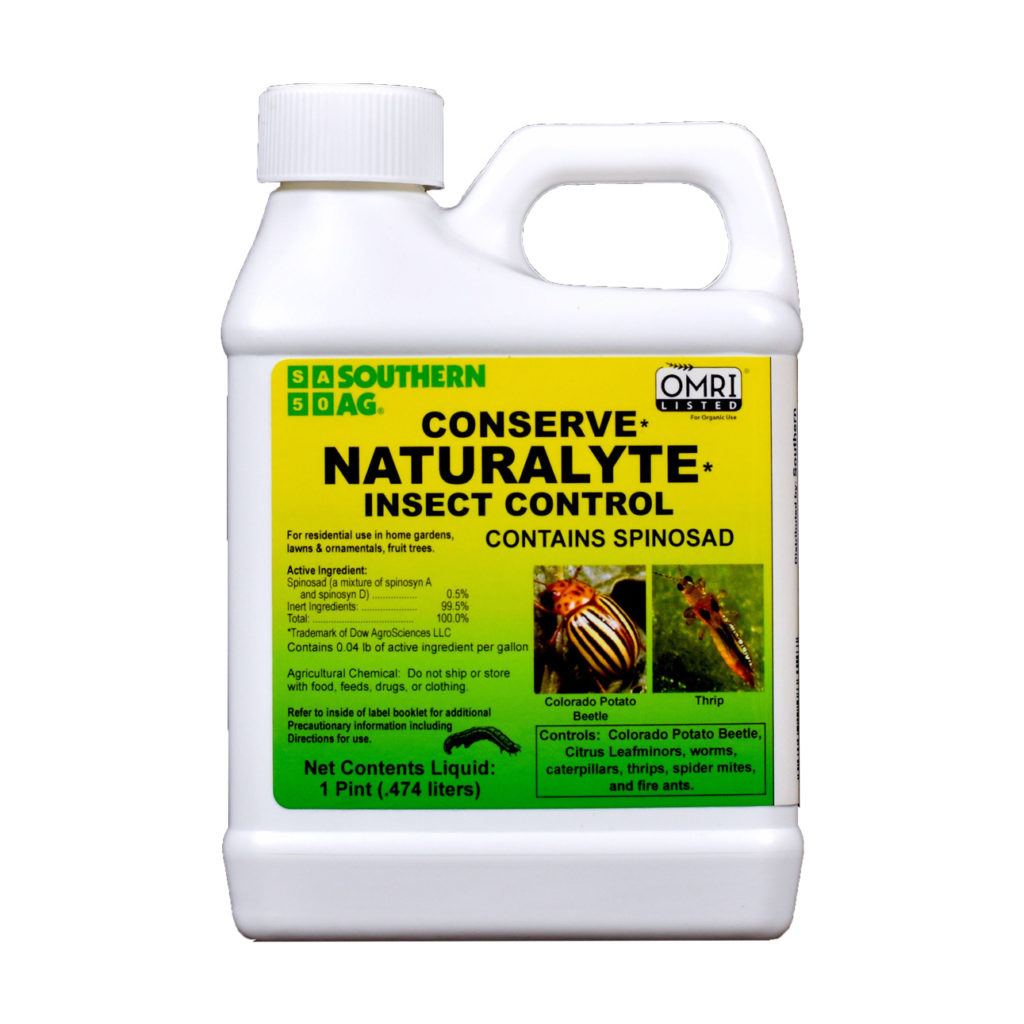
Conserve Naturalyte Insect Control is an OMRI-listed spinosad insect control for use on vegetables, ornamentals, and fruit trees. It helps control a wide range of pests including caterpillars, thrips, leaf miners, beetles, flies, fire ants, and fruit flies. Apply as a thorough cover spray and follow label directions for either spray or drench treatments.
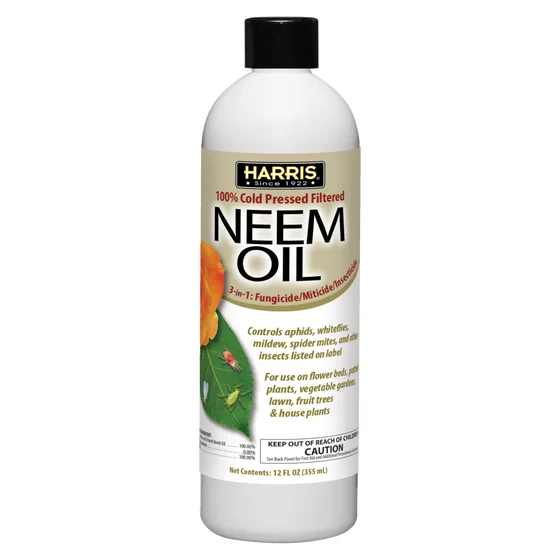
HARRIS Neem Oil Cold Pressed Water Soluble Concentrate is a 3-in-1 insecticide, fungicide, and miticide made from 100% cold pressed neem oil. It is EPA registered to help control aphids, whiteflies, mildew, spider mites, and other label-listed pests and diseases. Safe for indoor and outdoor use, it can be applied to a wide range of flowering and potted plants, vegetable gardens, lawns, ornamentals, fruit trees, and container gardening with foliar or soil treatments.
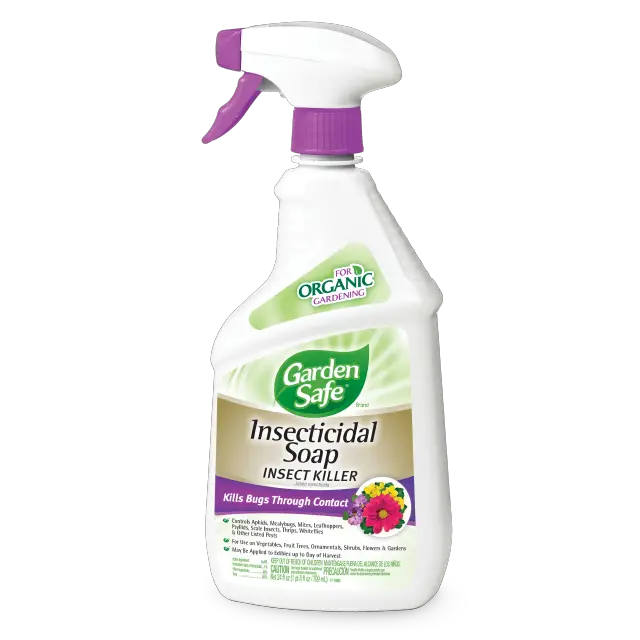
Garden Safe insecticidal soap is a ready-to-use contact spray that kills listed garden pests when sprayed directly on them. It’s formulated for organic gardening and can be used on vegetables, fruit trees, ornamentals, shrubs, flowers, and in indoor, outdoor, and greenhouse applications. For convenience, it may be applied to edibles up to and including the day of harvest.
Proven Companion Combinations
The Three Sisters (corn, beans, squash): This Native American planting system pairs tall corn that provides a climbing support for beans, nitrogen-fixing beans that enrich the soil, and large-leafed squash that shades the ground to suppress weeds and retain moisture. The combination works well as long as spacing is adequate for each crop.
Tomatoes and basil: Widely practiced and consistently reported to produce healthier tomatoes. Basil is thought to repel thrips and possibly aphids, and the companion combination improves air circulation around the base of tomato plants compared to dense mono-plantings.
Carrots and onions: Interplanting these two crops in alternating rows or mixed patches is a traditional method for reducing carrot fly and onion fly pressure, with some experimental support.
Brassicas and nasturtiums: Nasturtiums act as aphid trap crops, drawing blackfly and greenfly away from kale, cabbage, and broccoli. Check nasturtiums regularly and remove heavily infested parts to prevent the aphid population from overwhelming the trap plant and spilling back to the crop.
Beans and brassicas: Beans fix nitrogen that brassicas use heavily. Planting beans in the same bed as brassicas, or preceding brassicas in a rotation after a bean crop, improves brassica yields in lower-fertility soils.
What to Keep Apart
Some plant combinations are allelopathic: one plant releases compounds that inhibit the growth of another. Fennel is the most significant example in the vegetable garden, inhibiting the growth of tomatoes, peppers, beans, and many other crops. Grow fennel in isolation rather than in mixed vegetable beds.
Onions and garlic grown near beans and peas are sometimes reported to reduce legume yield, though the evidence is less consistent than for fennel’s effects. Keeping alliums and legumes in separate sections of the crop rotation plan avoids any potential competition.
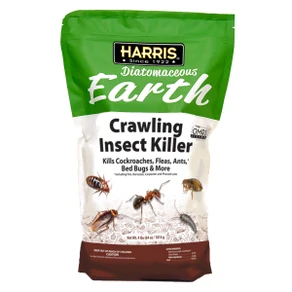
HARRIS Food Grade Diatomaceous Earth is made from 100% ground freshwater diatomaceous earth with no additives or fillers, making it suitable for food-grade use. It comes with a powder duster for easy, efficient application on animal feed. OMRI listed, and Harris supports the local Etowah Valley Humane Society with a portion of profits.
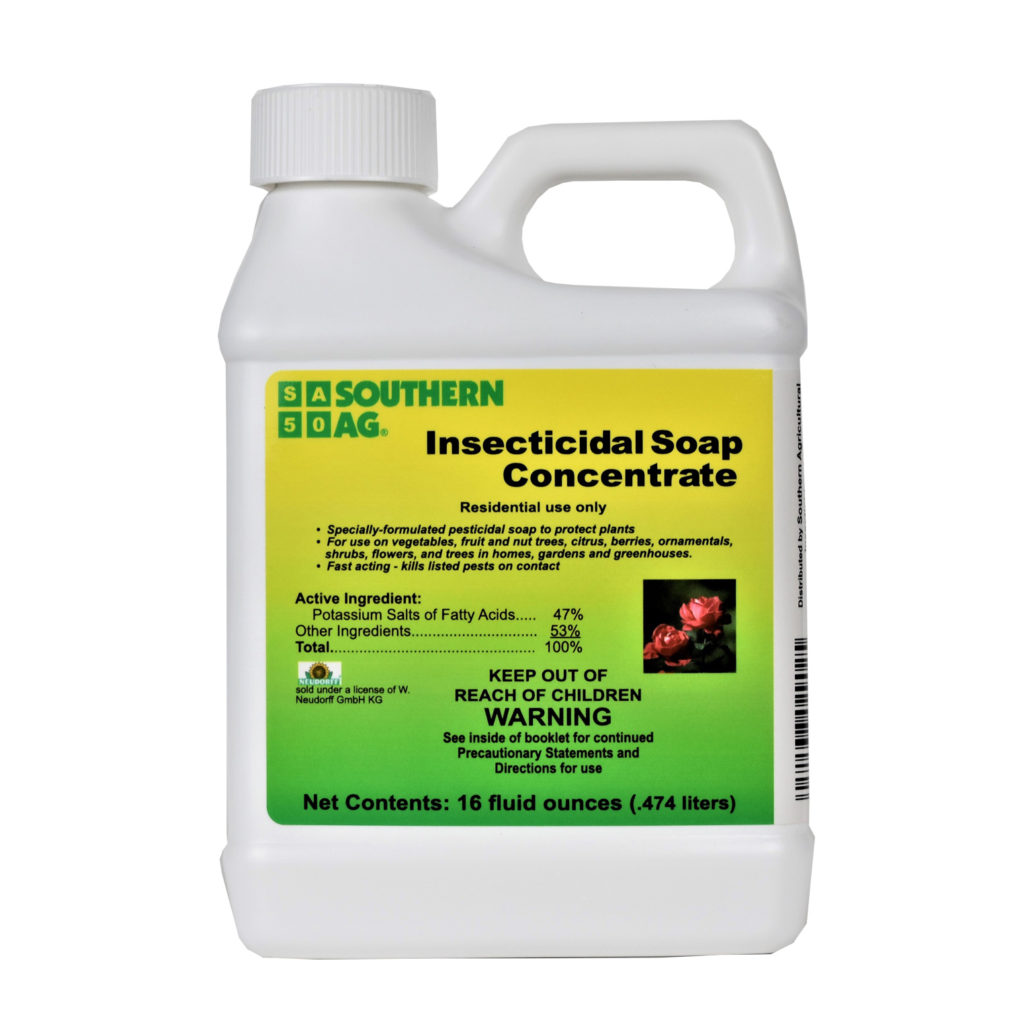
Southern Ag Insecticidal Soap Concentrate is a specially formulated pesticidal soap that delivers fast contact control of insect and mite pests. It’s suitable for use on vegetables, fruit and nut trees, citrus, berries, ornamentals, shrubs, flowers, and trees, including greenhouse and garden applications. Mix 4 teaspoons per quart of water and thoroughly spray all plant parts, including undersides of leaves.