
Garden Soil and Growing Media: pH, Amendments, and Potting Mixes
Soil is not just the material plants grow in. It is a living system that determines how much water your plants can access, how efficiently roots absorb nutrients, whether diseases take hold, and whether the plants you choose will thrive or slowly decline. Getting the soil right is the highest-leverage investment a gardener can make, and it pays dividends across every bed, pot, and container on the property.
This hub covers soil science at a practical level: what different soil types do well and where they fall short, how to test and adjust pH, which amendments work for which problems, and how to choose potting mixes for containers and specific plants.
Soil in the Garden
Garden soil exists on a spectrum from heavy, slow-draining clay through balanced loam to fast-draining sandy soil. Most residential gardens contain a mix of these types, often with a thin layer of topsoil over a less favorable subsoil. Understanding what you are working with is the first step toward improving it. The guide to garden soil types covers how to identify your soil type with a simple jar test or ribbon test and which amendments address the most common structural deficiencies.
Organic matter is the single most reliable way to improve soil structure regardless of the starting point. Finished compost adds beneficial microorganisms, improves drainage in clay soils, and increases water retention in sandy soils. The application rates and methods for working compost into garden beds and raised beds are covered in the compost application guide.
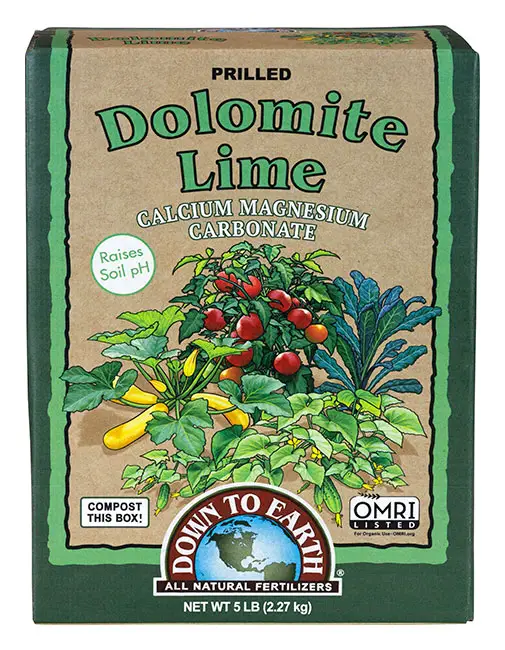
Down To Earth Organic Prilled Dolomite Lime helps raise acidic soil pH for better nutrient uptake and healthier vegetable gardens. Its rich calcium and magnesium support strong cell walls, root growth, and overall plant performance. OMRI listed for organic use, the prilled granules spread easily and act quickly while improving soil structure and microbial activity.
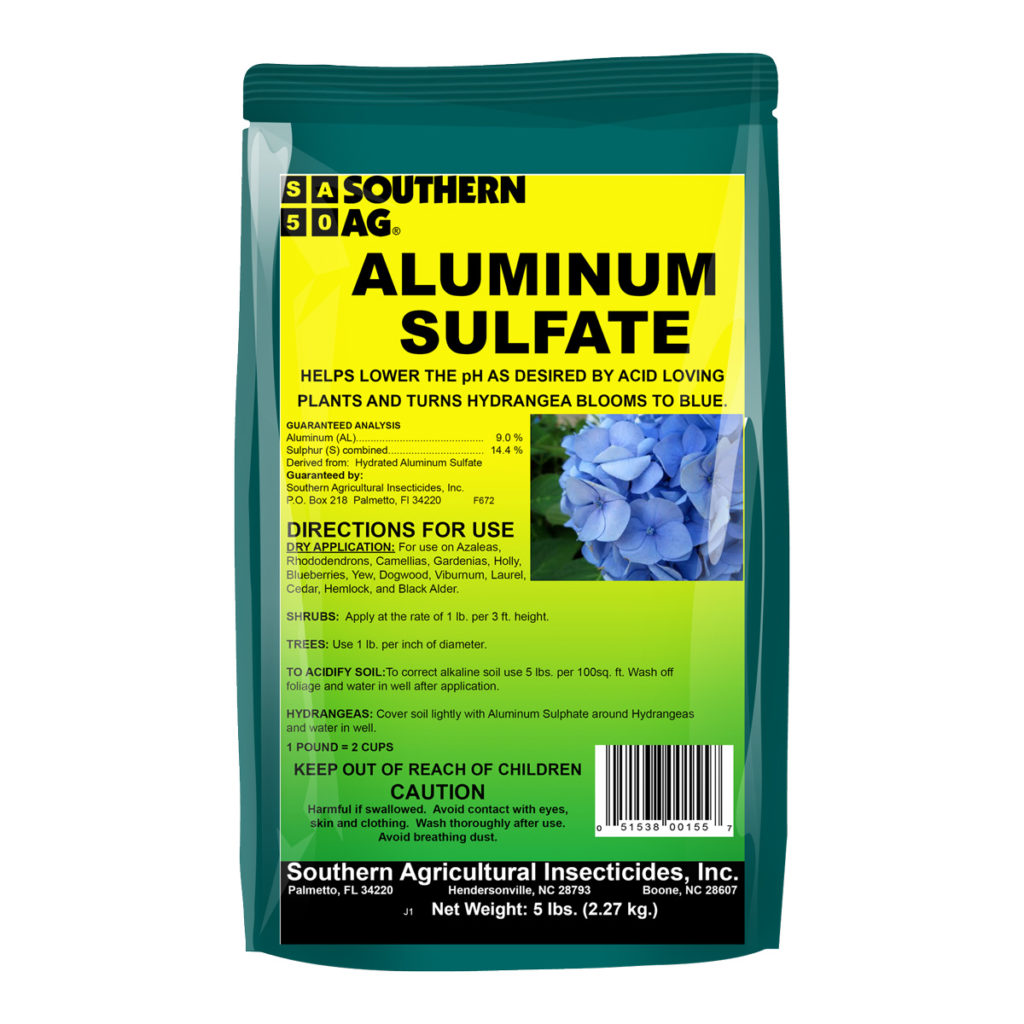
Southern Ag Aluminum Sulfate is a soil acidifier that helps lower pH and corrects high alkalinity, making it ideal for acid-loving plants. It’s great for hydrangeas and other shrubs and trees that prefer acidic conditions, including rhododendrons, blueberries, azaleas, and more. Broadcast evenly and wash off foliage, then water after application.
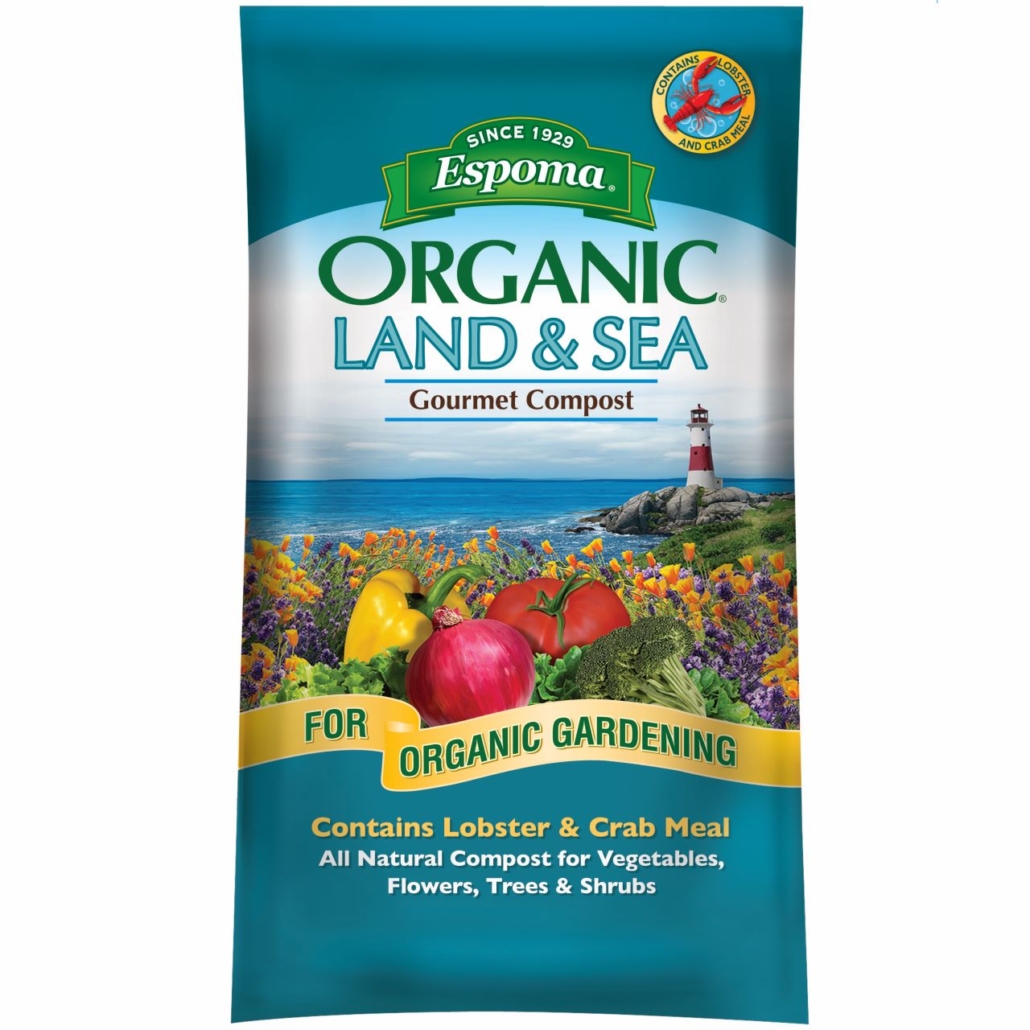
Espoma Organic Land and Sea Gourmet Compost is a rich organic planting mix designed to improve native soil and revitalize container gardens. Enriched with both lobster and crab meal, it supports healthy growth for vegetables, flowers, trees, and shrubs. The blend also includes myco-tone endo and ecto mycorrhizae and contains no synthetic plant foods or chemicals.
Soil pH and Acid-Loving Plants
Soil pH controls nutrient availability. Even a well-amended soil with adequate nutrient levels will produce deficiency symptoms if the pH sits outside the range where those nutrients are soluble and accessible to roots. Most garden plants grow well between pH 6.0 and 7.0, but a significant group of popular ornamentals including rhododendrons, azaleas, blueberries, and hydrangeas prefer more acidic conditions in the pH 4.5 to 6.0 range. The soil acidification guide covers aluminum sulfate, elemental sulfur, iron sulfate, and acidic mulches as tools for lowering pH reliably over time.
Potting Mixes for Containers
Container growing introduces a separate set of soil media decisions. Standard garden soil does not perform well in pots because it compacts under repeated watering and restricts root aeration. Potting mixes designed for containers use perlite, vermiculite, coir, or bark to maintain an open, well-draining structure even after months of use. The guides in this hub cover the best potting mixes for indoor containers, the best soil for raised beds, specialist mixes for African violets and aloe vera, and potting soil specifically for herbs.
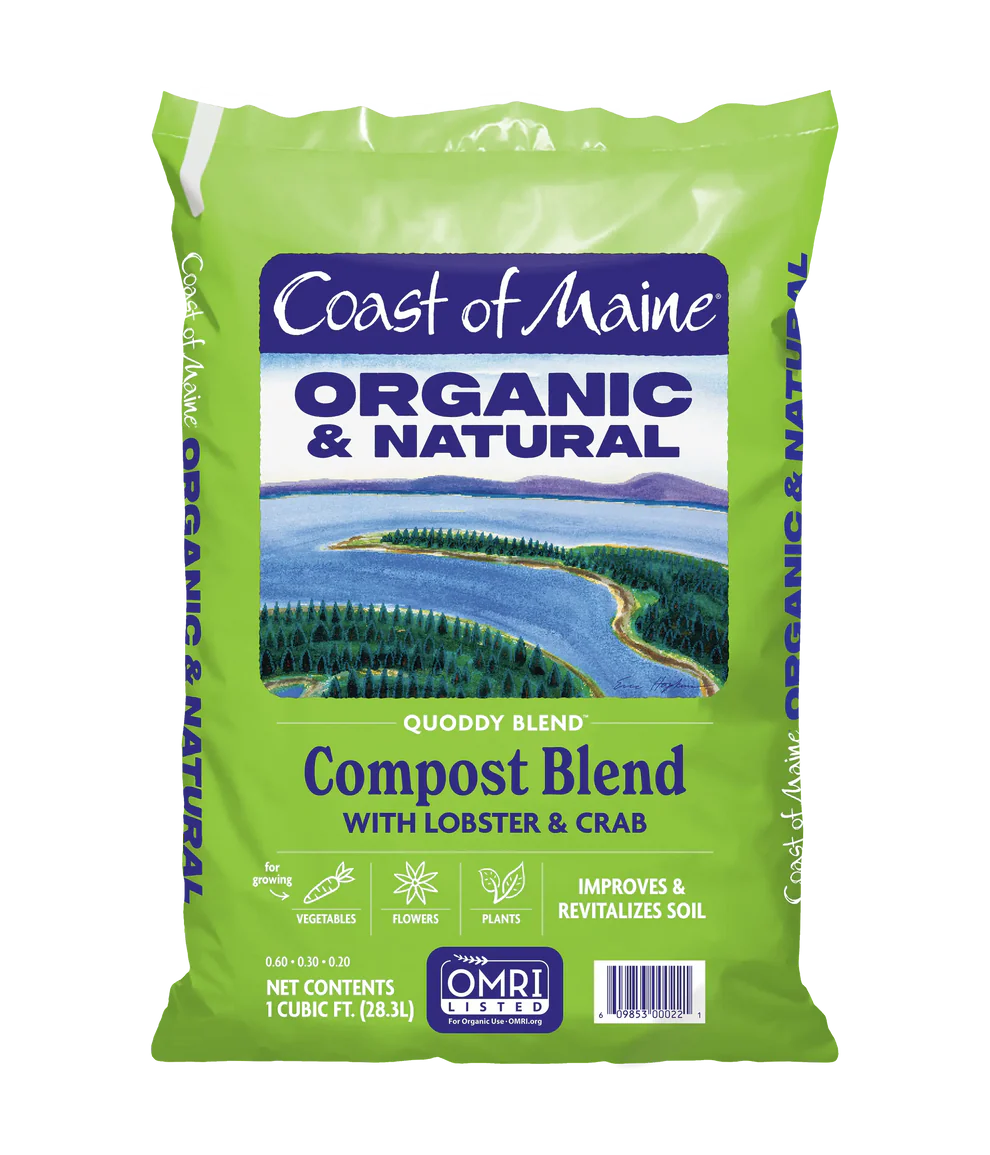
Coast of Maine’s Organic & Natural Quoddy Blend is a premium seafood compost made from lobster and crab shell meal, composted manure, and peat moss to enrich garden soil. It improves soil structure by supporting better drainage, aeration, and water retention for healthier root development. OMRI listed for organic use, it’s a versatile choice for gardens, beds, borders, trees, shrubs, and foliage.
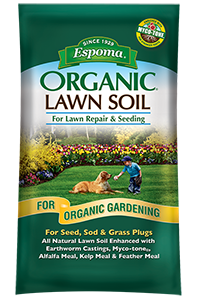
Espoma Organic Lawn Soil is an all-natural organic soil mix designed to promote seed germination and help new sod establish. It contains earthworm castings, alfalfa meal, kelp meal, and feather meal, enhanced with Espoma MYCO-TONE, a blend of endo and ecto mycorrhizae fungi. Use it anytime you sow new grass seed or install sod for organic gardening results with no synthetic plant foods or chemicals.
Soil Health and Problem-Solving
Potting soil that has been stored or reused can develop mold, lose structure, or become hydrophobic. The guides on whether potting soil goes bad, how to store potting soil correctly, and how to deal with moldy potting soil cover the practical storage and reuse decisions that affect every container gardener. Sterilizing soil to eliminate weed seeds, fungal pathogens, and soil pests is addressed in the soil sterilization guide.
Fertilizer and Plant Nutrition
Soil amendments address structure and pH, but feeding plants requires understanding the difference between soil amendments, fertilizers, and plant food products. The plant food versus fertilizer comparison explains what each product category does, when to use each, and how to read an NPK label. Hydrogen peroxide as a soil drench for treating root zone problems and improving aeration is covered in the hydrogen peroxide for plants guide.
In This Hub
- Understanding Garden Soil Types
- How to Acidify Soil
- How to Sterilize Soil
- Does Potting Soil Go Bad?
- Best Indoor Potting Soil
- How to Store Potting Soil
- Best Soil for African Violets
- Best Soil for Aloe Vera
- Moldy Potting Soil
- Rocks on Top of Potted Plants
- Hydrogen Peroxide for Plants
- Best Potting Soil for Herbs
- Plant Food vs Fertilizer
- Best Soil for Raised Beds