
How to Acidify Soil for Acid-Loving Plants
Lowering soil pH is necessary whenever you want to grow plants in the ericaceous family or other acid-preferring species in soil that is neutral or alkaline. Most residential garden soils in North America sit between pH 6.0 and 7.5. Blueberries, azaleas, rhododendrons, gardenias, and bigleaf hydrangeas all perform best in significantly more acidic conditions, generally between pH 4.5 and 6.0. Without the right pH, these plants cannot access iron and other micronutrients even when they are physically present in the soil, producing the yellowing foliage and poor growth known as iron chlorosis.
Why pH Matters for Nutrient Availability
Soil pH controls nutrient solubility through the chemistry of the soil solution. At pH levels above 7.0, iron, manganese, and aluminum become insoluble and unavailable to plant roots. At pH levels below 5.0, some nutrients become overly available and can reach toxic concentrations. The target range for most acid-loving plants is pH 4.5 to 5.5, with blueberries performing best toward the lower end and azaleas performing well across the broader range.
Lowering soil pH is the foundational preparation step for growing acid-loving plants like azaleas successfully. The full planting, soil, and care sequence for azaleas, including how to maintain pH over years of growth, is covered in the azalea growing guide.
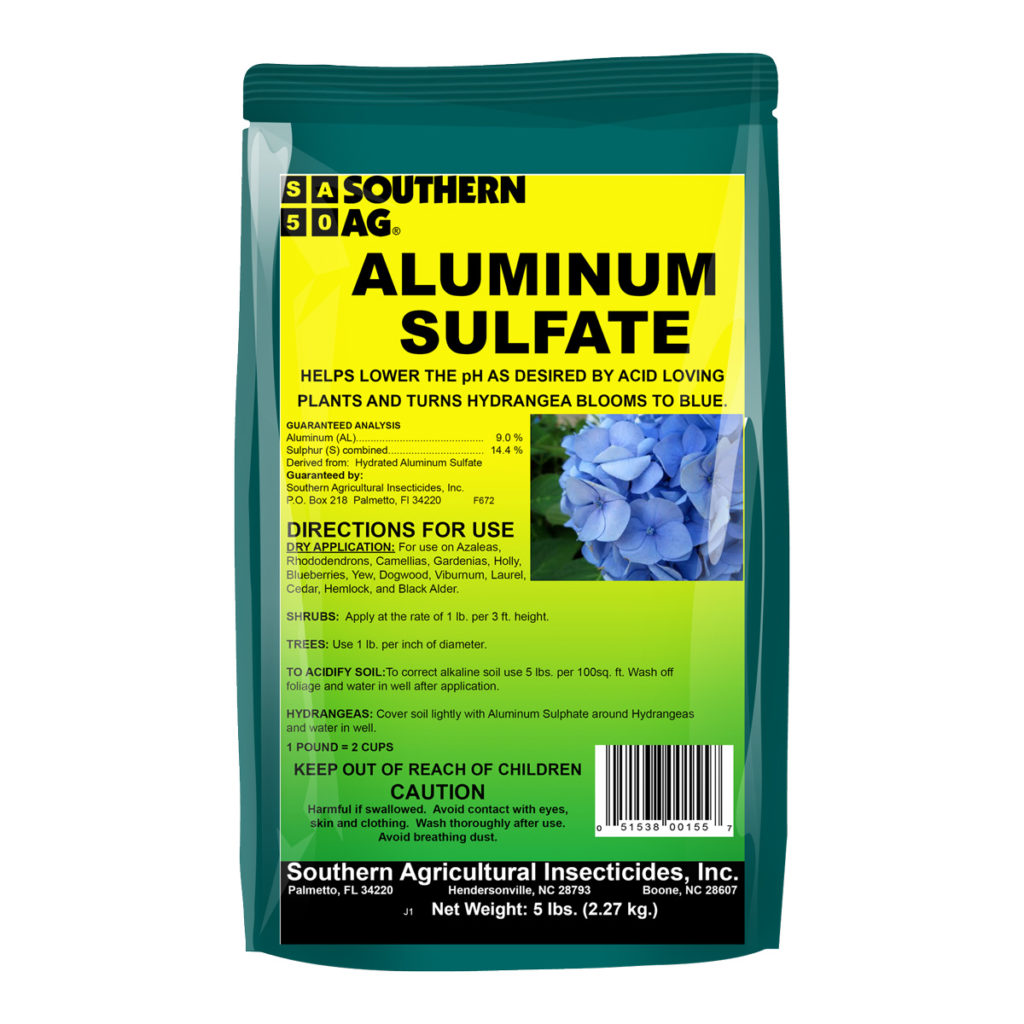
Southern Ag Aluminum Sulfate is a soil acidifier that helps lower pH and corrects high alkalinity, making it ideal for acid-loving plants. It’s great for hydrangeas and other shrubs and trees that prefer acidic conditions, including rhododendrons, blueberries, azaleas, and more. Broadcast evenly and wash off foliage, then water after application.
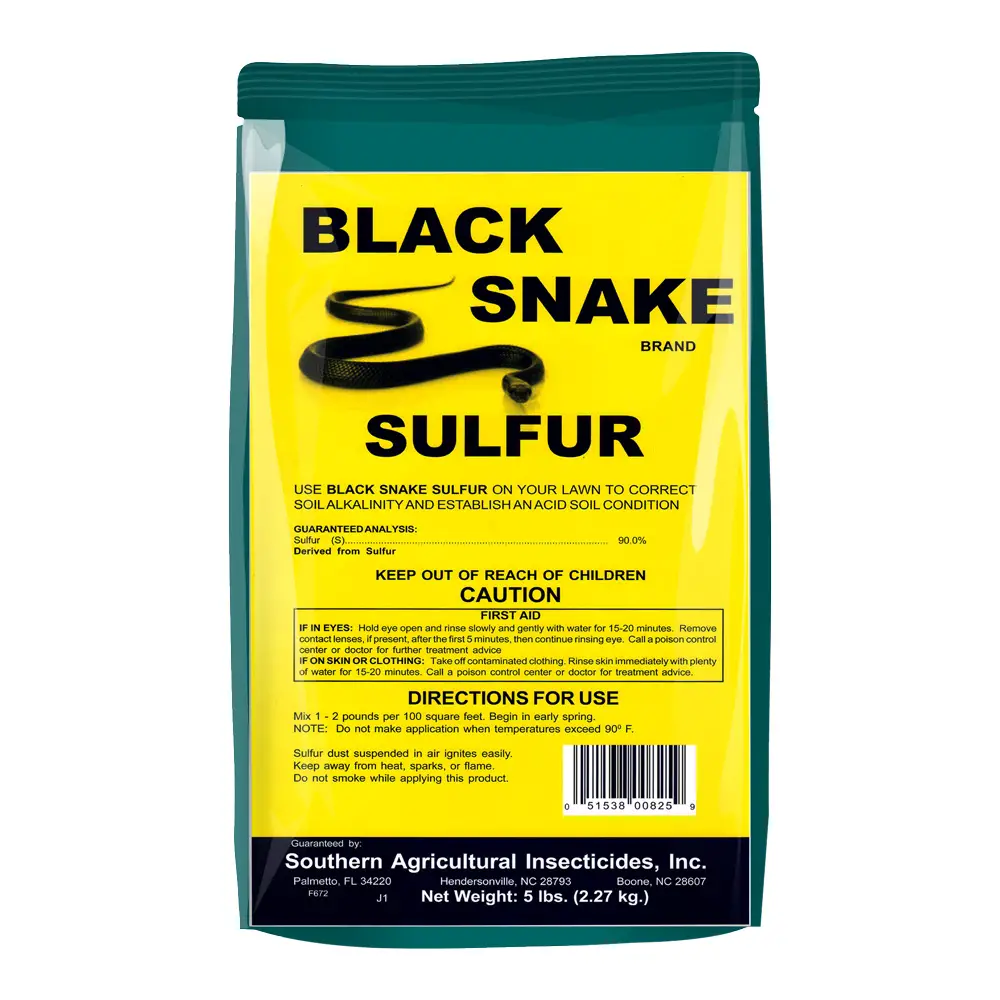
Black Snake Sulfur is a pulverized sulfur product used to help correct lawn soil alkalinity and establish an acid soil condition. It is applied directly to soil using a recommended rate for 100 square feet area. Keep the product away from sparks, open flames, and lit cigarettes during use.
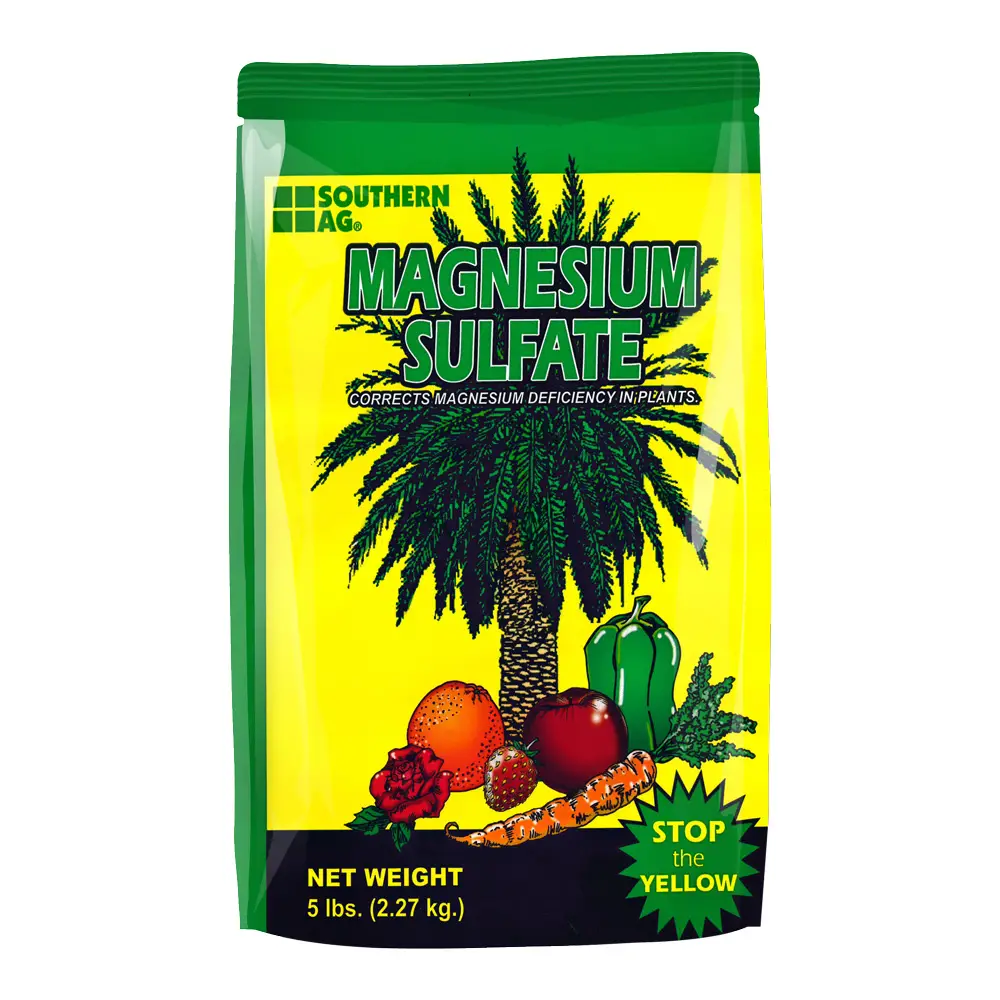
Root 98 Warehouse Southern Ag Magnesium Sulfate is a dry, water-soluble fertilizer for correcting magnesium deficiency in shrubs and trees. It helps acidify soils with less risk of staining and is designed for use on citrus, palms, trees, shrubs, annuals, and turf. Apply by spreading over the treatment area and watering in; do not mix or spray.
Choosing a Soil Acidification Method
Three amendments reliably lower garden soil pH, each working through a different mechanism and at a different speed.
Aluminum sulfate is the fastest-acting option. It lowers pH through a direct chemical reaction that does not require soil microbe activity. Results appear within two to four weeks of application. The drawback is that aluminum can accumulate in soil over multiple applications and reach concentrations that are toxic to some plants. Aluminum sulfate works best for spot treatments and seasonal applications to established plants rather than for large-scale, long-term pH management.
Elemental sulfur is the recommended amendment for sustained acidification. Soil bacteria convert elemental sulfur into sulfuric acid over an 8 to 12 week period, gradually reducing pH. Because the action is slower, elemental sulfur carries less risk of overcorrection. It is the better choice when you are preparing a new bed in advance of planting or managing pH over a growing season. Iron sulfate works similarly to elemental sulfur but also adds iron directly to the soil.
Acidifying mulches such as pine needle mulch and composted pine bark decompose slowly and release organic acids that mildly lower surface pH over time. Mulches alone are rarely sufficient to shift pH by more than 0.5 units, but they help maintain an acidic environment established through amendment. Pine needle mulch is especially useful for blueberries and azaleas as a top-dressing after initial pH correction.
Application Rates by Soil Type
Soil type significantly affects how much amendment you need to shift pH by a given amount. Clay soils have much higher buffering capacity than sandy soils, meaning they resist pH change and require larger quantities of amendment to achieve the same drop.
To lower pH by 1 unit in a sandy soil, apply approximately 50 to 100 grams of elemental sulfur per square meter. For loam, use 100 to 150 grams per square meter. For clay, allow 150 to 200 grams per square meter or more. For aluminum sulfate, multiply these rates by approximately 6 because the direct chemical reaction operates differently from the microbial conversion.
Always apply at the lower end of the range, test after the reaction period, and apply again if needed. Overcorrecting pH downward below 4.5 creates toxicity problems that are difficult to reverse.
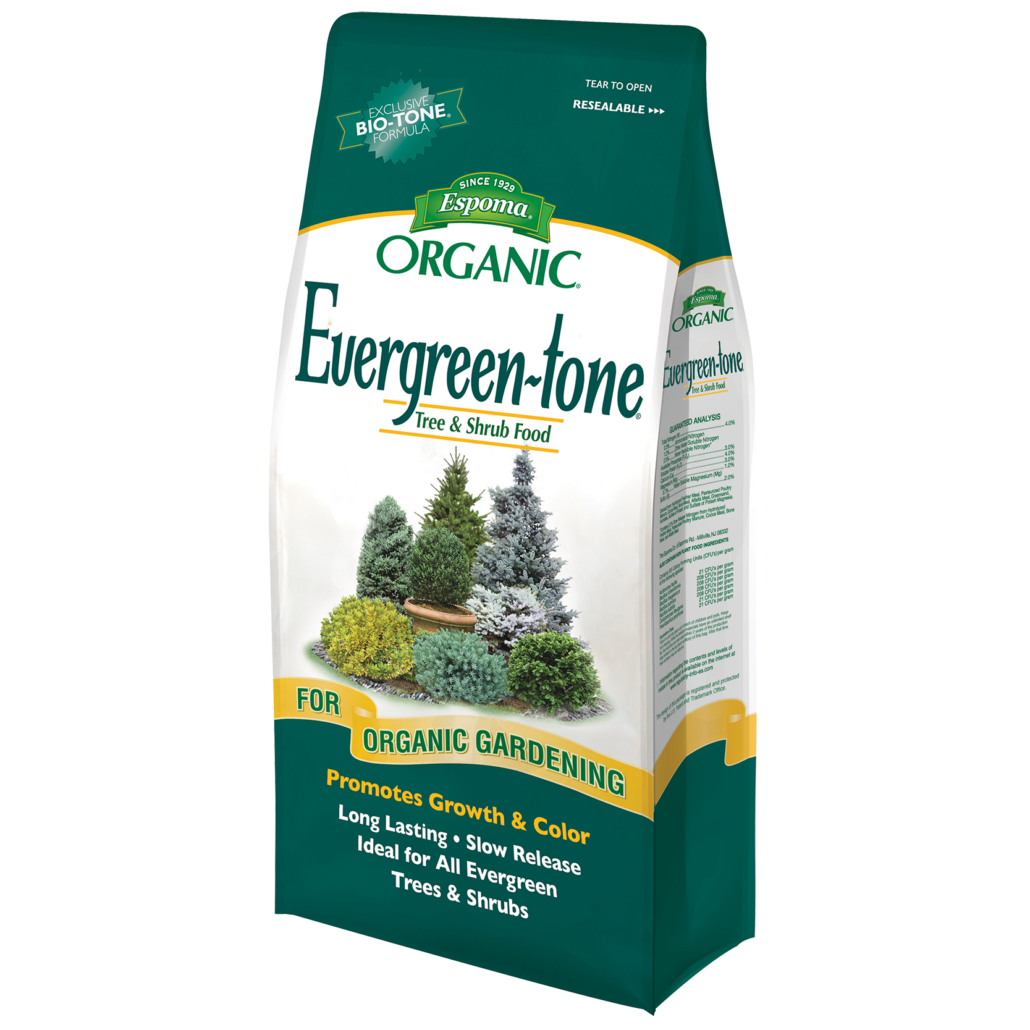
Evergreen-Tone is a rich blend of natural and organic ingredients enhanced with humates and beneficial microbes to support evergreen trees and shrubs. It promotes deep green foliage with long-lasting slow-release feeding, helping acidify the soil with elemental sulfur. Made with no sludges or fillers, it’s designed for consistent, quality results and is safe for people, pets, and the planet.
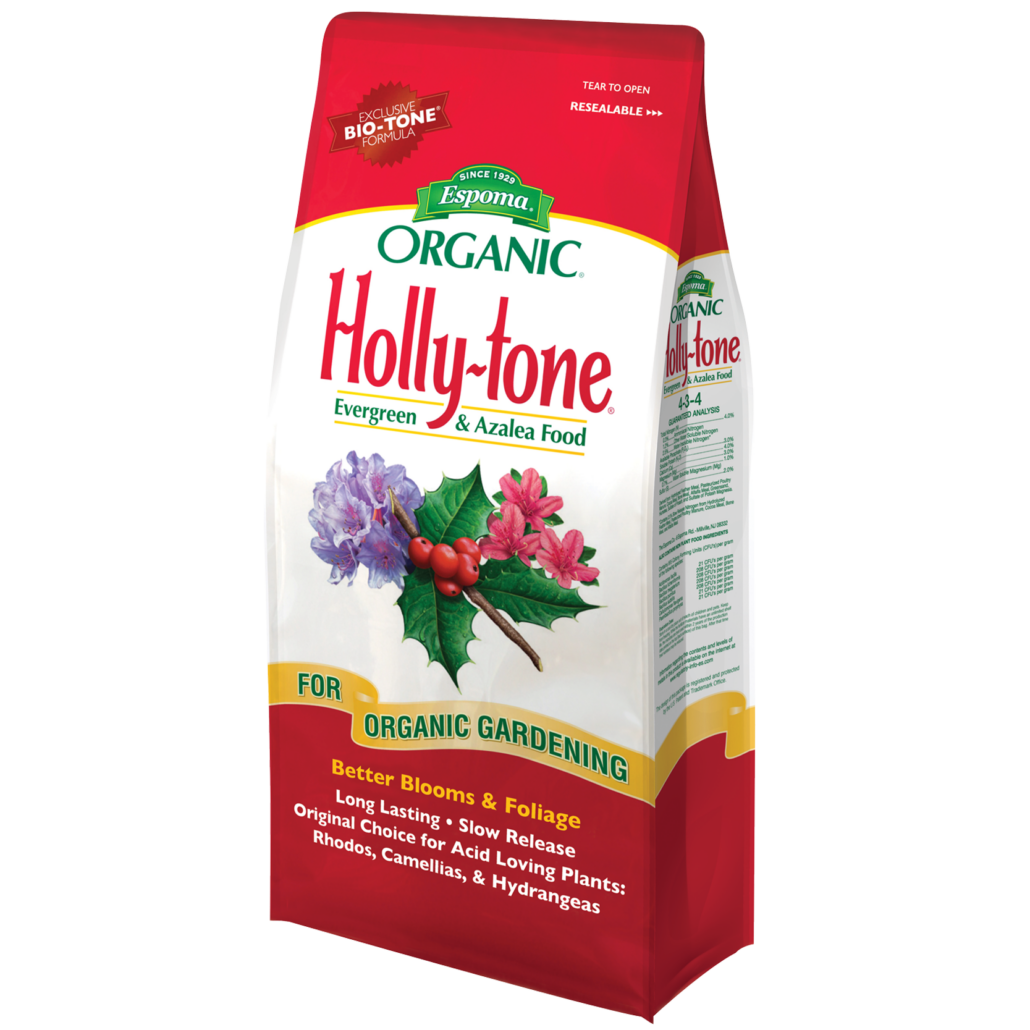
Espoma Organic Holly-Tone is the original plant food for all acid-loving plants, delivering deep green color and bigger blooms. This natural and organic, long-lasting slow-release formula helps acidify soil with elemental sulfur and supports healthy growth with humates and beneficial microbes. It’s made without sludges or fillers and is safe for people, pets, and the planet.
Step-by-Step Acidification Process
Start by testing your soil pH with a meter or a lab analysis to establish the baseline reading. Determine the target pH for your plant: 4.5 to 5.0 for blueberries, 5.0 to 5.5 for rhododendrons and azaleas, 5.5 to 6.0 for most bigleaf hydrangeas. Calculate the pH drop needed and select your amendment.
Broadcast the amendment evenly over the bed surface using a calibrated spreader or by hand. Rake it into the top 15 to 20 centimeters of soil, then water thoroughly to activate the chemistry. Do not work the amendment in dry, as it will remain on the surface without acting on the soil.
For aluminum sulfate, retest after four weeks. For elemental sulfur, wait 8 to 12 weeks before retesting because the bacterial conversion process takes time. If the pH has not reached the target after the first application, apply a second dose at the same rate and test again.
Maintaining Soil pH Over Time
Garden soils tend to drift back toward their natural pH over time, especially in regions with alkaline irrigation water or limestone-rich subsoil. Annual testing and top-dressing with elemental sulfur or acidifying organic matter is the most effective maintenance strategy. Acidic fertilizers labeled for rhododendrons and azaleas also contribute to pH maintenance without requiring separate amendment applications.
If you are growing hydrangeas and want to control bloom color, the connection between pH, aluminum availability, and flower color in bigleaf varieties is explained in the how to make hydrangeas blue guide.