
Best Indoor Potting Soil for Containers and Pots
Indoor potting soil performs a different job than garden soil. Indoors, the container is a closed system: water enters through the top and exits through the drainage hole, and whatever structure the mix starts with is all the drainage it will ever have. A good indoor potting mix stays loose and well-aerated through months of regular watering, drains quickly enough to prevent root rot, and holds enough moisture to reduce the frequency of watering between sessions.
What to Look for in an Indoor Potting Mix
Perlite content is the first thing to check. Perlite is the white granular material visible in quality potting mixes. It is expanded volcanic glass that does not compact or decompose and keeps drainage channels open indefinitely. A good indoor mix should contain at least 20 to 25 percent perlite by volume. Mixes that feel heavy and dense straight from the bag are likely perlite-deficient.
Coir or peat base provides the moisture-holding component. Coir (coconut fiber) is the more sustainable option and performs comparably to peat in most applications. It is pH-neutral and does not compress as severely as peat over time. Peat-based mixes are more common in budget products and work well initially, but they degrade faster and become hydrophobic more quickly than coir-based alternatives.
Slow-release fertilizer is included in most branded potting soils and supports plant nutrition for the first few months after potting. This is convenient but worth noting: plants in fresh potting mix typically do not need supplemental feeding for 60 to 90 days.
No added moisture retention crystals is a feature to look for in mixes intended for plants sensitive to overwatering. Some potting soils include superabsorbent crystals that expand when wet and hold large amounts of water. These work well for outdoor containers in hot, dry climates but can contribute to waterlogged conditions indoors where evaporation is slower.
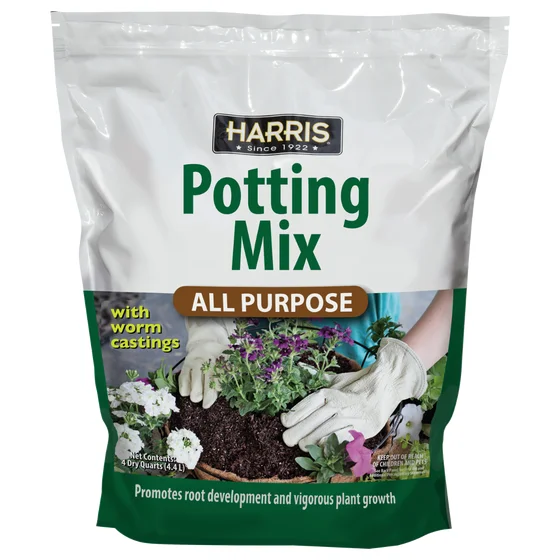
Harris All Purpose Potting Soil Mix is formulated with a blend of worm castings and premium ingredients to support healthy growth in containers. Ideal for container gardening, flower boxes, and hanging baskets, it works for both indoor and outdoor use. Use it as an amendment for garden soil or to build up raised beds for everyday gardening needs.
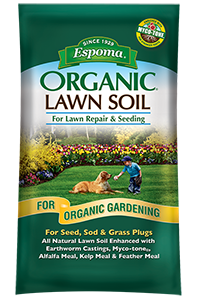
Espoma Organic Lawn Soil is an all-natural organic soil mix designed to promote seed germination and help new sod establish. It contains earthworm castings, alfalfa meal, kelp meal, and feather meal, enhanced with Espoma MYCO-TONE, a blend of endo and ecto mycorrhizae fungi. Use it anytime you sow new grass seed or install sod for organic gardening results with no synthetic plant foods or chemicals.
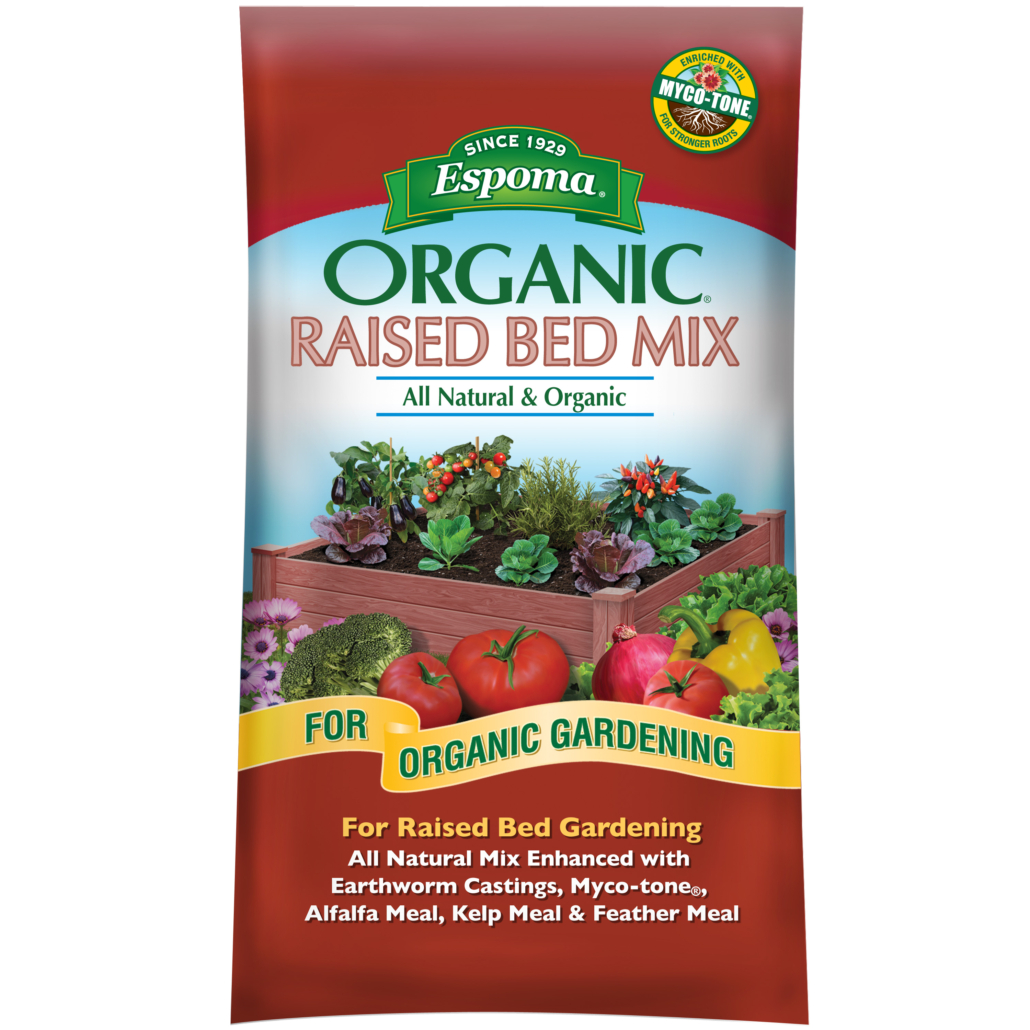
Espoma Organic Raised Bed Mix is an all-natural potting soil blend designed for raised garden beds and outdoor containers. It’s enriched with earthworm castings and organic meals for strong, healthy plant growth, plus MYCO-TONE with endo and ecto mycorrhizae. This ready-to-use mix contains no synthetic plant foods or chemicals, making it ideal for organic gardening.
General-Purpose Mixes vs Specialist Mixes
Most tropical houseplants grow well in a quality general-purpose indoor potting mix. Monsteras, pothos, philodendrons, peace lilies, and most ferns do not require specialist media. A standard mix with good perlite content and a peat or coir base covers the needs of the majority of indoor plants.
Specialist mixes are worth the investment for plants with specific drainage requirements. Cacti and succulents need a mix with 50 percent or more mineral content (coarse sand or perlite) to mimic their native fast-draining soils. The specific mix requirements for aloe vera, which straddles the succulent category, are covered in the best soil for aloe vera guide. African violets require a peat-based mix with very fine texture and good aeration; the reasons are explained in the best soil for African violets guide.
Improving Any Potting Mix
If the mix you have does not contain enough perlite, add it yourself. Mix in 25 to 30 percent perlite by volume before potting, which is less expensive than buying a specialist mix and more precisely controlled. For plants that need even faster drainage, replace some of the perlite with coarse horticultural grit or pine bark chips, which are larger and create bigger air pockets.
For herbs in containers, a potting mix slightly lower in moisture-retentive organic matter and higher in grit or perlite works better than standard indoor mixes, which stay too wet between waterings for most Mediterranean herbs. The specific recommendations for herb container mixes are in the best potting soil for herbs guide.
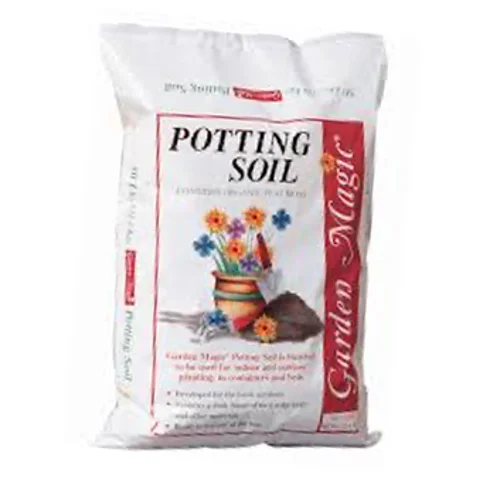
Grow healthy plants with this general-purpose potting soil featuring a blended formula for indoor and outdoor use. Its moisture-retaining design helps sustain active growth during moderate dry spells. The dark blend of reed sedge peat, organic peat moss, and other materials supports strong rooting for a reliable, ready-to-use planting mix.
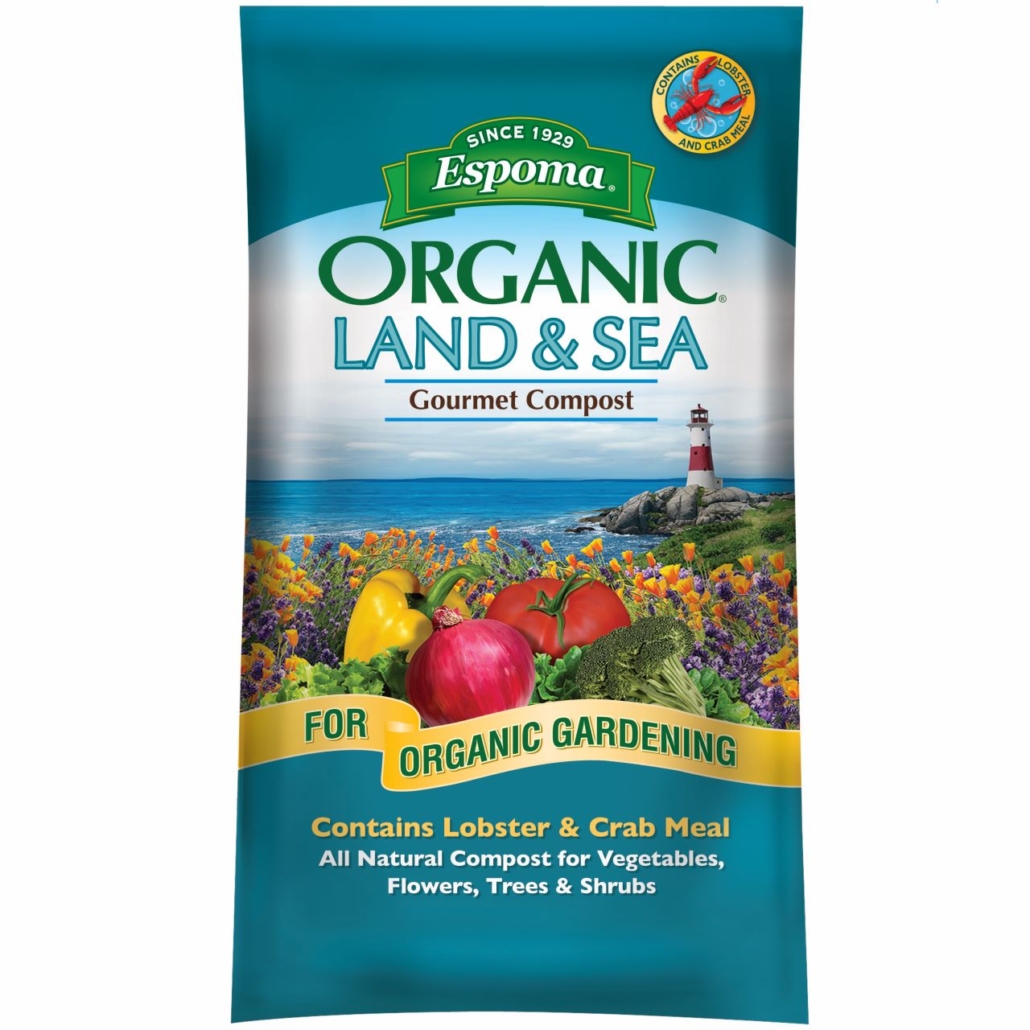
Espoma Organic Land and Sea Gourmet Compost is a rich organic planting mix designed to improve native soil and revitalize container gardens. Enriched with both lobster and crab meal, it supports healthy growth for vegetables, flowers, trees, and shrubs. The blend also includes myco-tone endo and ecto mycorrhizae and contains no synthetic plant foods or chemicals.