
Best Soil for Aloe Vera in Pots
Aloe vera is a succulent adapted to fast-draining, low-nutrient soils in arid environments. The most common reason aloe vera dies in pots is root rot caused by soil that holds too much moisture, and the fix in almost every case is using the correct growing medium from the start.
What Aloe Vera Needs from Its Potting Mix
Aloe vera roots are designed to absorb water rapidly after rain and then dry out completely between waterings. A potting mix that stays moist for more than two or three days after watering is too moisture-retentive for aloe and creates exactly the anaerobic, waterlogged conditions that cause Pythium and Phytophthora root rot.
The ideal mix for aloe vera drains completely within minutes of watering, contains minimal organic material that can hold water, and has a slightly acidic to neutral pH of 6.0 to 7.0.
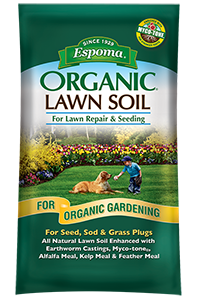
Espoma Organic Lawn Soil is an all-natural organic soil mix designed to promote seed germination and help new sod establish. It contains earthworm castings, alfalfa meal, kelp meal, and feather meal, enhanced with Espoma MYCO-TONE, a blend of endo and ecto mycorrhizae fungi. Use it anytime you sow new grass seed or install sod for organic gardening results with no synthetic plant foods or chemicals.
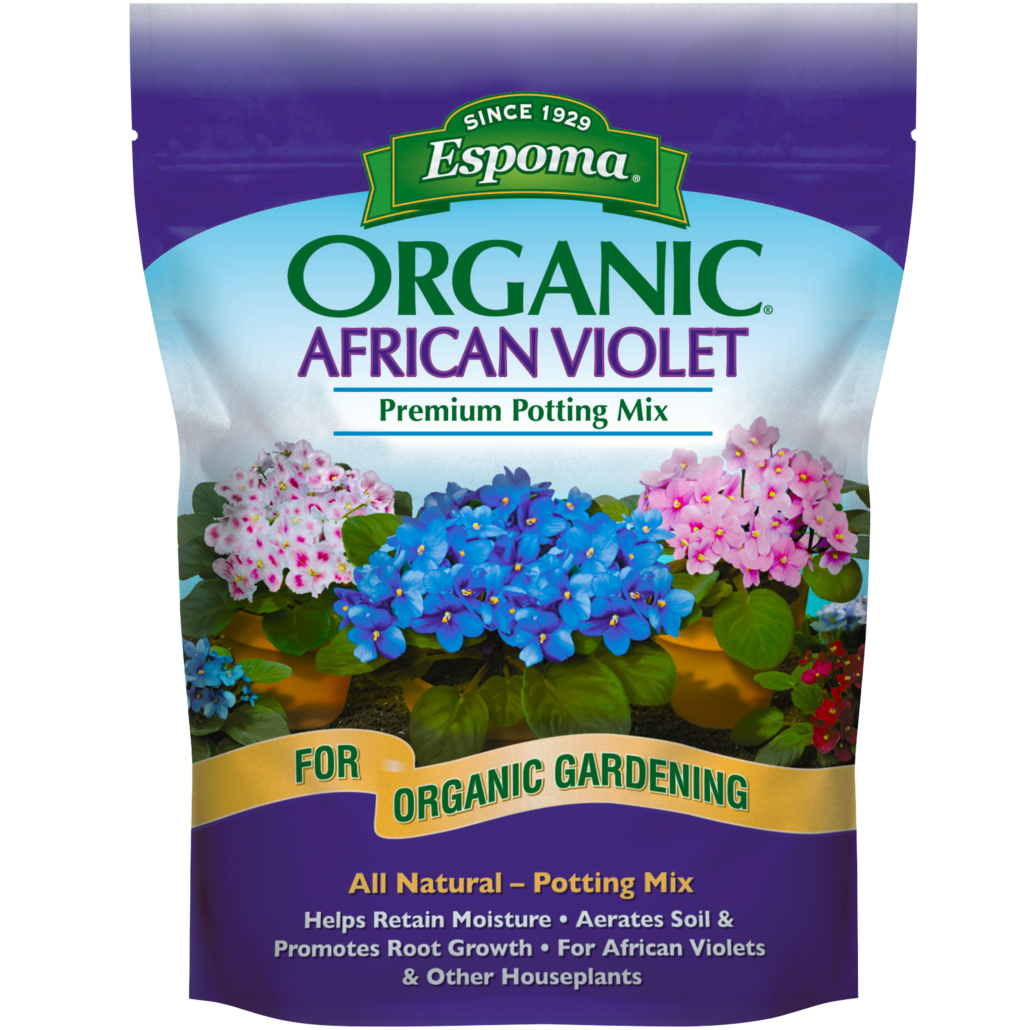
This Espoma organic potting soil mix is designed for African violets and indoor flowering houseplants, helping support healthy growth and flowering. It contains a rich blend of sphagnum peat moss, humus, perlite, and yucca extract, with no synthetic plant foods or chemicals. Use it anytime you’re planting, starting new violets, or transplanting into a larger container.
Grow healthy plants with this general-purpose potting soil featuring a blended formula for indoor and outdoor use. Its moisture-retaining design helps sustain active growth during moderate dry spells. The dark blend of reed sedge peat, organic peat moss, and other materials supports strong rooting for a reliable, ready-to-use planting mix.
The Best Mix Options
Cactus and succulent potting mix from a garden center is the most convenient starting point. These mixes are formulated for fast-draining conditions with higher mineral content than standard potting mixes. They work well for aloe vera as-is or with slight amendment.
DIY mix gives you more control and is often less expensive than specialty products. Combine 50 percent coarse horticultural grit or perlite with 50 percent standard potting mix. This ratio creates a fast-draining, moderately moisture-retentive medium that allows the roots to absorb a watering event and then dry out fully before the next one. For very large pots or outdoor aloes in warm climates, increase the grit to 60 or 70 percent.
What to Avoid
Avoid peat-heavy mixes, moisture-retaining crystals, or any mix containing significant organic matter. Standard indoor potting soil retains too much moisture for aloe vera. Garden soil is completely unsuitable in pots.
Rocks placed in the bottom of the pot do not improve drainage. This is a common gardening myth: the rocks create a perched water table at the soil-rock boundary that actually keeps the potting mix above wetter for longer. If drainage is the concern, use a fast-draining mix and a pot with generously sized drainage holes.
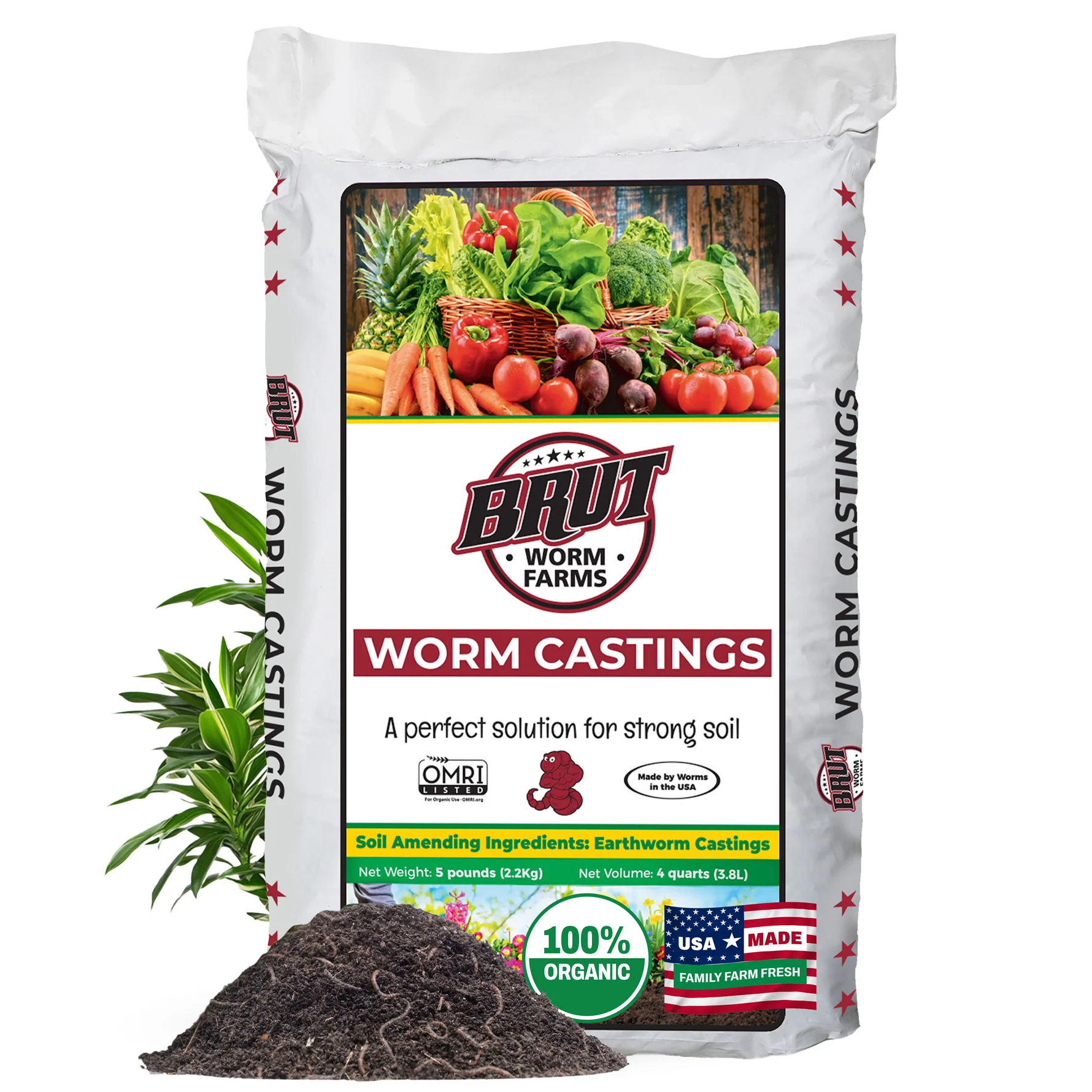
Brut organic worm castings provide mineral-rich, certified organic nutrition to supercharge indoor and outdoor plants. Raised indoors in containers for purity, these castings support lush greenery, vibrant blooms, and bountiful harvests. OMRI and CDFA listed formula helps deliver nature’s nutrients directly to plant roots for healthy growth from root to leaf.
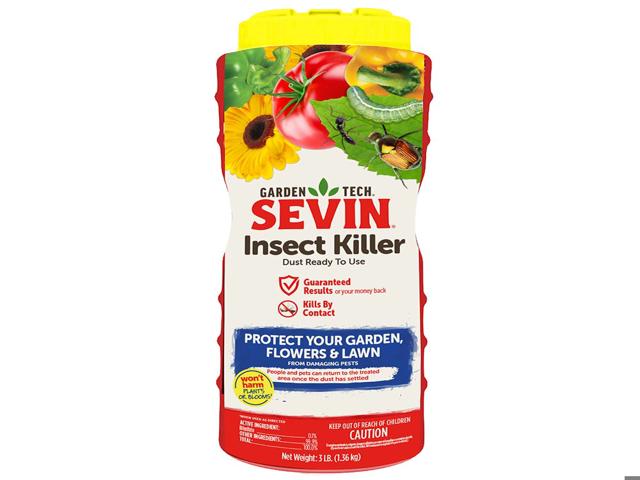
Sevin Insect Killer Dust helps protect flowers and lawn from listed damaging pests with a ready-to-use, shake-and-apply formula. It kills more than 150 insects by contact and creates a protective barrier when applied to leaves, stems, and flowers at the label rate. It won’t harm plants or blooms, and people and pets may return once the dust has settled.
Pot and Repotting Considerations
Terracotta pots are preferable to plastic for aloe vera because they allow moisture to evaporate through the pot walls, helping the root zone dry out faster between waterings. Plastic pots retain moisture longer and require more careful watering discipline to avoid overwatering.
Repot aloe vera when the plant produces multiple offsets crowding the pot, or every two to three years to refresh the soil. Use fresh mix at repotting rather than reusing the old medium, which will have degraded and compacted.