
Best Potting Soil for Herbs in Containers
Herbs vary more in their soil preferences than many container gardeners realize, and the difference in potting mix requirement between a Mediterranean herb like rosemary and a moisture-tolerant herb like mint is significant enough to cause one of them to fail if you plant both in the same standard potting soil.
Two Groups of Container Herbs and Their Soil Needs
Mediterranean herbs including rosemary, thyme, sage, oregano, and lavender originate in hot, dry environments with stony, nutrient-poor, fast-draining soils. In containers, they need a mix that dries out completely between waterings and does not retain moisture for extended periods. Standard indoor potting mixes are too moisture-retentive for these plants and cause root rot if used without amendment.
For Mediterranean herbs, start with a standard potting mix and add 30 to 40 percent by volume of coarse horticultural grit or perlite. The resulting mix drains quickly, dries out between waterings, and mimics the low-organic conditions these herbs grew in before cultivation. Avoid adding compost or slow-release fertilizer at planting; Mediterranean herbs prefer lean soil and produce more concentrated essential oils under mild nutrient stress.
The full guide to growing rosemary in containers, including watering frequency and fertilizer timing, is in the how to grow rosemary guide.
Moisture-tolerant herbs including basil, parsley, cilantro, chives, and mint grow best in a standard potting mix with good drainage but do not need the extreme mineral content that Mediterranean herbs require. A quality indoor potting mix with adequate perlite (20 to 25 percent) is appropriate for this group.
Mint is the exception in this group: it tolerates and even prefers more moisture than most herbs and is the one container herb that can tolerate standard potting mix or even slightly moisture-retentive mixes. Its aggressive root growth means it is always better grown in its own container rather than mixed with other herbs.
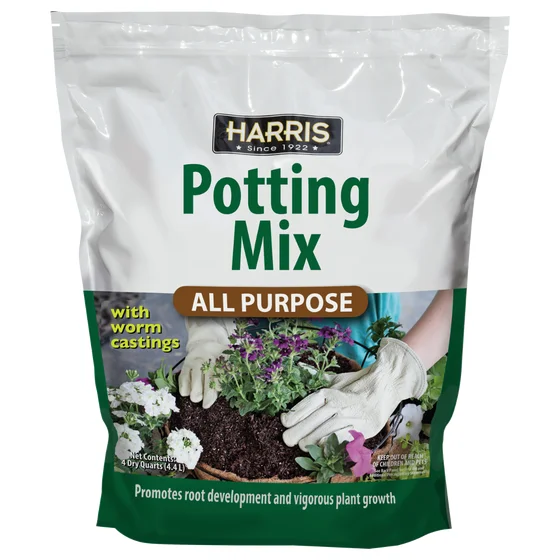
Harris All Purpose Potting Soil Mix is formulated with a blend of worm castings and premium ingredients to support healthy growth in containers. Ideal for container gardening, flower boxes, and hanging baskets, it works for both indoor and outdoor use. Use it as an amendment for garden soil or to build up raised beds for everyday gardening needs.
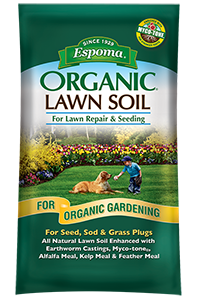
Espoma Organic Lawn Soil is an all-natural organic soil mix designed to promote seed germination and help new sod establish. It contains earthworm castings, alfalfa meal, kelp meal, and feather meal, enhanced with Espoma MYCO-TONE, a blend of endo and ecto mycorrhizae fungi. Use it anytime you sow new grass seed or install sod for organic gardening results with no synthetic plant foods or chemicals.
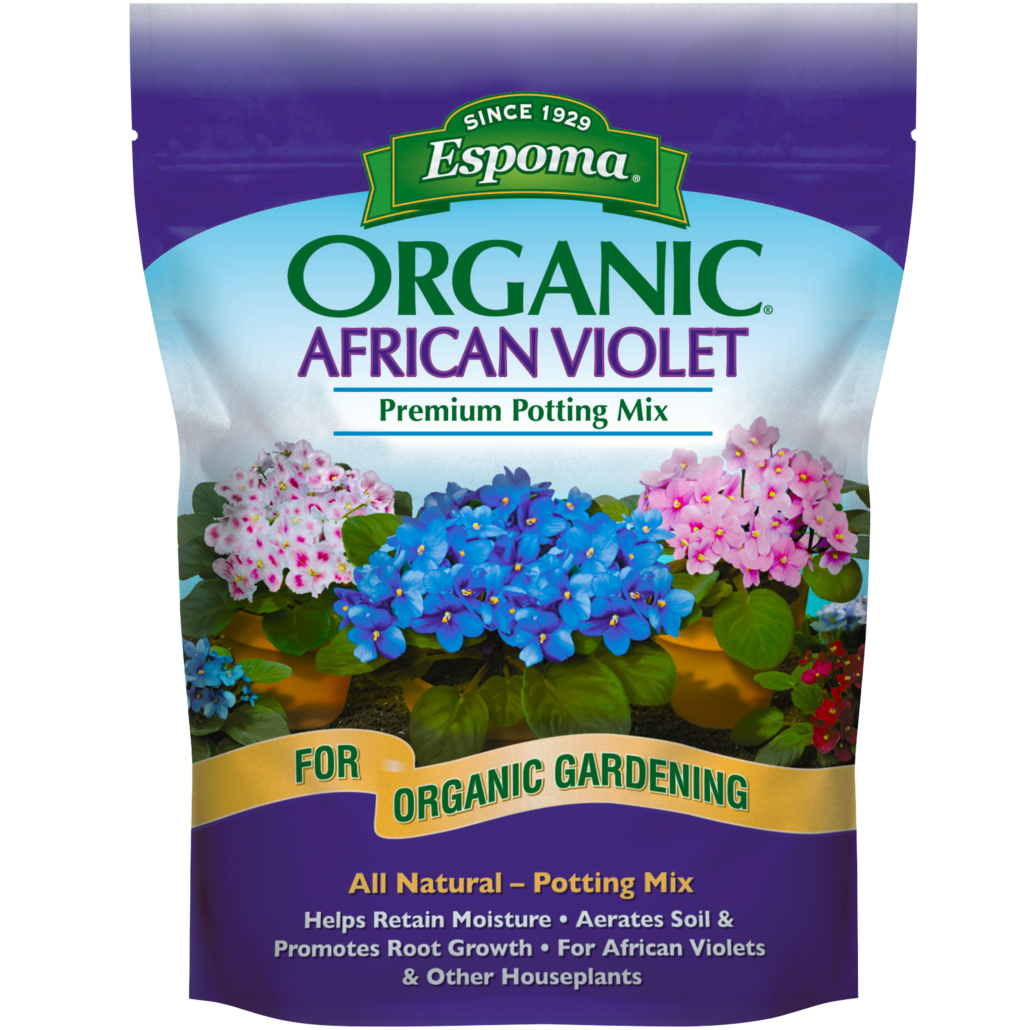
This Espoma organic potting soil mix is designed for African violets and indoor flowering houseplants, helping support healthy growth and flowering. It contains a rich blend of sphagnum peat moss, humus, perlite, and yucca extract, with no synthetic plant foods or chemicals. Use it anytime you’re planting, starting new violets, or transplanting into a larger container.
Fertilizing Herbs in Containers
Container herbs deplete the slow-release fertilizer in fresh potting mix within 60 to 90 days and then rely on supplemental feeding. Mediterranean herbs need only a light, infrequent feed: a liquid balanced fertilizer at half the label rate once a month through the growing season is sufficient. More than this pushes vigorous, lush, soft growth with lower essential oil content and less culinary flavor.
Moisture-tolerant herbs like basil and parsley benefit from a balanced liquid feed every two to three weeks through the growing season to support the rapid leaf production that comes from regular harvesting.
Mixing Your Own Herb Potting Soil
A reliable all-purpose container herb mix that works for most culinary herbs except the most moisture-sensitive Mediterranean types: two parts potting mix, one part perlite or coarse grit, one part fine horticultural sand. This combination provides good drainage without the extreme dryness that would stress basil or parsley while still allowing rosemary and thyme to dry out adequately between waterings.
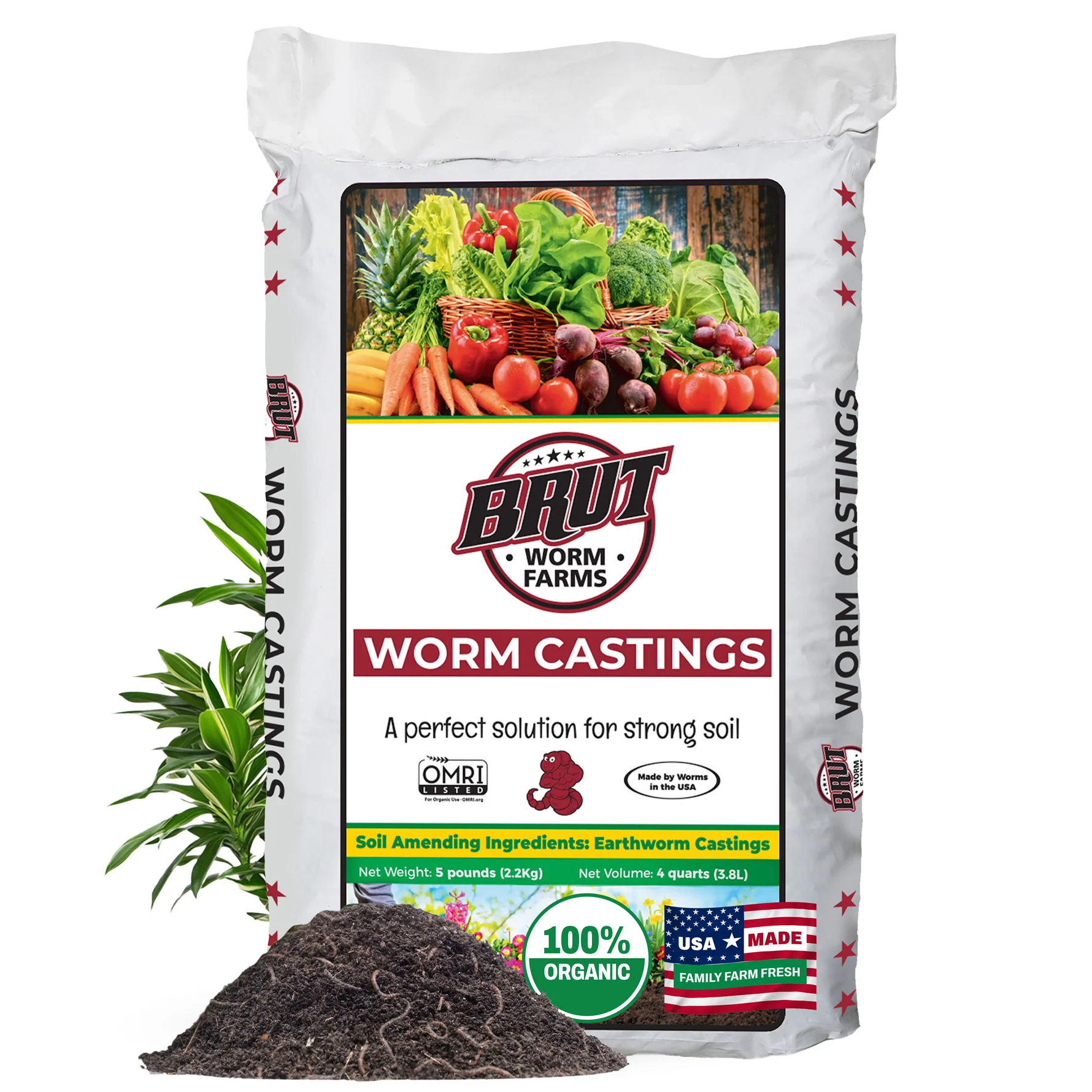
Brut organic worm castings provide mineral-rich, certified organic nutrition to supercharge indoor and outdoor plants. Raised indoors in containers for purity, these castings support lush greenery, vibrant blooms, and bountiful harvests. OMRI and CDFA listed formula helps deliver nature’s nutrients directly to plant roots for healthy growth from root to leaf.
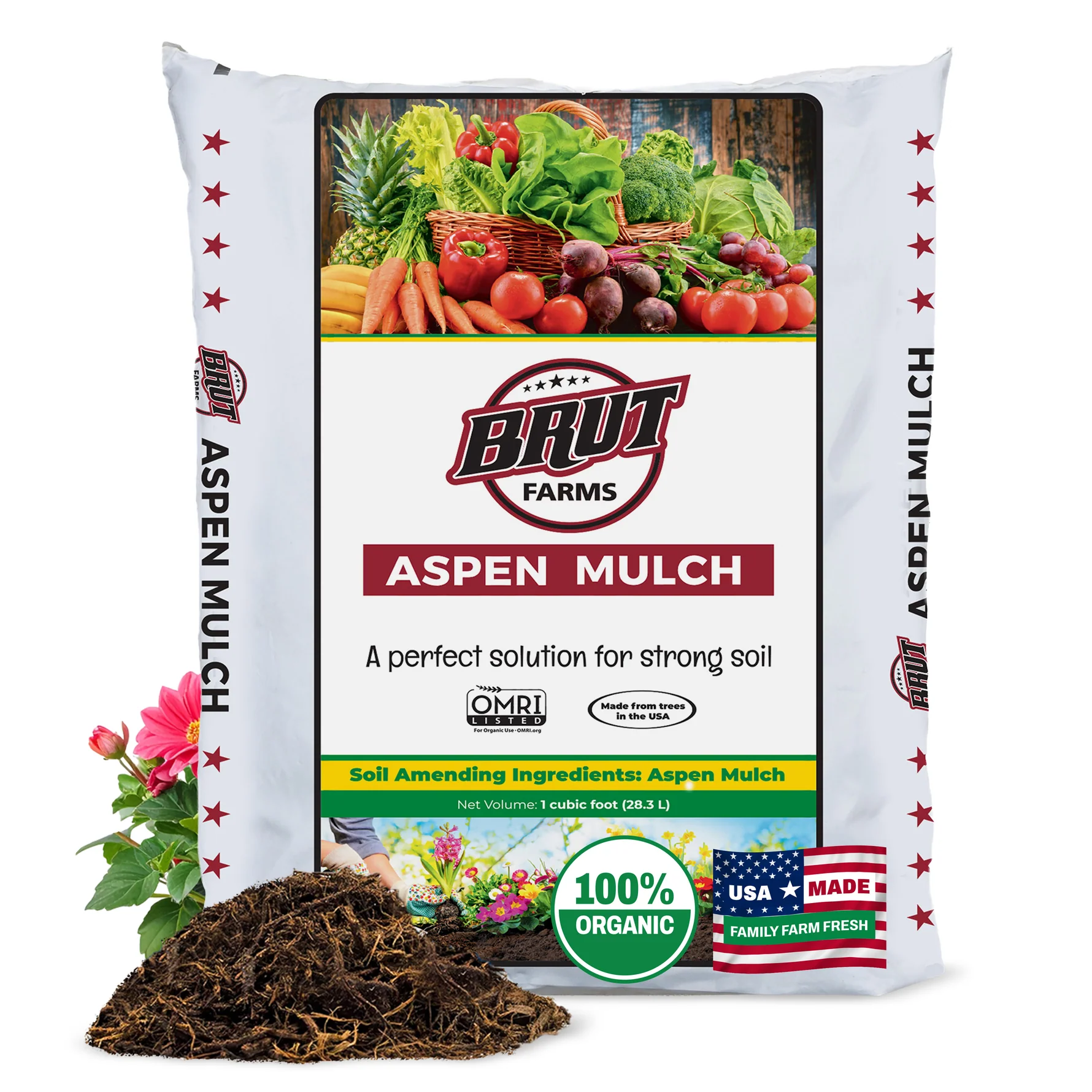
Brut Organic Aspen Mulch creates a clean, polished garden surface while helping minimize weeds naturally. Its high-carbon, odor-free aspen bark supports beneficial soil microbes and improves soil structure for healthier plants. The mulch naturally retains moisture, promoting water-efficient root hydration for garden beds, potted plants, and outdoor planters. OMRI-listed for certified organic gardening.