
How to Grow Rosemary in Pots and Garden Beds
Rosemary (Salvia rosmarinus) is a woody perennial herb native to the dry, rocky hillsides of the Mediterranean coast. It thrives in full sun, poor to moderately fertile soil with excellent drainage, and actually produces more intense flavor when slightly stressed by dry conditions. The most common cause of rosemary failure is overwatering and soil that stays too moist.
Site and Soil
Rosemary needs a minimum of 6 hours of direct sun per day. In partial shade it grows slowly, produces weak foliage, and becomes more susceptible to fungal disease. Drainage is the other non-negotiable requirement: rosemary in waterlogged soil develops root rot and dies, often within one wet season. In heavy clay soil, plant in a raised bed, on a mound, or in containers. pH should be in the range of 6.0 to 8.0: unlike ericaceous shrubs, rosemary tolerates slightly alkaline conditions.
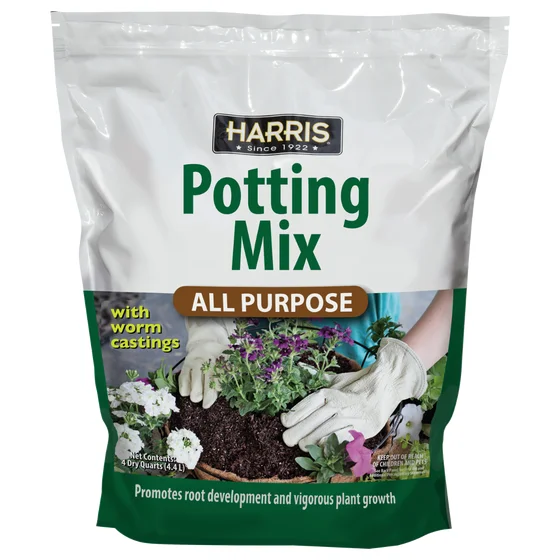
Harris All Purpose Potting Soil Mix is formulated with a blend of worm castings and premium ingredients to support healthy growth in containers. Ideal for container gardening, flower boxes, and hanging baskets, it works for both indoor and outdoor use. Use it as an amendment for garden soil or to build up raised beds for everyday gardening needs.
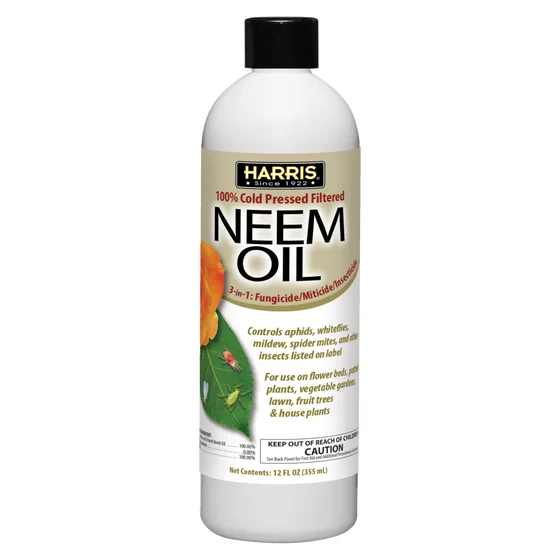
HARRIS Neem Oil Cold Pressed Water Soluble Concentrate is a 3-in-1 insecticide, fungicide, and miticide made from 100% cold pressed neem oil. It is EPA registered to help control aphids, whiteflies, mildew, spider mites, and other label-listed pests and diseases. Safe for indoor and outdoor use, it can be applied to a wide range of flowering and potted plants, vegetable gardens, lawns, ornamentals, fruit trees, and container gardening with foliar or soil treatments.

Espoma Organic Lawn Soil is an all-natural organic soil mix designed to promote seed germination and help new sod establish. It contains earthworm castings, alfalfa meal, kelp meal, and feather meal, enhanced with Espoma MYCO-TONE, a blend of endo and ecto mycorrhizae fungi. Use it anytime you sow new grass seed or install sod for organic gardening results with no synthetic plant foods or chemicals.
Container Growing
Container rosemary performs well in a free-draining potting mix (standard potting mix with 25 to 30 percent added grit or perlite), a pot of at least 30 centimeters diameter, and a sunny position. Water thoroughly when the top half of the potting mix is dry, then allow to drain completely. In USDA zones 6 and below, move container rosemary to a frost-free but cool location in winter.
Harvesting and Pruning
Harvest by cutting stem tips back by up to one-third of the stem length. Regular harvesting keeps the plant compact and stimulates the fresh new growth that carries the most intense flavor. Prune once a year after flowering in late spring or early summer, removing spent flower stems and reducing the current season’s growth by up to one-third. Do not cut back into old, brown, leafless woody stem tissue: rosemary does not reliably regenerate from cuts into old wood.
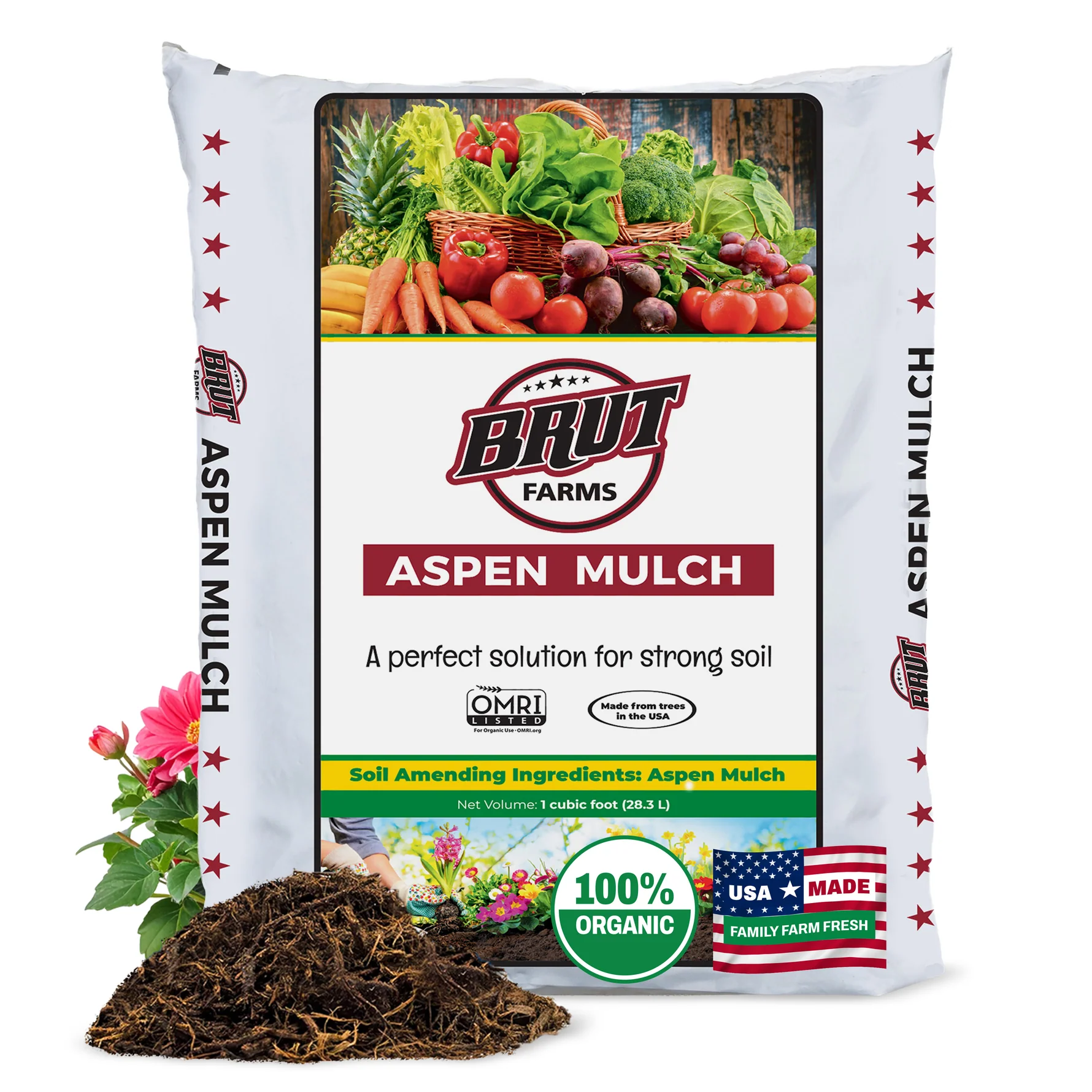
Brut Organic Aspen Mulch creates a clean, polished garden surface while helping minimize weeds naturally. Its high-carbon, odor-free aspen bark supports beneficial soil microbes and improves soil structure for healthier plants. The mulch naturally retains moisture, promoting water-efficient root hydration for garden beds, potted plants, and outdoor planters. OMRI-listed for certified organic gardening.
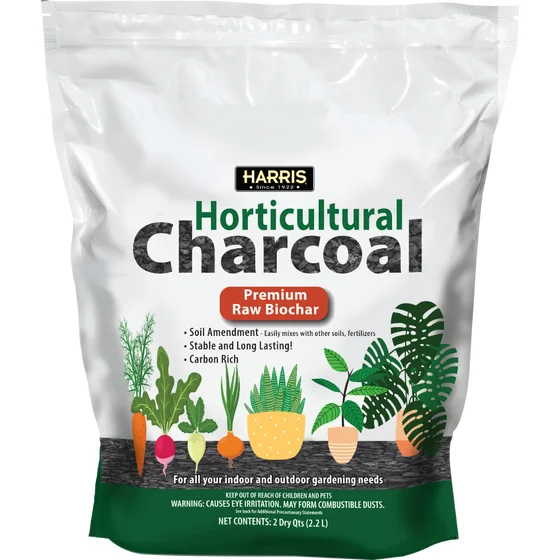
Harris Horticultural Charcoal premium biochar is a naturally derived soil amendment designed to increase soil carbon, nutrient content, and water retention. It helps support water-soluble nutrients and promotes beneficial microbial life for healthier plants. Ideal for indoor and outdoor use in gardens, ornamentals, terrariums, and small houseplants like orchids and bonsai.