
Best Soil for African Violets
African violets (Saintpaulia) have a reputation for being fussy, and in most cases the root cause is a soil problem rather than a light or watering issue. These plants evolved in humus-rich, well-drained soils in the highland forests of Tanzania and Kenya. Getting the potting mix right is the single change most likely to produce healthy foliage and consistent blooming.
What African Violets Need from Their Soil
African violets have fine, shallow roots that are sensitive to compaction and waterlogging. The ideal potting mix for these plants is lightweight, highly porous, moisture-retentive without being waterlogged, and slightly acidic with a pH of 5.8 to 6.5.
Standard garden soil is completely unsuitable: it compacts around the fine root system, seals out air, and holds far too much water. Even many general-purpose potting mixes are too dense and moisture-retentive for African violets unless they are amended with additional drainage material.
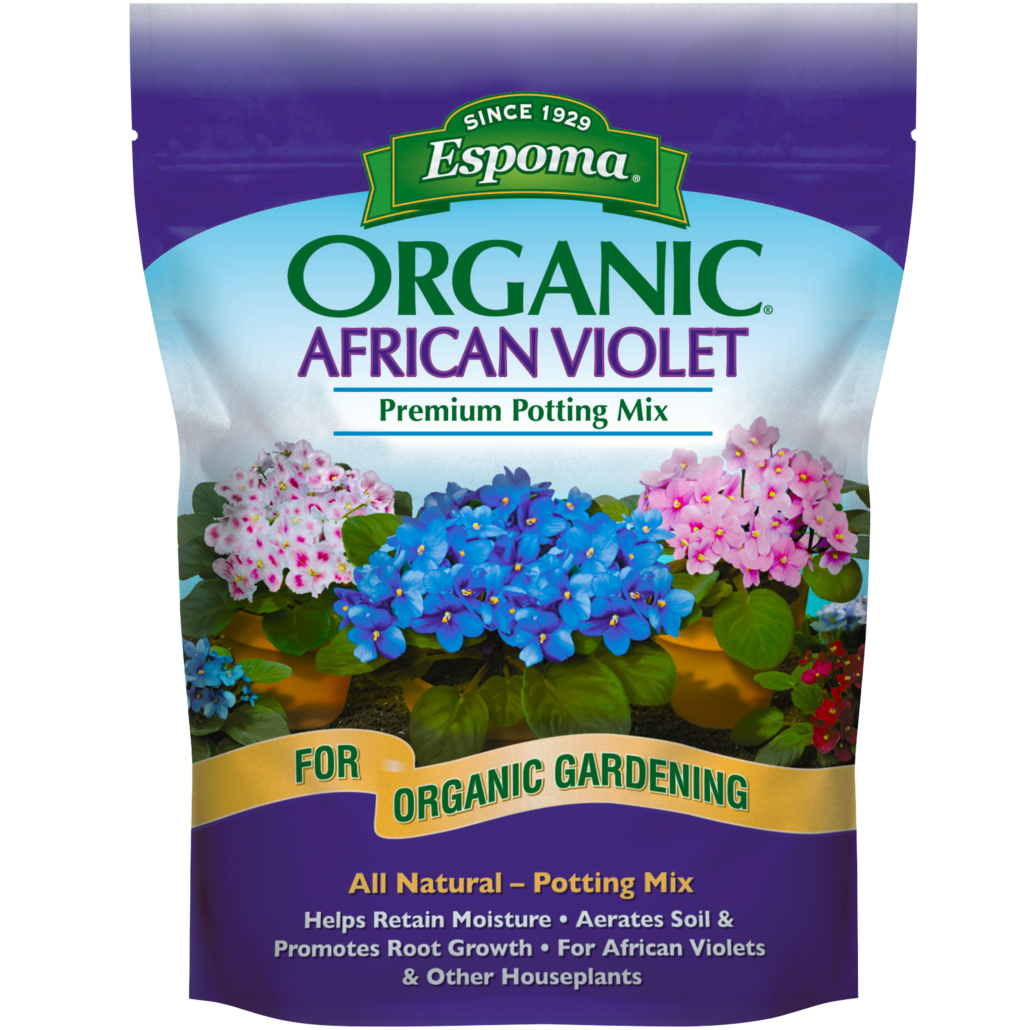
This Espoma organic potting soil mix is designed for African violets and indoor flowering houseplants, helping support healthy growth and flowering. It contains a rich blend of sphagnum peat moss, humus, perlite, and yucca extract, with no synthetic plant foods or chemicals. Use it anytime you’re planting, starting new violets, or transplanting into a larger container.
Espoma Organic Lawn Soil is an all-natural organic soil mix designed to promote seed germination and help new sod establish. It contains earthworm castings, alfalfa meal, kelp meal, and feather meal, enhanced with Espoma MYCO-TONE, a blend of endo and ecto mycorrhizae fungi. Use it anytime you sow new grass seed or install sod for organic gardening results with no synthetic plant foods or chemicals.
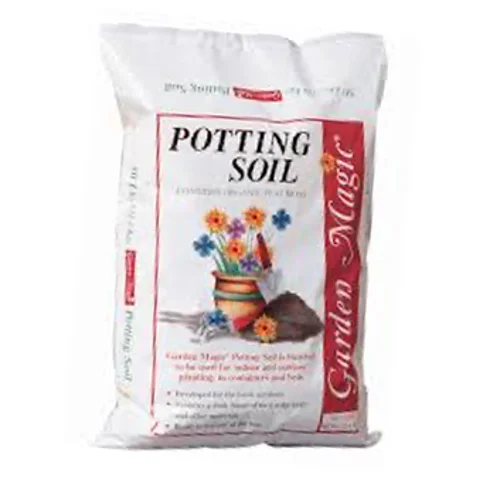
Grow healthy plants with this general-purpose potting soil featuring a blended formula for indoor and outdoor use. Its moisture-retaining design helps sustain active growth during moderate dry spells. The dark blend of reed sedge peat, organic peat moss, and other materials supports strong rooting for a reliable, ready-to-use planting mix.
The Best Potting Mix Formula
The most reliable approach for African violets is a custom mix you can blend in a few minutes from common ingredients. Combine one part peat moss or coir, one part perlite, and one part vermiculite. This ratio produces a mix that is light, well-aerated, moisture-retentive without becoming waterlogged, and slightly acidic from the peat component.
If you prefer a ready-made product, look for mixes specifically labeled for African violets and Saintpaulia. These are usually peat-based with higher perlite or vermiculite content than standard indoor mixes. Avoid any product containing significant amounts of bark chips or wood-based material, which can compete with roots for nitrogen as they decompose.
Pot Size and Drainage
African violets bloom most reliably when slightly root-bound. Use pots that are approximately one-third the diameter of the leaf spread of the plant. Ensure the pot has adequate drainage holes. African violet pots with self-watering reservoirs work well for this plant because they allow roots to absorb moisture from below without the crown or roots sitting in standing water, which causes rot.
Repot every 12 to 18 months even if the plant does not appear pot-bound, because the potting mix degrades and compresses over time. Fresh mix restores the aeration that the roots need for healthy growth and flowering. When repotting, remove any yellow or brown outer leaves, trim damaged roots, and use fresh mix entirely rather than reusing the old medium.
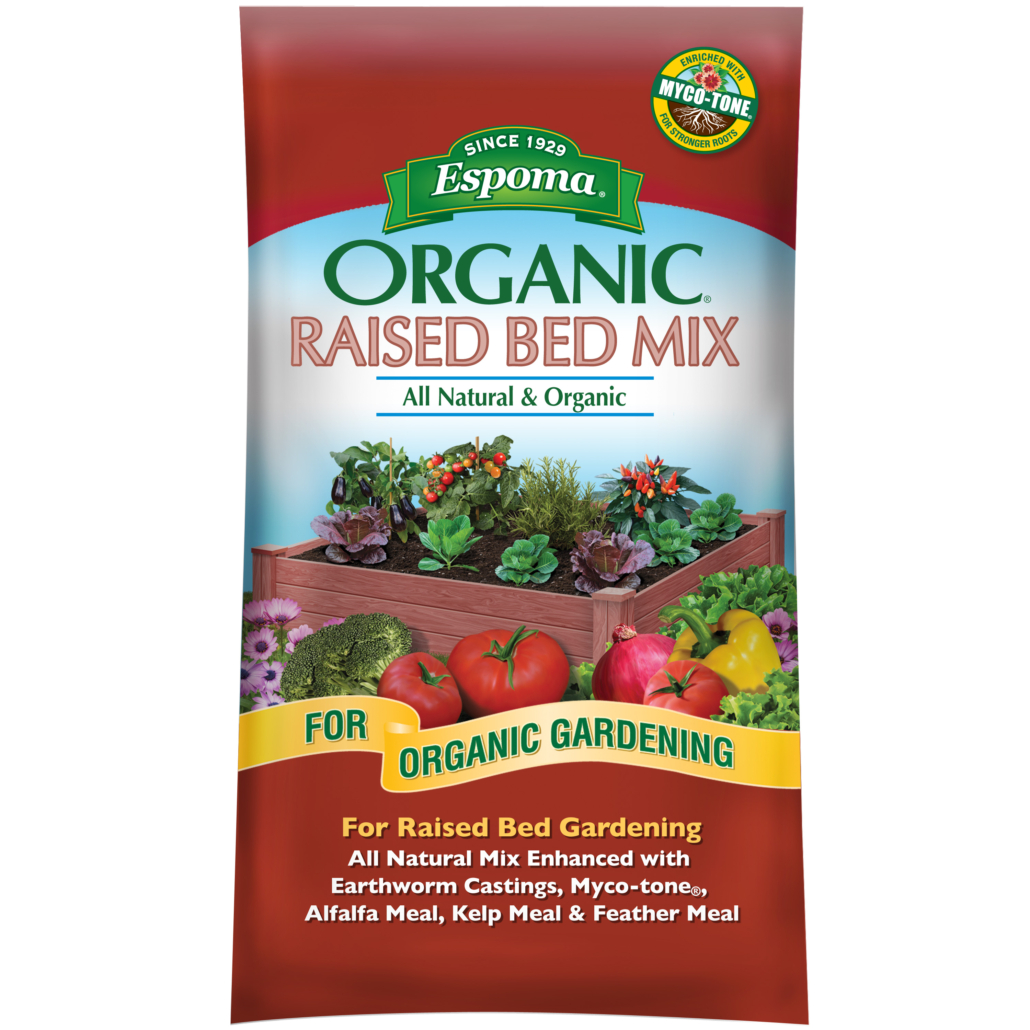
Espoma Organic Raised Bed Mix is an all-natural potting soil blend designed for raised garden beds and outdoor containers. It’s enriched with earthworm castings and organic meals for strong, healthy plant growth, plus MYCO-TONE with endo and ecto mycorrhizae. This ready-to-use mix contains no synthetic plant foods or chemicals, making it ideal for organic gardening.
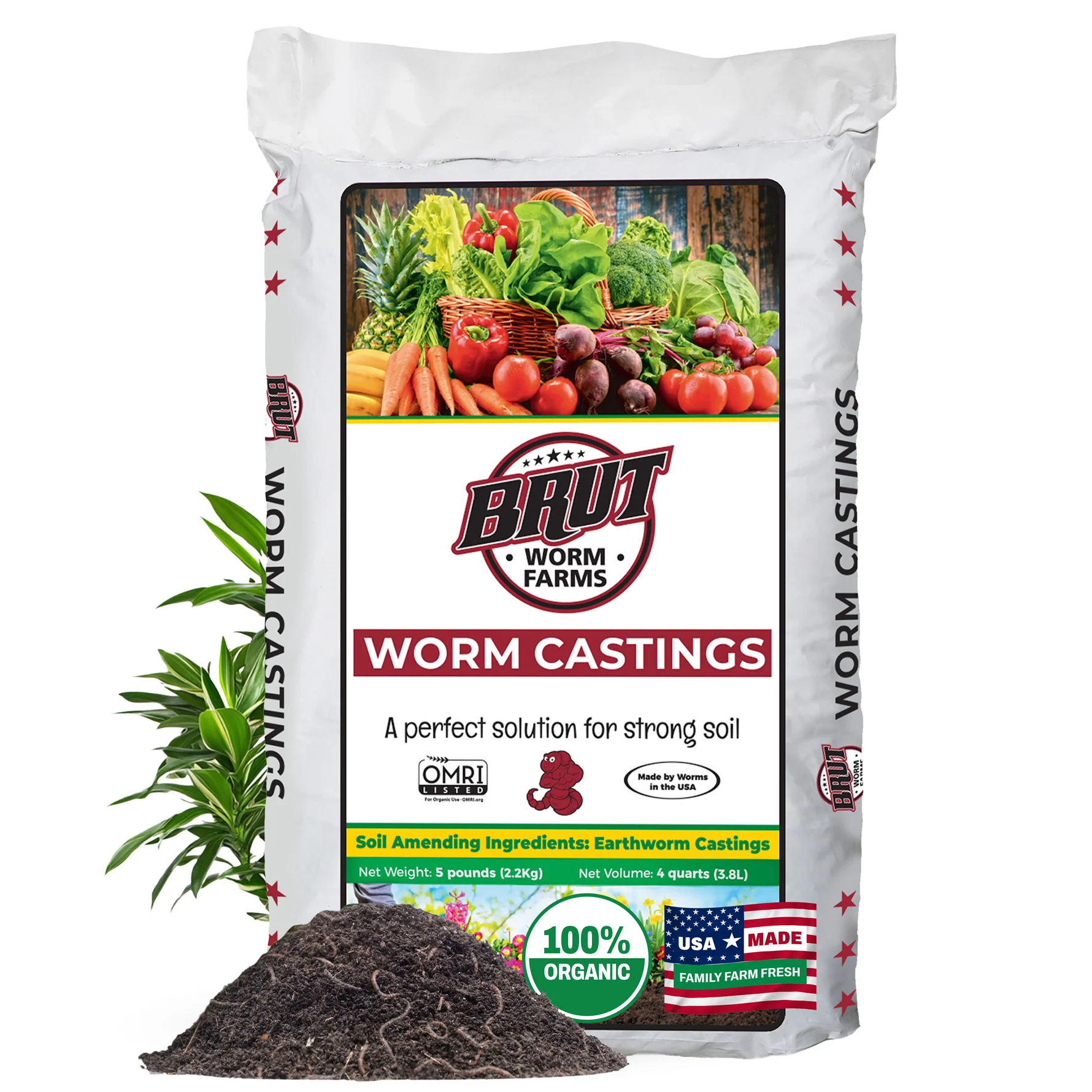
Brut organic worm castings provide mineral-rich, certified organic nutrition to supercharge indoor and outdoor plants. Raised indoors in containers for purity, these castings support lush greenery, vibrant blooms, and bountiful harvests. OMRI and CDFA listed formula helps deliver nature’s nutrients directly to plant roots for healthy growth from root to leaf.