
Does Potting Soil Go Bad? How to Tell and What to Do
Potting soil does degrade over time, and using a compromised mix can cause problems that are easy to misread as watering errors or plant disease. Understanding what happens to potting soil as it ages, how to evaluate what you have, and what to do with old mix saves money on replacements and prevents the frustrating cycle of replanting into medium that was never going to work.
What Happens to Potting Soil Over Time
Fresh potting mix is a carefully engineered medium. Commercial potting soils typically contain peat moss or coir as the base for moisture retention, perlite or vermiculite for drainage and aeration, and often slow-release fertilizer and wetting agents. Each of these components changes with time and use.
Peat moss and coir break down over months and years, compressing under their own weight and under the pressure of repeated watering. As these organic components decompose, the air pockets that allow root respiration disappear. What was once a light, well-aerated mix becomes dense and poorly draining, which creates conditions that favor root rot and anaerobic bacteria.
Perlite and vermiculite do not degrade significantly, but they can sink to the bottom of a pot or wash out through drainage holes over repeated watering cycles, reducing the drainage and aeration they were added to provide.
Slow-release fertilizer granules embedded in fresh potting mix deplete within one to six months depending on formulation. An old mix may provide little or no baseline nutrition. Wetting agents also lose effectiveness over time, which is why old potting soil sometimes becomes hydrophobic: water beads on the surface and channels through gaps rather than absorbing evenly.
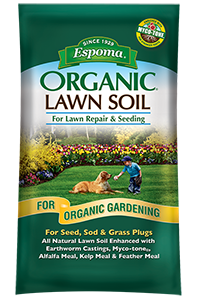
Espoma Organic Lawn Soil is an all-natural organic soil mix designed to promote seed germination and help new sod establish. It contains earthworm castings, alfalfa meal, kelp meal, and feather meal, enhanced with Espoma MYCO-TONE, a blend of endo and ecto mycorrhizae fungi. Use it anytime you sow new grass seed or install sod for organic gardening results with no synthetic plant foods or chemicals.
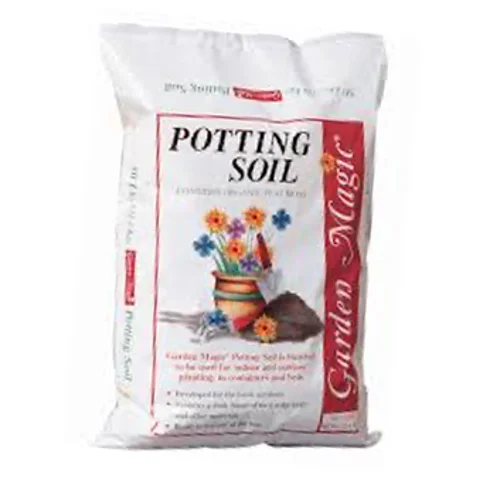
Grow healthy plants with this general-purpose potting soil featuring a blended formula for indoor and outdoor use. Its moisture-retaining design helps sustain active growth during moderate dry spells. The dark blend of reed sedge peat, organic peat moss, and other materials supports strong rooting for a reliable, ready-to-use planting mix.
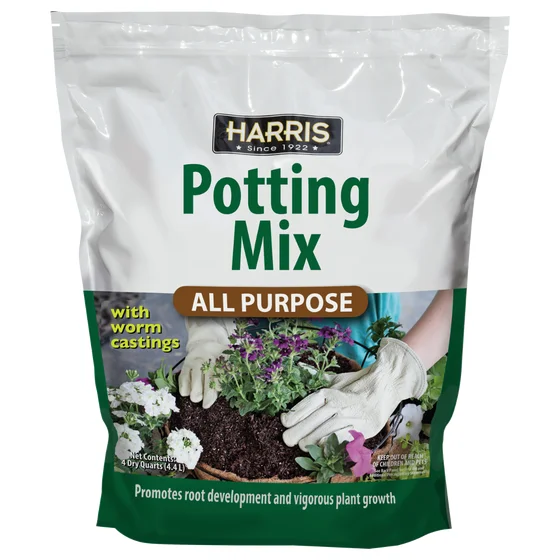
Harris All Purpose Potting Soil Mix is formulated with a blend of worm castings and premium ingredients to support healthy growth in containers. Ideal for container gardening, flower boxes, and hanging baskets, it works for both indoor and outdoor use. Use it as an amendment for garden soil or to build up raised beds for everyday gardening needs.
Signs That Potting Soil Has Gone Bad
Compaction and poor drainage are the most common indicators. If water sits on the surface for more than 30 seconds before absorbing, or runs straight through a pot without wetting the root zone evenly, the structure has broken down.
Hydrophobic behavior often appears in potting mix that has been stored partially wet, dried out completely in a bag, or used for more than one season. A dry, water-repelling mix can be tested by placing a small handful in a cup of water. If it floats and resists wetting for more than a few minutes, the organic components have become hydrophobic.
Visible mold or fungal growth on the surface of stored soil or in active pots suggests elevated moisture and potentially problematic organisms. Surface mold is not always dangerous, but it indicates that the storage or watering conditions are creating an environment for problems. The full discussion of mold in potting soil, including which types are harmless and which require action, is covered in the moldy potting soil guide.
Strong ammonia or sour smell indicates anaerobic decomposition, which produces conditions hostile to most plant roots.
Can Old Potting Soil Be Revived?
Old potting mix can be refreshed for another season if its problems are structural rather than pathogenic. Mix in 20 to 30 percent by volume of fresh perlite to restore drainage and aeration. Add 20 percent by volume of fresh compost or new potting mix to reintroduce organic matter and some biological activity. A slow-release balanced fertilizer added at the label rate restores nutrients.
Hydrophobic mix can often be restored by soaking it in a bucket of water with a small amount of dish soap for 30 minutes before repotting. The wetting agent in the soap overcomes the water-repelling surface chemistry and allows the organic material to reabsorb moisture.
Do not try to revive potting mix that previously held a diseased plant without sterilizing it first. The soil sterilization guide covers the heat and chemical methods for making old mix safe for reuse.
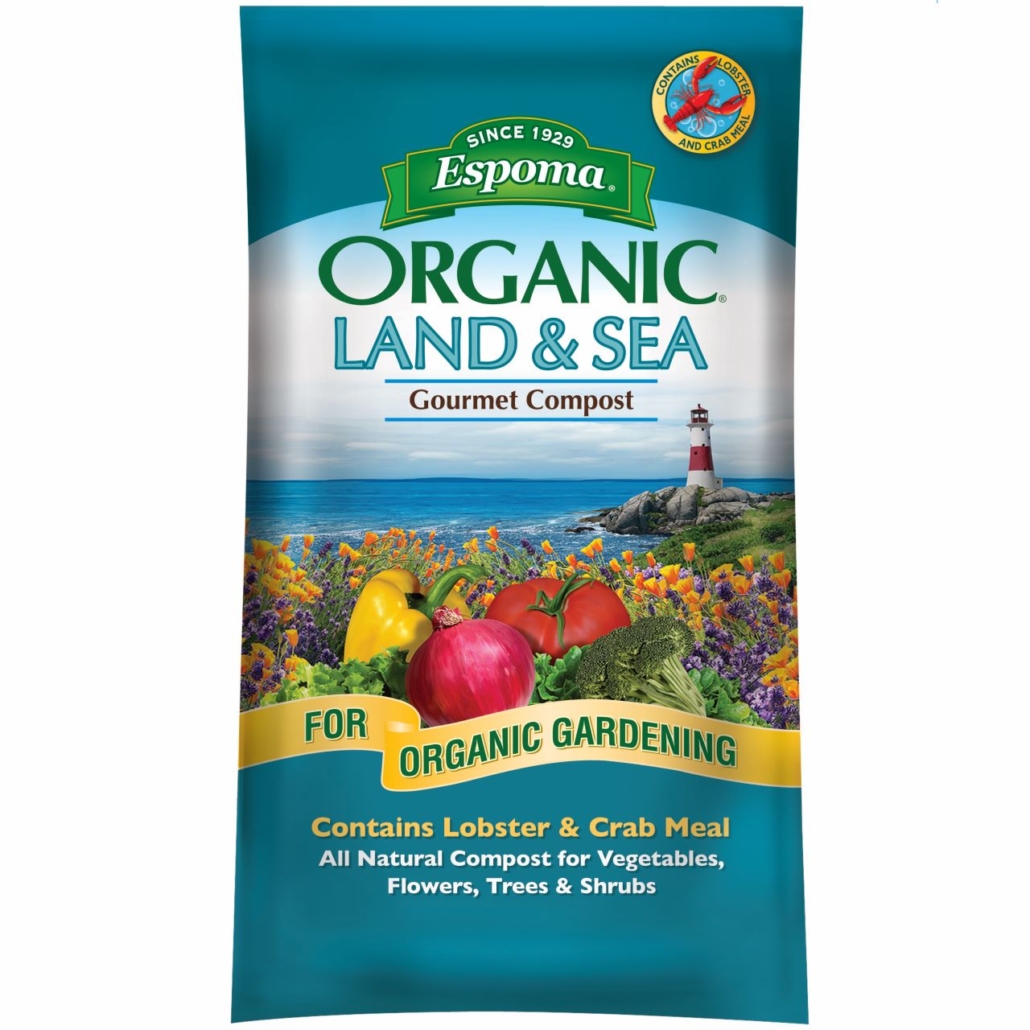
Espoma Organic Land and Sea Gourmet Compost is a rich organic planting mix designed to improve native soil and revitalize container gardens. Enriched with both lobster and crab meal, it supports healthy growth for vegetables, flowers, trees, and shrubs. The blend also includes myco-tone endo and ecto mycorrhizae and contains no synthetic plant foods or chemicals.
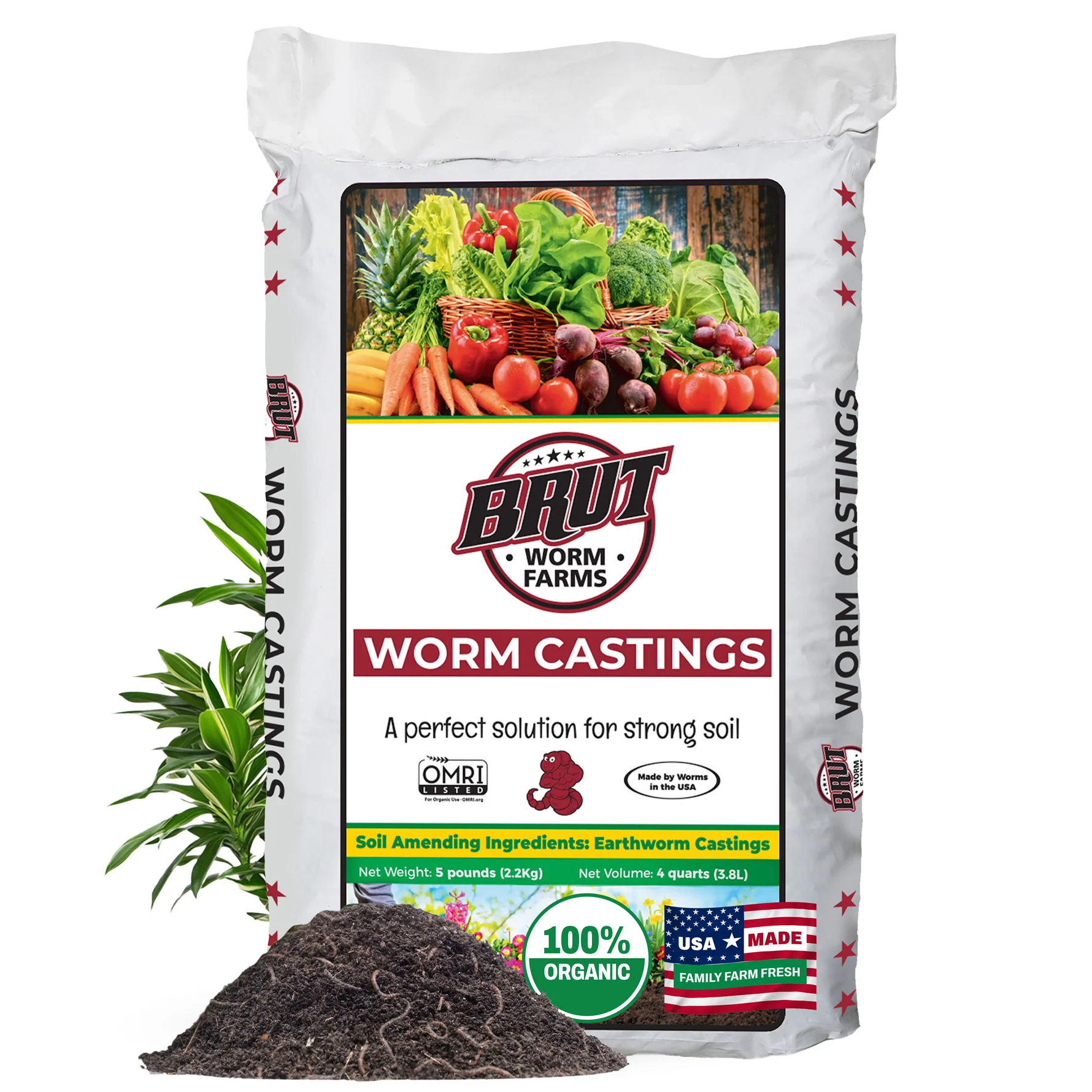
Brut organic worm castings provide mineral-rich, certified organic nutrition to supercharge indoor and outdoor plants. Raised indoors in containers for purity, these castings support lush greenery, vibrant blooms, and bountiful harvests. OMRI and CDFA listed formula helps deliver nature’s nutrients directly to plant roots for healthy growth from root to leaf.
When to Replace Rather Than Refresh
Replace potting mix entirely when it was used for a plant that died from root rot or a soil-borne fungal disease, when it is more than two years old and has not been refreshed, or when the level of compaction is so severe that refreshing would require replacing more than half the volume with new material. At that point, starting with fresh mix costs less time and money than attempting restoration.
Proper storage extends the useful life of unused potting soil significantly. The best practices for keeping an open bag in good condition are covered in the potting soil storage guide.