
Moldy Potting Soil: Causes, Risks, and How to Fix It
A white or gray fuzzy growth appearing on the surface of potting soil is one of the more alarming sights in container gardening. In most cases, surface mold in potting soil is caused by beneficial saprophytic fungi breaking down organic matter in the mix and poses no direct threat to the plant. In some cases, however, it signals overwatering, poor drainage, or a more serious pathogenic fungus that can spread to roots and cause real damage.
What Causes Mold to Appear
Fungi that colonize potting soil surfaces thrive in the same conditions that stress plant roots: high moisture, low airflow, low light, and cool temperatures. Indoor containers are particularly susceptible because they combine all four. Watering too frequently without allowing the top layer of soil to dry between sessions creates sustained surface moisture that favors fungal growth.
Organic material in the potting mix, including peat, compost, bark, and coir, provides the carbon source that saprophytic fungi decompose. These fungi are natural decomposers and their presence in soil is ecologically normal. What triggers visible surface growth is the combination of adequate moisture and organic material in an environment where evaporation is slow.
Compost added to potting mixes sometimes brings fungal spores with it. Reused potting soil from previous seasons is more likely to show mold growth than fresh mix.
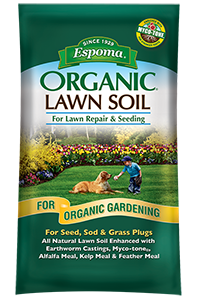
Espoma Organic Lawn Soil is an all-natural organic soil mix designed to promote seed germination and help new sod establish. It contains earthworm castings, alfalfa meal, kelp meal, and feather meal, enhanced with Espoma MYCO-TONE, a blend of endo and ecto mycorrhizae fungi. Use it anytime you sow new grass seed or install sod for organic gardening results with no synthetic plant foods or chemicals.
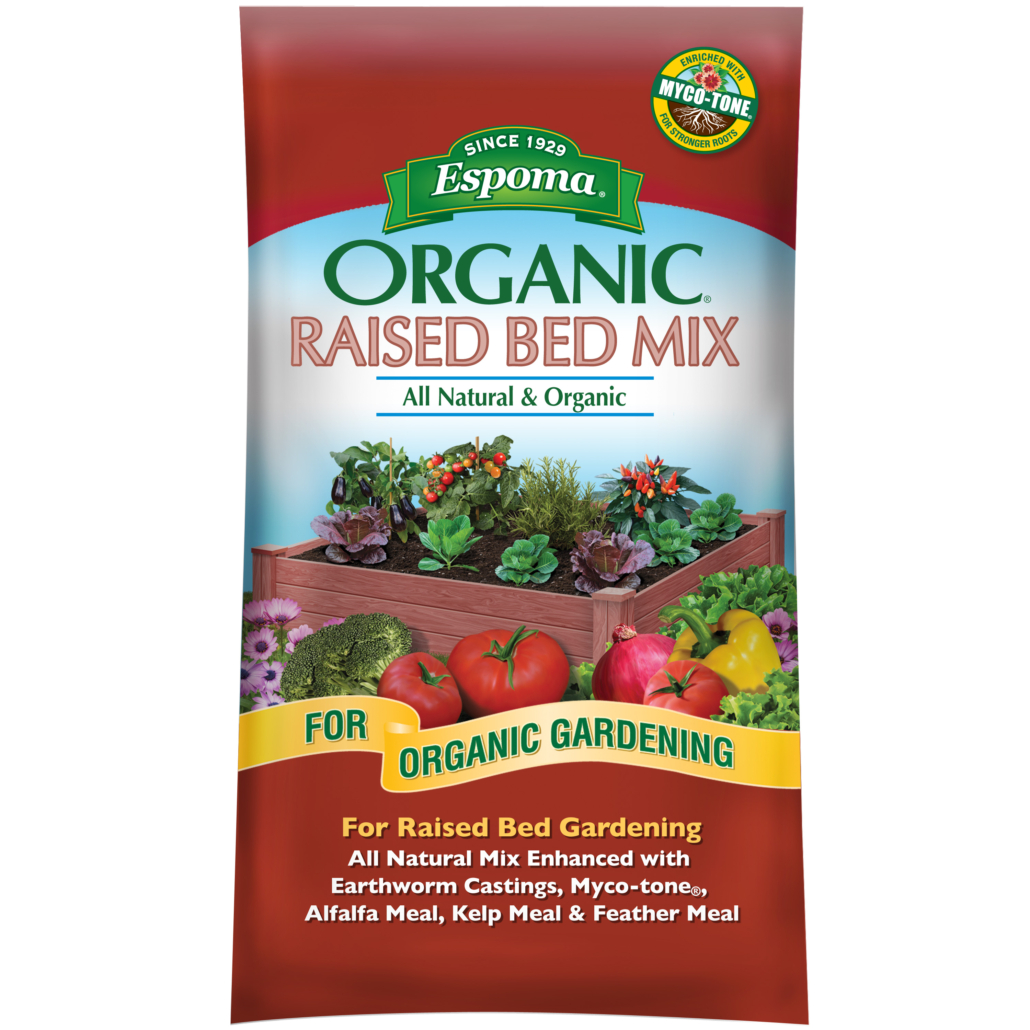
Espoma Organic Raised Bed Mix is an all-natural potting soil blend designed for raised garden beds and outdoor containers. It’s enriched with earthworm castings and organic meals for strong, healthy plant growth, plus MYCO-TONE with endo and ecto mycorrhizae. This ready-to-use mix contains no synthetic plant foods or chemicals, making it ideal for organic gardening.
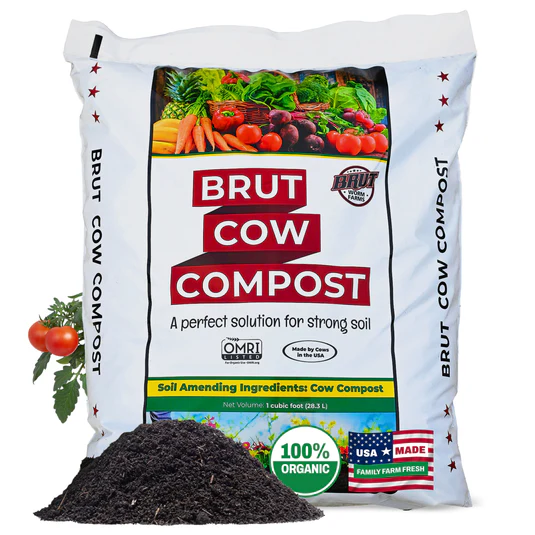
Brut Cow Compost is a nutrient-rich organic soil amendment made from 100% pure, thoroughly composted cow manure. It enriches soil with nitrogen, calcium, and iron, supports beneficial microbial life, and helps plants produce stronger growth. Odor-free and gentle on roots, it can be used for vegetables, flowers, lawns, shrubs, and indoor plants as a top dressing or mixed into garden and potting soil.
Is the Mold Harmful?
White, powdery surface mold that grows in scattered patches and does not penetrate below the surface is almost always a saprophytic fungus. It is breaking down organic matter and is not attacking the plant. You can remove it physically without treatment.
Gray or green mold with a woolly texture that spreads rapidly or grows on stems near the soil surface is more likely to be a pathogenic Botrytis or related fungus, especially if the plant shows signs of stem rot at the soil line.
Yellow-orange or black soil surface discoloration combined with a sour smell and plant decline is a sign of Pythium or Phytophthora activity, which is a root-rot situation requiring immediate action. The diagnosis and treatment of root rot from the plant side is covered in the root rot guide.
How to Remove Surface Mold
For saprophytic surface mold, the simplest fix is physical removal. Scoop out the top 2 to 3 centimeters of potting soil and replace with fresh mix. Sprinkle a thin layer of horticultural grit or perlite over the new surface: a mineral top-dressing dries quickly after watering and makes the surface inhospitable to fungal growth.
A diluted hydrogen peroxide drench applied as described in the hydrogen peroxide for plants guide kills surface fungi on contact without harming plant roots and provides a short-term reset of the soil biology.
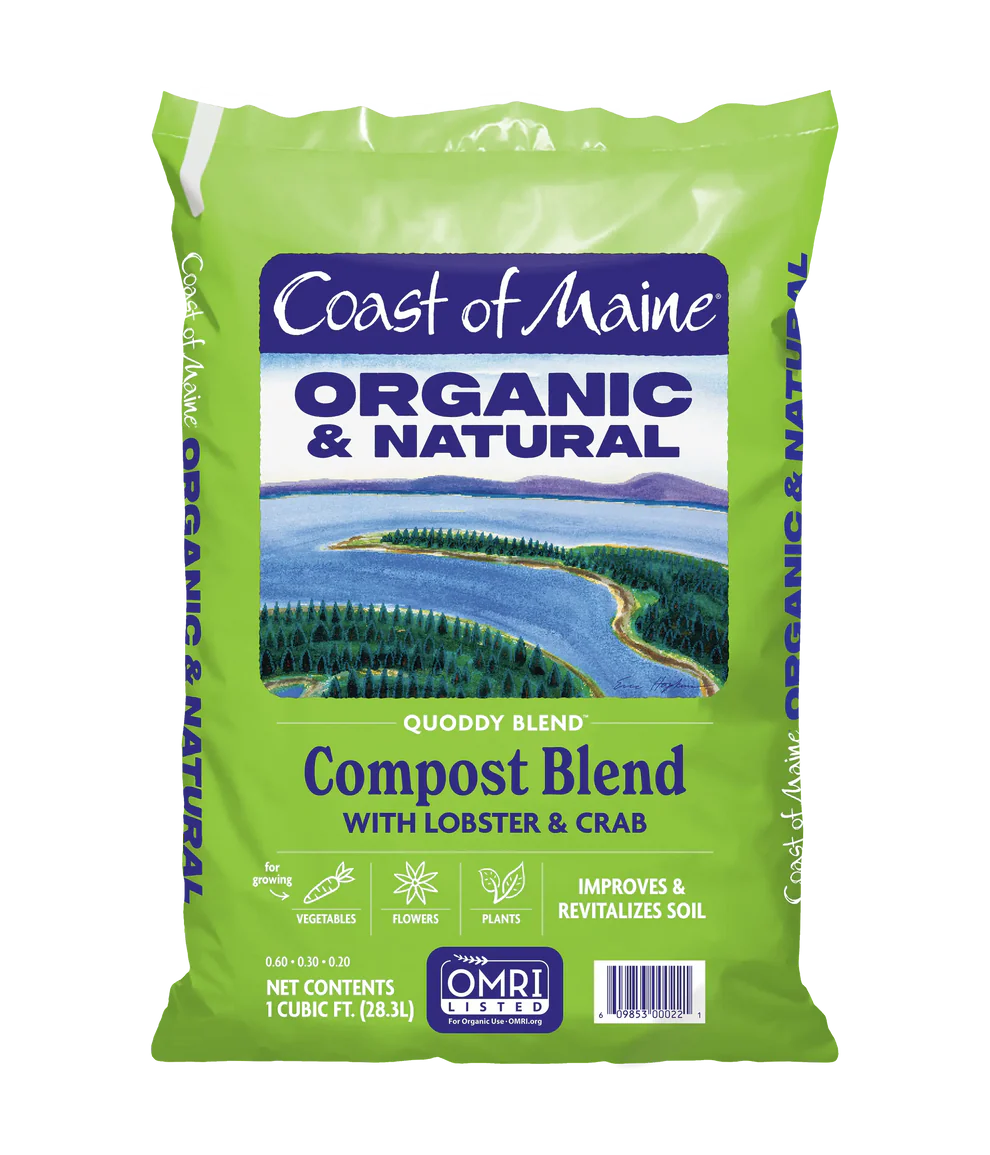
Coast of Maine’s Organic & Natural Quoddy Blend is a premium seafood compost made from lobster and crab shell meal, composted manure, and peat moss to enrich garden soil. It improves soil structure by supporting better drainage, aeration, and water retention for healthier root development. OMRI listed for organic use, it’s a versatile choice for gardens, beds, borders, trees, shrubs, and foliage.
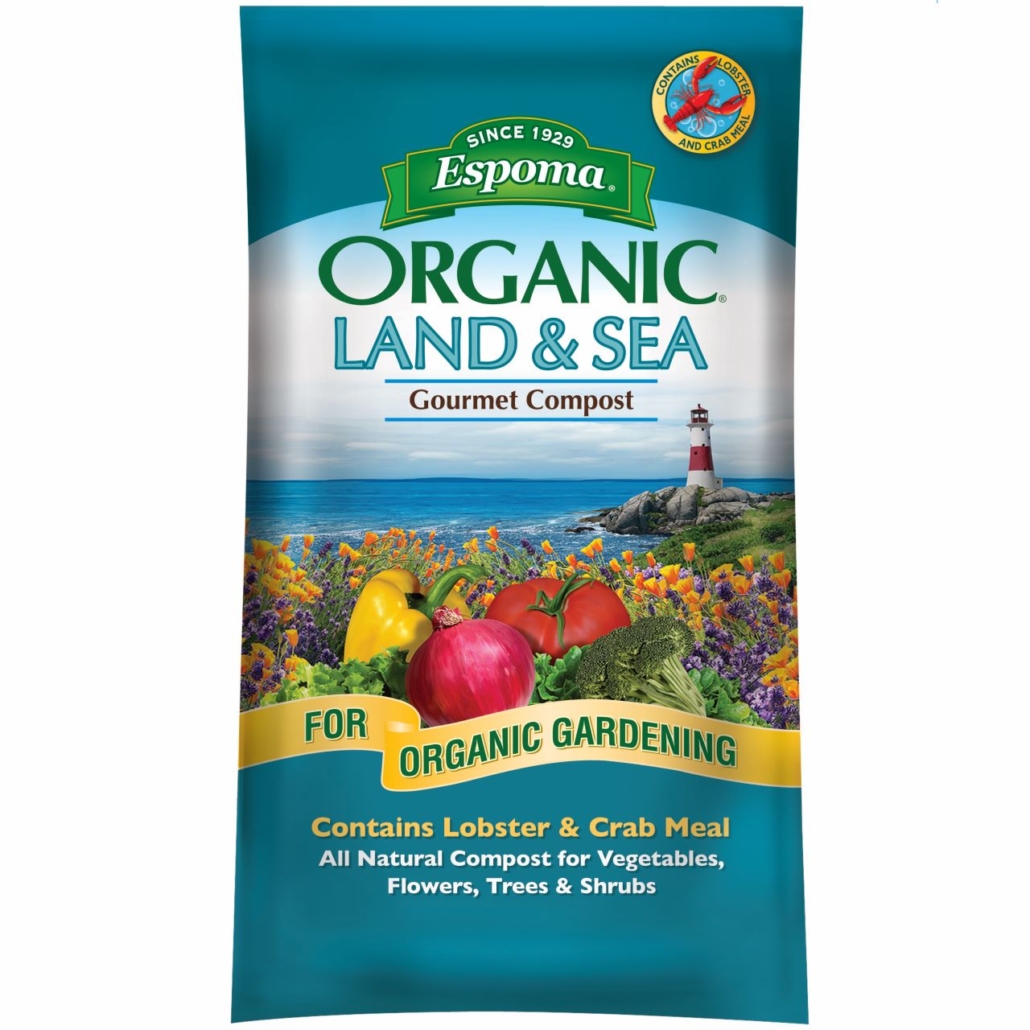
Espoma Organic Land and Sea Gourmet Compost is a rich organic planting mix designed to improve native soil and revitalize container gardens. Enriched with both lobster and crab meal, it supports healthy growth for vegetables, flowers, trees, and shrubs. The blend also includes myco-tone endo and ecto mycorrhizae and contains no synthetic plant foods or chemicals.
Preventing Mold from Returning
Mold prevention is about reducing the three conditions that favor growth: excess moisture, low airflow, and stagnant surface conditions. Water less frequently and allow the top 2 to 3 centimeters of soil to dry between sessions. Move the plant to a location with better airflow. Add a perlite or grit top-dressing after removing the mold. If the mix is old and dense, replace it with fresh, well-draining potting soil.