
Rocks on Top of Potted Plants: Do They Help or Hurt?
A top-dressing of pebbles or decorative rocks over a potted plant’s soil surface has become a popular styling choice in indoor gardening. Beyond aesthetics, rocks on potting soil do have real functional effects, some helpful and some not, and understanding the difference lets you make the choice that works for your plant rather than against it.
Potential Benefits of Surface Rocks
Suppressing fungus gnats is the most well-supported practical benefit. Fungus gnats lay eggs in the top 2 to 3 centimeters of moist potting soil. A thick layer of pebbles or coarse horticultural grit covering the soil surface makes that zone physically inaccessible for egg-laying. A layer of at least 2 centimeters of material that dries quickly after watering reduces fungus gnat populations significantly over successive generations.
Moisture retention in outdoor containers is another legitimate benefit. A pebble layer reduces evaporation from the soil surface in hot, dry conditions, which is useful for large outdoor containers that dry out quickly in summer. This is the same principle as organic mulch in garden beds.
Aesthetic finish is a valid reason on its own. Rocks give an unfinished potting surface a cleaner look and can help stabilize loose, light mixes in high-traffic indoor spaces.
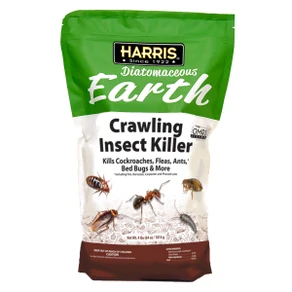
HARRIS Food Grade Diatomaceous Earth is made from 100% ground freshwater diatomaceous earth with no additives or fillers, making it suitable for food-grade use. It comes with a powder duster for easy, efficient application on animal feed. OMRI listed, and Harris supports the local Etowah Valley Humane Society with a portion of profits.
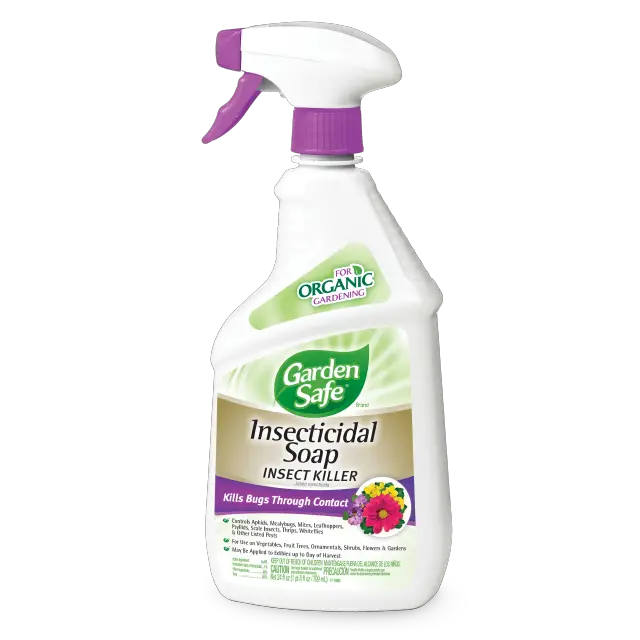
Garden Safe insecticidal soap is a ready-to-use contact spray that kills listed garden pests when sprayed directly on them. It’s formulated for organic gardening and can be used on vegetables, fruit trees, ornamentals, shrubs, flowers, and in indoor, outdoor, and greenhouse applications. For convenience, it may be applied to edibles up to and including the day of harvest.
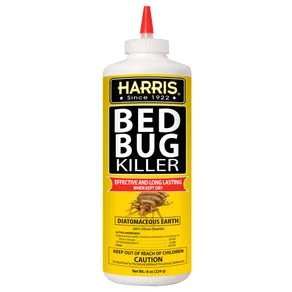
Harris Diatomaceous Earth powder provides thorough bed bug treatment, including hard-to-reach areas, with simple application using the included puffer tip. Bed bugs that contact the powder die within 48 hours, and the dry powder continues killing for weeks for extended residual protection. It is EPA registered for use in homes with people and pets and is also OMRI listed for organic mineral use.
When Rocks Cause Problems
Overwatering risk increases when rocks obscure the soil surface for moisture-sensitive plants. Many growers check whether to water by pressing a finger into the top centimeter of soil. A pebble layer prevents this check, making it easy to water on a schedule rather than in response to actual soil moisture, which frequently leads to overwatering plants that need a dry period between waterings.
Mold and moisture retention in poor conditions can be made worse by rocks that trap moisture in low-evaporation indoor environments. If the soil beneath the rocks stays wet for extended periods, surface mold is likely to develop.
What Does Not Help: Rocks at the Bottom of Pots
Rocks at the bottom of a pot, placed before adding potting mix, do not improve drainage. This is one of the most persistent myths in container gardening. The physics of soil water movement means that water does not drain from a fine-textured medium (potting mix) into a coarse medium (rocks) until the potting mix above is completely saturated. The rocks create a perched water table that actually keeps the potting mix above wetter for longer than a pot filled entirely with potting mix and drainage holes. If drainage is the concern, use a fast-draining mix and adequate drainage holes.