
Understanding Garden Soil Types: How to Test and Improve Yours
Garden soil type controls drainage, water retention, root penetration, and nutrient availability in ways that no amount of fertilizer or watering technique can fully compensate for. Identifying your soil type accurately is the first diagnostic step in any garden improvement project, and the tools required cost nothing more than a jar of water and a few minutes of your time.
The Four Main Garden Soil Types
Soil texture is determined by the relative proportions of sand, silt, and clay particles it contains. These three particle sizes behave very differently when wet, and their ratio determines how your soil drains, compacts, and holds nutrients.
Sandy soil has large particles with large gaps between them. Water moves through sandy soil quickly, which prevents waterlogging but also means nutrients leach out of the root zone before plants can absorb them. Sandy soil warms up fast in spring, making it good for early sowing, but it dries out rapidly and needs more frequent watering and feeding than heavier soils. Sandy soil has low cation exchange capacity, meaning it holds onto fewer dissolved nutrients.
Clay soil has very fine particles that pack together tightly. Clay drains slowly, stays wet longer after rain, and becomes hard and cracked when it dries. Roots struggle to penetrate dense clay, and compaction from foot traffic or machinery makes the problem worse. However, clay holds nutrients well and stays moist through dry spells once it is correctly structured. Improving clay soil with organic matter is a multi-year process that transforms its drainage and workability permanently.
Silt soil sits between sand and clay in particle size. Silty soils are fertile and retain moisture reasonably well, but the fine particles compact easily under rain or foot traffic, forming a surface crust that prevents water from infiltrating. Silt is most common in low-lying areas near rivers and floodplains.
Loam is the ideal garden soil type: a balanced mixture of sand, silt, and clay in proportions that drain well but retain enough moisture for root access. True loam is workable, nutrient-retentive, and resistant to compaction. If your soil is already loamy, the job is maintaining it with annual organic matter additions rather than correcting structural problems.
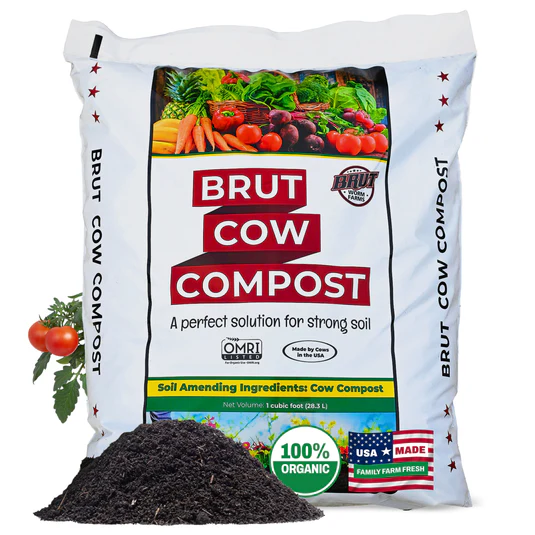
Brut Cow Compost is a nutrient-rich organic soil amendment made from 100% pure, thoroughly composted cow manure. It enriches soil with nitrogen, calcium, and iron, supports beneficial microbial life, and helps plants produce stronger growth. Odor-free and gentle on roots, it can be used for vegetables, flowers, lawns, shrubs, and indoor plants as a top dressing or mixed into garden and potting soil.
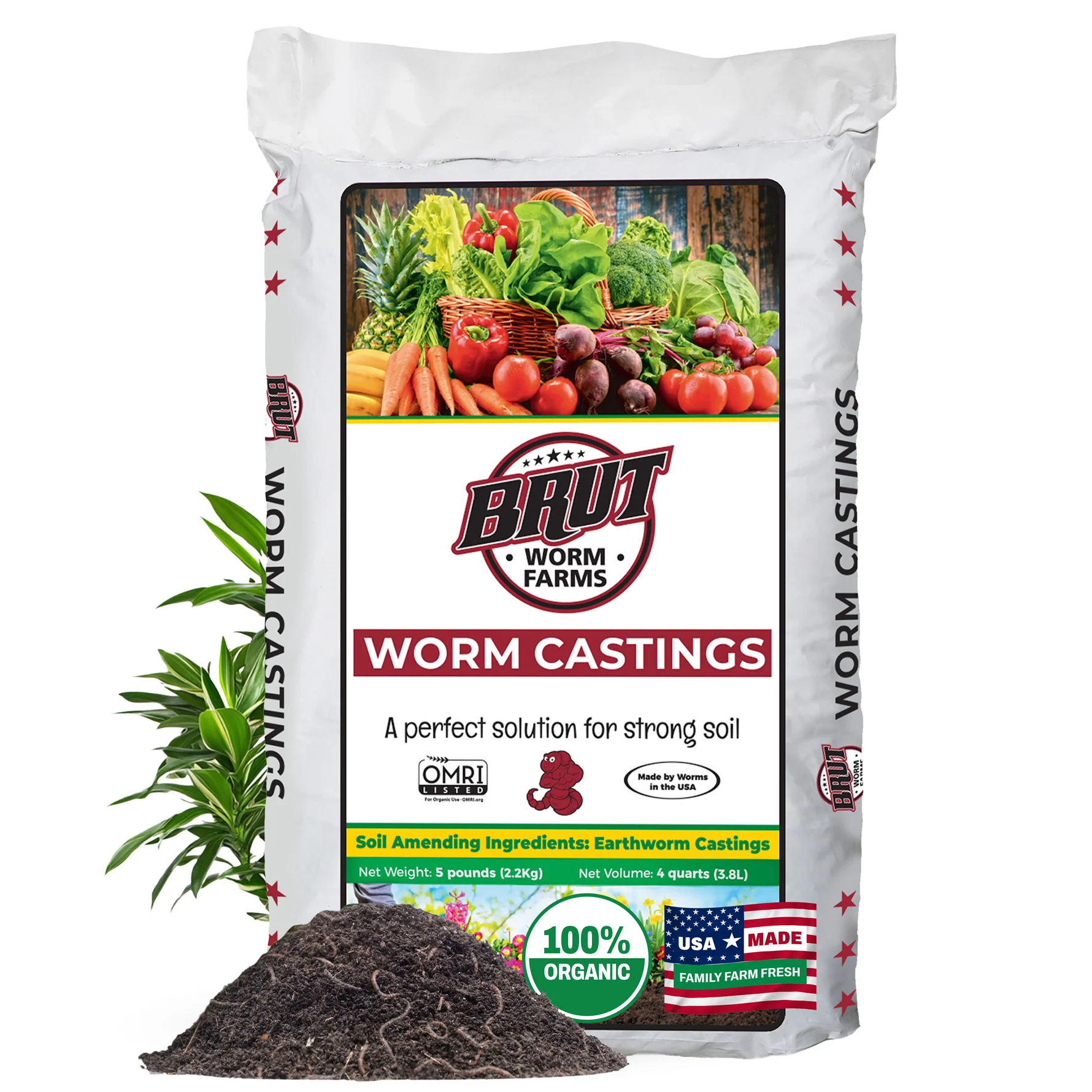
Brut organic worm castings provide mineral-rich, certified organic nutrition to supercharge indoor and outdoor plants. Raised indoors in containers for purity, these castings support lush greenery, vibrant blooms, and bountiful harvests. OMRI and CDFA listed formula helps deliver nature’s nutrients directly to plant roots for healthy growth from root to leaf.
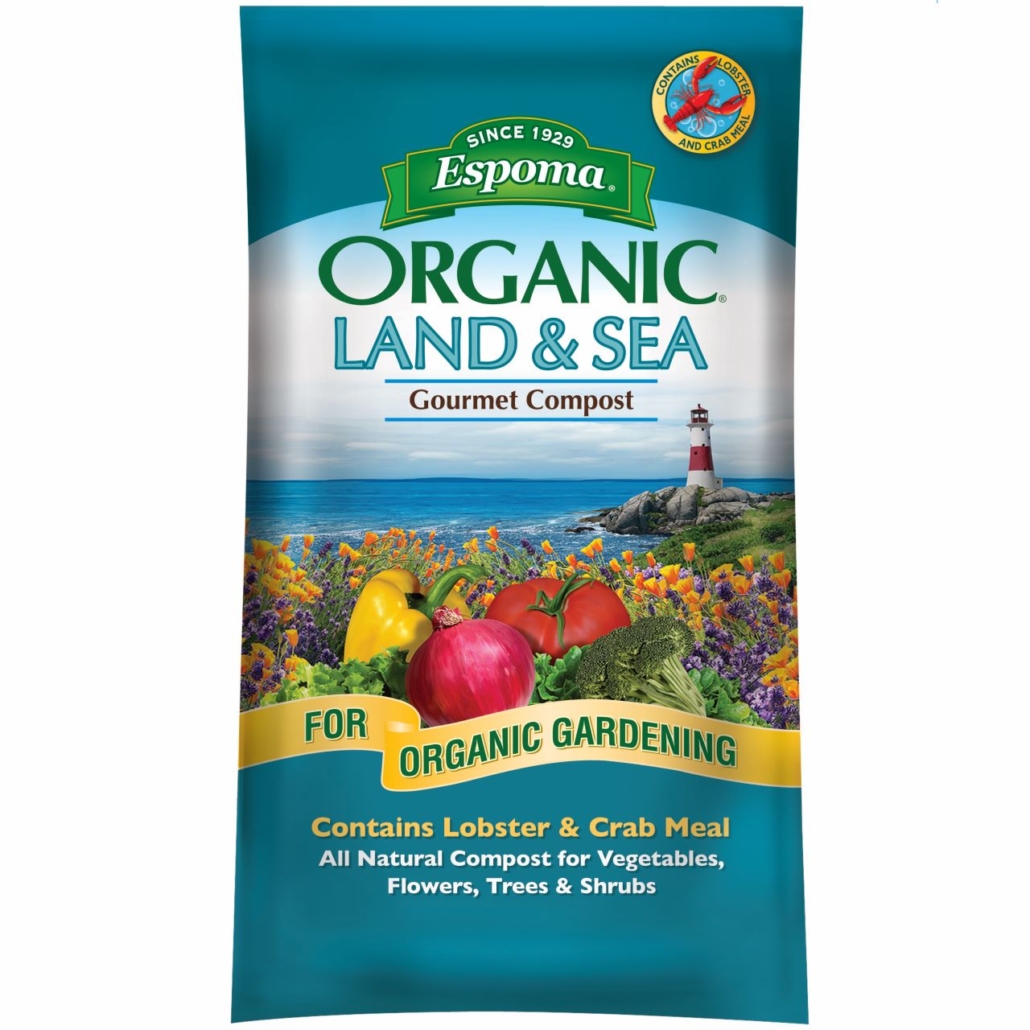
Espoma Organic Land and Sea Gourmet Compost is a rich organic planting mix designed to improve native soil and revitalize container gardens. Enriched with both lobster and crab meal, it supports healthy growth for vegetables, flowers, trees, and shrubs. The blend also includes myco-tone endo and ecto mycorrhizae and contains no synthetic plant foods or chemicals.
How to Test Your Soil Type at Home
The ribbon test is the simplest method. Take a handful of moist soil and squeeze it firmly in your palm, then try to form it into a ribbon by pressing it between your thumb and index finger. Sandy soil crumbles and will not form a ribbon. Clay soil forms a long, slick ribbon of 5 centimeters or more. Loam forms a short ribbon of 2 to 3 centimeters before it breaks. Silt forms a ribbon but has a slightly floury texture.
The jar test shows the particle breakdown more precisely. Fill a clear jar one-third full of soil, top it up with water, add a teaspoon of dish soap, seal it, and shake vigorously. Let it settle for 24 to 48 hours. Sand settles first at the bottom, silt forms the middle layer, and clay settles last on top. The proportions of each layer show your soil’s texture class.
Drainage test: Dig a hole 30 centimeters deep and 30 centimeters wide. Fill it with water and note how long it takes to drain completely. Well-draining loam clears in an hour or two. Sandy soil clears within 30 minutes. Clay soil may take several hours or fail to drain at all within that window.
Improving Sandy Soil
Sandy soil improves most reliably with regular, generous additions of organic matter. Compost incorporated at 5 to 10 centimeters deep at the start of each season builds organic content that holds moisture and binds nutrients in the root zone. Leaf mold is another effective amendment for sandy soil because it breaks down slowly and builds the spongy soil structure that retains water without waterlogging. Reducing the frequency of tillage protects the soil structure you build, because turning sandy soil repeatedly breaks down the aggregates that hold it together.
The relationship between compost additions and sandy soil improvement is well established, and the practical guidance on how much compost to add by soil type is covered in the compost application to soil guide.
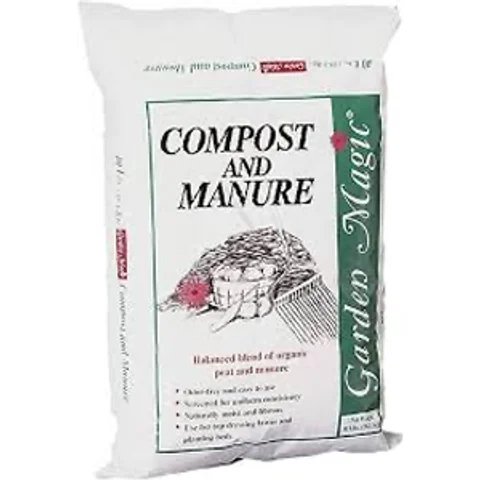
Enhance soil nutrition and garden vitality with this organic peat compost and manure blend designed for lawns and raised beds. The odor-free, ready-to-use mixture combines reed sedge peat and composted animal manure to support healthy growth for flowers, vegetables, and grass. Ideal for improving potting soil in planters or container gardening projects, each bag provides ample coverage for small-scale planting needs.
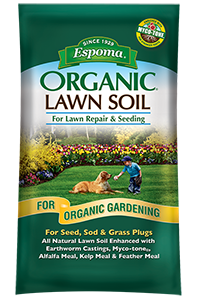
Espoma Organic Lawn Soil is an all-natural organic soil mix designed to promote seed germination and help new sod establish. It contains earthworm castings, alfalfa meal, kelp meal, and feather meal, enhanced with Espoma MYCO-TONE, a blend of endo and ecto mycorrhizae fungi. Use it anytime you sow new grass seed or install sod for organic gardening results with no synthetic plant foods or chemicals.
Improving Clay Soil
Clay soil responds best to a combination of organic matter and structural amendment. Gypsum (calcium sulfate) is the most reliable structural amendment for clay, opening up the particle structure without altering pH. Organic matter added year over year is the real engine of clay improvement because it creates aggregation: particles clump into larger structures with air pockets between them, which dramatically improves drainage and root penetration. Avoid tilling wet clay soil, which destroys any structure you have built and creates a smeared, compacted layer called a hardpan below the depth of the spade.
Raised beds are the fastest solution for severely compacted clay. Building above the existing soil level with a raised bed soil mix allows you to control the growing environment from the start while the clay below slowly improves.
Soil pH and Nutrient Availability
Soil type is distinct from soil pH, but the two interact. Clay soils tend to have higher pH than sandy soils in the same region, and the nutrient availability that pH controls affects your amendment choices. Testing pH with an inexpensive soil pH meter or a university extension service soil test tells you whether your soil is acidic, neutral, or alkaline and what that means for the plants you want to grow. If you are growing acid-loving plants like blueberries, azaleas, or rhododendrons, the first step is pH adjustment, which is covered in the soil acidification guide.
Soil drainage problems in outdoor beds connect directly to root health. Root rot in garden beds is almost always caused by drainage failure at the soil level, and the plant-level treatment of root rot is covered in the root rot guide in the houseplants section for container applications.
What to Do This Season
Start with the jar test and the drainage test before buying any amendments. Once you know your soil type, you have a clear direction: add compost and gypsum to clay, add compost and leaf mold to sand, and use raised beds if the underlying soil cannot be corrected within a season. Soil improvement is gradual, but each year of adding organic matter moves you closer to the loamy, workable soil that supports strong plant growth with less watering and feeding.