
Best Soil for Raised Beds: Soil Mix Ratios and What to Avoid
The best soil for raised beds is not a single product: it is a carefully balanced raised bed soil mix of topsoil, compost, and drainage material that supports healthy soil structure, nutrient availability, and water retention throughout the garden season. Getting the soil for your raised beds right from the start prevents the most common raised bed gardening failures and sets the foundation for years of productive growing in your raised garden bed or raised bed vegetable garden.
The Perfect Soil Recipe for Raised Garden Beds
The most reliable raised bed soil blend uses three main components: quality topsoil for structure and mineral content, finished compost for organic matter and fertility, and a drainage amendment such as perlite or coir. The classic ratio is 60 percent topsoil, 30 percent compost, and 10 percent perlite or coir. This good soil mix provides the drainage vegetables need while retaining enough moisture to reduce watering frequency compared to an in-ground garden.
This raised bed soil blend delivers better results than using garden soil alone or relying on a single-component bed mix. The combination of these materials creates an ideal soil with balanced drainage, nutrient retention, and the microbial activity that develops healthy soil over time. Attention to the soil mix ratios from the beginning produces a raised garden that requires less corrective work later.
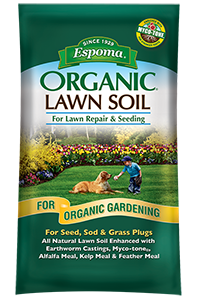
Espoma Organic Lawn Soil is an all-natural organic soil mix designed to promote seed germination and help new sod establish. It contains earthworm castings, alfalfa meal, kelp meal, and feather meal, enhanced with Espoma MYCO-TONE, a blend of endo and ecto mycorrhizae fungi. Use it anytime you sow new grass seed or install sod for organic gardening results with no synthetic plant foods or chemicals.
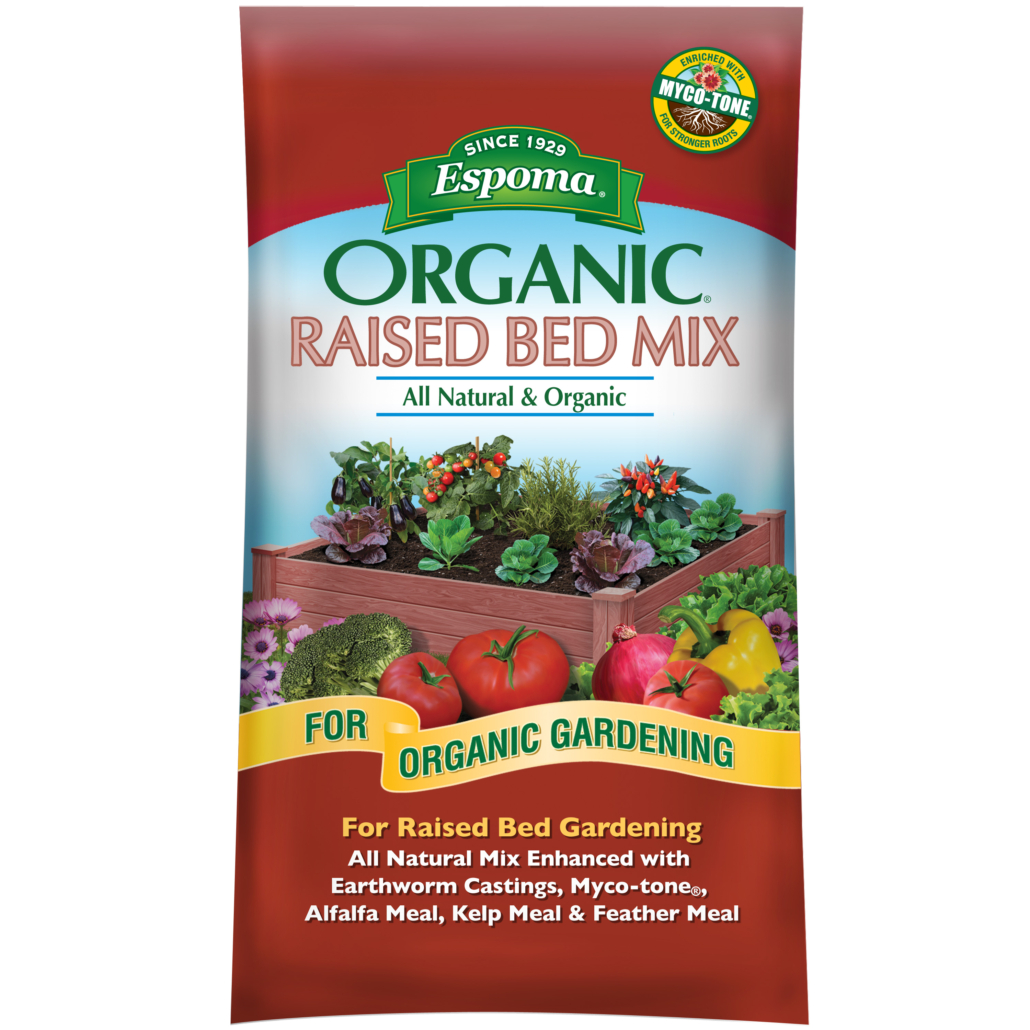
Espoma Organic Raised Bed Mix is an all-natural potting soil blend designed for raised garden beds and outdoor containers. It’s enriched with earthworm castings and organic meals for strong, healthy plant growth, plus MYCO-TONE with endo and ecto mycorrhizae. This ready-to-use mix contains no synthetic plant foods or chemicals, making it ideal for organic gardening.
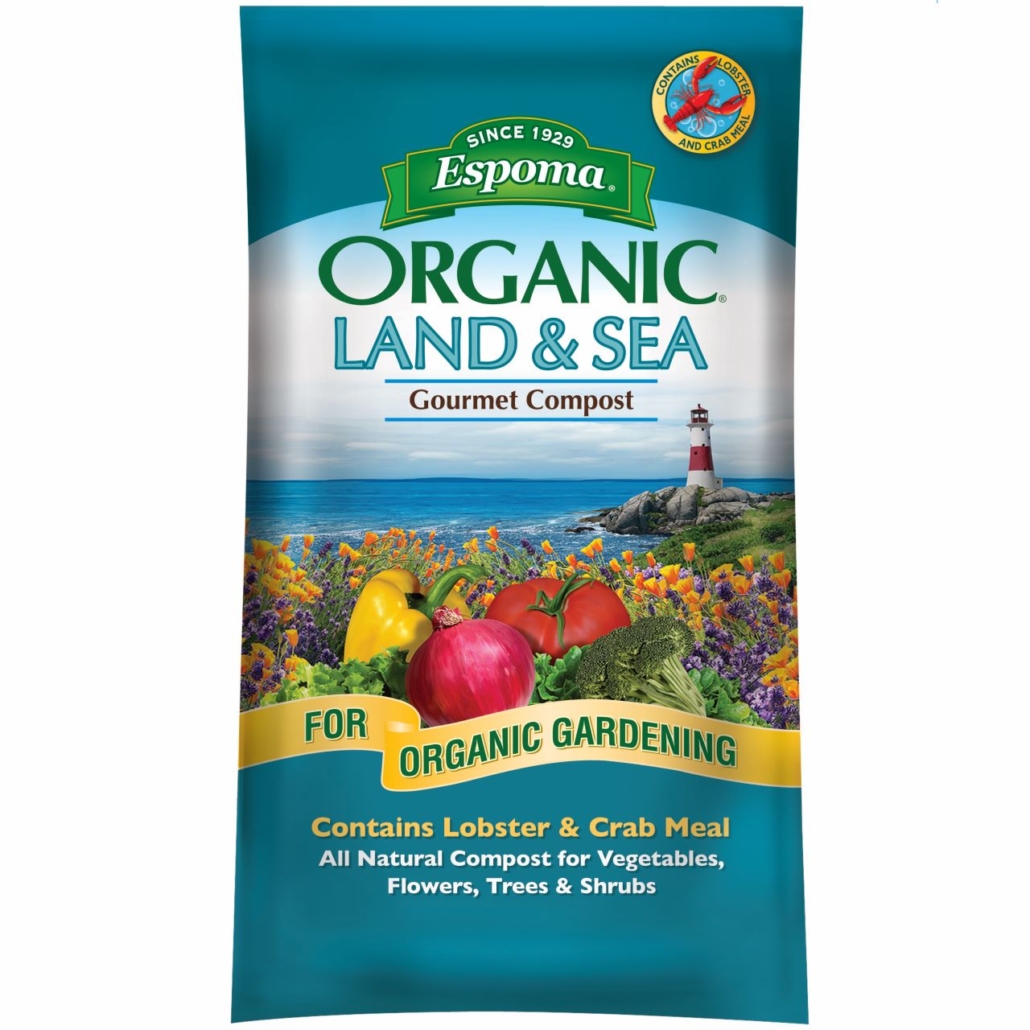
Espoma Organic Land and Sea Gourmet Compost is a rich organic planting mix designed to improve native soil and revitalize container gardens. Enriched with both lobster and crab meal, it supports healthy growth for vegetables, flowers, trees, and shrubs. The blend also includes myco-tone endo and ecto mycorrhizae and contains no synthetic plant foods or chemicals.
What Soil Is Best: Bulk vs Bagged Products
When filling a new raised bed, the question of whether to use topsoil in bulk or bags of garden soil from Home Depot or a garden center depends on the volume you need. For beds larger than 4 feet by 8 feet or deeper than 12 inches, buying topsoil and compost in bulk is significantly more economical than bagged products. A soil calculator helps determine how much soil you need in cubic yards: multiply bed length by width by depth (all in feet), then divide by 27 to convert cubic feet to cubic yards.
Bagged soil and bagged compost work well for smaller beds or when you want to control the exact soil mixture precisely. Products marketed as a raised bed soil mix or organic raised bed mix from brands including Miracle-Gro Raised Bed soil provide a ready-to-use blend, but they vary in quality. Read the ingredient list: the best raised bed soil mix products list specific components such as topsoil and compost or peat, not vague terms like organic material. An organic potting mix designed for containers typically drains too quickly for raised beds and lacks the soil structure vegetables need for strong root development.
Components: Topsoil, Compost, and Amendments
Topsoil provides the structural base for your raised bed soil. Quality topsoil contains a mix of soil particles in the loam range: a balance of sand, silt, and clay that drains well without drying out too fast. Avoid using native soil from your yard if it is heavy clay or contaminated soil from areas that may have chemical residues. Bad soil with poor drainage or compaction creates problems that persist even after amending. The understanding soil types guide covers how to test existing soil before deciding whether to incorporate it or start fresh.
Compost is the most important ingredient for soil fertility and long-term soil health. Finished compost adds organic matter that improves water retention in sandy soil, improves drainage in clay, feeds beneficial soil microorganisms, and provides slow-release nutrients. Use fully finished compost, not partially decomposed material, to avoid nitrogen drawdown as decomposition continues. Bulk compost from a municipal composting facility is economical for large beds. For smaller quantities or higher quality, bagged compost from a reputable supplier ensures consistent results. How much compost to add and when to add compost to your soil is covered in detail in the compost application rates guide.
Perlite and coir are the two best drainage amendments for raised beds. Perlite is lightweight volcanic glass that improves aeration without compacting over time. Coir, made from coconut husks, provides similar drainage benefits and also improves water retention. Both work significantly better than peat moss, which becomes hydrophobic when dry and contributes to environmental peat bog destruction. If a recipe calls for peat, substitute coir at a 1:1 ratio.
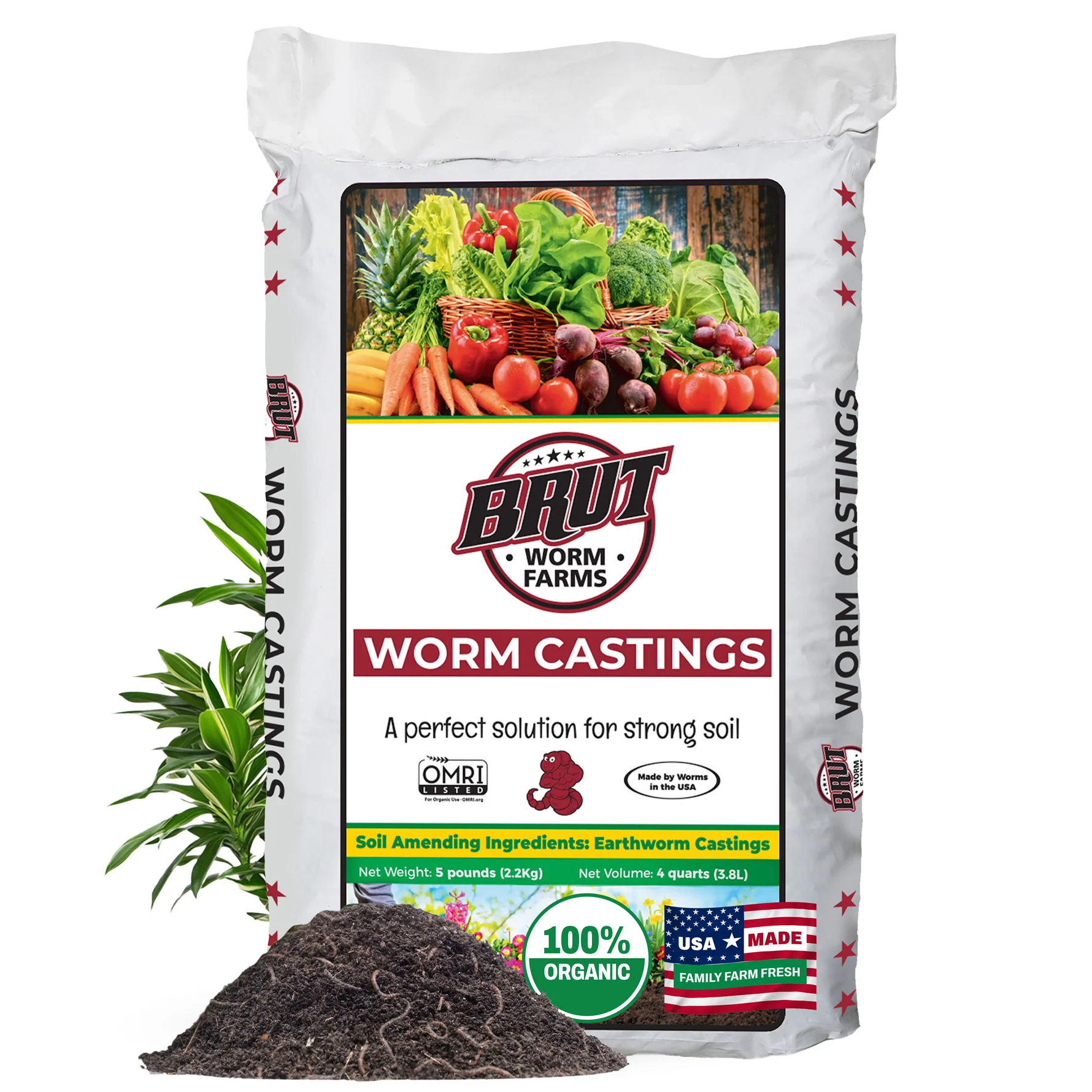
Brut organic worm castings provide mineral-rich, certified organic nutrition to supercharge indoor and outdoor plants. Raised indoors in containers for purity, these castings support lush greenery, vibrant blooms, and bountiful harvests. OMRI and CDFA listed formula helps deliver nature’s nutrients directly to plant roots for healthy growth from root to leaf.
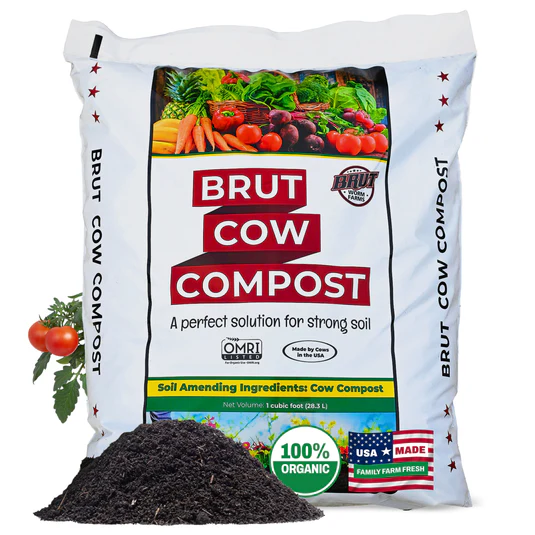
Brut Cow Compost is a nutrient-rich organic soil amendment made from 100% pure, thoroughly composted cow manure. It enriches soil with nitrogen, calcium, and iron, supports beneficial microbial life, and helps plants produce stronger growth. Odor-free and gentle on roots, it can be used for vegetables, flowers, lawns, shrubs, and indoor plants as a top dressing or mixed into garden and potting soil.
Avoid These Common Mistakes
Do not use potting soil to fill raised beds. Potting soil and potting mix products are formulated for containers, where drainage needs are different. They contain too much peat moss or coir and not enough topsoil, causing the bed to settle dramatically and dry out too quickly once the bed is filled. Potting soil works for seed starting mix in trays but not for filling garden beds.
Do not fill the bottom of the raised bed with rocks, gravel, or landscape fabric. This creates a perched water table that prevents water from draining correctly and encourages root rot. Fill the entire bed with your soil blend from bottom to top. If you are concerned about grass or weeds growing up through the bottom of the raised bed, lay cardboard or several layers of newspaper directly on the ground soil before filling: this suppresses weeds initially and breaks down into organic material over the first season.
Do not use native soil or ground soil from the yard without testing and amending it first. Many gardeners assume they can fill raised beds with existing soil dug from elsewhere in the yard, but this often brings in compacted, nutrient-poor, or poorly draining material. A soil test identifies whether the existing soil needs acidification, added organic matter, or fertilizer before it becomes suitable for a kitchen garden or raised bed vegetable garden.
How Much Soil You Need
Use a soil calculator to determine the volume required before ordering materials. For a 4-foot by 8-foot bed that is 12 inches deep, the calculation is 4 x 8 x 1 = 32 cubic feet, which equals approximately 1.2 cubic yards. If building new beds, order slightly more than the calculated amount: soil settles after the first watering, and it is easier to have extra material available than to order a second delivery.
When the bed is filled and planted, the soil level naturally drops by 10 to 15 percent over the first few weeks as the mix of soil settles and organic matter begins decomposing. Top up the bed with additional compost in late autumn or early spring to maintain soil depth and add fresh organic matter.
Preparing the Soil for Planting
Before planting, water the newly filled bed thoroughly and allow it to settle for a few days. For beds filled with bulk topsoil and compost, turn the soil lightly with a garden fork or use a cultivator to break up any clumps and incorporate the components evenly. A cultivator or small tiller is more efficient than hand-digging when working existing soil, and the choice between these tools depends on bed size and soil condition. The cultivator vs tiller guide covers which tool suits prepared-bed maintenance versus breaking new ground.
Add an organic fertilizer or organic granular feed at planting if the soil test indicates low nutrient levels. For most new raised beds filled with quality topsoil and compost, no additional fertilizer is needed in the first season. The compost provides sufficient slow-release nutrients for most vegetables.
Maintaining Raised Bed Soil
The best soil to use in raised beds improves over time when managed correctly. Add 2 to 3 inches of compost each year, either in autumn after the final harvest or in early spring before planting. This annual compost addition replaces nutrients removed by crops, adds fresh organic matter, and maintains the soil structure that makes raised bed gardening so productive. Soil needs change as organic matter decomposes: beds in their third or fourth season may need heavier compost applications than new beds.
Avoid walking on raised bed soil. Compaction reduces drainage and damages soil structure even in well-prepared beds. Design beds narrow enough to reach the center from either side without stepping into the bed, typically 3 to 4 feet wide.
Do not replace the soil entirely unless it has become contaminated or severely degraded. With proper annual compost additions and crop rotation, raised bed soil remains productive for decades. Amending my soil each year is more effective and economical than stripping and refilling the bed. The soil and make sure you maintain its fertility by paying attention to the soil health indicators: earthworm activity, good drainage, and strong plant growth signal that the soil blend is performing as intended.
Building raised beds with the right soil from the start is the foundation of gardening success. The perfect soil recipe combines quality components in tested ratios, avoids the common mistakes that undermine drainage and fertility, and establishes the healthy soil that productive raised garden beds depend on season after season.