
How to Grow Asparagus: Planting, Care, and Harvest
Asparagus is a long-term perennial crop that occupies a permanent bed and rewards patience with annual harvests of fresh spears for 20 years or more from a well-established planting. The patience requirement is real: most asparagus beds should not be harvested in their first two seasons, while the crown establishes and builds the energy reserves that fuel spear production in subsequent years. Understanding this upfront prevents the frustration of harvesting too early and compromising the bed’s long-term productivity.
Site and Soil Preparation
Asparagus performs best in deep, well-drained, slightly acidic to neutral soil with a pH of 6.5 to 7.0. It does not tolerate waterlogged conditions and will decline in wet soils. Because asparagus is a perennial that will occupy the same bed for two decades, thorough soil preparation before planting is worth the effort.
Remove all perennial weeds from the bed before planting, including roots: bindweed, couch grass, and dock competing with asparagus crowns through a permanent bed cannot be controlled without damaging the asparagus. Incorporate compost at 10 to 15 centimeters depth and check that drainage is adequate. Raised beds are an excellent option for asparagus in heavy clay soils.
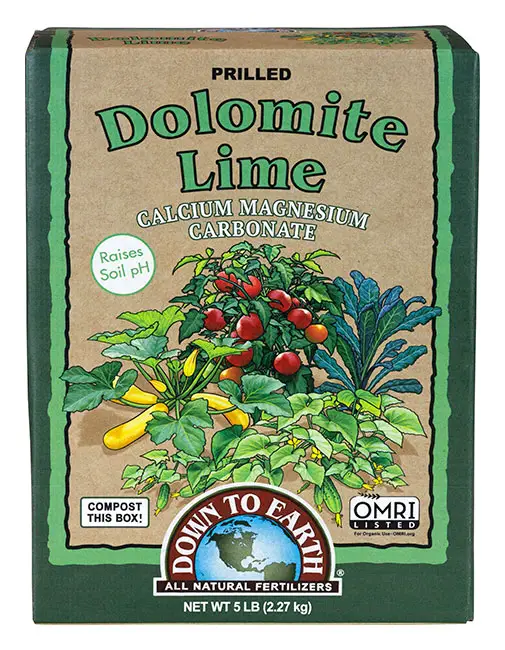
Down To Earth Organic Prilled Dolomite Lime helps raise acidic soil pH for better nutrient uptake and healthier vegetable gardens. Its rich calcium and magnesium support strong cell walls, root growth, and overall plant performance. OMRI listed for organic use, the prilled granules spread easily and act quickly while improving soil structure and microbial activity.
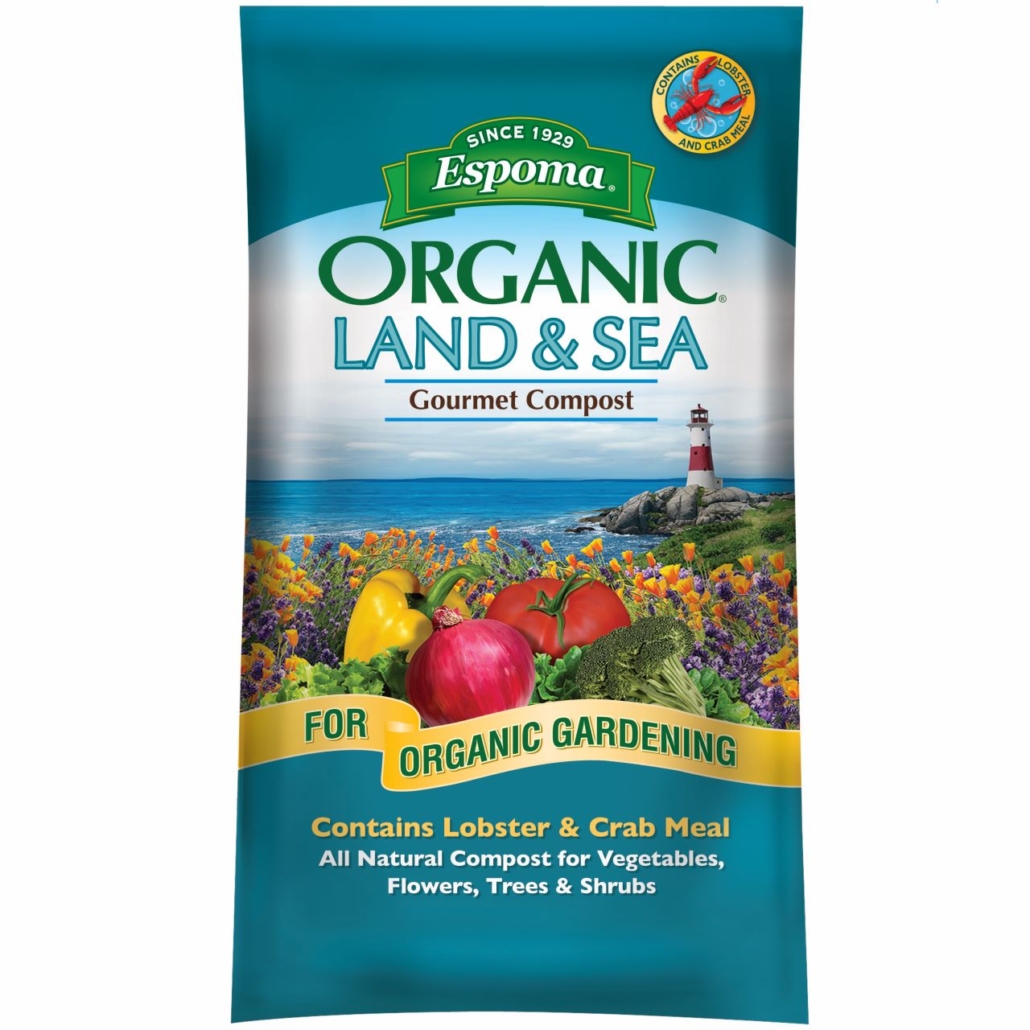
Espoma Organic Land and Sea Gourmet Compost is a rich organic planting mix designed to improve native soil and revitalize container gardens. Enriched with both lobster and crab meal, it supports healthy growth for vegetables, flowers, trees, and shrubs. The blend also includes myco-tone endo and ecto mycorrhizae and contains no synthetic plant foods or chemicals.
Espoma Organic Lawn Soil is an all-natural organic soil mix designed to promote seed germination and help new sod establish. It contains earthworm castings, alfalfa meal, kelp meal, and feather meal, enhanced with Espoma MYCO-TONE, a blend of endo and ecto mycorrhizae fungi. Use it anytime you sow new grass seed or install sod for organic gardening results with no synthetic plant foods or chemicals.
Planting Asparagus Crowns
Asparagus is most commonly started from one-year-old crowns purchased bare-root in early spring. Crown planting gives a one to two year head start over seed sowing and is the standard approach for home gardens.
Dig planting trenches 30 centimeters wide and 20 to 25 centimeters deep, with 45 centimeters between trenches for multi-row beds. Create a central ridge of loose soil along the bottom of each trench. Place crowns on the ridge, spreading the roots down and outward over the mound like a spider’s legs, at 30 to 45 centimeter intervals along the trench. Cover with 5 centimeters of soil initially, then gradually fill the trench as shoots emerge through the season, which encourages deeper rooting.
Establishment and Care
In the first two seasons, allow all spears to develop into the full ferny foliage rather than harvesting. This foliage feeds the crown through photosynthesis, building the carbohydrate reserve that produces next year’s spears. In the second season, a very light harvest of the thickest spears for no more than two weeks is sometimes recommended, but restraint here pays off in subsequent years.
From the third season onward, harvest spears when they reach 15 to 20 centimeters tall, cutting or snapping them off at soil level. Harvest for 6 to 8 weeks in spring, then allow all subsequent spears to develop into foliage for the remainder of the season. Cut the yellowed foliage to the ground in autumn after it dies back.
Top-dress the asparagus bed with compost or well-rotted manure in autumn each year. Apply a balanced slow-release fertilizer in early spring before spears emerge.
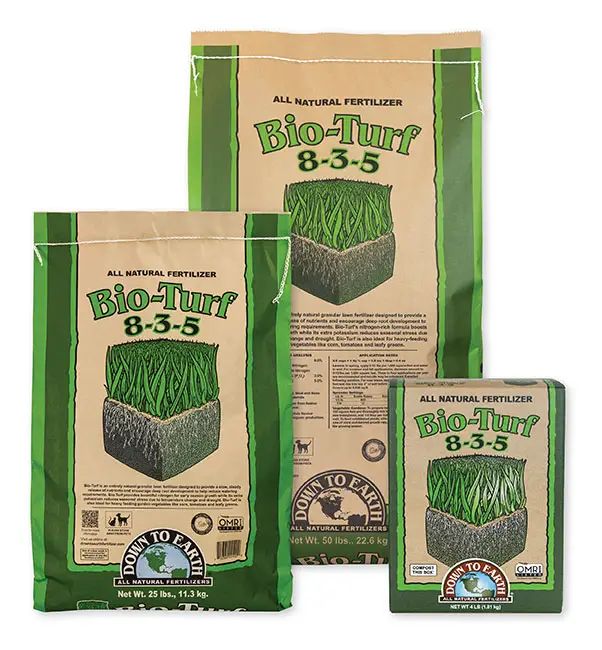
Down to Earth Bio-Turf is an all-natural 8-3-5 organic fertilizer, OMRI listed for use in organic production. It helps encourage deep root development to support greener, stronger growth while reducing watering needs and stress from heat or drought. Ideal for lawns, landscape ornamentals, and heavy-feeding garden vegetables and flowerbeds.
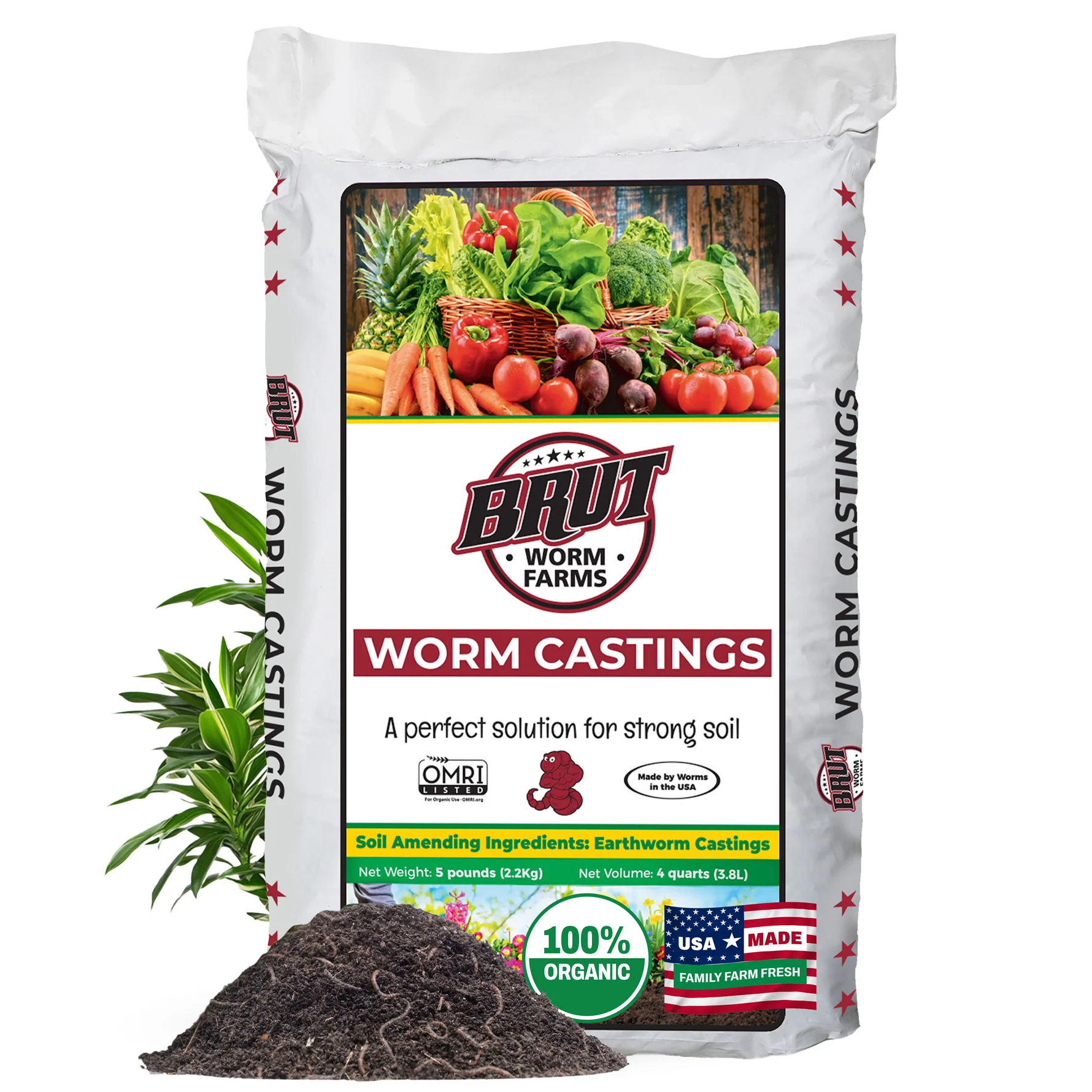
Brut organic worm castings provide mineral-rich, certified organic nutrition to supercharge indoor and outdoor plants. Raised indoors in containers for purity, these castings support lush greenery, vibrant blooms, and bountiful harvests. OMRI and CDFA listed formula helps deliver nature’s nutrients directly to plant roots for healthy growth from root to leaf.