
How to Grow Fava Beans
Fava beans (Vicia faba), also known as broad beans, are one of the oldest cultivated food crops and one of the most reliable cool-season vegetables for home gardens. They fix atmospheric nitrogen through root nodule bacteria, enriching the soil for the crop that follows them in the rotation. They are also cold-tolerant enough to sow in autumn in mild climates for an early spring harvest.
When to Plant
Fava beans germinate in cold soil and prefer to grow during cool weather. In mild-winter climates (USDA zones 7 through 10), sow in autumn for a spring harvest. In colder climates, sow as early in spring as the soil can be worked: fava beans tolerate light frost and actually produce better pods when the flowers develop in cool temperatures rather than heat.
Hot weather above 25 degrees Celsius causes the flowers to drop before setting pods, so timing the planting to ensure flowering occurs in cool conditions is the key to a good harvest.
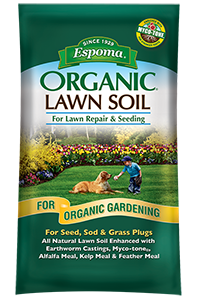
Espoma Organic Lawn Soil is an all-natural organic soil mix designed to promote seed germination and help new sod establish. It contains earthworm castings, alfalfa meal, kelp meal, and feather meal, enhanced with Espoma MYCO-TONE, a blend of endo and ecto mycorrhizae fungi. Use it anytime you sow new grass seed or install sod for organic gardening results with no synthetic plant foods or chemicals.
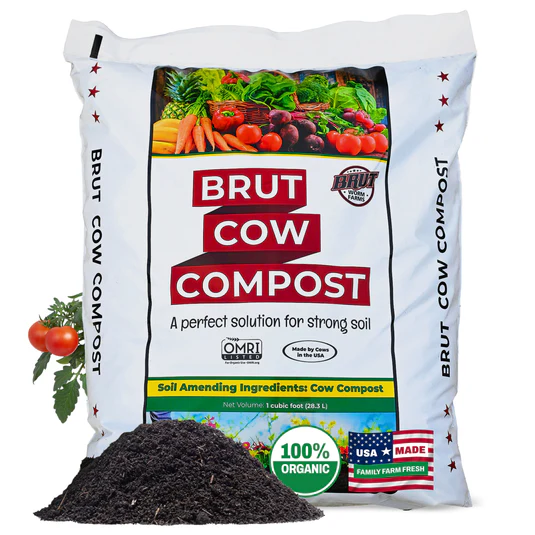
Brut Cow Compost is a nutrient-rich organic soil amendment made from 100% pure, thoroughly composted cow manure. It enriches soil with nitrogen, calcium, and iron, supports beneficial microbial life, and helps plants produce stronger growth. Odor-free and gentle on roots, it can be used for vegetables, flowers, lawns, shrubs, and indoor plants as a top dressing or mixed into garden and potting soil.
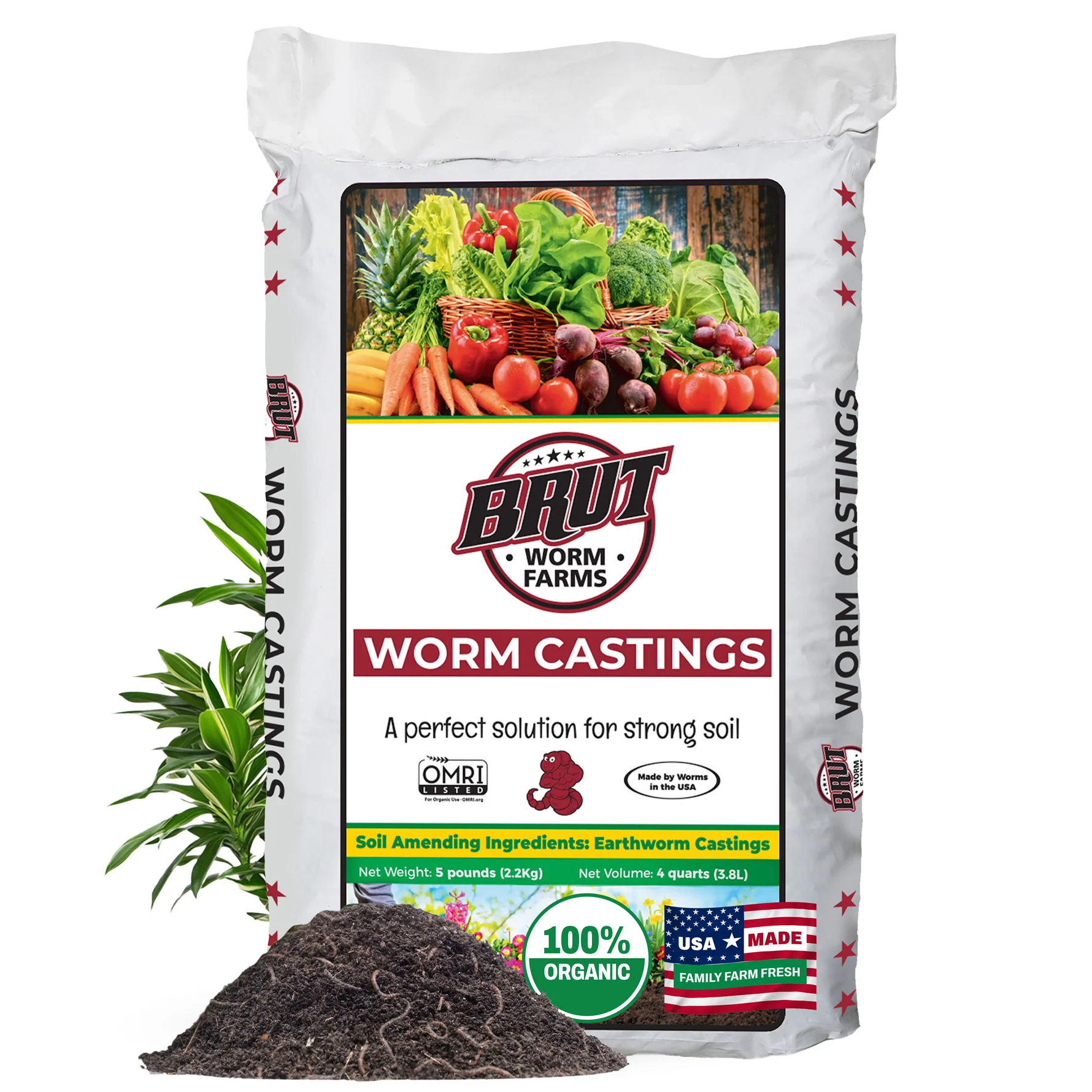
Brut organic worm castings provide mineral-rich, certified organic nutrition to supercharge indoor and outdoor plants. Raised indoors in containers for purity, these castings support lush greenery, vibrant blooms, and bountiful harvests. OMRI and CDFA listed formula helps deliver nature’s nutrients directly to plant roots for healthy growth from root to leaf.
Planting and Spacing
Sow seeds directly in the garden bed at a depth of 5 to 7 centimeters and spacing of 20 to 25 centimeters within the row, with 45 to 60 centimeters between rows. Fava beans grow tall (90 centimeters to 1.5 meters depending on variety) and need staking or support from string stretched between canes when they reach 30 to 40 centimeters tall.
The large seeds germinate reliably, but soaking them in water for 24 hours before sowing speeds germination, particularly in cold soil.
Care and Harvest
Keep fava bean plants consistently moist through flowering and pod development. They are relatively drought-tolerant once established, but drought during pod fill reduces yield and seed size. Because they are legumes, they do not need nitrogen fertilization: adding nitrogen actually reduces nodule activity and can decrease yield.
When the plants reach about 30 centimeters tall, pinch out the growing tip to concentrate energy in pod development, reduce the spread of blackfly (which congregates at the tender growing tip), and prevent excessive top growth that would be harder to stake.
Harvest pods when they are plump but before the skin of the beans inside becomes tough. At the correct harvest stage, the beans inside the pod slide out easily and have a bright green, smooth appearance. Harvesting regularly encourages the plant to produce more pods.