
Vegetable Garden Planning: Layout, Spacing, and Crop Selection
A vegetable garden without a plan tends to produce a glut of one thing and gaps where something else was meant to be, with beds under-used during the shoulder seasons and no structure for the following year’s rotation. Planning on paper before the first seed goes in is not an overcomplication of a simple task: it is the step that converts a reactive, ad hoc garden into one that produces reliably across a full season.
Planning the Layout
Start with a scale drawing of your available beds. Mark the dimensions accurately and note which directions face north, south, east, and west. This tells you where shade falls across the beds at different times of day and season, which determines where to position tall crops like corn, climbing beans, and large brassicas so they do not shade shorter crops that need full sun.
Place tall crops at the north end of the bed (in the northern hemisphere) so they cast shade away from the rest of the garden rather than across it. Place shallow-rooted salad crops at the south end where they get maximum light and can be harvested without disturbing the taller crops behind them.
Allow adequate space between beds for wheelbarrow access: 60 centimeters is the practical minimum, 90 centimeters is more comfortable for regular harvesting and maintenance.
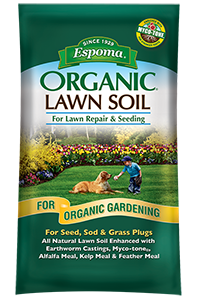
Espoma Organic Lawn Soil is an all-natural organic soil mix designed to promote seed germination and help new sod establish. It contains earthworm castings, alfalfa meal, kelp meal, and feather meal, enhanced with Espoma MYCO-TONE, a blend of endo and ecto mycorrhizae fungi. Use it anytime you sow new grass seed or install sod for organic gardening results with no synthetic plant foods or chemicals.
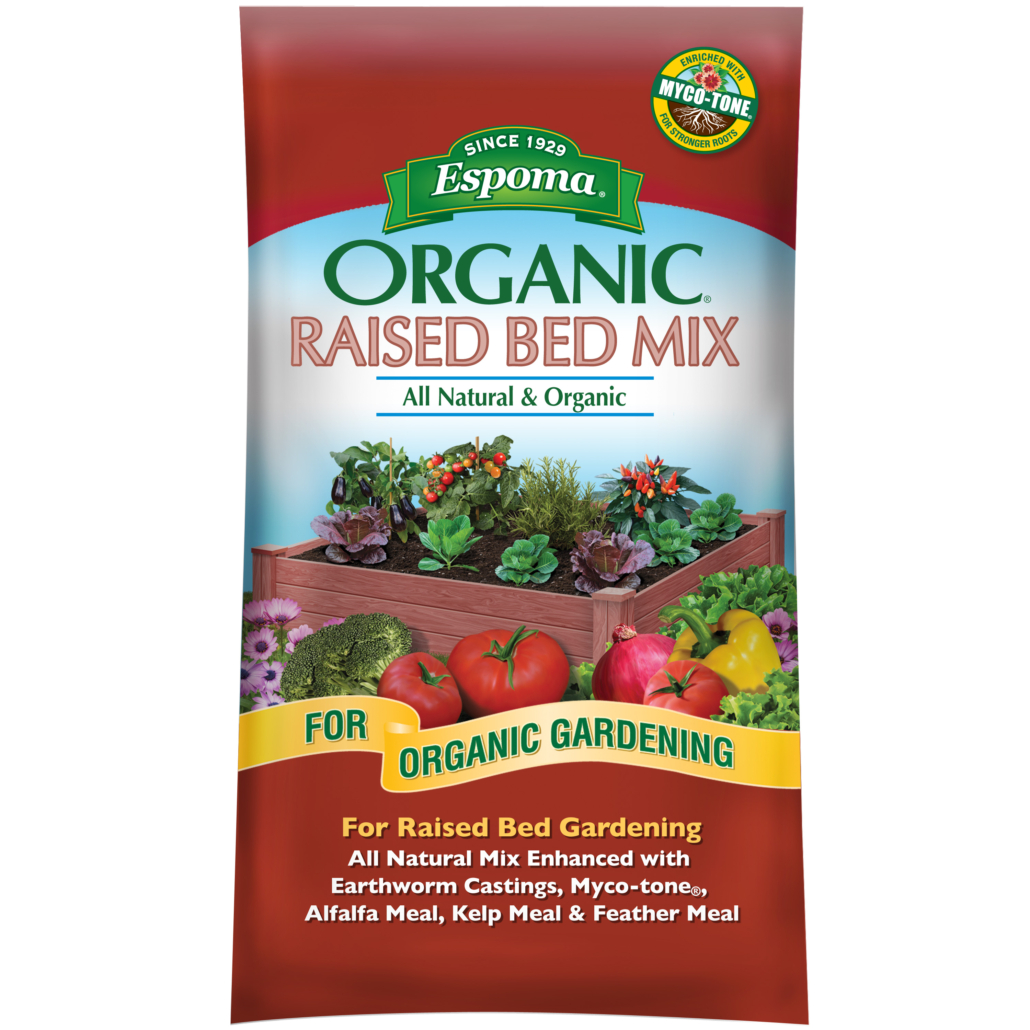
Espoma Organic Raised Bed Mix is an all-natural potting soil blend designed for raised garden beds and outdoor containers. It’s enriched with earthworm castings and organic meals for strong, healthy plant growth, plus MYCO-TONE with endo and ecto mycorrhizae. This ready-to-use mix contains no synthetic plant foods or chemicals, making it ideal for organic gardening.
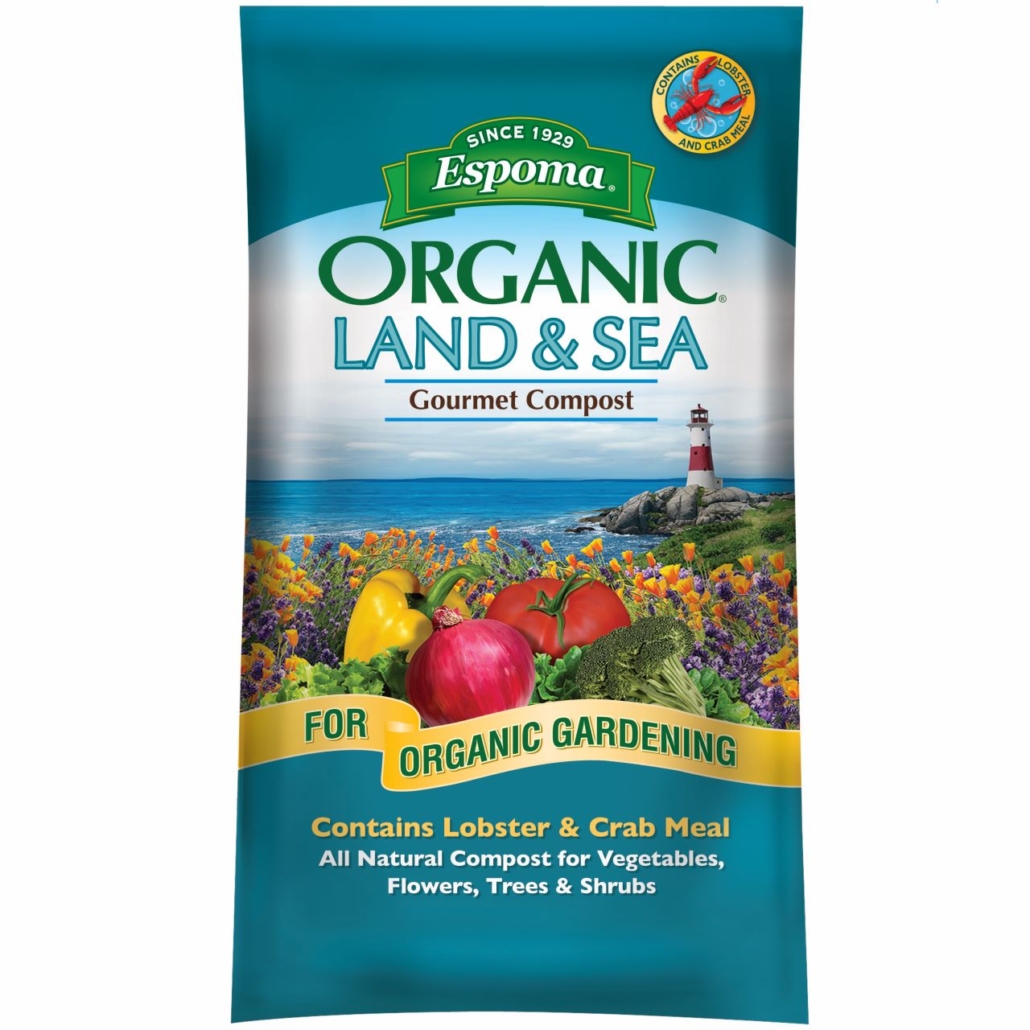
Espoma Organic Land and Sea Gourmet Compost is a rich organic planting mix designed to improve native soil and revitalize container gardens. Enriched with both lobster and crab meal, it supports healthy growth for vegetables, flowers, trees, and shrubs. The blend also includes myco-tone endo and ecto mycorrhizae and contains no synthetic plant foods or chemicals.
Crop Spacing and Density
Correct spacing is the most important detail gardeners new to vegetable growing tend to under-apply. Seed packets list spacing for a reason: overcrowded plants compete for light, water, and nutrients, which increases disease pressure and reduces yield per plant. Square foot gardening, which spaces plants in a grid based on their individual space requirements, is an efficient method for maximizing yield in small beds without overcrowding.
General spacing principles: root vegetables need their full allotted space to produce useful roots. Salad greens can be grown more densely if harvested young as cut-and-come-again crops. Brassicas need more space than most first-time gardeners expect: cabbage at 45 centimeters, Brussels sprouts at 60 to 75 centimeters, and sprawling crops like squash at 90 centimeters to 1 meter between plants.
Succession Sowing
Succession sowing means making small sowings of the same crop at two to three week intervals rather than all at once, producing a continuous harvest rather than a single glut. Salad leaves, radishes, green onions, cilantro, and bush beans all benefit from succession sowing.
Plan your sowing calendar backward from your target harvest dates, taking into account the days-to-maturity figure on the seed packet and your local last frost and first frost dates. This identifies the planting windows for each crop and prevents sowings that would mature too late in the season to harvest before cold weather arrives.
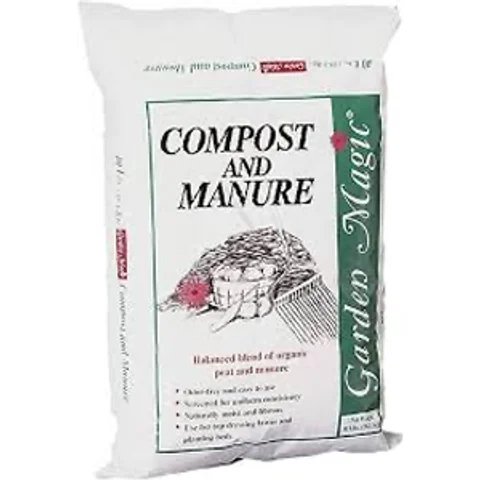
Enhance soil nutrition and garden vitality with this organic peat compost and manure blend designed for lawns and raised beds. The odor-free, ready-to-use mixture combines reed sedge peat and composted animal manure to support healthy growth for flowers, vegetables, and grass. Ideal for improving potting soil in planters or container gardening projects, each bag provides ample coverage for small-scale planting needs.
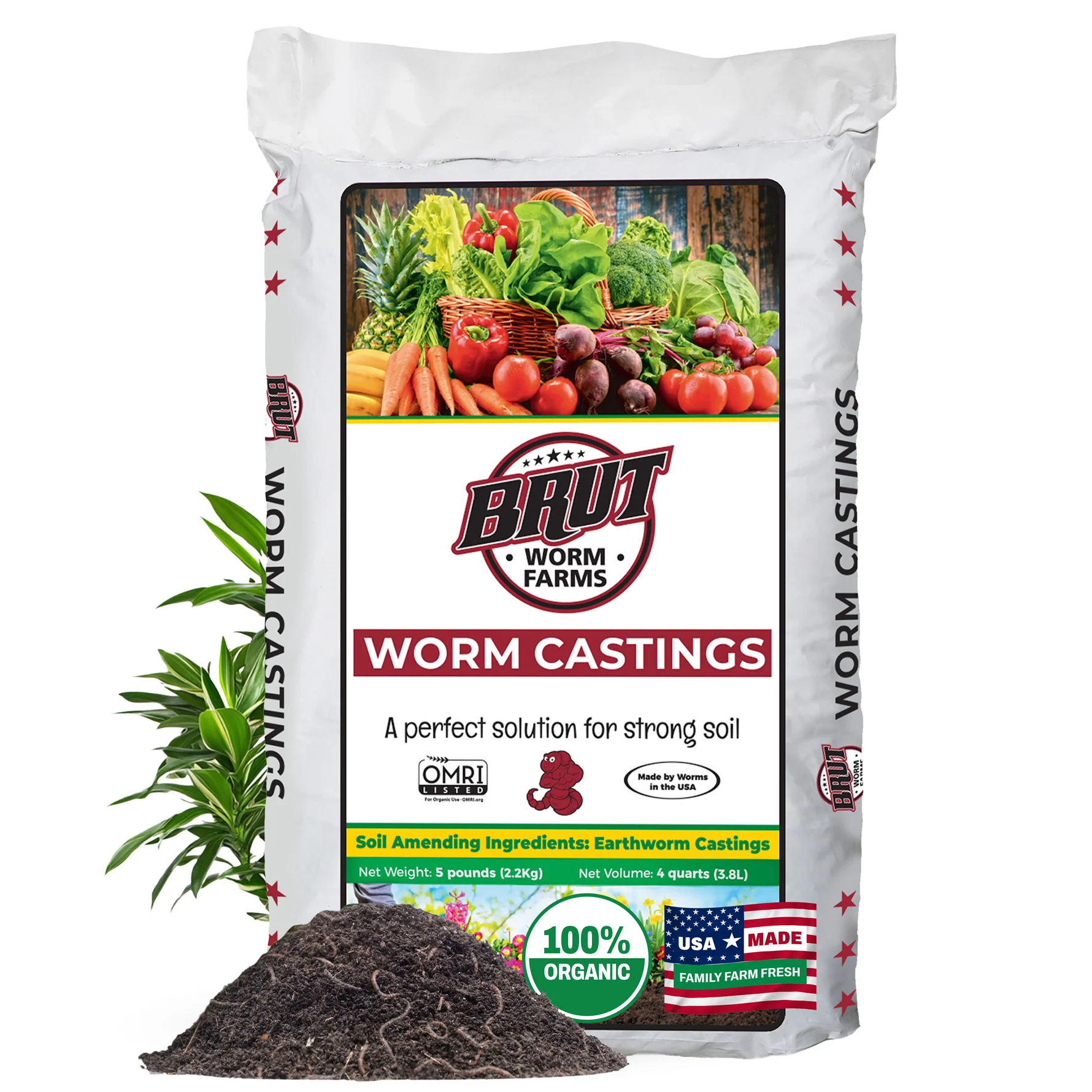
Brut organic worm castings provide mineral-rich, certified organic nutrition to supercharge indoor and outdoor plants. Raised indoors in containers for purity, these castings support lush greenery, vibrant blooms, and bountiful harvests. OMRI and CDFA listed formula helps deliver nature’s nutrients directly to plant roots for healthy growth from root to leaf.
Matching Crop Selection to Your Season and Climate
Every crop has a temperature range within which it performs well. Cool-season crops (lettuce, spinach, peas, broccoli, kale) grow best between 10 and 20 degrees Celsius and are productive in spring and autumn. Warm-season crops (tomatoes, peppers, beans, squash, cucumbers) need temperatures above 18 degrees Celsius and full summer sun. Matching your crop selection to the season you actually have available is more reliable than trying to force out-of-season crops in marginal conditions.
Your USDA hardiness zone tells you about winter survival but not about summer heat. The companion resource for season planning is the first and last frost dates for your specific location, available from the National Weather Service or local extension service.