
How to Grow Lima Beans
Lima beans (Phaseolus lunatus) are warm-season legumes that produce flat, creamy beans with a distinct buttery flavor, eaten fresh as butter beans or dried for long-term storage. They require warmth, a long growing season, and consistent moisture to produce well, which limits their range compared to green beans, but in appropriate climates they are productive and rewarding.
Climate and Season Requirements
Lima beans need a minimum soil temperature of 18 degrees Celsius to germinate reliably and prefer air temperatures above 21 degrees Celsius through the growing season. They are sensitive to frost at both the beginning and end of the season. In areas with short summers (fewer than 90 frost-free days), only the smallest-seeded bush lima varieties have a reasonable chance of producing before the autumn frost.
In USDA zones 8 through 11, with growing seasons of 120 days or more, lima beans perform excellently. In zones 6 and 7, choose early-maturing bush varieties and start seeds indoors two to three weeks before the last frost date for transplanting when soil has warmed.
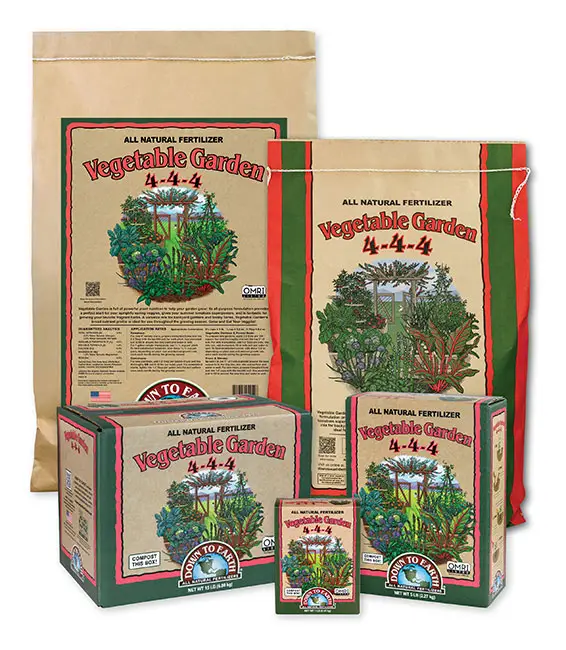
Down to Earth Vegetable Garden is an OMRI-listed, all-natural 4-4-4 fertilizer made to support vigorous foliage growth in greens, herbs, and vegetables while helping improve fruit size and yield for crops like tomatoes. Use it across a wide range of garden needs, including container vegetable gardens, as well as trees and shrubs.
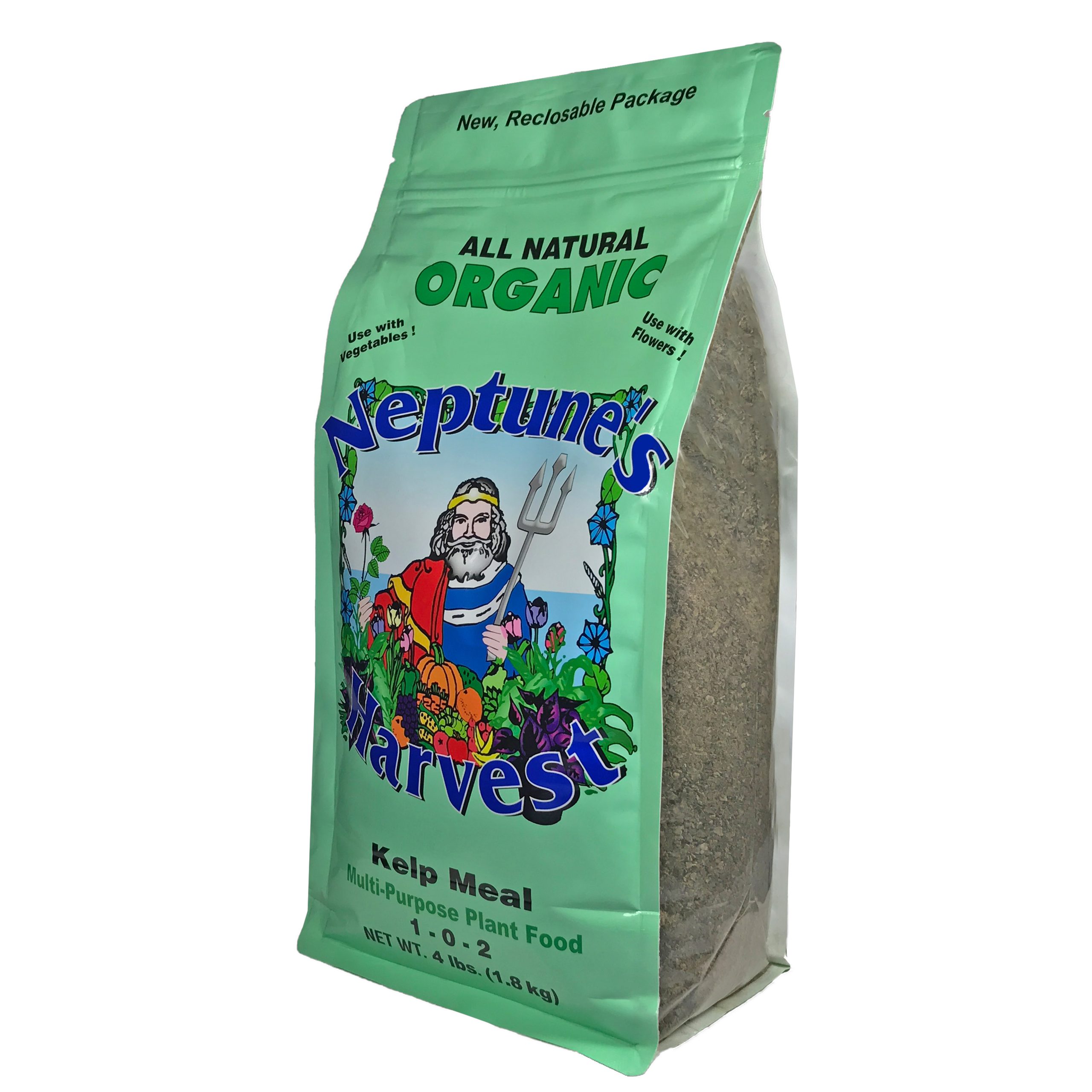
Neptune’s Harvest Organic Kelp Meal (1-0-2) is a dry, all-purpose plant fertilizer made from Norwegian kelp that adds organic matter and essential nutrients to support stronger growth. It promotes healthy roots, helps soil drain while retaining moisture, and boosts plant vitality for vegetables, flowers, lawns, and other plants. Certified OMRI Listed for organic use, it can be tilled into soil or top-dressed for indoor and outdoor gardening.
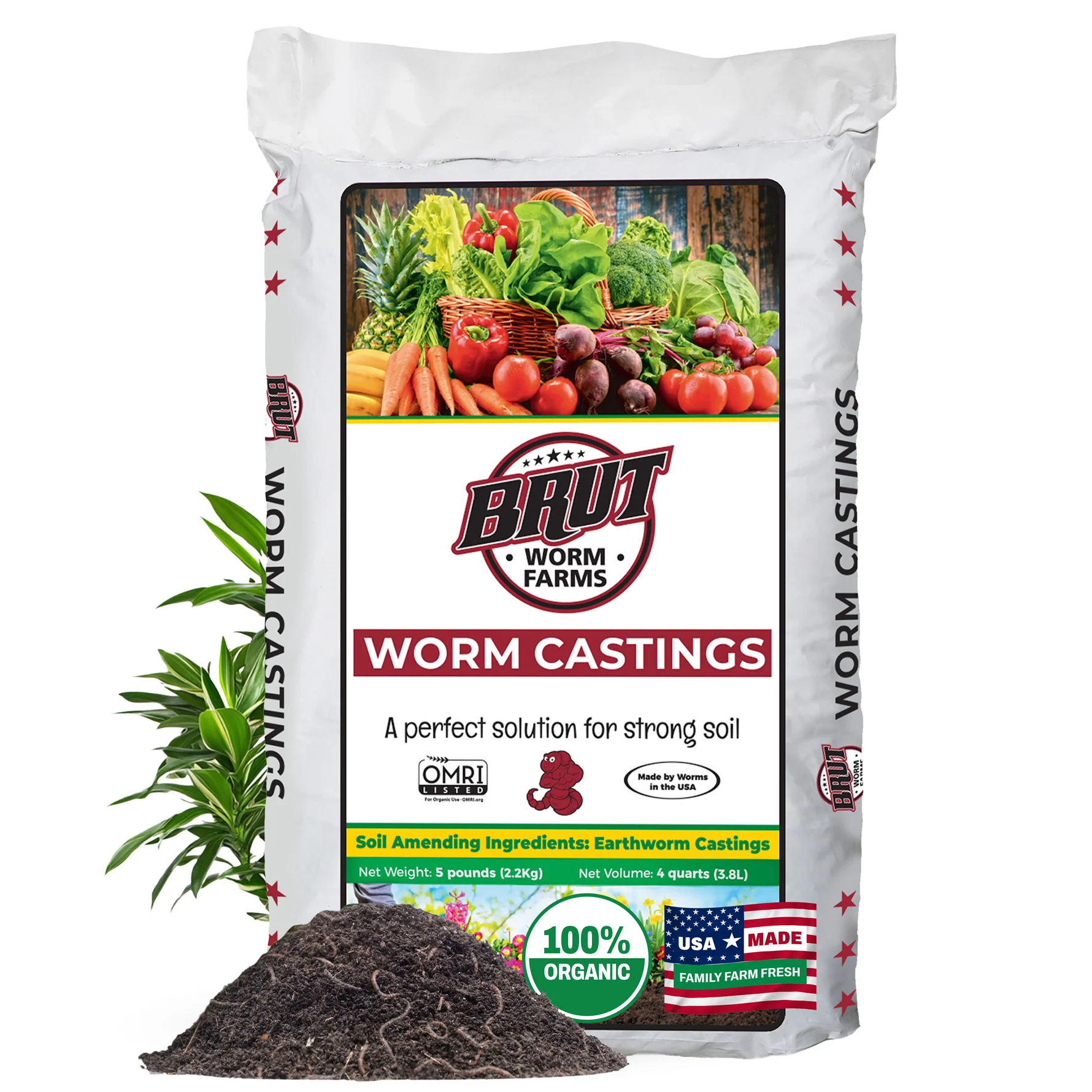
Brut organic worm castings provide mineral-rich, certified organic nutrition to supercharge indoor and outdoor plants. Raised indoors in containers for purity, these castings support lush greenery, vibrant blooms, and bountiful harvests. OMRI and CDFA listed formula helps deliver nature’s nutrients directly to plant roots for healthy growth from root to leaf.
Planting and Support
Lima beans come in bush and pole varieties, as with green beans. Pole limas are more productive over a longer period but need a sturdy trellis capable of supporting vines of 2 to 3 meters or more. Bush limas are lower-maintenance and suited to smaller spaces.
Sow seeds 3 to 4 centimeters deep at 10 to 15 centimeters apart for bush types and 20 to 25 centimeters apart for pole types. Avoid planting in cold wet soil, which rots the seeds before germination.
Care and Harvest
Lima beans need consistent watering during flowering and pod fill. Dry conditions during these stages cause pods to drop before the beans develop. Like all legumes, they fix their own nitrogen and do not benefit from nitrogen fertilizer applications.
Harvest fresh lima beans when the pods are well-filled and the beans visible through the pod walls, but before the pods begin to yellow or dry. Shell them immediately after harvest or refrigerate unshelled pods for up to a week.
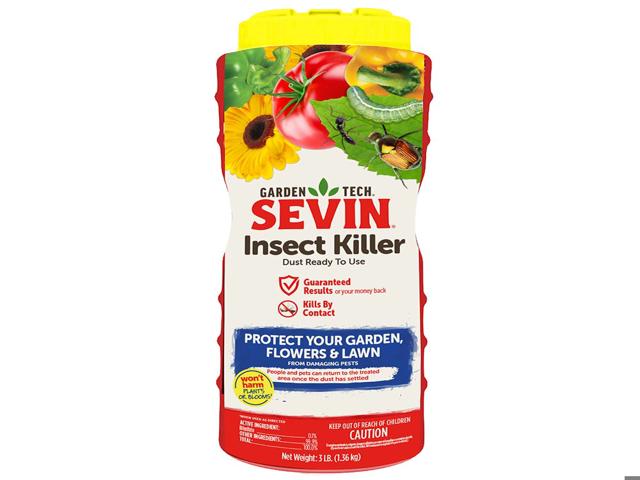
Sevin Insect Killer Dust helps protect flowers and lawn from listed damaging pests with a ready-to-use, shake-and-apply formula. It kills more than 150 insects by contact and...