
How to Grow Swiss Chard
Swiss chard (Beta vulgaris subsp. cicla) is one of the most productive and visually striking vegetables available to home gardeners. Colorful-stemmed varieties including Rainbow Chard add ornamental value alongside their culinary usefulness. As a cut-and-come-again crop, chard provides repeated harvests from a single planting across a long season, making it exceptionally space-efficient.
Sowing and Spacing
Chard is direct sown from early spring through midsummer. Like beets (to which it is closely related), each chard “seed” is actually a cluster of seeds that produces multiple seedlings at each germination point. Sow 2 centimeters deep at 10 centimeter intervals and thin to the strongest seedling per cluster once plants reach 5 to 8 centimeters tall. Final spacing should be 20 to 30 centimeters between plants for full-sized leaves.
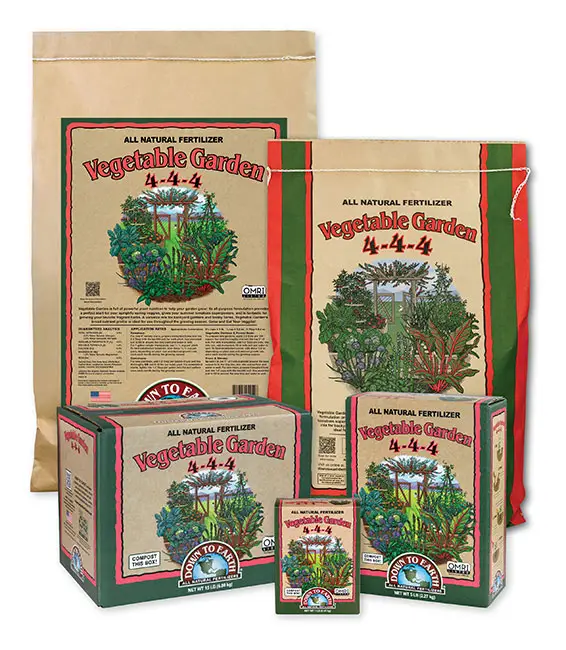
Down to Earth Vegetable Garden is an OMRI-listed, all-natural 4-4-4 fertilizer made to support vigorous foliage growth in greens, herbs, and vegetables while helping improve fruit size and yield for crops like tomatoes. Use it across a wide range of garden needs, including container vegetable gardens, as well as trees and shrubs.
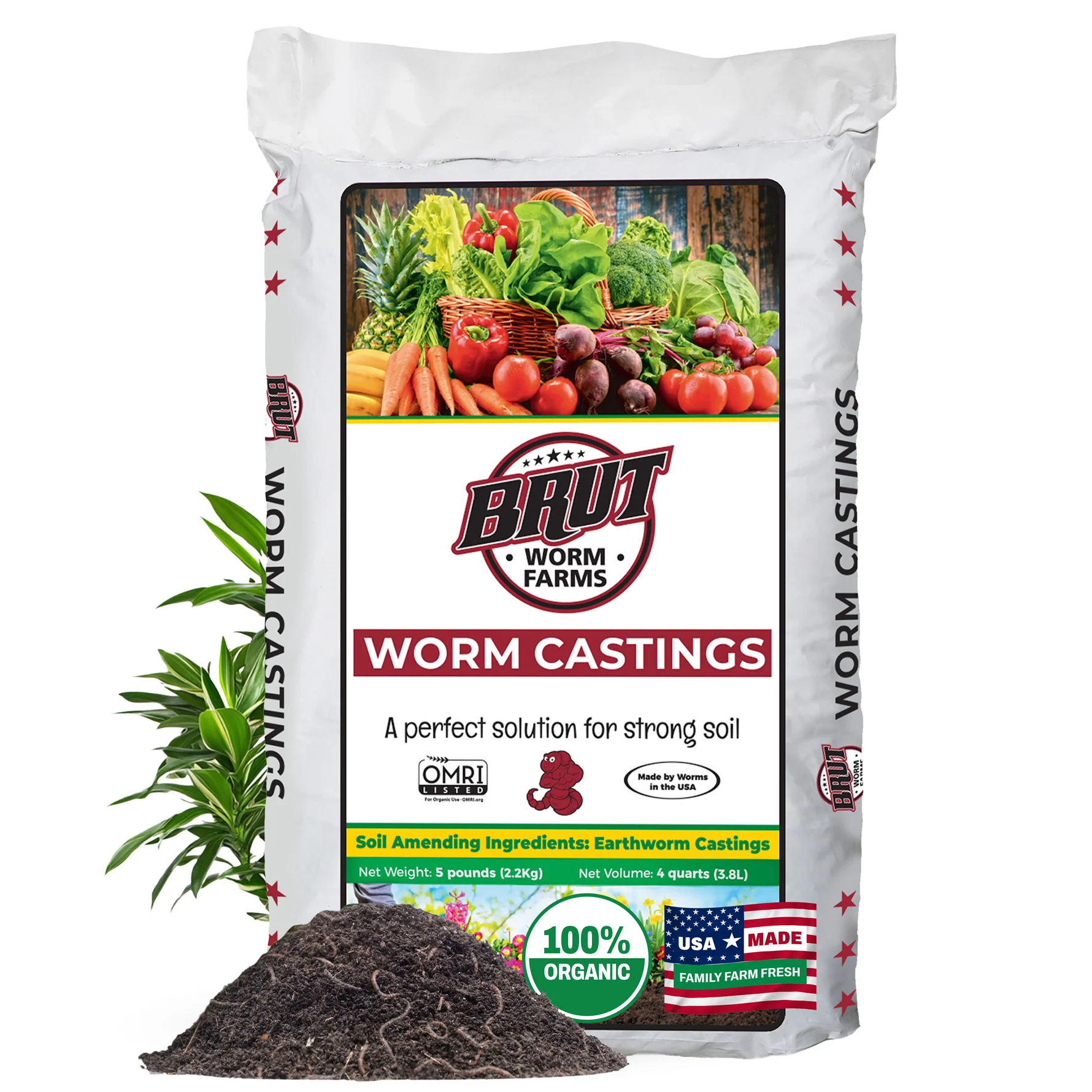
Brut organic worm castings provide mineral-rich, certified organic nutrition to supercharge indoor and outdoor plants. Raised indoors in containers for purity, these castings support lush greenery, vibrant blooms, and bountiful harvests. OMRI and CDFA listed formula helps deliver nature’s nutrients directly to plant roots for healthy growth from root to leaf.
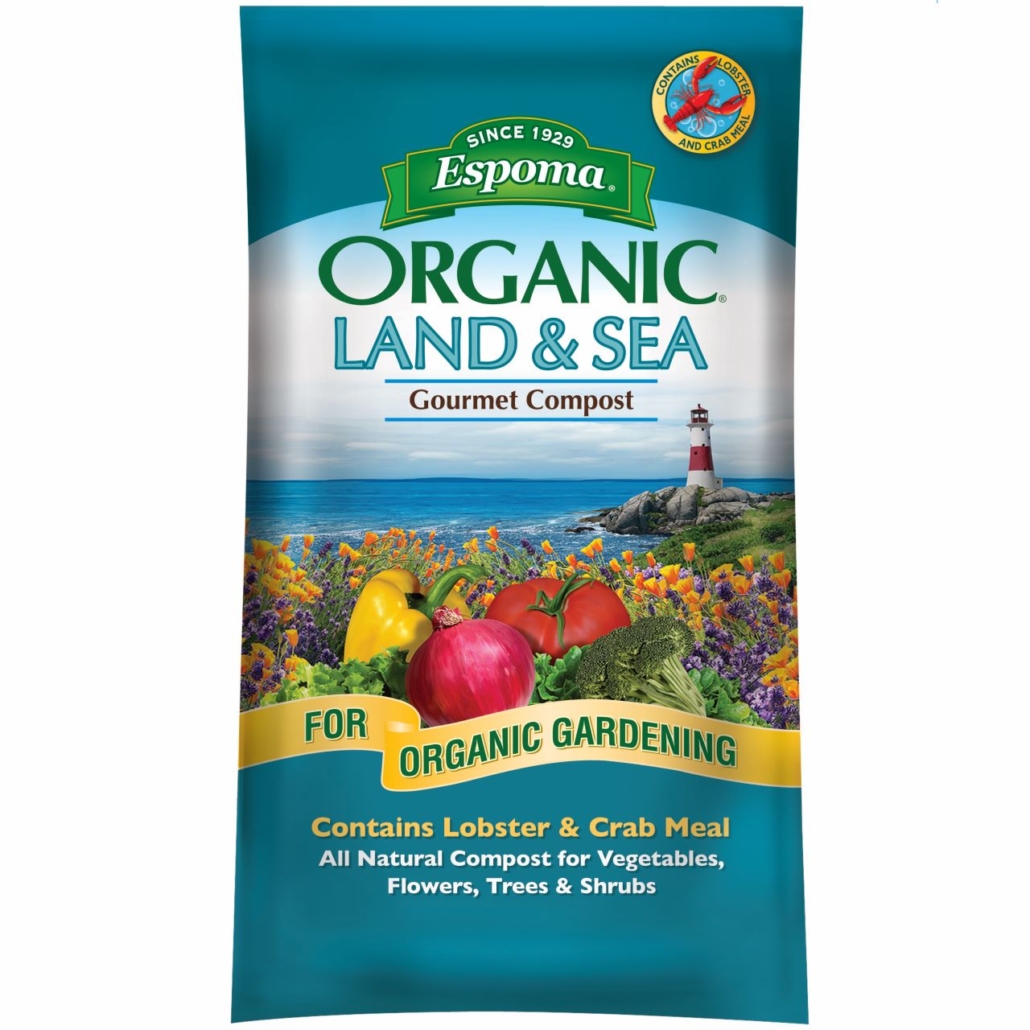
Espoma Organic Land and Sea Gourmet Compost is a rich organic planting mix designed to improve native soil and revitalize container gardens. Enriched with both lobster and crab meal, it supports healthy growth for vegetables, flowers, trees, and shrubs. The blend also includes myco-tone endo and ecto mycorrhizae and contains no synthetic plant foods or chemicals.
Growing Conditions
Chard grows in full sun to partial shade and tolerates heat better than spinach, making it useful through the summer period when other leafy greens bolt. It prefers a well-drained, moderately fertile soil with a pH of 6.0 to 7.0. Consistent moisture produces the large, tender leaves that make chard most useful in the kitchen: drought stress causes tougher, more fibrous leaf texture.
Harvesting
Begin harvesting when outer leaves reach 20 to 30 centimeters long. Remove outer leaves by cutting or snapping them off at the base, leaving the central growing point intact to continue producing. A single plant treated this way produces leaves repeatedly from spring through autumn. In mild climates, chard often overwintersand resumes production the following spring before eventually bolting to seed in its second year.
Espoma Organic Lawn Soil is an all-natural organic soil mix designed to promote seed germination and help new sod establish. It contains earthworm castings, alfalfa meal, kelp meal, and feather meal, enhanced with Espoma MYCO-TONE, a blend of endo and ecto mycorrhizae fungi. Use it anytime you sow new grass seed or install sod for organic gardening results with no synthetic plant foods or chemicals.
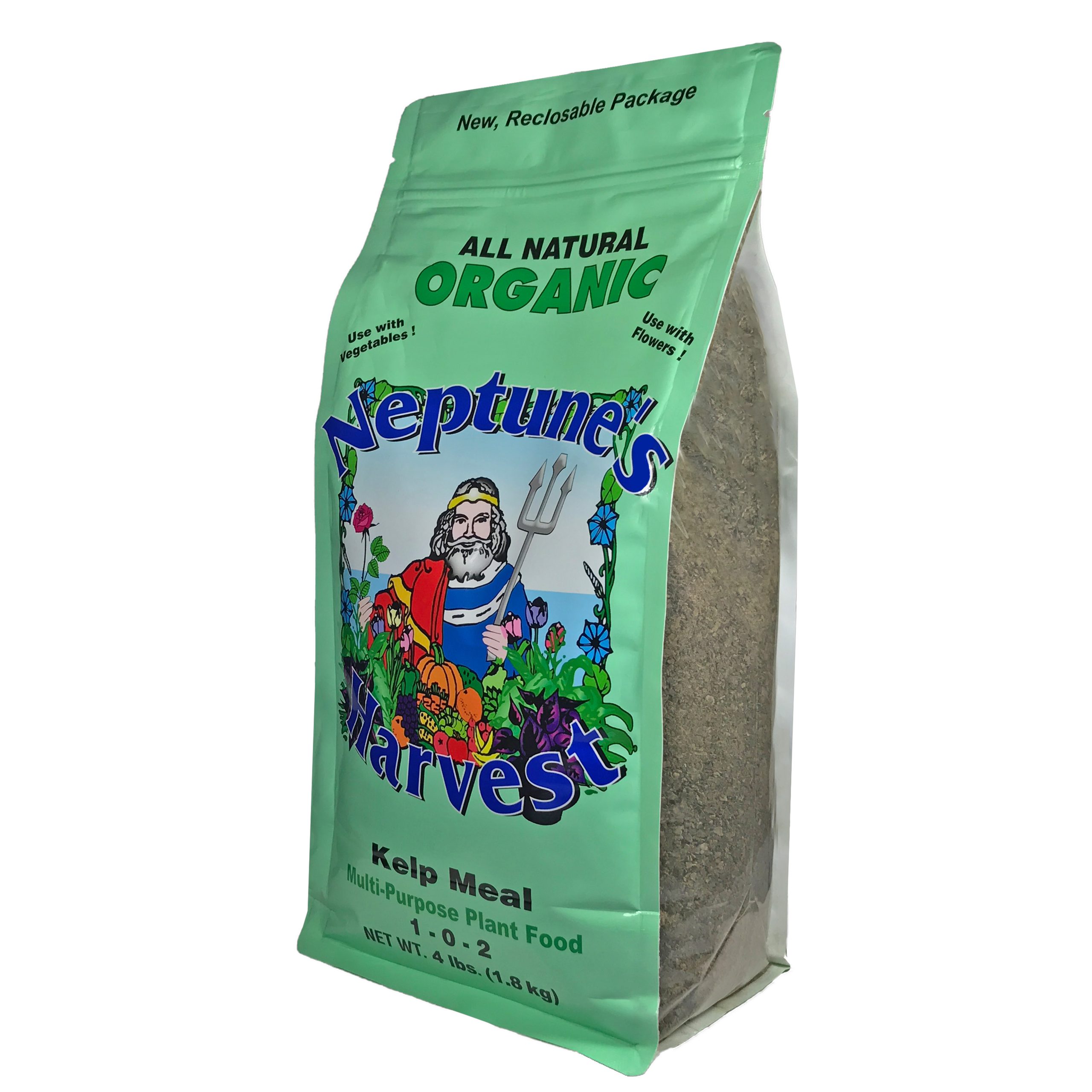
Neptune’s Harvest Organic Kelp Meal (1-0-2) is a dry, all-purpose plant fertilizer made from Norwegian kelp that adds organic matter and essential nutrients to support stronger growth. It promotes healthy roots, helps soil drain while retaining moisture, and boosts plant vitality for vegetables, flowers, lawns, and other plants. Certified OMRI Listed for organic use, it can be tilled into soil or top-dressed for indoor and outdoor gardening.