
How to Grow Beets: From Seed to Harvest
Beets (Beta vulgaris) are an efficient, dual-purpose vegetable that delivers both a nutritious root crop and edible greens from the same plant. They are cool-season crops that grow best in spring and autumn and are among the most straightforward root vegetables for home gardens because they tolerate a wide range of soil conditions and require minimal care between planting and harvest.
Planting Beets
Beets are direct sown because they do not transplant well. Sow as soon as the soil can be worked in early spring, 2 to 3 centimeters deep, at 5 centimeters apart in rows 30 centimeters apart. What appears to be a single beet seed is actually a cluster of two to four seeds fused together (a seed ball), which means most germination points produce multiple seedlings requiring thinning.
Beet seeds germinate in soil as cold as 5 degrees Celsius but perform best between 10 and 24 degrees Celsius. Soak seeds in water for 24 hours before sowing to soften the seed coat and speed germination.
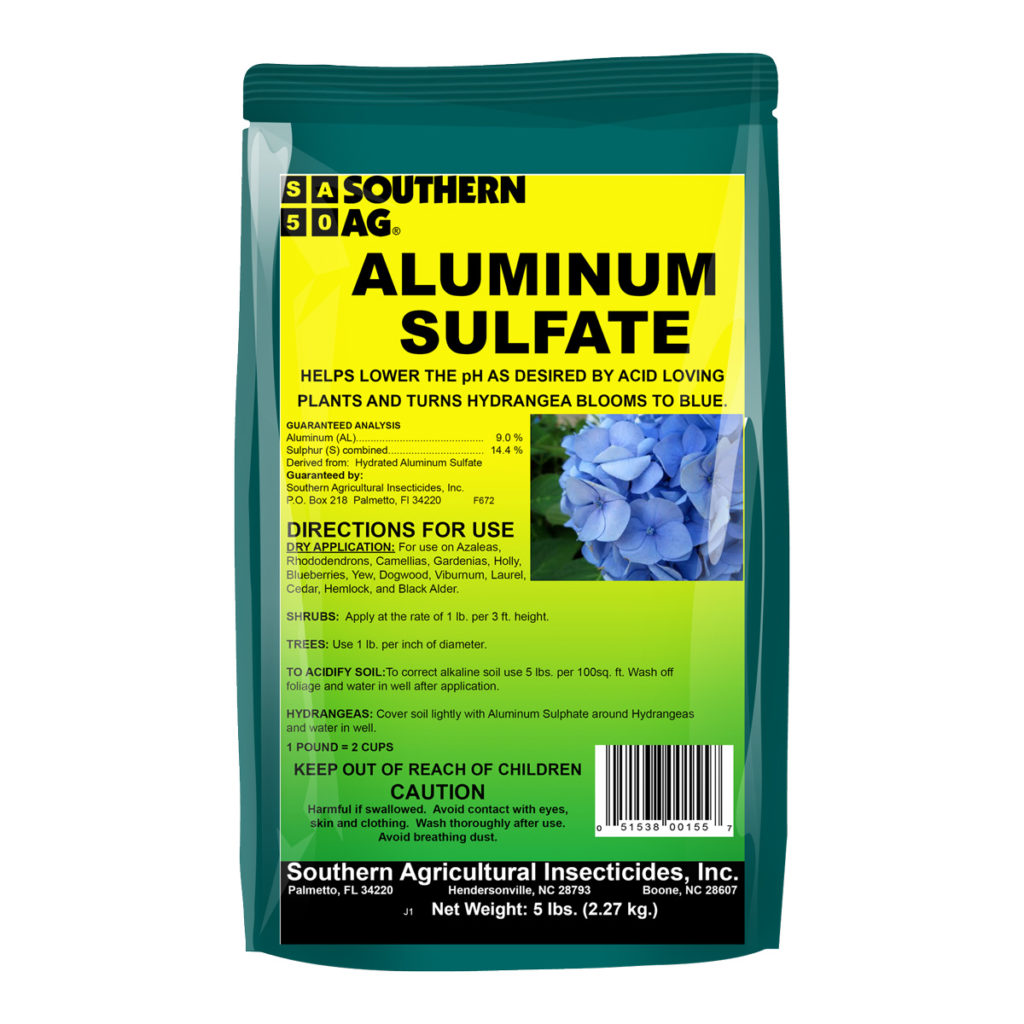
Southern Ag Aluminum Sulfate is a soil acidifier that helps lower pH and corrects high alkalinity, making it ideal for acid-loving plants. It’s great for hydrangeas and other shrubs and trees that prefer acidic conditions, including rhododendrons, blueberries, azaleas, and more. Broadcast evenly and wash off foliage, then water after application.
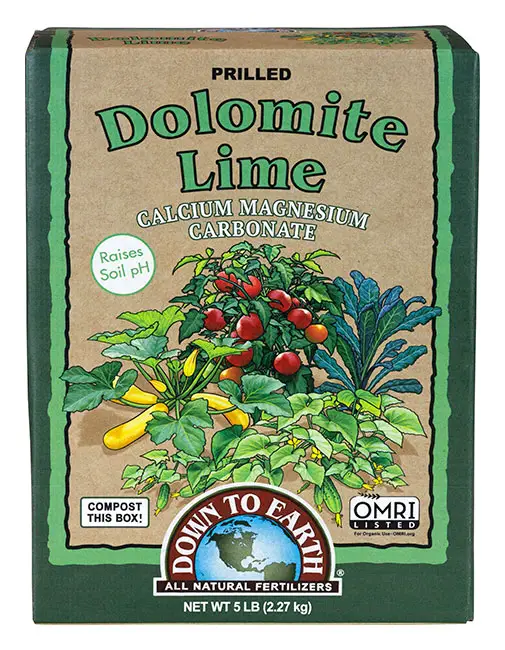
Down To Earth Organic Prilled Dolomite Lime helps raise acidic soil pH for better nutrient uptake and healthier vegetable gardens. Its rich calcium and magnesium support strong cell walls, root growth, and overall plant performance. OMRI listed for organic use, the prilled granules spread easily and act quickly while improving soil structure and microbial activity.
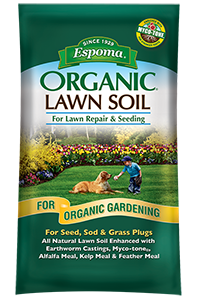
Espoma Organic Lawn Soil is an all-natural organic soil mix designed to promote seed germination and help new sod establish. It contains earthworm castings, alfalfa meal, kelp meal, and feather meal, enhanced with Espoma MYCO-TONE, a blend of endo and ecto mycorrhizae fungi. Use it anytime you sow new grass seed or install sod for organic gardening results with no synthetic plant foods or chemicals.
Thinning
Thin seedlings to one plant per 10 centimeters when they reach 5 centimeters tall. The thinnings are edible as baby beet greens and are excellent in salads. Failure to thin produces a crowded stand where roots cannot develop to useful size.
Watering and Soil
Beets need consistent moisture for smooth, round root development. Irregular watering produces woody, misshapen roots with a tougher texture. The soil should drain well because standing water causes rot, but the surface should not be allowed to dry completely between waterings.
Beets prefer soil with a pH of 6.0 to 7.0. Slightly alkaline conditions cause boron deficiency, which produces blackened internal tissue (black heart). If boron deficiency is suspected, apply a borax drench at very low concentration (1 tablespoon per 12 liters of water per 9 square meters).
Harvest
Harvest beets at 3 to 5 centimeters diameter for the best flavor and texture: smaller beets are sweeter and more tender, while larger beets can become woody or develop a tougher exterior. Pull roots gently and twist off the tops rather than cutting, which causes bleeding and reduces storage life.