
Pest Control for Homeowners: Identify, Control, and Prevent Infestations
Effective pest control starts with knowing what you are dealing with, because the right treatment for one pest can be completely wrong for another. A mite infestation on garden plants calls for a miticide or neem oil application; a carpenter ant problem in a wall void calls for a targeted bait or dust; a grub infestation in the lawn calls for a soil-active insecticide applied at the right point in the pest’s life cycle. The goal of this silo is to connect accurate pest identification with practical, evidence-based control decisions so you can act with confidence rather than guessing.
Not every pest requires intervention. Integrated pest management, or IPM, is the framework that treats pest control as a decision process rather than a reflex: you monitor for pest presence, compare observed population levels against an action threshold, and choose the least disruptive effective treatment when that threshold is crossed. Many pests that alarm homeowners are either transient visitors, present at levels too low to cause meaningful damage, or kept in check by beneficial insects that a broad-spectrum insecticide would eliminate. This guide is organized around that decision-making process.
What This Silo Covers
The Bovees pest control resource is organized into six hubs, each focused on a distinct pest category or control method. Each hub gives you the identification context you need first, then connects you to specific species guides and product recommendations that match your situation.
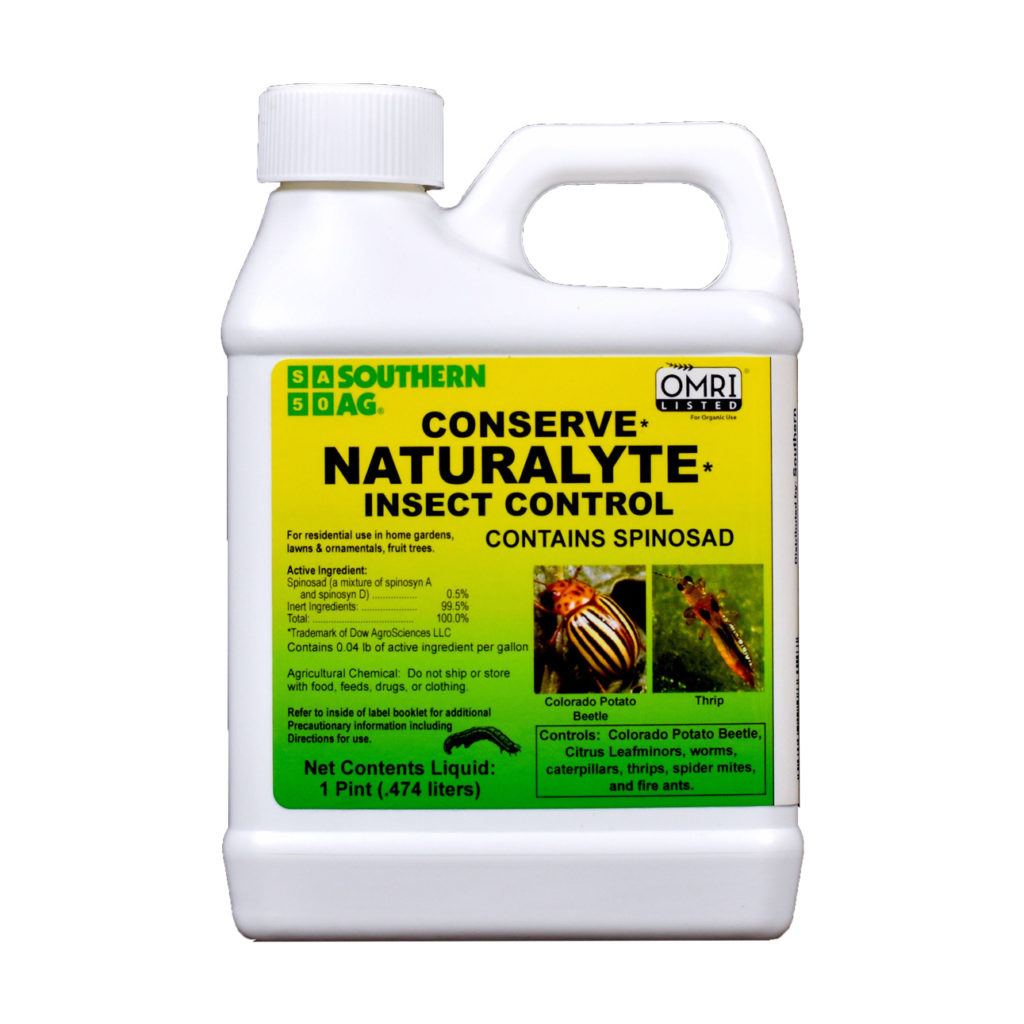
Conserve Naturalyte Insect Control is an OMRI-listed spinosad insect control for use on vegetables, ornamentals, and fruit trees. It helps control a wide range of pests including caterpillars, thrips, leaf miners, beetles, flies, fire ants, and fruit flies. Apply as a thorough cover spray and follow label directions for either spray or drench treatments.
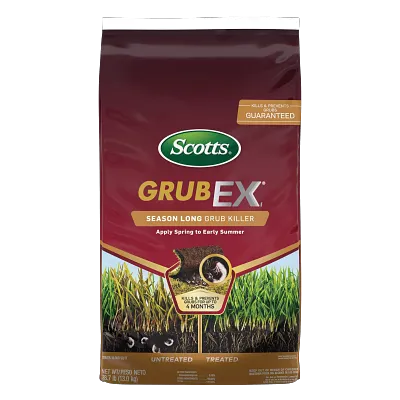
Scotts GrubEx1 is a season-long grub killer that keeps protecting your lawn from grubs and damage for up to 4 months with a single application. It helps stop grubs before they cause brown patches and harm grass roots, keeping your turf healthier. Apply in spring or early summer when grubs are developing for best results.
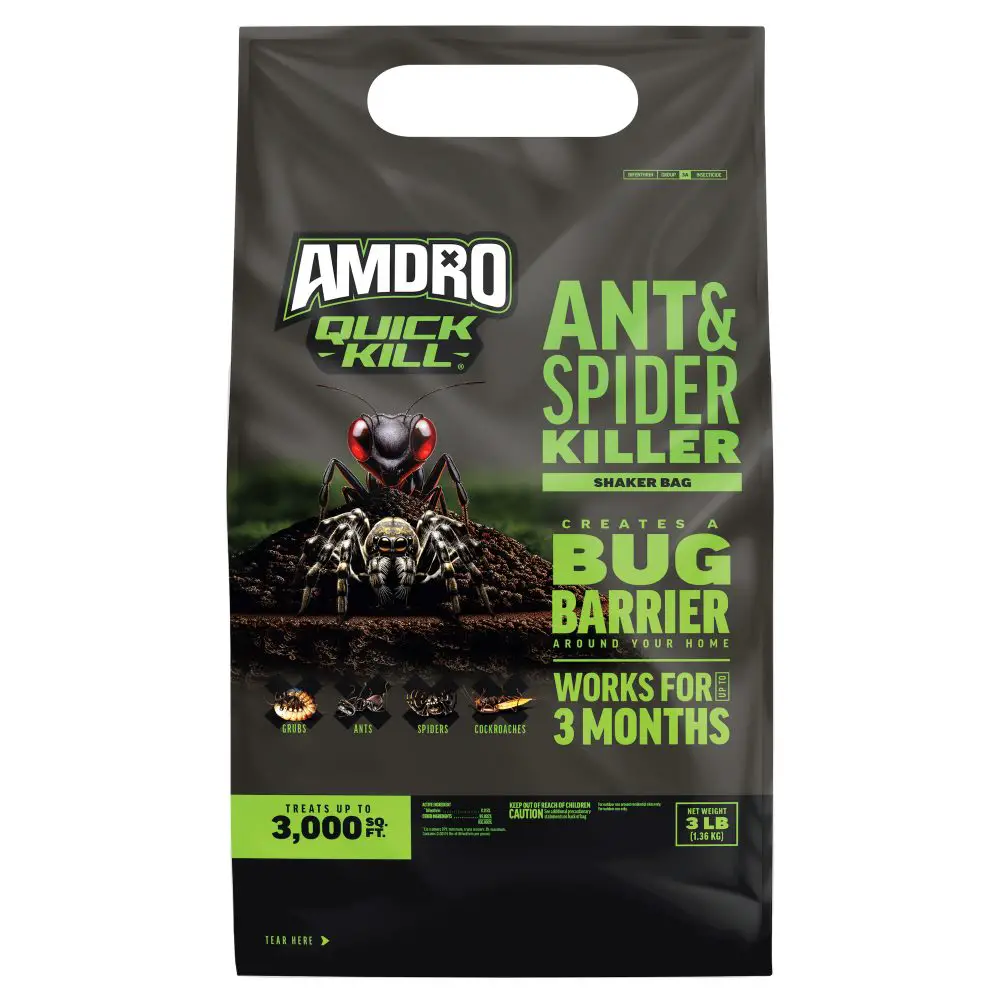
Amdro Quick Kill Ant & Spider Killer granules come ready to spread and help create a bug barrier around your home. The soil-penetrating formula kills listed insects by contact and works for up to 3 months, targeting lawn-damaging pests like grubs and mole crickets as well as surface pests such as ants and spiders. Simply apply evenly with the shaker bag, then lightly water the treated area to help control up to 100 listed insects and cover up to 3,000 square feet.
Mites and Chiggers
Mites belong to the arachnid subclass Acari, not to the insect class, which is why standard insecticides often fail against them and a dedicated miticide or acaricide is necessary. The mites and chiggers hub covers spider mites, clover mites, oak mites, maple gall mites, soil mites, wood mites, and chiggers, with individual guides for each species and their preferred hosts, feeding damage patterns, and control options.
Ants
Ant colonies are persistent because treating visible workers without reaching the queen produces only temporary relief. The ants hub separates nuisance species such as sugar ants and pavement ants from structurally damaging carpenter ants and medically significant fire ants, with distinct control strategies for each category and product recommendations for bait, gel, granule, and contact insecticide formats.
Flying Insects, Bees, and Wasps
Flying stinging insects require a careful distinction between genuine pest species and beneficial pollinators before any treatment decision is made. The flying insects, bees, and wasps hub covers yellow jackets, wasps, hornets, hoverflies, sweat bees, and mosquitoes, with guides for nest removal, repellent use, and product selection for both targeted and perimeter applications.
Pest Control Methods
The treatment landscape for pest control spans cultural controls, mechanical traps, biological agents, organic pesticides, and synthetic insecticides, and choosing between them depends on the pest’s life stage, the treatment environment, and the acceptable impact on beneficial insects. The pest control methods hub is the methodological reference for the entire silo: it covers integrated pest management as a framework, the organic versus chemical decision, product comparisons for diatomaceous earth, neem oil, and insecticidal soap, and guidance on when a professional exterminator is the right call.
Indoor and Home Pests
Pests that establish inside the home operate in a different treatment environment from yard and garden pests, where chemical choices are more constrained by indoor air quality, child and pet safety, and proximity to food storage. The indoor and home pests hub covers silverfish, fleas, cockroaches, spiders, and the behavioral relationship between LED lighting and insect and spider attraction, with practical exclusion, sanitation, and treatment guidance for each.
Garden and Lawn Pests
Outdoor plant and turf pests cover a wide spectrum from root-feeding grubs and soil-based cutworms to foliar pests like aphids, whiteflies, and caterpillars, and each group requires a different monitoring and treatment approach. The garden and lawn pests hub is the primary resource for homeowners dealing with plant damage in their garden beds and lawns, with individual guides for the most common species and buyer’s guides for the most effective organic and synthetic treatment products.
The Pest Identification Step Most Homeowners Skip
Accurate pest identification is the single most important step in any pest control program, and it is the one most often skipped. Applying a contact insecticide to a mite problem will do almost nothing because mites are arachnids, not insects, and most contact insecticides are not registered for mite control. Applying a broad-spectrum soil drench to what appears to be a fungal problem will leave the actual pathogen untreated and may harm beneficial soil organisms. Taking two minutes to confirm whether you are looking at a six-legged insect, an eight-legged arachnid, or a larval form that looks nothing like the adult pest determines whether the treatment you choose has any chance of working.
Key identification factors to establish before choosing a treatment: the number of legs on the adult form, the type of feeding damage visible on plants or structures, the location of nesting or harborage, the time of year, and whether the population is growing or stable.
Pest Control and Lawn Health
Pest pressure in the lawn is closely related to soil health, turf density, and irrigation practices. Lawns with thin, stressed turf are significantly more vulnerable to grub infestations, chinch bugs, and sod webworms because the plants lack the root mass to compensate for feeding damage. Homeowners whose primary concern is lawn damage from pest activity will find the diagnostic framework for distinguishing pest damage from drought stress, fungal disease, and nutrient deficiency in our lawn care guide.
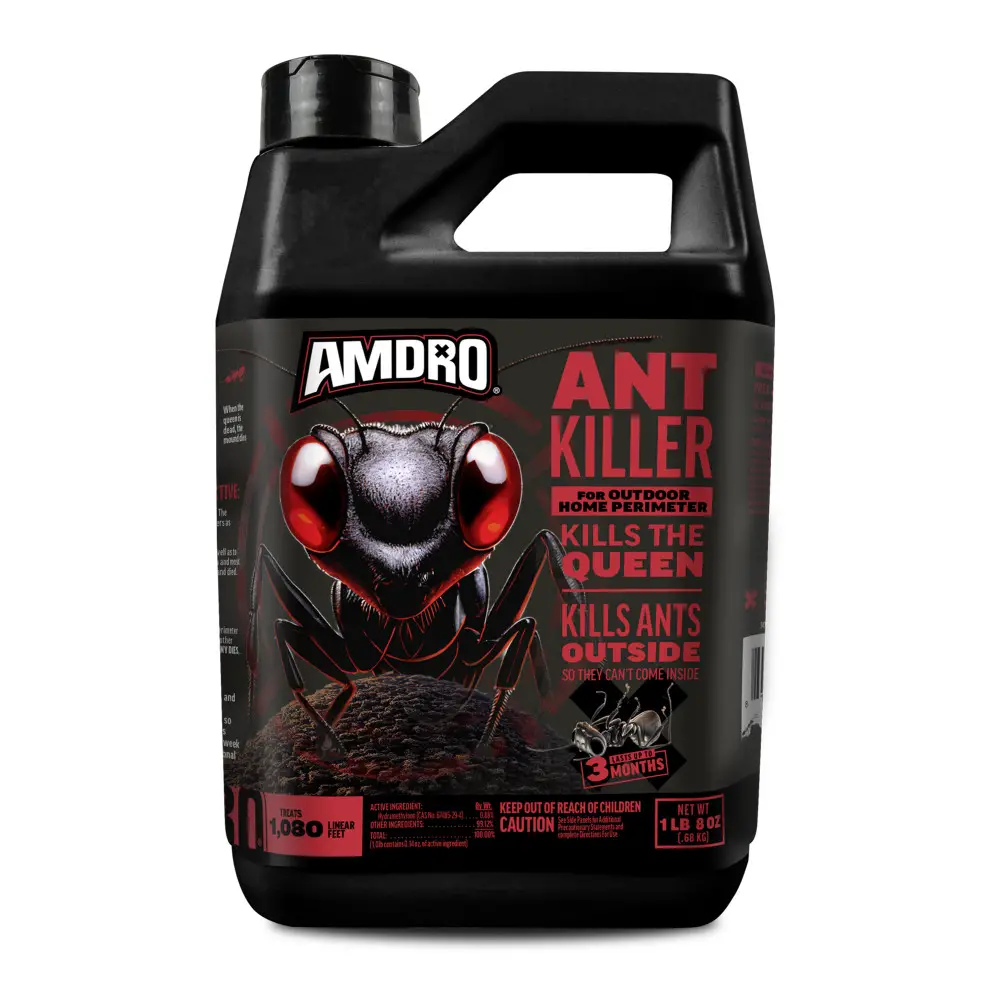
Amdro Ant Killer for Outdoor Home Perimeter creates a protective band that attracts and kills listed common ant species before they enter your home. Dual-action bait foraging workers carry it back to their colonies, helping reduce visible ants within about a week and stopping the colony, including the queen. For best results, apply when ants are active, and keep the treatment working up to three months for ongoing perimeter protection.
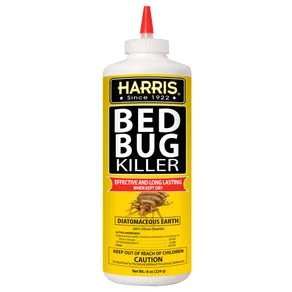
Harris Diatomaceous Earth powder provides thorough bed bug treatment, including hard-to-reach areas, with simple application using the included puffer tip. Bed bugs that contact the powder die within 48 hours, and the dry powder continues killing for weeks for extended residual protection. It is EPA registered for use in homes with people and pets and is also OMRI listed for organic mineral use.
Organic Soil Health as a Prevention Strategy
Cultural pest control, one of the four pillars of integrated pest management, includes building soil organic matter to support root health and beneficial soil biology that suppresses pest populations naturally. Regular compost applications reduce compaction, improve drainage, and increase the microbial activity that keeps soil conditions unfavorable for pest establishment. The application rates and timing for using compost as a soil health and pest prevention tool are covered in our composting guide.
Plant-Specific Pests That Originate Indoors
Some of the most persistent plant pests, including spider mites and fungus gnats, establish on houseplants and spread from there to outdoor container plants and garden beds. Identifying and controlling pest problems at the source, whether on a houseplant or a newly purchased nursery transplant, is a critical step that the houseplants guide covers in detail, including how to inspect new plants before bringing them into your home.
How to Use This Resource
Start with the hub that matches your pest category. If you already know what you are dealing with, navigate directly to the species page. If you are unsure, use the hub index pages to match your observed pest characteristics and damage patterns to the right pest entity. Once you have identified the pest, the species page will walk you through the life cycle, the threshold question, and the treatment options from least to most intensive.
Every treatment recommendation in this silo is evaluated against three criteria: effectiveness at the target pest’s most vulnerable life stage, impact on beneficial insects in the treatment area, and safety for humans and pets when used as directed on the product label.