
Composting for Homeowners: A Complete Practical Guide
Composting is the controlled biological decomposition of organic matter into a stable, nutrient-rich soil amendment that improves soil structure, supports plant growth, and reduces the volume of household and garden waste that goes to landfill. It is one of the most practical things a homeowner can do for their yard, their garden, and their budget, and it requires no specialist equipment to get started.
This resource covers everything from setting up a first pile or bin, through understanding the biology and chemistry that drive decomposition, to troubleshooting problems when a pile stalls, and finally applying finished compost where it does the most good. Whether you are new to composting or trying to improve a system that is not working as well as it should, the guides here give you concrete answers based on how decomposition actually works.
What Composting Is and How It Works
Composting is an aerobic decomposition process driven by microorganisms, primarily bacteria, fungi, and actinomycetes, that break organic matter down into humus, the stable end product that gives finished compost its value as a soil conditioner. The process also involves earthworms in cooler parts of a pile, along with a range of insects and other soil organisms that contribute to physical breakdown and nutrient cycling.
The key inputs the organisms need are carbon, nitrogen, moisture, oxygen, and surface area to work on. Carbon comes from brown materials such as dry leaves, cardboard, straw, and wood chips. Nitrogen comes from green materials such as food scraps, fresh grass clippings, and plant trimmings. The balance between the two, known as the carbon-to-nitrogen ratio, determines how quickly the pile heats up and how efficiently decomposition proceeds. Getting that balance right is the single most important factor in producing finished compost in a reasonable timeframe.
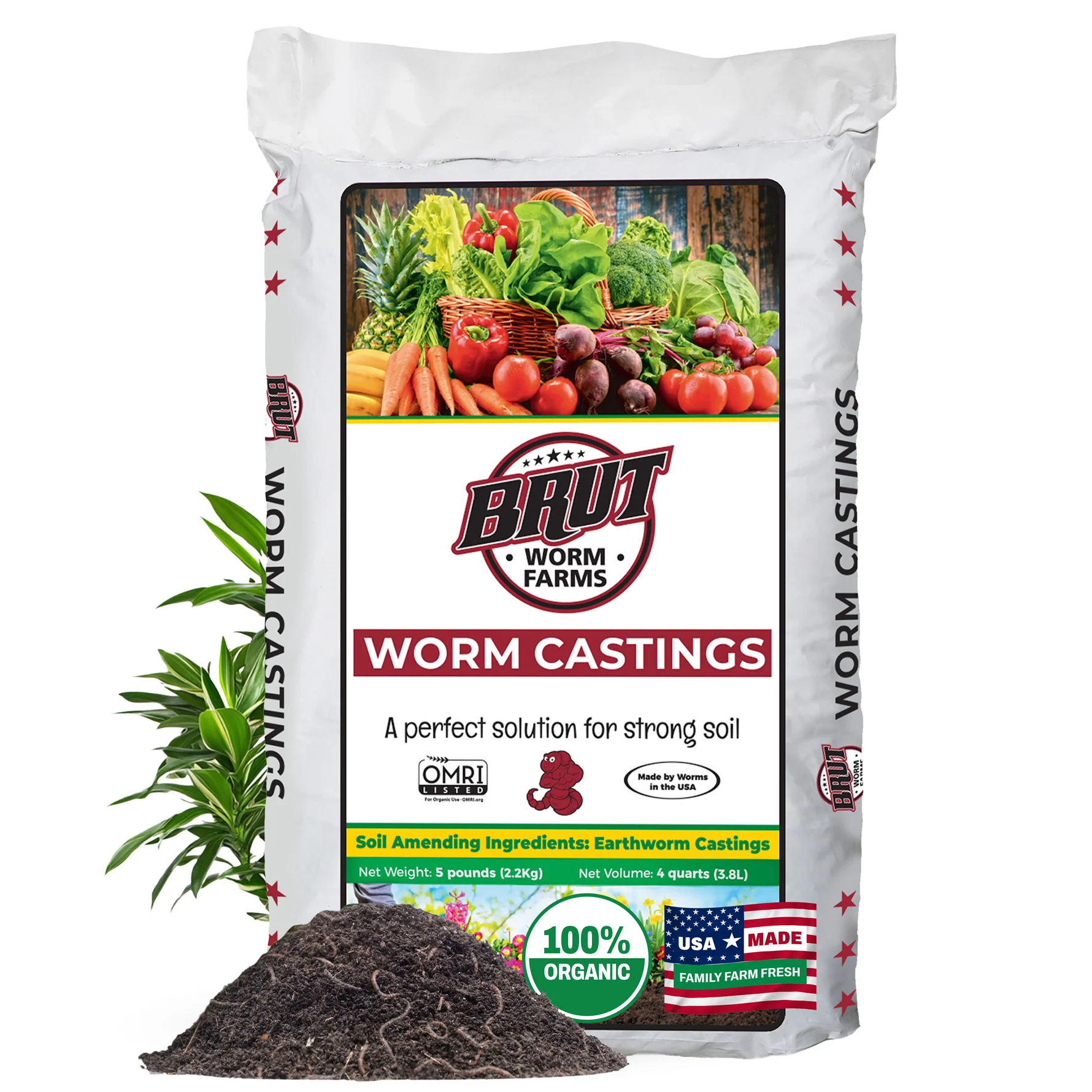
Brut organic worm castings provide mineral-rich, certified organic nutrition to supercharge indoor and outdoor plants. Raised indoors in containers for purity, these castings support lush greenery, vibrant blooms, and bountiful harvests. OMRI and CDFA listed formula helps deliver nature’s nutrients directly to plant roots for healthy growth from root to leaf.
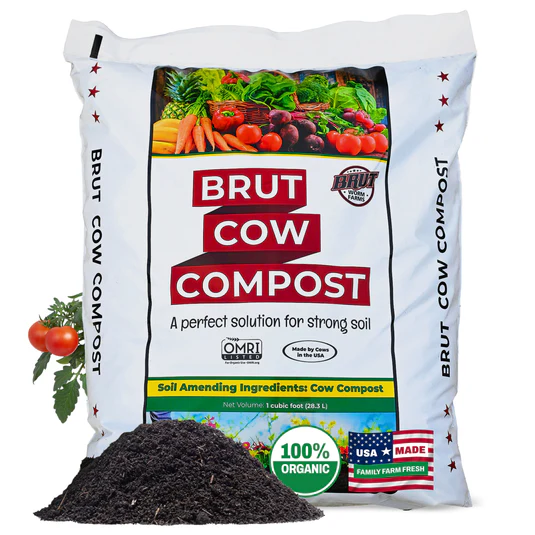
Brut Cow Compost is a nutrient-rich organic soil amendment made from 100% pure, thoroughly composted cow manure. It enriches soil with nitrogen, calcium, and iron, supports beneficial microbial life, and helps plants produce stronger growth. Odor-free and gentle on roots, it can be used for vegetables, flowers, lawns, shrubs, and indoor plants as a top dressing or mixed into garden and potting soil.
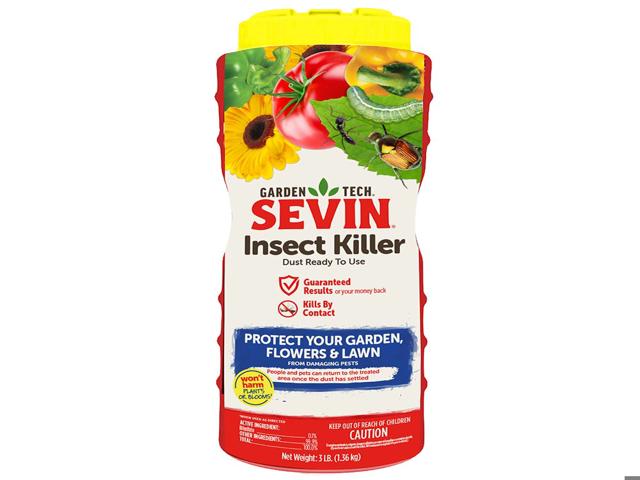
Sevin Insect Killer Dust helps protect flowers and lawn from listed damaging pests with a ready-to-use, shake-and-apply formula. It kills more than 150 insects by contact and creates a protective barrier when applied to leaves, stems, and flowers at the label rate. It won’t harm plants or blooms, and people and pets may return once the dust has settled.
How This Resource Is Organized
The composting silo is divided into five hubs, each covering a distinct stage of the composting process.
How to Compost covers the mechanics of composting as a process: the biology of decomposition, the difference between hot and cold composting methods, carbon-to-nitrogen balance, pile moisture and aeration, turning technique and frequency, and how to tell when compost has finished. This hub establishes the process knowledge that all other hubs build on.
What You Can Compost covers compostability as a material-level property. Each guide addresses a specific material, from banana peels and eggshells to cardboard, grass clippings, and dog waste, and explains whether it belongs in a home compost pile, under what conditions, and in what quantities. The hub also covers what not to add and why.
Troubleshooting covers the most common failure states: a pile that will not heat up, compost that smells wrong, material that is not breaking down, a pile that is too wet or too dry, and pests. Each guide diagnoses the cause and provides corrective steps.
Products and Equipment covers compost bins, tumblers, worm bins, aerators, thermometers, kitchen crocks, and finished compost products. It serves readers who are choosing equipment to start or improve their composting setup, as well as readers buying finished bagged compost or mushroom compost as a soil amendment.
Using Compost covers how to apply finished compost across the main homeowner use cases: top-dressing lawns, preparing vegetable beds, mulching, amending potting mixes, and making compost tea. Application rates, timing, and incorporation depth are covered by use case.
Composting as Part of a Broader Soil Strategy
Finished compost is one of the most versatile soil amendments available to homeowners, but it works best as part of a broader soil and feeding strategy rather than in isolation. Compost delivers nitrogen slowly as organic matter breaks down; understanding how that slow-release profile compares to granular and liquid fertilizer options helps you decide whether to use compost alone or alongside a broader feeding program. That comparison, including NPK equivalents and application timing by grass type, is covered in the lawn fertilizer guide.
For readers improving planting beds and growing media, compost improves drainage in clay soils and water retention in sandy soils. How compost fits into a full soil preparation sequence for vegetable growing, including incorporation depth and timing before planting, is covered in the garden soil guide.
Composting is not a complicated process, but it does reward a basic understanding of what is happening inside the pile. The guides in this silo give you that understanding, along with the practical steps to act on it at every stage.
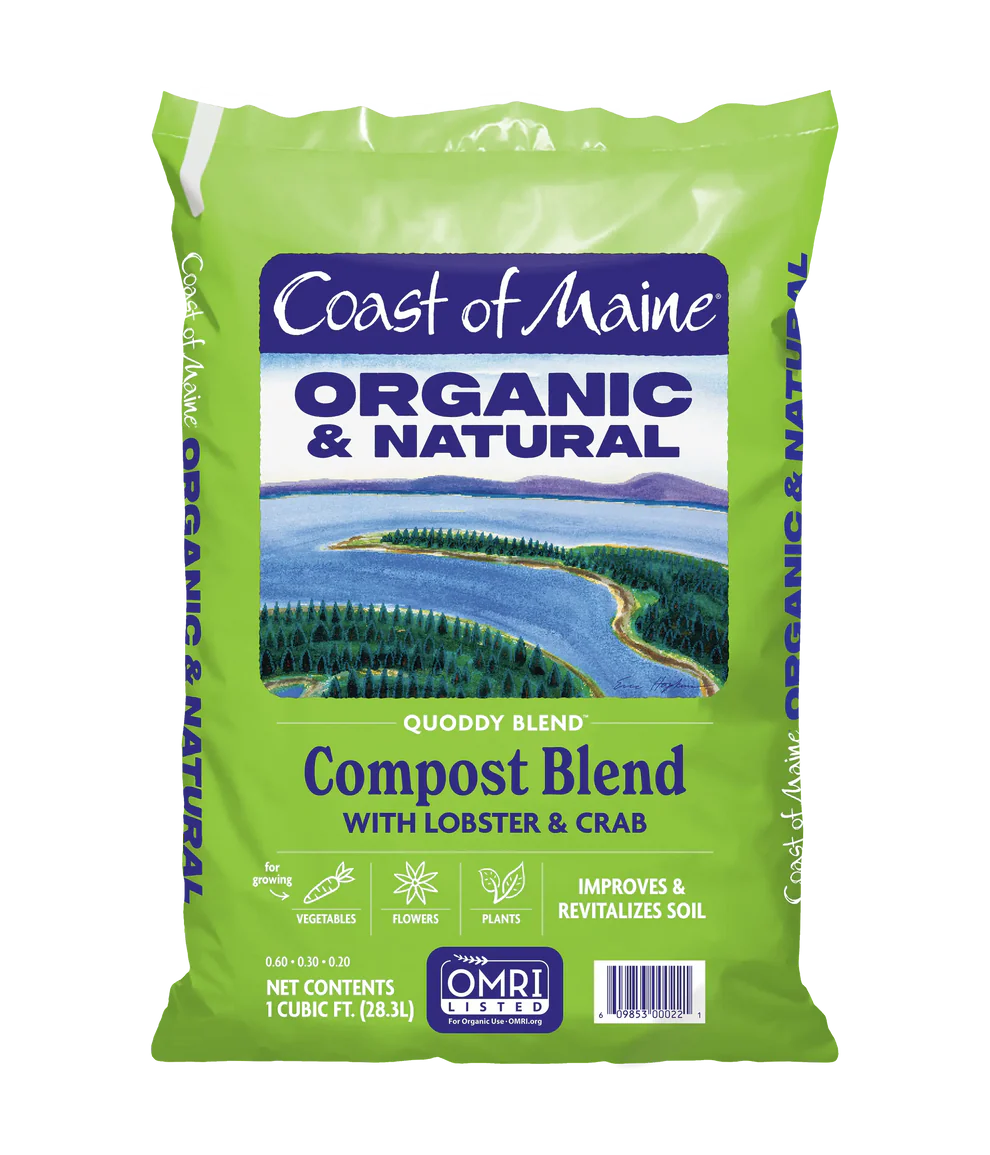
Coast of Maine’s Organic & Natural Quoddy Blend is a premium seafood compost made from lobster and crab shell meal, composted manure, and peat moss to enrich garden soil. It improves soil structure by supporting better drainage, aeration, and water retention for healthier root development. OMRI listed for organic use, it’s a versatile choice for gardens, beds, borders, trees, shrubs, and foliage.
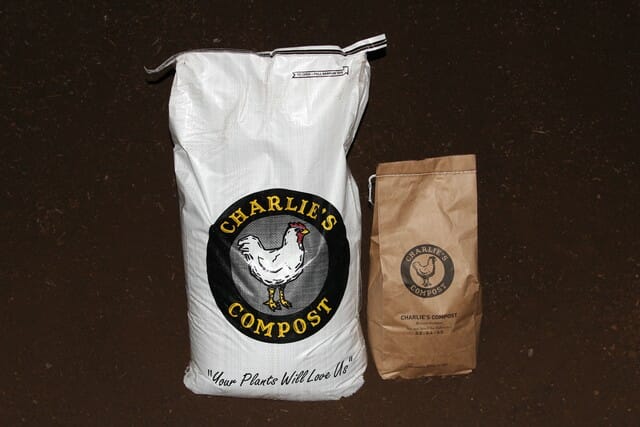
Charlie's Compost is an odor-free organic compost that enriches soil with nutrients and improves soil structure for healthier plant growth. It’s ideal for home gardens, raised beds, containers, and seed starting mixes, and it works as a compost tea ready amendment. The formula supports continuous nutrient release and offers low-odor composting for small-space and indoor-friendly use.