
How to Compost: Methods, Ratios, and Process Fundamentals
Understanding how composting works gives you the ability to troubleshoot problems, speed up the process, and consistently produce finished compost rather than a pile of slowly rotting material. This hub covers the biological, chemical, and physical conditions that drive decomposition, the knowledge base that sits behind every practical decision you make about your composting setup.
The Biology Behind Decomposition
Composting is driven by microorganisms, primarily bacteria, but also fungi and actinomycetes, that consume organic matter and break it down into simpler compounds. In an active compost pile, thermophilic bacteria are the primary decomposers: these heat-tolerant organisms thrive at temperatures between 130°F and 160°F, and their metabolic activity is what generates the heat that characterizes a well-managed hot pile. That heat also kills weed seeds and many pathogens, which is one of the primary advantages of hot composting over cold.
The microorganisms responsible for aerobic decomposition need four things to work efficiently: carbon as an energy source, nitrogen as a nutrient for protein synthesis, moisture at around 40 to 60 percent by weight (roughly the moisture level of a wrung-out sponge), and oxygen to sustain their metabolism. When any of these inputs falls outside the optimal range, decomposition slows or stops. Most composting problems, from a pile that will not heat up to one that smells like ammonia or rotten eggs, can be traced back to an imbalance in one of these four factors.
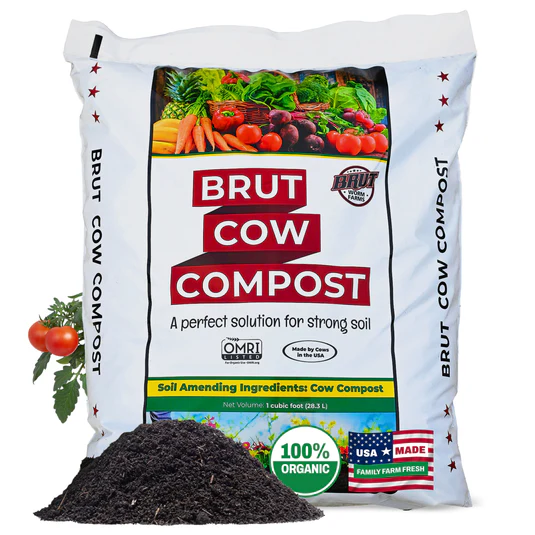
Brut Cow Compost is a nutrient-rich organic soil amendment made from 100% pure, thoroughly composted cow manure. It enriches soil with nitrogen, calcium, and iron, supports beneficial microbial life, and helps plants produce stronger growth. Odor-free and gentle on roots, it can be used for vegetables, flowers, lawns, shrubs, and indoor plants as a top dressing or mixed into garden and potting soil.
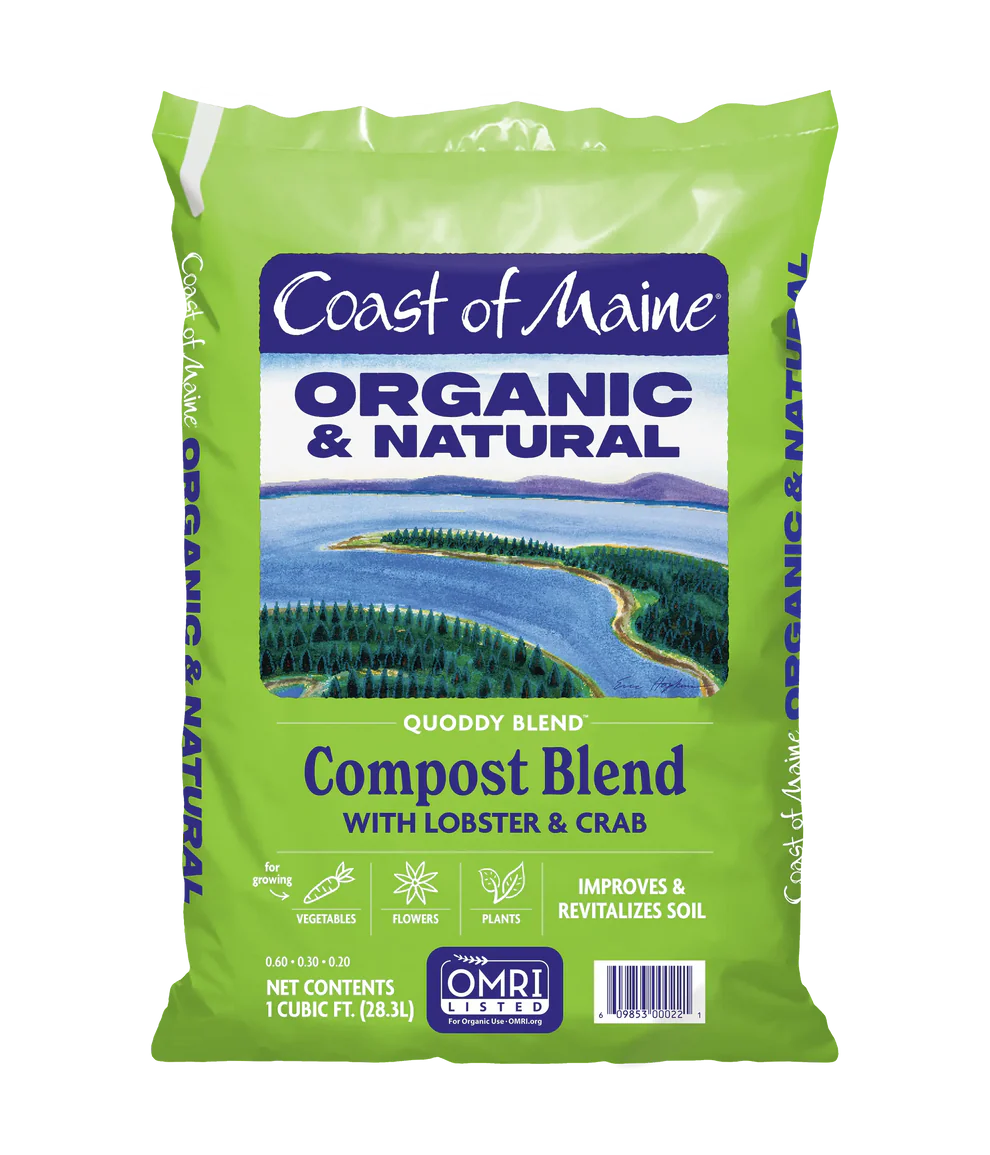
Coast of Maine’s Organic & Natural Quoddy Blend is a premium seafood compost made from lobster and crab shell meal, composted manure, and peat moss to enrich garden soil. It improves soil structure by supporting better drainage, aeration, and water retention for healthier root development. OMRI listed for organic use, it’s a versatile choice for gardens, beds, borders, trees, shrubs, and foliage.
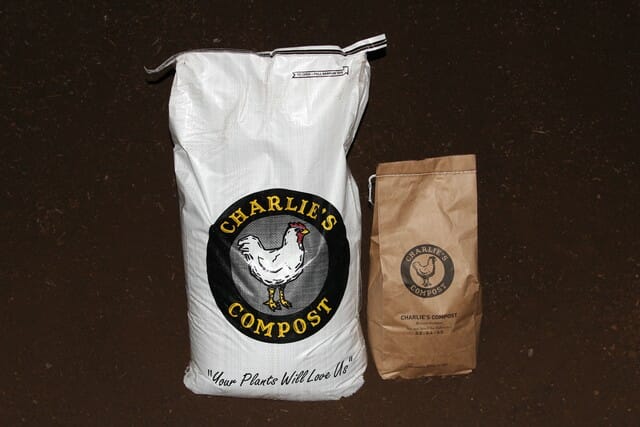
Charlie's Compost is an odor-free organic compost that enriches soil with nutrients and improves soil structure for healthier plant growth. It’s ideal for home gardens, raised beds, containers, and seed starting mixes, and it works as a compost tea ready amendment. The formula supports continuous nutrient release and offers low-odor composting for small-space and indoor-friendly use.
Carbon, Nitrogen, and the Balance Between Them
The carbon-to-nitrogen ratio, usually written as C:N, is the single most important variable in determining how quickly a pile decomposes. A ratio of around 25:1 to 30:1 by weight is optimal for rapid decomposition. Brown materials such as dry leaves, cardboard, straw, and wood chips are high in carbon. Green materials such as fresh grass clippings, fruit and vegetable scraps, coffee grounds, and fresh plant trimmings are high in nitrogen.
A pile that is too carbon-heavy decomposes very slowly because the microorganisms run out of nitrogen before they can process the available carbon. A pile that is too nitrogen-heavy tends to produce ammonia odors and can turn slimy and anaerobic. Achieving the right balance involves layering browns and greens, adjusting the ratio when the pile shows signs of imbalance, and understanding the approximate C:N value of the materials you are adding. The practical guide to getting that balance right is covered in the carbon-to-nitrogen ratio guide.
Hot Composting vs Cold Composting
Composting falls into two broad method categories: hot composting, which requires active management of temperature, moisture, aeration, and C:N ratio to sustain thermophilic conditions, and cold composting, which is a passive process where organic matter breaks down slowly over many months with minimal intervention. Hot composting can produce finished compost in as little as four to eight weeks when managed correctly. Cold composting typically takes six to eighteen months. The choice between them depends on how much time and effort you want to invest, the volume of material you generate, and how quickly you need finished compost. The full comparison is in the hot vs cold composting guide.
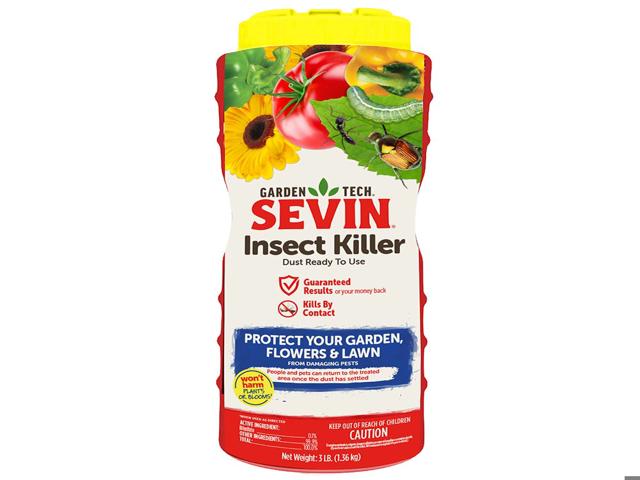
Sevin Insect Killer Dust helps protect flowers and lawn from listed damaging pests with a ready-to-use, shake-and-apply formula. It kills more than 150 insects by contact and creates a protective barrier when applied to leaves, stems, and flowers at the label rate. It won’t harm plants or blooms, and people and pets may return once the dust has settled.
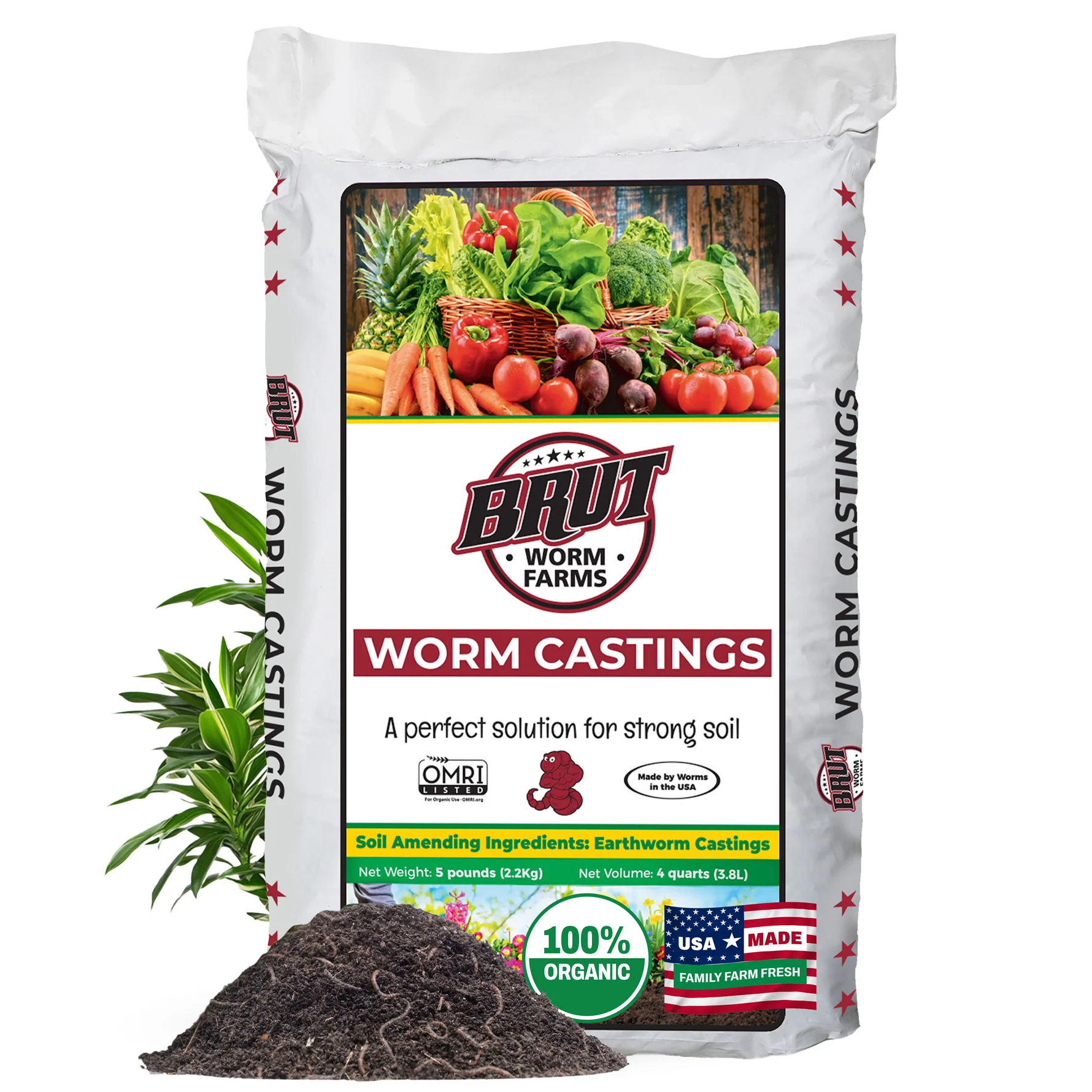
Brut organic worm castings provide mineral-rich, certified organic nutrition to supercharge indoor and outdoor plants. Raised indoors in containers for purity, these castings support lush greenery, vibrant blooms, and bountiful harvests. OMRI and CDFA listed formula helps deliver nature’s nutrients directly to plant roots for healthy growth from root to leaf.
Pile Size, Moisture, and Aeration
A compost pile needs sufficient mass to generate and retain heat. The minimum effective pile size for hot composting is roughly one cubic yard (3 feet by 3 feet by 3 feet). Below this threshold, the pile does not insulate itself well enough to reach or sustain thermophilic temperatures. Larger piles can also become problematic if the center becomes compacted and anaerobic, so most practical guidance recommends a working range of one to three cubic yards.
Moisture management and aeration work together. A pile at field capacity moisture, wet enough that a handful squeezed hard produces only a few drops, has the right moisture level. Aeration is maintained by turning the pile to introduce oxygen and break up compacted sections. How often to turn, what tools to use, and how to recognize when a pile needs turning are covered in the guide to turning a compost pile.
What This Hub Covers
This hub establishes the process knowledge that every other part of the composting silo builds on. The branch guides cover each major topic in full detail.
- Introduction to Composting: How It Works and How to Start
- Where to Put a Compost Bin: Location Rules and Site Selection
- Compost Activators and Accelerators: Do They Work?
- Composting Pros and Cons: Is It Worth the Effort?
- Why Compost Balls Up and Clumps: Causes and Fixes
- Hot vs Cold Composting: Which Method Is Right for You?
- How Long Does Composting Take? Timeline by Method
- Carbon-to-Nitrogen Ratio in Compost: A Practical Guide
- How to Turn a Compost Pile: Frequency, Tools, and Technique
- How to Know When Compost Is Ready to Use
When a pile stalls or produces the wrong results, the diagnostic content in the troubleshooting hub applies the process fundamentals covered here to specific failure states. For guidance on choosing a bin, tumbler, or other equipment to support the method you choose, the products and equipment hub covers the full range of options.