
Hot vs Cold Composting: Which Method Is Right for You?
Hot composting and cold composting both produce the same end product: a dark, crumbly, nutrient-rich soil amendment that improves virtually any soil type. The difference between them is not what they produce but how quickly they produce it, how much work they require, and what limitations they impose on the inputs you can use. Choosing the right method means matching the approach to your schedule, your property, and what you are trying to achieve.
What Is Hot Composting?
Hot composting is an active, managed process that sustains thermophilic conditions inside the pile by maintaining the right balance of carbon, nitrogen, moisture, and oxygen. When these four factors are in the correct range, thermophilic bacteria generate internal temperatures of 130°F to 160°F. At these temperatures, weed seeds are killed, many pathogens are destroyed, and decomposition proceeds rapidly.
A well-managed hot pile can produce finished compost in four to eight weeks. The tradeoff is consistent management: the pile needs to be turned frequently (every two to five days during active phases), moisture needs to be monitored and maintained, and the C:N ratio needs to be right from the start. Letting the pile cool without intervention and failing to turn it regularly results in a pile that simply becomes a cold pile.
Hot composting works best when you have enough material to build a pile of at least one cubic yard all at once, rather than adding material gradually over weeks or months. Batch building, where you assemble the entire pile in one session using stored material, is the most reliable way to achieve and sustain thermophilic temperatures.
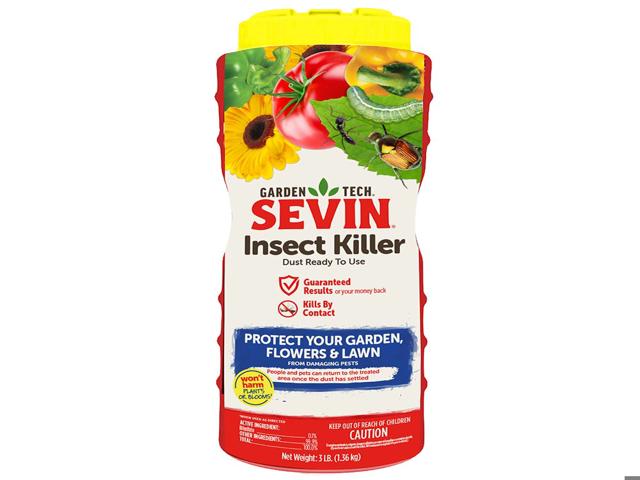
Sevin Insect Killer Dust helps protect flowers and lawn from listed damaging pests with a ready-to-use, shake-and-apply formula. It kills more than 150 insects by contact and creates a protective barrier when applied to leaves, stems, and flowers at the label rate. It won’t harm plants or blooms, and people and pets may return once the dust has settled.
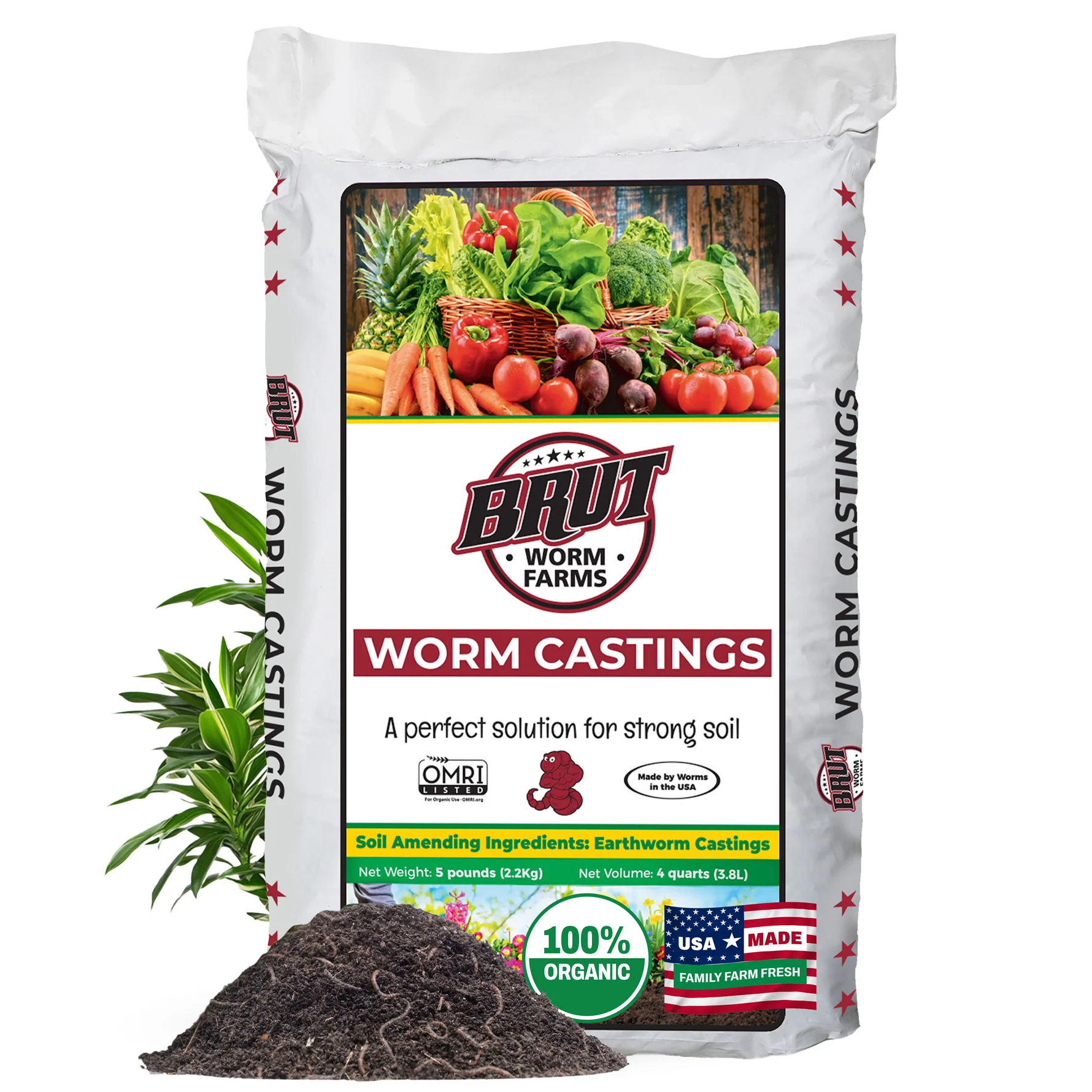
Brut organic worm castings provide mineral-rich, certified organic nutrition to supercharge indoor and outdoor plants. Raised indoors in containers for purity, these castings support lush greenery, vibrant blooms, and bountiful harvests. OMRI and CDFA listed formula helps deliver nature’s nutrients directly to plant roots for healthy growth from root to leaf.
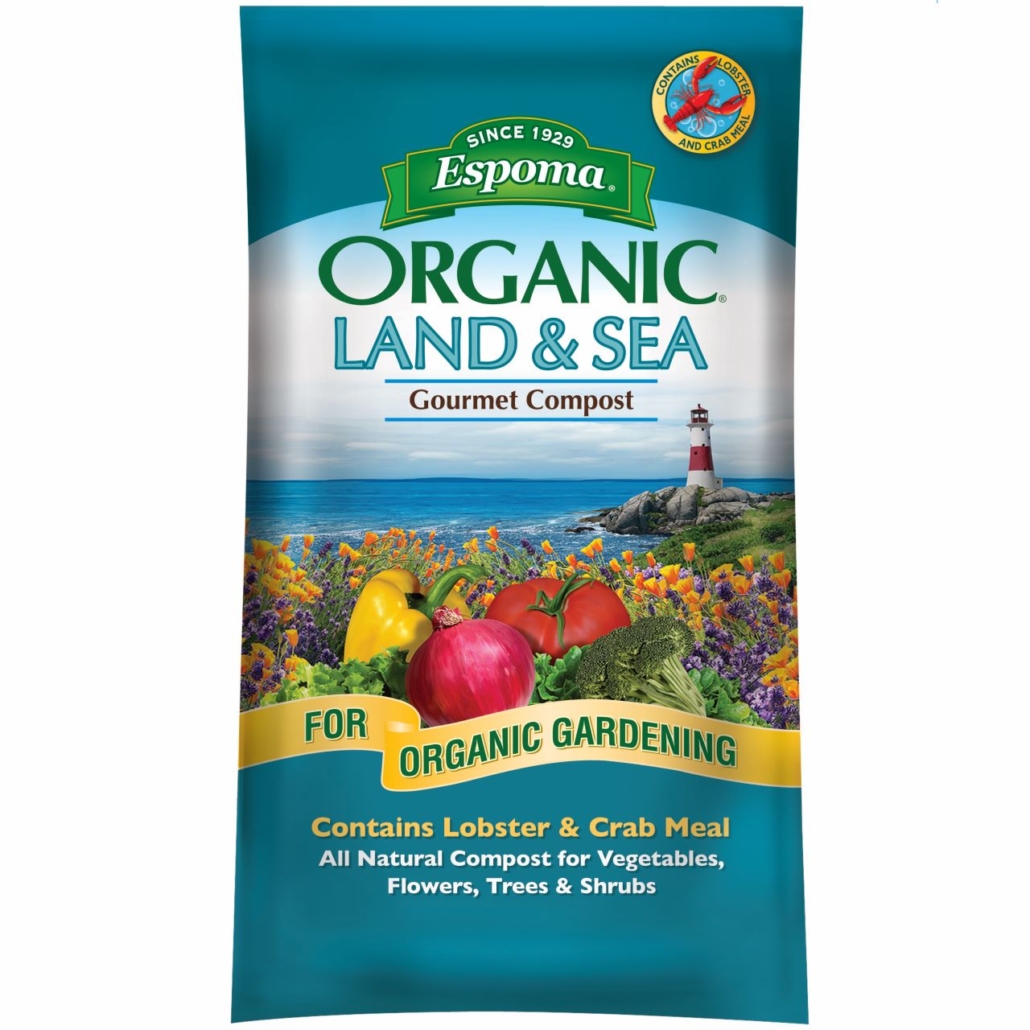
Espoma Organic Land and Sea Gourmet Compost is a rich organic planting mix designed to improve native soil and revitalize container gardens. Enriched with both lobster and crab meal, it supports healthy growth for vegetables, flowers, trees, and shrubs. The blend also includes myco-tone endo and ecto mycorrhizae and contains no synthetic plant foods or chemicals.
What Is Cold Composting?
Cold composting is a passive process where organic material is added to a pile gradually over time and left to decompose without active management. It does not reach thermophilic temperatures, so decomposition proceeds at ambient temperatures driven by mesophilic bacteria, fungi, and earthworms rather than the heat-loving organisms in a hot pile.
Cold composting requires very little effort: add material, leave it alone, and harvest finished compost from the bottom of the pile six to eighteen months later. The significant tradeoffs are that weed seeds are not reliably killed, pathogens in inputs such as diseased plant material may survive, and the process is slow. You cannot add diseased plants, weedy material, or anything that carries pathogen risk to a cold pile without accepting that these risks pass into your finished compost.
Side-by-Side Comparison
| Factor | Hot Composting | Cold Composting |
|---|---|---|
| Time to finished compost | 4 to 8 weeks | 6 to 18 months |
| Effort required | High: turning every 2 to 5 days | Low: add and leave |
| Weed seed kill | Yes, at sustained 130°F+ | No |
| Pathogen destruction | Yes | Unreliable |
| Inputs allowed | Most organic materials | Lower-risk materials only |
| Pile size requirement | Minimum 1 cubic yard | Flexible |
| Best for | Gardeners who need compost regularly | Homeowners who want a low-effort option |
Espoma Organic Lawn Soil is an all-natural organic soil mix designed to promote seed germination and help new sod establish. It contains earthworm castings, alfalfa meal, kelp meal, and feather meal, enhanced with Espoma MYCO-TONE, a blend of endo and ecto mycorrhizae fungi. Use it anytime you sow new grass seed or install sod for organic gardening results with no synthetic plant foods or chemicals.
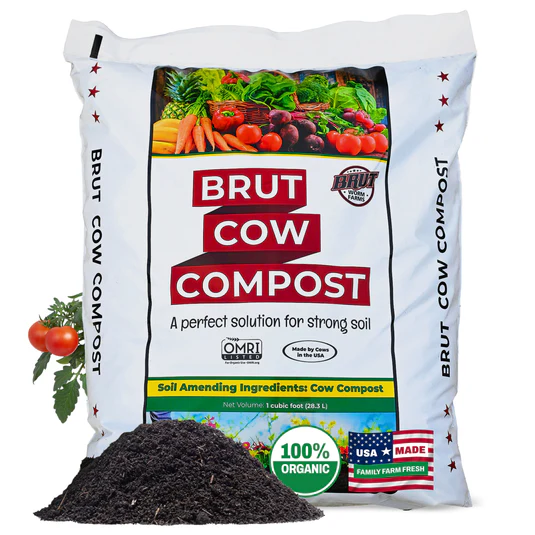
Brut Cow Compost is a nutrient-rich organic soil amendment made from 100% pure, thoroughly composted cow manure. It enriches soil with nitrogen, calcium, and iron, supports beneficial microbial life, and helps plants produce stronger growth. Odor-free and gentle on roots, it can be used for vegetables, flowers, lawns, shrubs, and indoor plants as a top dressing or mixed into garden and potting soil.
Which Method Suits Your Situation?
Hot composting suits gardeners who need finished compost on a regular cycle, who generate enough material to build a batch pile, who want to compost a wider range of inputs including some that carry pathogen or weed seed risk, and who are willing to turn a pile consistently during its active phase.
Cold composting suits homeowners who generate kitchen and garden waste gradually, who have a long lead time before they need to apply compost, who do not want to turn a pile regularly, and whose inputs are low-risk (vegetable scraps, autumn leaves, untreated grass clippings from a lawn that is not heavily weedy).
A hybrid approach used by many experienced composters is to hot compost in batches during the growing season when green material is abundant, and to cold compost autumn leaves through winter when turning activity is less practical. The full timeline breakdown for each method, including what affects speed, is in the composting timeline guide.