
Carbon-to-Nitrogen Ratio in Compost: A Practical Guide
The carbon-to-nitrogen ratio, abbreviated as C:N, describes the proportion of carbon to nitrogen in the organic material you add to a compost pile. It is the single most important variable in determining whether a pile decomposes quickly, slowly, or barely at all. Understanding it does not require chemistry: it reduces to a practical question about the mix of materials you are adding and what the signs of imbalance look like.
Why the C:N Ratio Matters
Decomposing microorganisms use carbon as an energy source and nitrogen to build proteins and reproduce. They consume carbon roughly 25 to 30 times faster than they consume nitrogen, which means a pile with a C:N ratio of 25:1 to 30:1 by weight provides fuel and nutrients in the proportions the microorganisms work most efficiently with.
A pile with a C:N ratio that is too high (too much carbon relative to nitrogen) decomposes slowly because nitrogen becomes limiting. The microorganisms have plenty of energy but cannot grow and reproduce quickly enough to decompose the available material. A pile that is too low (too much nitrogen relative to carbon) tends to go slimy, generates ammonia odors as excess nitrogen volatilizes, and can turn anaerobic.
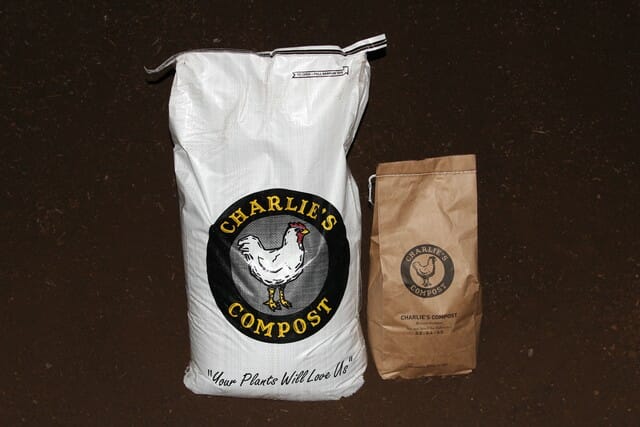
Charlie's Compost is an odor-free organic compost that enriches soil with nutrients and improves soil structure for healthier plant growth. It’s ideal for home gardens, raised beds, containers, and seed starting mixes, and it works as a compost tea ready amendment. The formula supports continuous nutrient release and offers low-odor composting for small-space and indoor-friendly use.
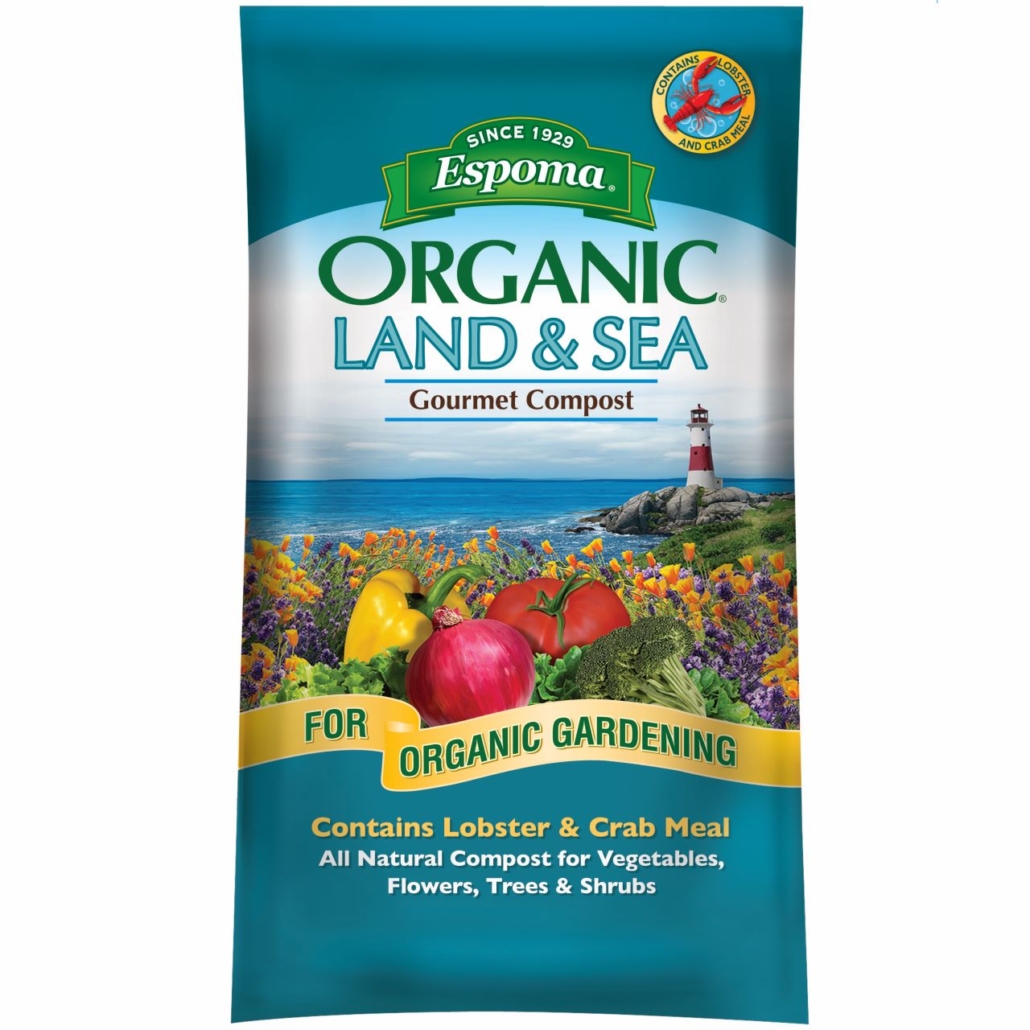
Espoma Organic Land and Sea Gourmet Compost is a rich organic planting mix designed to improve native soil and revitalize container gardens. Enriched with both lobster and crab meal, it supports healthy growth for vegetables, flowers, trees, and shrubs. The blend also includes myco-tone endo and ecto mycorrhizae and contains no synthetic plant foods or chemicals.
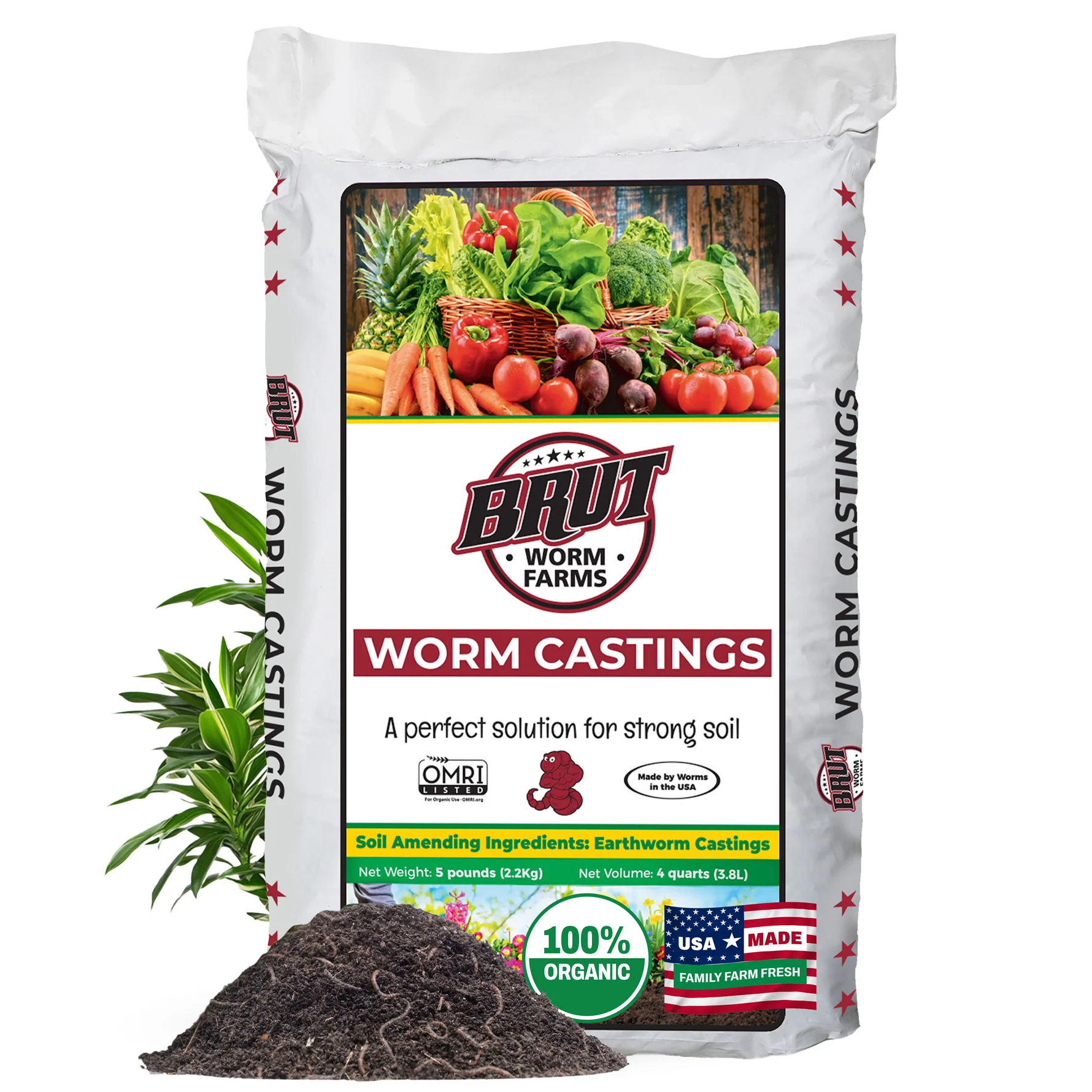
Brut organic worm castings provide mineral-rich, certified organic nutrition to supercharge indoor and outdoor plants. Raised indoors in containers for purity, these castings support lush greenery, vibrant blooms, and bountiful harvests. OMRI and CDFA listed formula helps deliver nature’s nutrients directly to plant roots for healthy growth from root to leaf.
Browns vs Greens: The Practical Framework
In practice, you do not need to calculate C:N ratios for every material. The browns-and-greens framework maps closely enough to actual C:N values for practical pile management.
Brown materials (high C:N ratio): dry autumn leaves (40:1 to 80:1), cardboard (400:1 to 560:1), straw (75:1 to 150:1), wood chips (400:1 to 700:1), sawdust (200:1 to 500:1), shredded newspaper (170:1). These materials are high in carbon and low in nitrogen.
Green materials (low C:N ratio): fresh grass clippings (15:1 to 25:1), vegetable and fruit scraps (15:1 to 35:1), coffee grounds (20:1), fresh plant trimmings (15:1 to 20:1), blood meal (3:1). These materials are high in nitrogen relative to carbon.
A pile built with roughly three parts browns to one part greens by volume provides an approximate C:N ratio in the target range for most common home composting inputs.
C:N Ratios for Common Materials
| Material | Approximate C:N Ratio |
|---|---|
| Dry autumn leaves | 40:1 to 80:1 |
| Cardboard | 400:1 to 560:1 |
| Straw | 75:1 to 150:1 |
| Wood chips | 400:1 to 700:1 |
| Fresh grass clippings | 15:1 to 25:1 |
| Vegetable scraps | 15:1 to 35:1 |
| Coffee grounds | 20:1 |
| Blood meal | 3:1 |
| Finished compost | 10:1 to 20:1 |
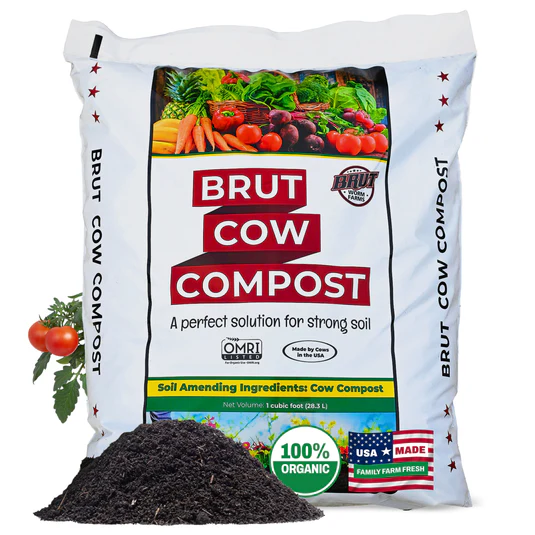
Brut Cow Compost is a nutrient-rich organic soil amendment made from 100% pure, thoroughly composted cow manure. It enriches soil with nitrogen, calcium, and iron, supports beneficial microbial life, and helps plants produce stronger growth. Odor-free and gentle on roots, it can be used for vegetables, flowers, lawns, shrubs, and indoor plants as a top dressing or mixed into garden and potting soil.
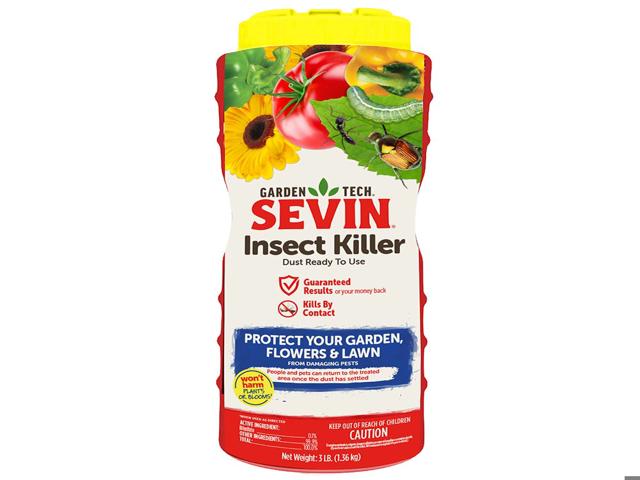
Sevin Insect Killer Dust helps protect flowers and lawn from listed damaging pests with a ready-to-use, shake-and-apply formula. It kills more than 150 insects by contact and creates a protective barrier when applied to leaves, stems, and flowers at the label rate. It won’t harm plants or blooms, and people and pets may return once the dust has settled.
Reading the Signs of Imbalance
A pile that is too carbon-heavy will decompose very slowly, will not heat up significantly, and will show little visible breakdown when you turn it. Adding a nitrogen-rich input, such as fresh grass clippings, food scraps, or a small amount of blood meal, usually restarts activity within days if moisture and pile size are adequate.
A pile that is too nitrogen-heavy will produce an ammonia smell, may become slimy or wet-looking, and can turn anaerobic in the absence of adequate aeration. Adding brown material and turning the pile to introduce oxygen corrects this.
Adjusting an Existing Pile
Correcting a C:N imbalance in an existing pile is straightforward. For a pile that is too carbon-heavy: add nitrogen-rich material in layers, turn to mix, and monitor for heating within 48 hours. For a pile that is too nitrogen-heavy: add dry brown material, turn thoroughly to mix and aerate, and reduce the volume of green inputs going forward until the pile stabilizes.
Dethatched material from a lawn is a useful high-carbon brown that most homeowners have available in quantity. The carbon-to-nitrogen balance that determines how much dethatching material the pile can absorb relative to the greens you are adding is a common adjustment point in spring when mowing and dethatching generate large volumes of material at the same time.