
How to Turn a Compost Pile: Frequency, Tools, and Technique
Turning a compost pile introduces oxygen to support aerobic decomposition, breaks up clumps and mats that restrict airflow, redistributes moisture, and moves cooler outer material into the hot core where decomposition is most active. It is the primary maintenance task in hot composting and the single most effective action you can take to speed up decomposition.
Why Turning Matters
Aerobic decomposition requires oxygen. Thermophilic bacteria in an active pile consume oxygen rapidly, and without turning, oxygen levels in the interior drop within a day or two, causing anaerobic conditions that slow decomposition and produce odors. Turning reintroduces oxygen and restarts aerobic activity, which is why a pile that has cooled will typically reheat significantly within 24 to 48 hours of a thorough turning.
Turning also addresses a structural inequity in the pile: the hot core decomposes rapidly while the cooler outer layers decompose more slowly. Without turning, the outer material never passes through the thermophilic zone, and the finished pile contains partially decomposed material from the margins. Regular turning rotates all material through the hot center over the course of the composting cycle.
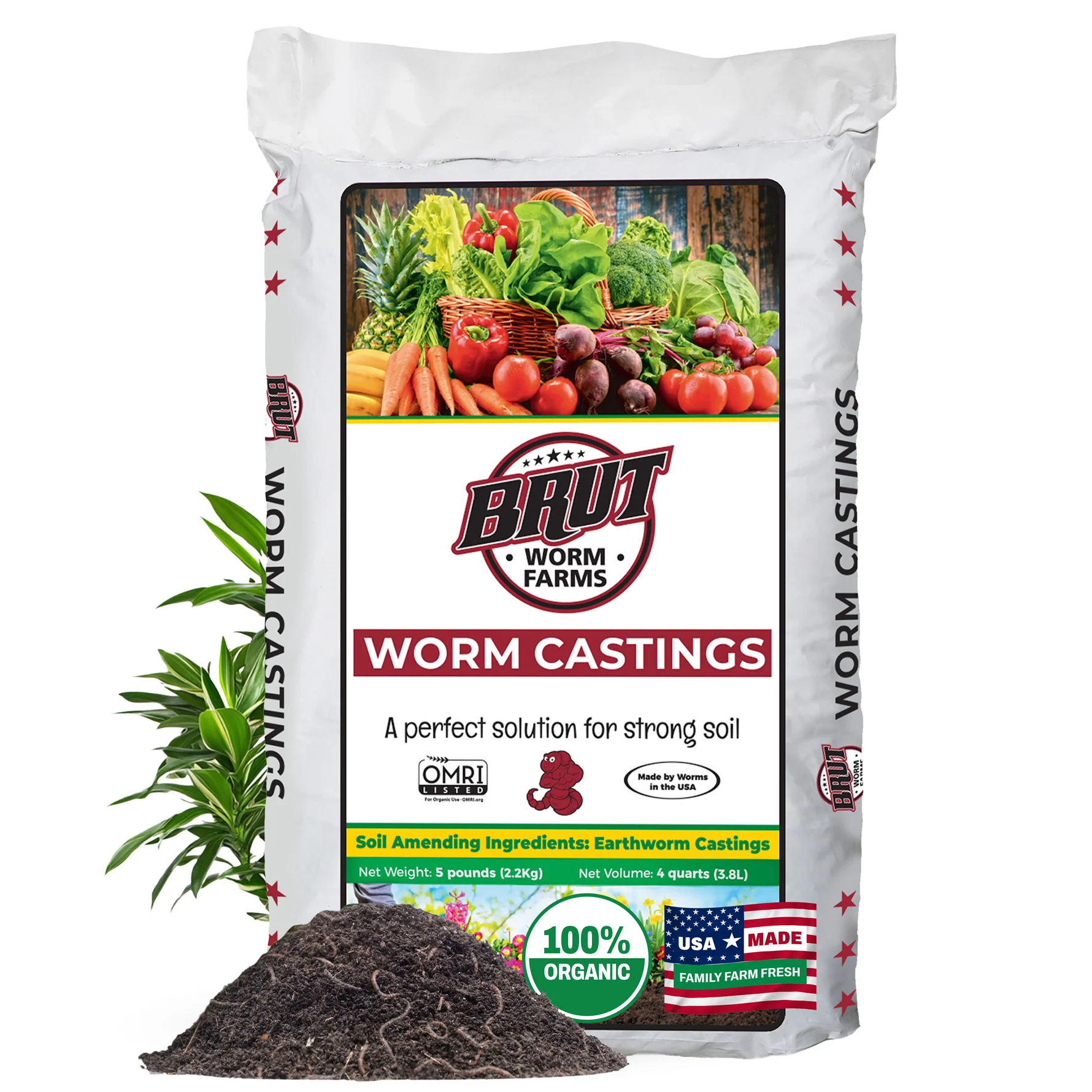
Brut organic worm castings provide mineral-rich, certified organic nutrition to supercharge indoor and outdoor plants. Raised indoors in containers for purity, these castings support lush greenery, vibrant blooms, and bountiful harvests. OMRI and CDFA listed formula helps deliver nature’s nutrients directly to plant roots for healthy growth from root to leaf.
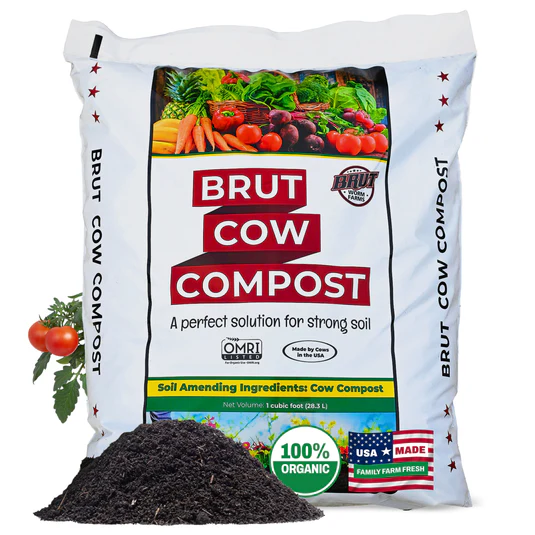
Brut Cow Compost is a nutrient-rich organic soil amendment made from 100% pure, thoroughly composted cow manure. It enriches soil with nitrogen, calcium, and iron, supports beneficial microbial life, and helps plants produce stronger growth. Odor-free and gentle on roots, it can be used for vegetables, flowers, lawns, shrubs, and indoor plants as a top dressing or mixed into garden and potting soil.
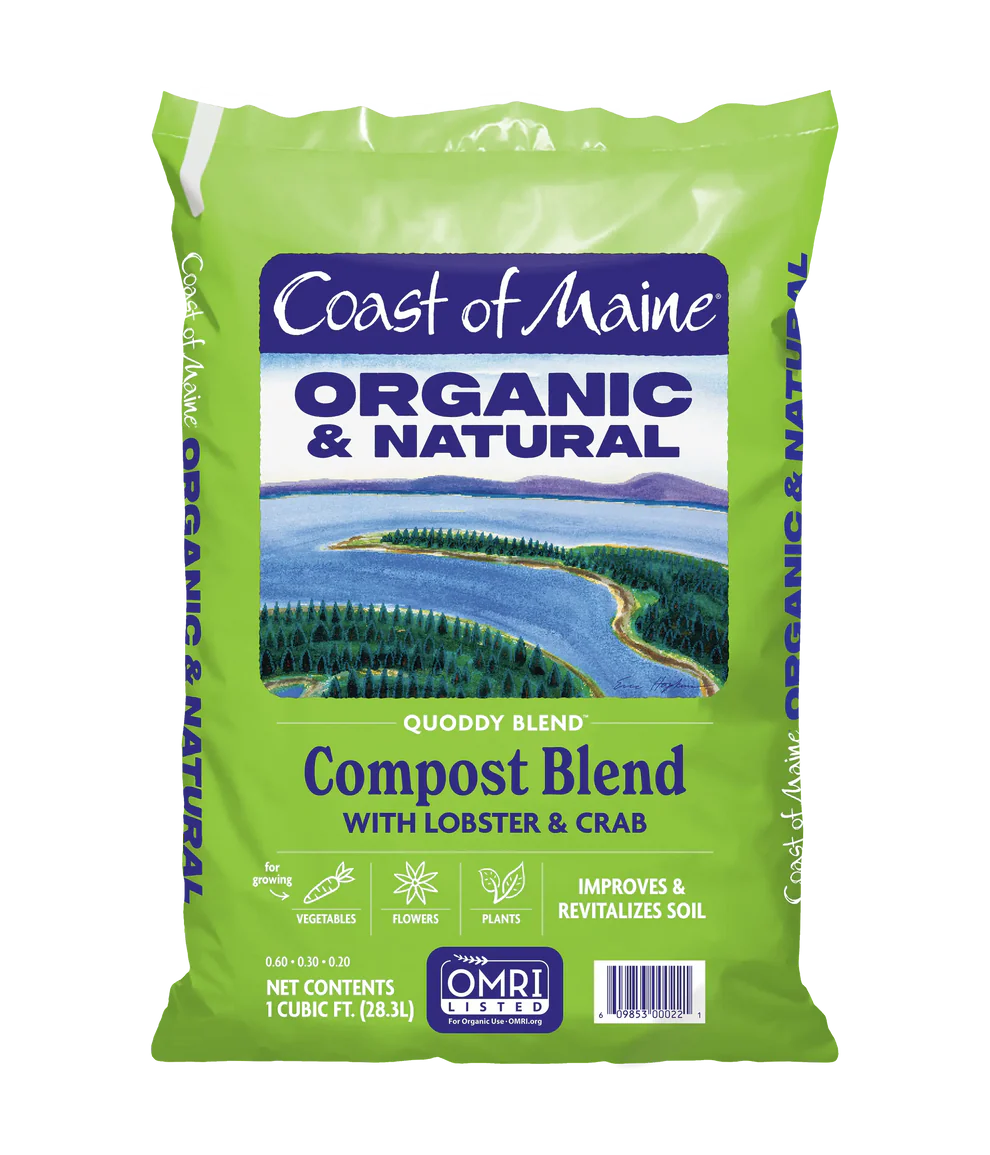
Coast of Maine’s Organic & Natural Quoddy Blend is a premium seafood compost made from lobster and crab shell meal, composted manure, and peat moss to enrich garden soil. It improves soil structure by supporting better drainage, aeration, and water retention for healthier root development. OMRI listed for organic use, it’s a versatile choice for gardens, beds, borders, trees, shrubs, and foliage.
How Often to Turn
Turning frequency depends on the method and the phase of decomposition.
Hot composting, active phase (weeks 1 to 3): Turn every two to five days. The pile should reheat to 130°F or above after each turning. When it no longer reheats significantly, the most active phase is ending and turning frequency can reduce.
Hot composting, curing phase (weeks 4 to 8): Turn every one to two weeks. The goal at this stage is to ensure even maturation rather than to sustain high temperatures.
Cold composting: Turn every two to four weeks if you want to moderately accelerate decomposition, or not at all if you are taking a fully passive approach. Even occasional turning in a cold pile speeds up the process meaningfully compared to no turning.
Tools for Turning
A compost fork (also called a pitchfork or turning fork) is the most effective hand tool for turning a pile. Its tines penetrate the material and lift and separate it much more efficiently than a spade, which tends to slice rather than aerate. A fork with four or five tines and a handle long enough to work without bending excessively makes the job significantly easier.
Compost aerators are corkscrew or winged tools designed to be pushed into the pile and withdrawn, creating a channel of air without fully turning the pile. They are useful for quick aeration between full turnings but do not substitute for a proper full turning session. The best aerator options are covered in the best compost aerators guide.
A compost tumbler eliminates the need for manual turning: rotating the drum introduces oxygen and mixes the material. Tumblers are most effective when loaded with a balanced batch of material and rotated every day or two. The comparison between open piles with manual turning and tumblers is in the bin vs tumbler guide.
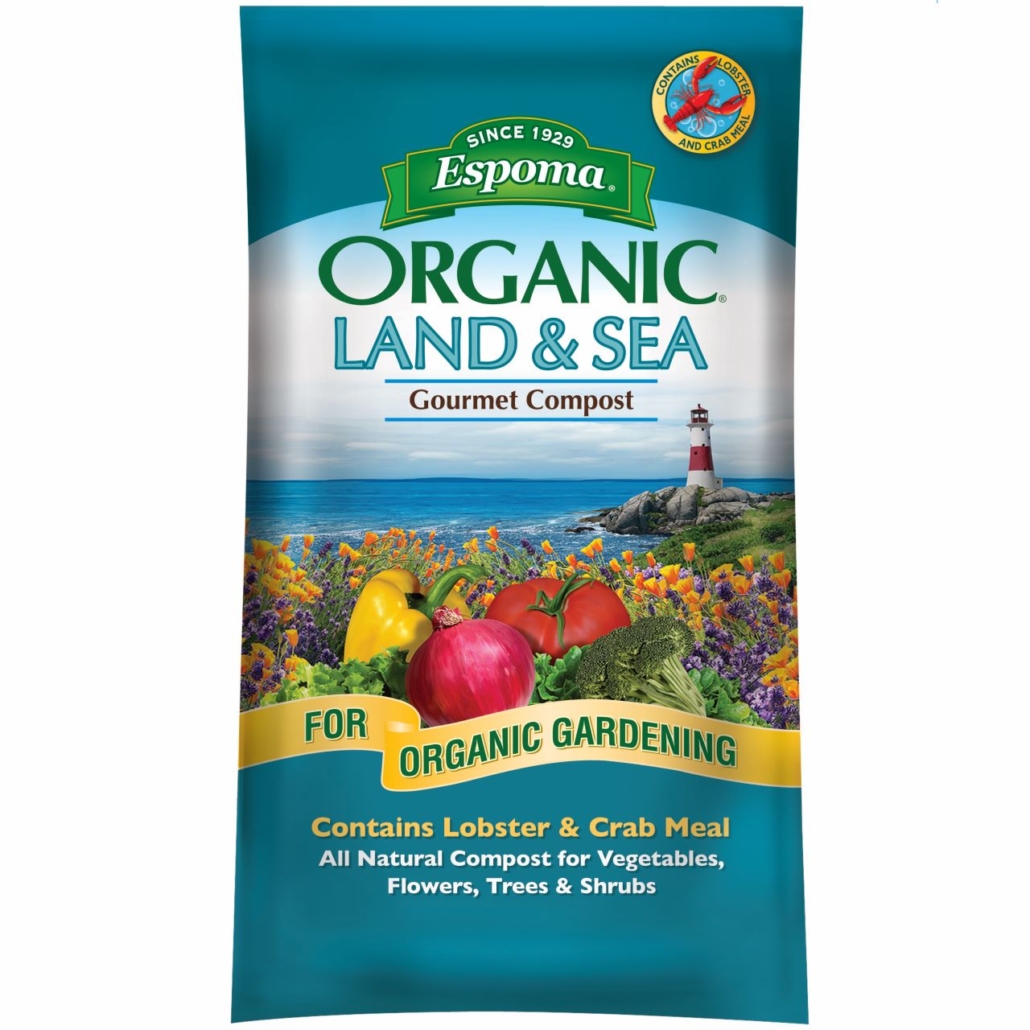
Espoma Organic Land and Sea Gourmet Compost is a rich organic planting mix designed to improve native soil and revitalize container gardens. Enriched with both lobster and crab meal, it supports healthy growth for vegetables, flowers, trees, and shrubs. The blend also includes myco-tone endo and ecto mycorrhizae and contains no synthetic plant foods or chemicals.
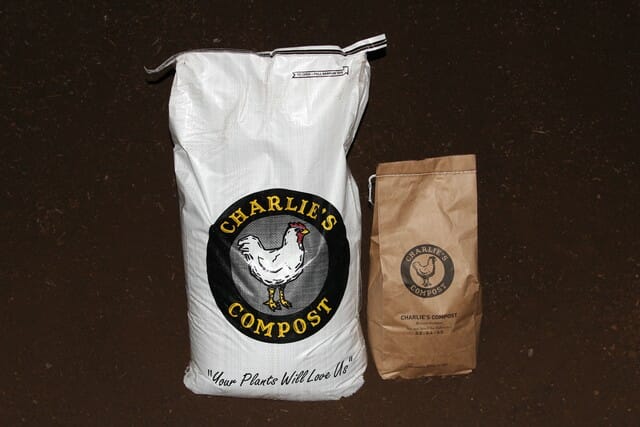
Charlie's Compost is an odor-free organic compost that enriches soil with nutrients and improves soil structure for healthier plant growth. It’s ideal for home gardens, raised beds, containers, and seed starting mixes, and it works as a compost tea ready amendment. The formula supports continuous nutrient release and offers low-odor composting for small-space and indoor-friendly use.
Step-by-Step Turning Technique
- Check the pile before turning. Push your hand into the center to feel for warmth. Squeeze a handful of material to check moisture. A dry pile needs water added during turning. A pile dripping freely needs dry browns added.
- Move the outer material first. Fork the cooler outer layers of the pile to the side. This material will go into the center of the rebuilt pile.
- Break up clumps and mats. Work the fork through clumped sections of grass clippings, wet leaves, or food scraps. Each forkful should be separated into loose material before being placed.
- Rebuild with outer material in the center. Place the material that was on the outside of the old pile into the center of the new pile. The former core material goes to the outside.
- Add moisture or dry material as needed. If the pile is dry, add water layer by layer as you rebuild. If it is too wet, mix in dry shredded cardboard or dry leaves as you turn.
- Reshape and observe. Bring the pile back to a compact mound and check for reheating the following day. An active pile will be noticeably warm within 24 hours of a thorough turning.