
Composting Pros and Cons: Is It Worth the Effort?
Home composting has genuine benefits that justify the effort for most homeowners with a yard, but it is not without real drawbacks. An honest assessment of both sides helps you decide whether composting fits your property, your schedule, and your goals, and which approach makes sense for your situation.
The Genuine Benefits of Home Composting
Finished compost is a high-quality soil amendment. Mature compost improves soil structure in clay soils by adding organic matter that binds particles into aggregates, improving drainage and root penetration. In sandy soils, it increases water and nutrient retention. It feeds the soil microbiome, supports beneficial earthworm populations, and provides a slow-release source of nitrogen, phosphorus, and potassium alongside a range of micronutrients. A two-inch layer of compost worked into a vegetable bed before planting is one of the most effective and cost-efficient things you can do for plant performance.
It reduces household and garden waste. A typical household generates a significant volume of organic waste through kitchen scraps and yard maintenance: autumn leaves, grass clippings, spent plants, and pruned material. Diverting this from landfill reduces methane emissions (organic matter decomposes anaerobically in landfill, producing methane, a potent greenhouse gas) and replaces the need for bagged compost or synthetic fertilizer purchases.
The cost savings are real. A cubic yard of good quality bagged compost costs between $30 and $60 or more at retail. A homeowner with a reasonably productive pile can generate several cubic yards of finished compost per year from material that would otherwise be thrown away. Over a few years of gardening, that represents a meaningful reduction in soil amendment costs.
It supports broader sustainability goals. For homeowners interested in reducing synthetic inputs, composting feeds the garden with organic matter produced on-site rather than manufactured off-site. It closes a nutrient loop that industrial food production typically leaves open.
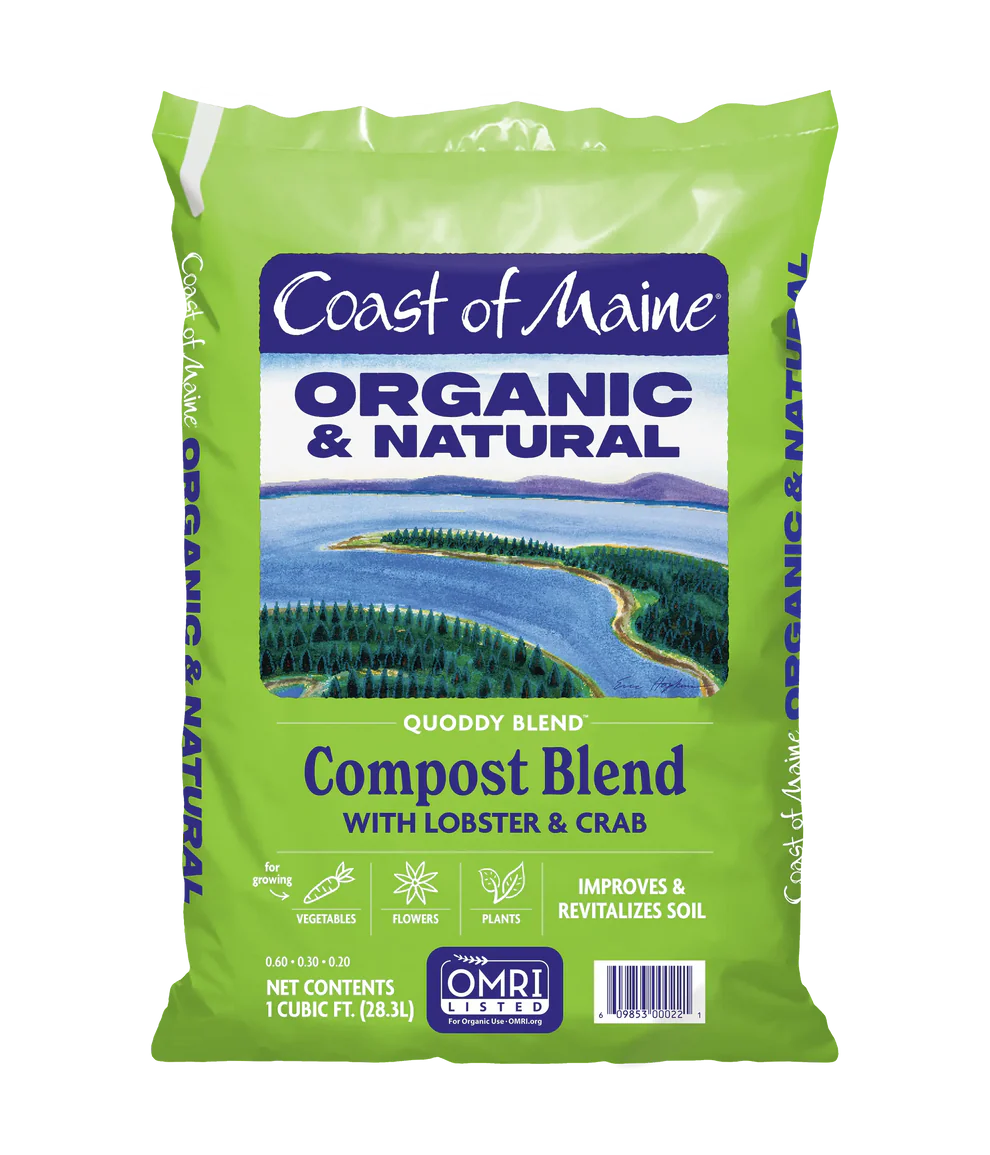
Coast of Maine’s Organic & Natural Quoddy Blend is a premium seafood compost made from lobster and crab shell meal, composted manure, and peat moss to enrich garden soil. It improves soil structure by supporting better drainage, aeration, and water retention for healthier root development. OMRI listed for organic use, it’s a versatile choice for gardens, beds, borders, trees, shrubs, and foliage.
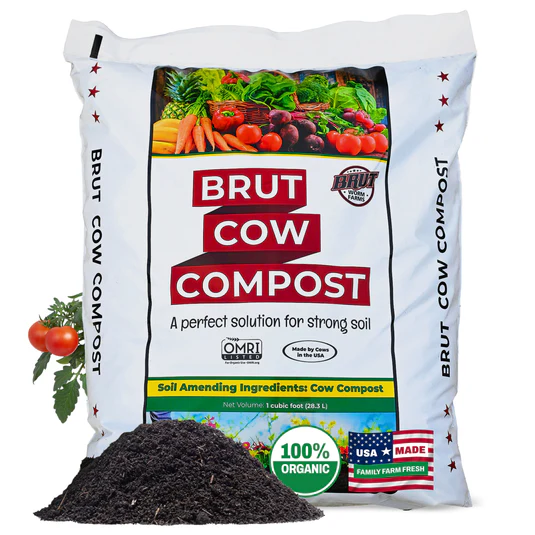
Brut Cow Compost is a nutrient-rich organic soil amendment made from 100% pure, thoroughly composted cow manure. It enriches soil with nitrogen, calcium, and iron, supports beneficial microbial life, and helps plants produce stronger growth. Odor-free and gentle on roots, it can be used for vegetables, flowers, lawns, shrubs, and indoor plants as a top dressing or mixed into garden and potting soil.
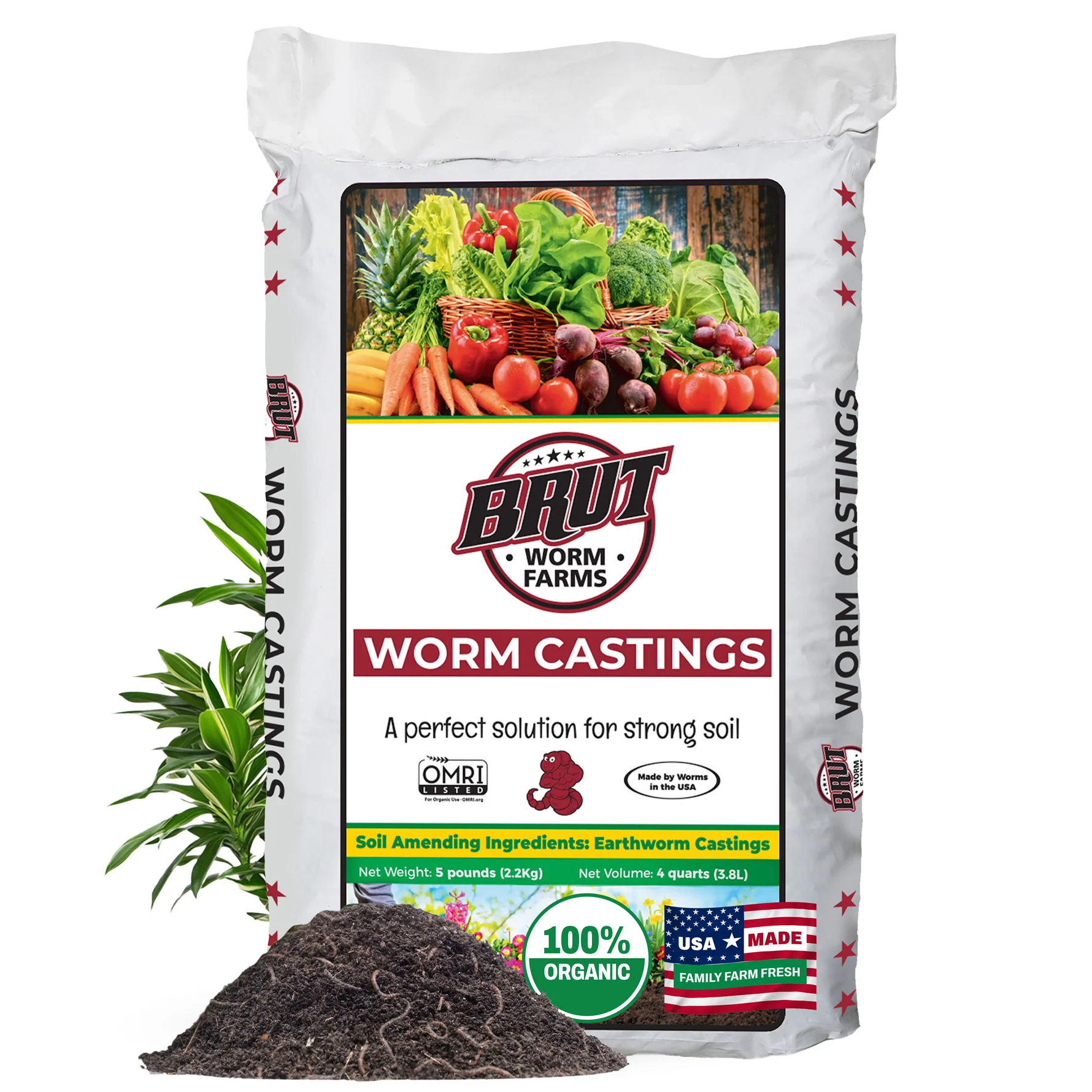
Brut organic worm castings provide mineral-rich, certified organic nutrition to supercharge indoor and outdoor plants. Raised indoors in containers for purity, these castings support lush greenery, vibrant blooms, and bountiful harvests. OMRI and CDFA listed formula helps deliver nature’s nutrients directly to plant roots for healthy growth from root to leaf.
The Real Drawbacks
Hot composting requires consistent effort. Getting the most out of a compost pile, specifically producing finished compost in four to eight weeks rather than six to eighteen months, requires regular turning, moisture monitoring, and C:N ratio management. If the effort level of hot composting does not match your schedule, cold or passive composting is a more realistic option, but it means waiting much longer for results.
Space is a genuine constraint. An effective compost pile needs at least one cubic yard of working space, and ideally two or three bins running in rotation to allow one to finish while others are being added to. In a small urban garden or a property with limited screening options, finding appropriate space without creating a visual eyesore or neighbor friction is not always straightforward.
Pest risk is real if the pile is managed poorly. A well-managed pile with the right balance of inputs does not attract rats. A pile that contains cooked food, meat, dairy, or uncovered food scraps in a poorly enclosed bin is a different matter. Rat activity around compost is a legitimate concern in urban and suburban settings, and it requires taking the right precautions around what you add and how your bin is constructed.
Odor occurs when the pile goes wrong. A healthy, aerobic pile smells faintly earthy. A pile that is too wet, has too many nitrogen-rich inputs, or has gone anaerobic will smell of ammonia or hydrogen sulfide. These odors are fixable, but they cause friction in close-neighbor situations. The causes and corrections for compost odor are covered in the compost smell troubleshooting guide.
Is It Worth It?
For homeowners with a garden, a yard that generates leaf and grass waste, and a kitchen that produces vegetable scraps, composting is worth the effort. The financial value of the finished product, combined with the environmental benefit of diverting organic waste from landfill, makes it a practical investment in most cases.
For homeowners with very small plots, no outdoor space, or no particular gardening activity, the calculus is different. A countertop electric composter or a worm bin may be more practical alternatives than an outdoor pile. Those options are covered in the products and equipment hub.
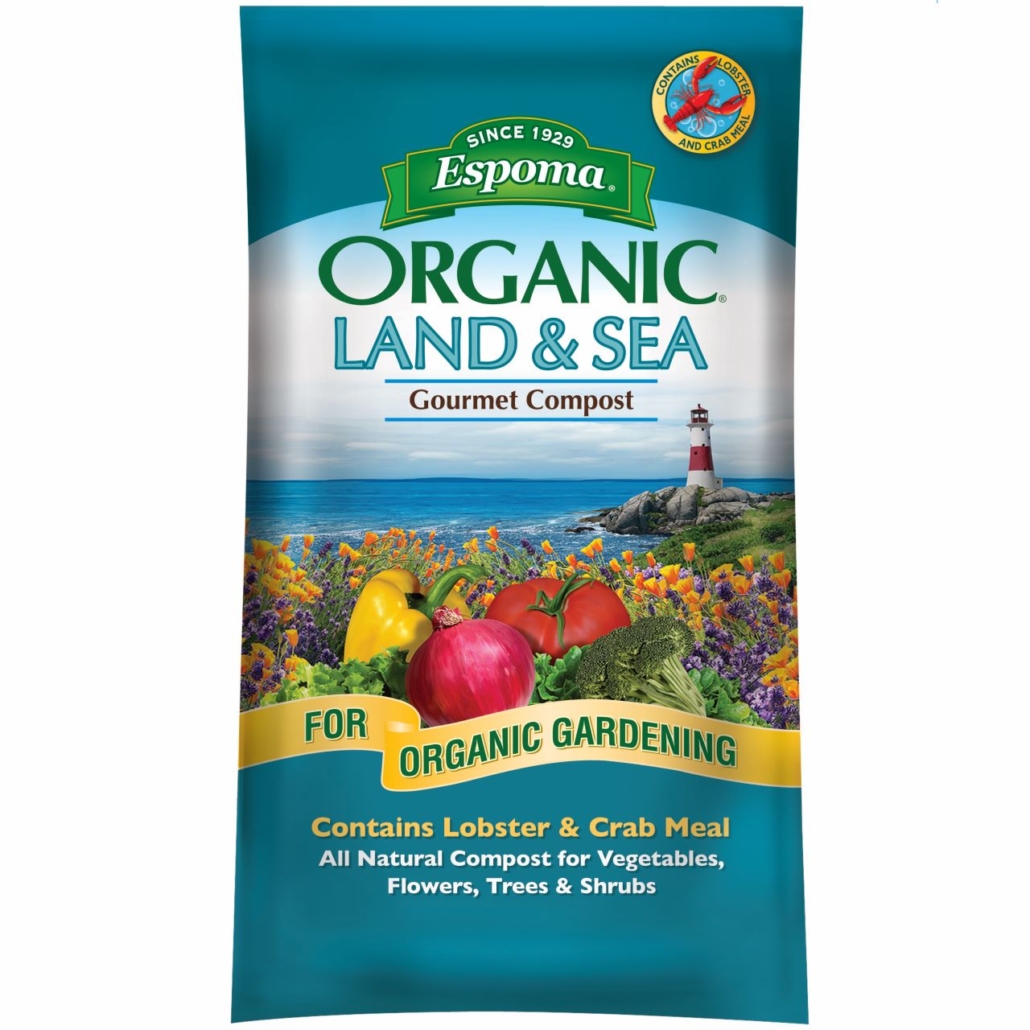
Espoma Organic Land and Sea Gourmet Compost is a rich organic planting mix designed to improve native soil and revitalize container gardens. Enriched with both lobster and crab meal, it supports healthy growth for vegetables, flowers, trees, and shrubs. The blend also includes myco-tone endo and ecto mycorrhizae and contains no synthetic plant foods or chemicals.
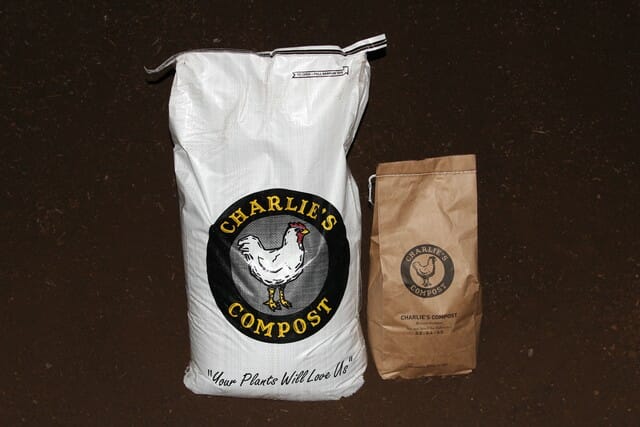
Charlie's Compost is an odor-free organic compost that enriches soil with nutrients and improves soil structure for healthier plant growth. It’s ideal for home gardens, raised beds, containers, and seed starting mixes, and it works as a compost tea ready amendment. The formula supports continuous nutrient release and offers low-odor composting for small-space and indoor-friendly use.