
Why Does My Compost Smell? Causes and Fixes
A healthy, well-managed compost pile smells pleasantly earthy, much like damp forest soil. Any other smell indicates a specific condition that can be diagnosed by the type of odor and corrected with a targeted action. The smell is not a sign that composting has failed; it is diagnostic information that tells you exactly what needs adjusting.
Ammonia Smell
An ammonia smell from a compost pile indicates excess nitrogen relative to carbon. This typically happens when there is too much nitrogen-rich green material, such as a large dump of grass clippings, a pile overloaded with food scraps, or the addition of manure without a corresponding increase in browns. The excess nitrogen volatilizes as ammonia gas rather than being used by the microbial community for protein synthesis.
Fix: Add dry brown material in substantial quantities. Shredded cardboard, dry leaves, and straw are all effective. Turn the pile thoroughly as you add browns to mix the material and reintroduce oxygen. The ammonia smell should diminish within 24 to 48 hours as the C:N ratio corrects and aerobic conditions re-establish. Stop adding high-nitrogen inputs until the pile stabilizes.
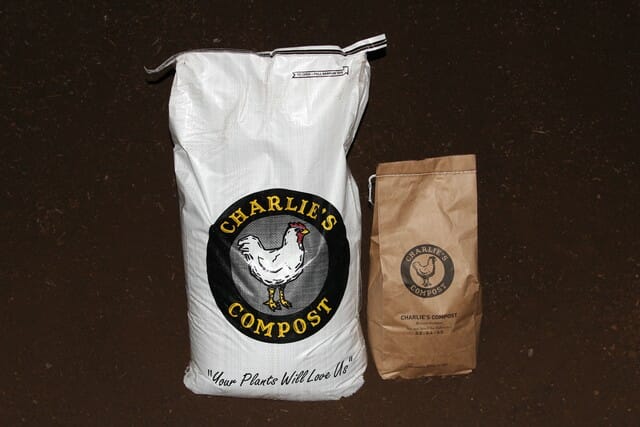
Charlie's Compost is an odor-free organic compost that enriches soil with nutrients and improves soil structure for healthier plant growth. It’s ideal for home gardens, raised beds, containers, and seed starting mixes, and it works as a compost tea ready amendment. The formula supports continuous nutrient release and offers low-odor composting for small-space and indoor-friendly use.
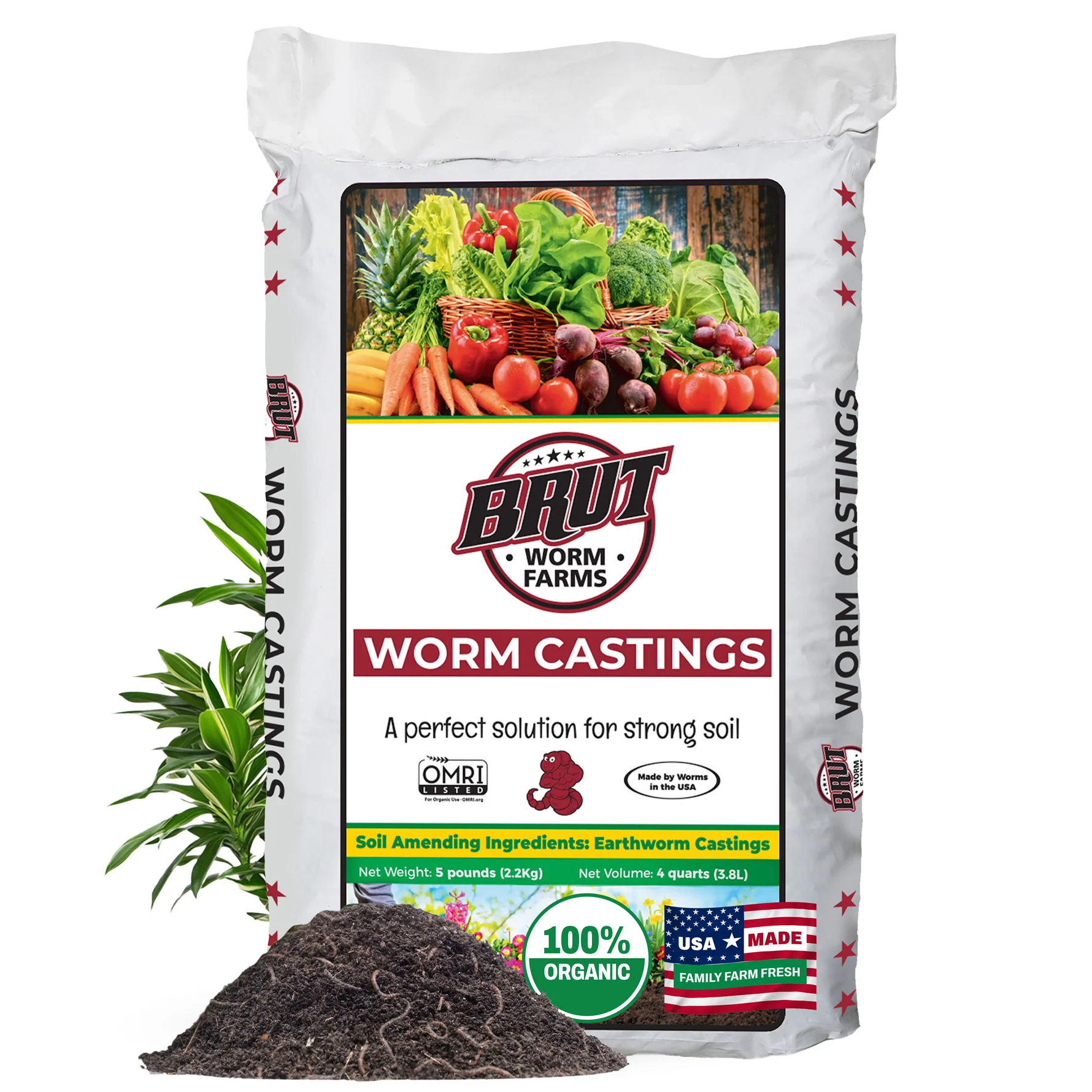
Brut organic worm castings provide mineral-rich, certified organic nutrition to supercharge indoor and outdoor plants. Raised indoors in containers for purity, these castings support lush greenery, vibrant blooms, and bountiful harvests. OMRI and CDFA listed formula helps deliver nature’s nutrients directly to plant roots for healthy growth from root to leaf.
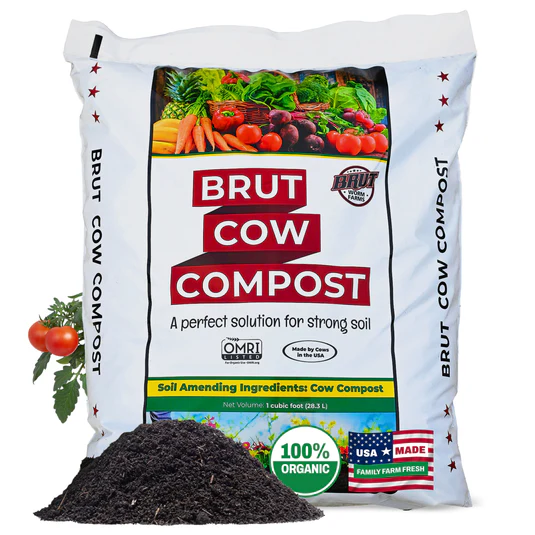
Brut Cow Compost is a nutrient-rich organic soil amendment made from 100% pure, thoroughly composted cow manure. It enriches soil with nitrogen, calcium, and iron, supports beneficial microbial life, and helps plants produce stronger growth. Odor-free and gentle on roots, it can be used for vegetables, flowers, lawns, shrubs, and indoor plants as a top dressing or mixed into garden and potting soil.
Sulphur or Rotten Egg Smell
A sulphur smell, often described as rotten eggs, indicates hydrogen sulfide production. This is the signature smell of anaerobic decomposition, where the pile is decomposing without oxygen. Anaerobic conditions develop when the pile is too wet, too compacted, or has had large quantities of dense or matted material added that exclude airflow.
Fix: Turn the pile immediately and thoroughly, breaking up any compacted or matted sections. Add dry brown material to absorb excess moisture and create structural porosity. Ensure drainage at the base of the pile is adequate. Do not cover or enclose the pile tightly during the recovery period. The smell should clear within a day or two of introducing oxygen.
Sour or Vinegar Smell
A sour, acidic, or vinegar-like smell indicates fermentation rather than full aerobic decomposition. This is a cooler, slower anaerobic process associated with excess moisture and inadequate aeration, and it commonly develops in a pile that has had a large volume of kitchen scraps (particularly fruit) added without enough browns.
Fix: Similar to the rotten egg correction: turn thoroughly, add dry browns, and ensure the pile is adequately aerated. The fermented material is not wasted; it will decompose once the aerobic conditions are restored. The sour smell clears more slowly than the sulphur smell because the acidic pH takes time to buffer back toward neutral.
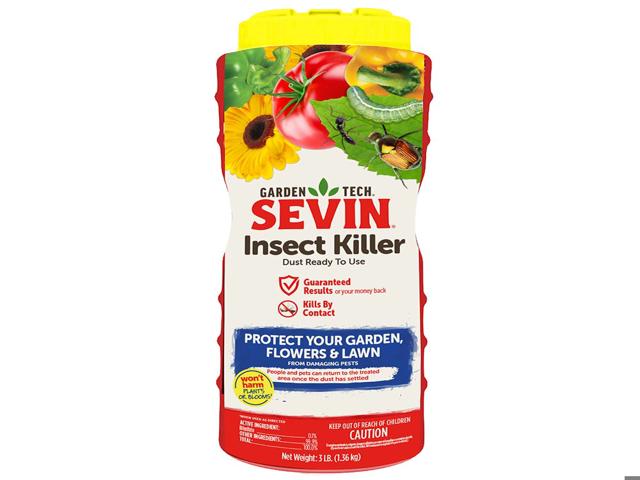
Sevin Insect Killer Dust helps protect flowers and lawn from listed damaging pests with a ready-to-use, shake-and-apply formula. It kills more than 150 insects by contact and creates a protective barrier when applied to leaves, stems, and flowers at the label rate. It won’t harm plants or blooms, and people and pets may return once the dust has settled.
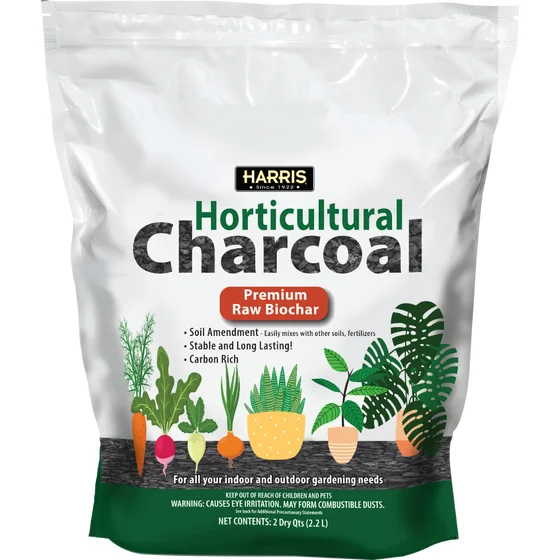
Harris Horticultural Charcoal premium biochar is a naturally derived soil amendment designed to increase soil carbon, nutrient content, and water retention. It helps support water-soluble nutrients and promotes beneficial microbial life for healthier plants. Ideal for indoor and outdoor use in gardens, ornamentals, terrariums, and small houseplants like orchids and bonsai.
Putrid or Rotting Meat Smell
A genuinely putrid smell, different from the other categories, usually indicates that an excluded material has been added to the pile: meat, fish, dairy, or cooked food with animal products. These materials produce very strong odors as they decompose anaerobically in a standard home pile.
Fix: Dig into the pile, locate the source material, and remove it if possible. If the material has already integrated into the pile, you will need to turn it extensively, add browns, and allow time for the odor to dissipate. To prevent recurrence, exclude meat, fish, and dairy from the pile entirely. If your household generates significant quantities of these materials, a bokashi system or food waste collection service is the appropriate route.
How to Keep a Pile from Smelling
A pile maintained at the right C:N ratio, with adequate moisture (not waterlogged), turned regularly to maintain oxygen supply, and free of excluded materials will not produce noticeable odors under normal conditions. The practices that prevent smell are the same practices that produce good compost quickly. The how to compost hub covers the balance of inputs, moisture, and aeration that keeps a pile aerobic and odor-free.