
Where to Put a Compost Bin: Location Rules and Site Selection
The location you choose for a compost bin or pile affects how well it works, how easy it is to maintain, and whether it creates problems with neighbors, pests, or tree roots. Getting the placement right from the start saves you the trouble of moving a bin once it is established and full.
The Core Location Requirements
A compost pile needs four basic things from its location: good drainage underfoot, reasonable access for adding material and turning, some shelter from extremes of sun and wind, and adequate distance from structures and property boundaries.
Drainage matters because a pile sitting on waterlogged ground will drain poorly, stay too wet, and tend toward anaerobic conditions. Choose a spot where rainwater flows away naturally rather than pooling. If the only available space has poor drainage, elevating the base with a layer of coarse material or placing the bin on a pallet can help.
Access affects how consistently you maintain the pile. A bin that is inconvenient to reach gets neglected. Place it somewhere you can walk to easily from the kitchen door for adding scraps, and where you can maneuver a fork or turning tool without obstacles. A path that becomes muddy in wet weather is a reason to reconsider placement.
Shelter is a moderate rather than critical factor. A pile in full sun dries out faster in summer and needs more frequent watering. A pile in deep shade under a dense canopy stays wetter and may be harder to heat. Partial shade or a lightly sheltered position works well in most climates. In cold climates, a spot with some winter sun exposure helps keep a pile active longer into the season.
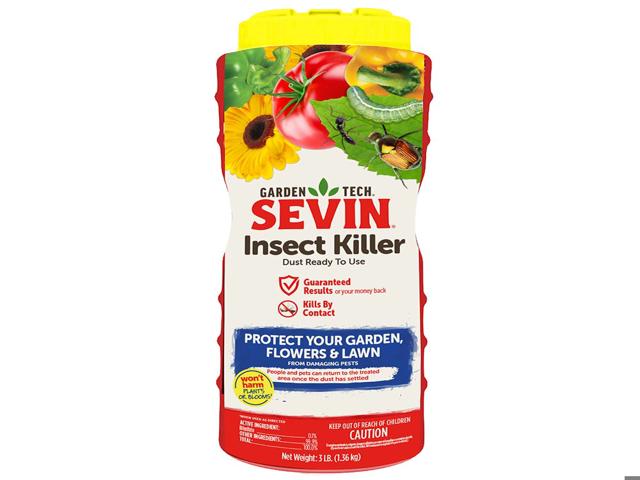
Sevin Insect Killer Dust helps protect flowers and lawn from listed damaging pests with a ready-to-use, shake-and-apply formula. It kills more than 150 insects by contact and creates a protective barrier when applied to leaves, stems, and flowers at the label rate. It won’t harm plants or blooms, and people and pets may return once the dust has settled.
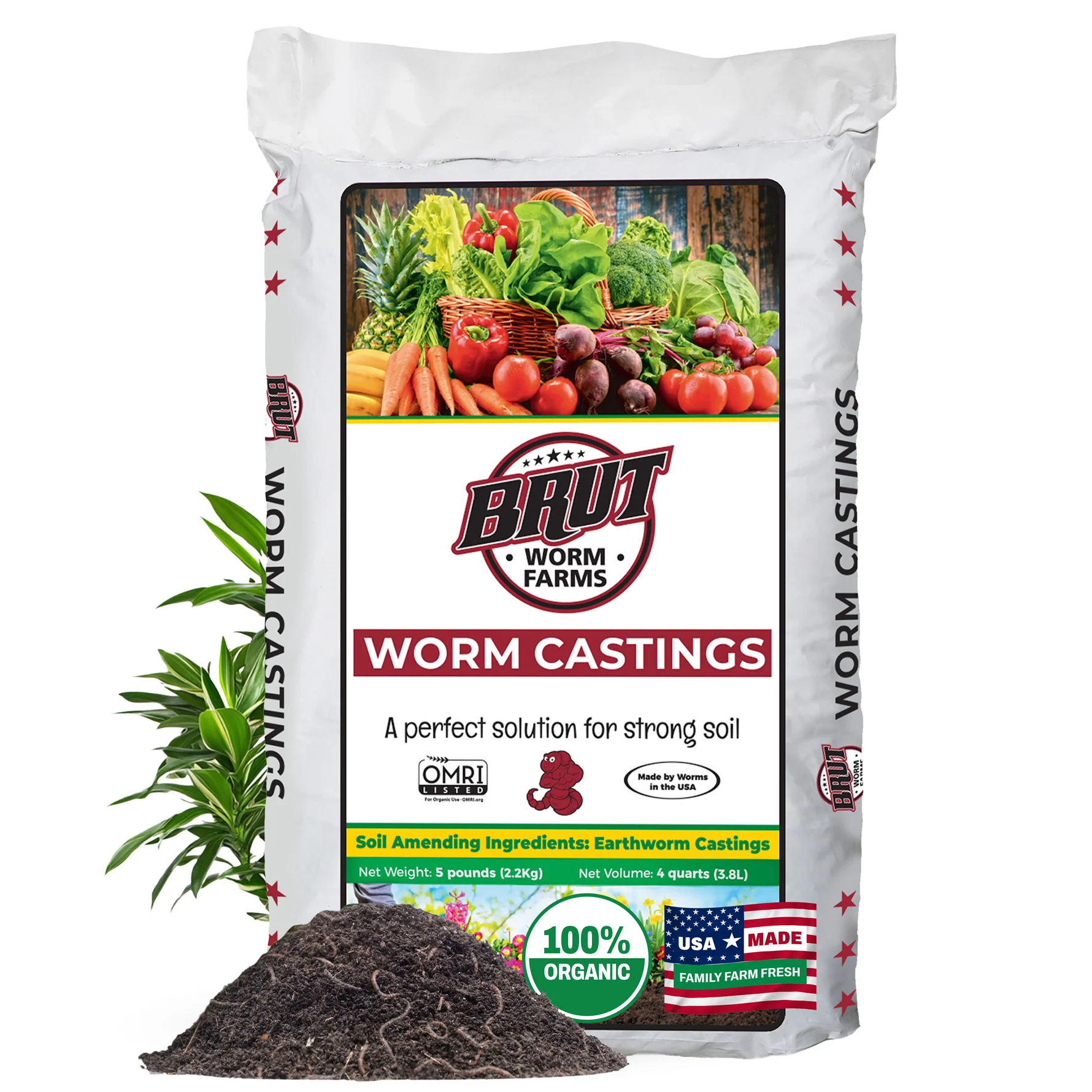
Brut organic worm castings provide mineral-rich, certified organic nutrition to supercharge indoor and outdoor plants. Raised indoors in containers for purity, these castings support lush greenery, vibrant blooms, and bountiful harvests. OMRI and CDFA listed formula helps deliver nature’s nutrients directly to plant roots for healthy growth from root to leaf.
Espoma Organic Lawn Soil is an all-natural organic soil mix designed to promote seed germination and help new sod establish. It contains earthworm castings, alfalfa meal, kelp meal, and feather meal, enhanced with Espoma MYCO-TONE, a blend of endo and ecto mycorrhizae fungi. Use it anytime you sow new grass seed or install sod for organic gardening results with no synthetic plant foods or chemicals.
Distance from the House, Boundaries, and Neighbors
A compost bin should be at least 10 feet from the house for odor and pest management reasons. A well-managed pile should not smell, but a pile that becomes temporarily anaerobic after heavy rain or overloading with greens will produce odors until the balance is corrected. The further the bin is from windows and outdoor living areas, the less of an issue this is.
Distance from property boundaries is partly a matter of courtesy and partly a regulatory one. Some municipalities set minimum distances from fences or boundaries in local composting ordinances. Checking your local rules before placing a bin is worthwhile, particularly in subdivisions or areas with active HOA governance. Most residential composting is governed lightly or not at all, but confirming in advance avoids disputes.
Proximity to Tree Roots
Placing a compost pile directly against the base of a large tree can cause problems in both directions. Tree roots grow toward moisture and nutrient sources, and they will colonize a compost pile if given the opportunity. This can make the pile difficult to turn and can cause root damage when you try to move the bin. Keep a compost pile at least three to four feet from the drip line of large trees.
For smaller trees and shrubs the risk is lower, but placing a pile in a spot where it competes with established root systems is generally not ideal. Clear, open ground with reasonably undisturbed soil beneath it is the best substrate.
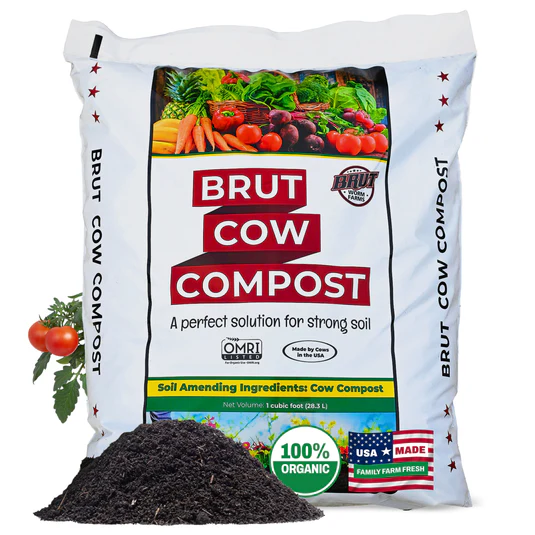
Brut Cow Compost is a nutrient-rich organic soil amendment made from 100% pure, thoroughly composted cow manure. It enriches soil with nitrogen, calcium, and iron, supports beneficial microbial life, and helps plants produce stronger growth. Odor-free and gentle on roots, it can be used for vegetables, flowers, lawns, shrubs, and indoor plants as a top dressing or mixed into garden and potting soil.
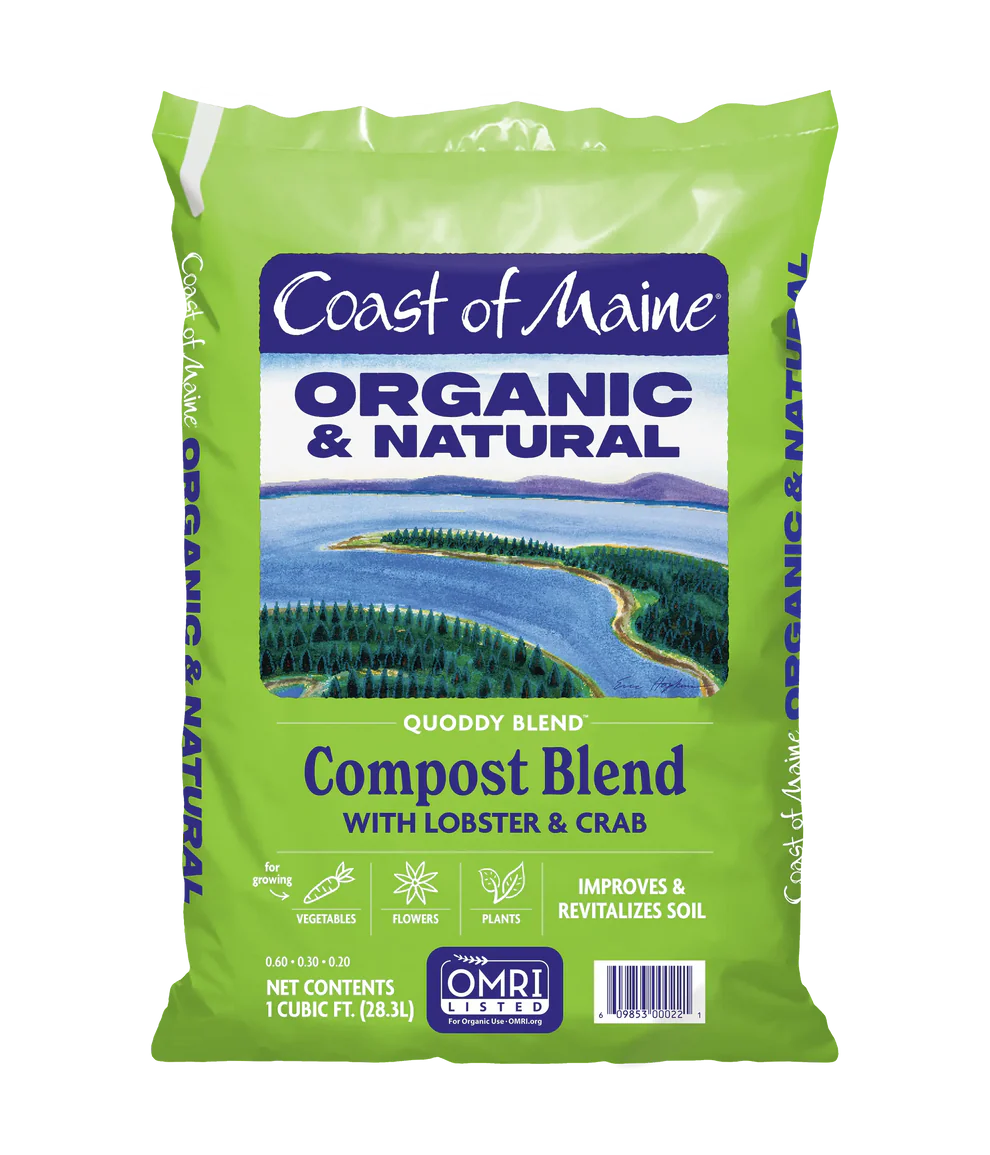
Coast of Maine’s Organic & Natural Quoddy Blend is a premium seafood compost made from lobster and crab shell meal, composted manure, and peat moss to enrich garden soil. It improves soil structure by supporting better drainage, aeration, and water retention for healthier root development. OMRI listed for organic use, it’s a versatile choice for gardens, beds, borders, trees, shrubs, and foliage.
Siting on Bare Soil vs Hard Surfaces
Placing a compost pile or open-bottomed bin directly on bare soil is generally preferred over placing it on concrete or paving. Contact with soil allows beneficial microorganisms and earthworms to migrate up into the pile, contributes to drainage, and avoids the staining that can occur on hard surfaces over time. If a hard surface is the only option, use a bin with a solid base and ensure adequate aeration to compensate for the lack of ground contact.
Enclosed Bins vs Open Piles
The location requirements for an enclosed bin and an open pile are similar, but an open pile gives you more flexibility in size and shape and is easier to turn with large tools. An enclosed bin is tidier, offers better pest resistance, and works better in a small garden where space and aesthetics matter. If you are deciding between a bin and a tumbler, the full comparison of container types and their space requirements is covered in the compost bin vs tumbler guide.
A Practical Checklist
Before fixing a location, confirm the following: the ground drains freely after rain, the spot is within easy walking distance of the kitchen, there is enough clearance to turn the pile with a fork, the location is at least 10 feet from the house, there are no large tree roots running directly beneath the site, and the position is not against a fence or property boundary in a way that would create neighbor friction. A spot that meets most of these criteria will serve well for years without requiring adjustment.