
How to Know When Compost Is Ready to Use
Compost maturity is one of the most important and most commonly overlooked aspects of home composting. Applying immature compost to a garden or lawn can damage plants, tie up soil nitrogen, and introduce pathogens or weed seeds that were not fully killed during the hot composting phase. Knowing the difference between partially decomposed material and finished compost lets you use the product correctly and get the results you are expecting.
What Finished Compost Looks Like
Finished compost is dark brown to black, has a uniform crumbly or granular texture, and looks nothing like the original inputs. You should not be able to identify any material as a banana peel, a piece of cardboard, or a grass clipping. Some woody fragments may still be visible and are acceptable in compost that will be screened before use, but the bulk of the material should be broken down to a uniform consistency.
Finished compost also holds its structure when squeezed: it clumps lightly when compressed but breaks apart easily without sticking in a wet mass. Very immature compost tends to be slimy, stringy, or clearly composed of recognizable materials. Mature compost has a soil-like quality that is noticeably different from any of its source materials.
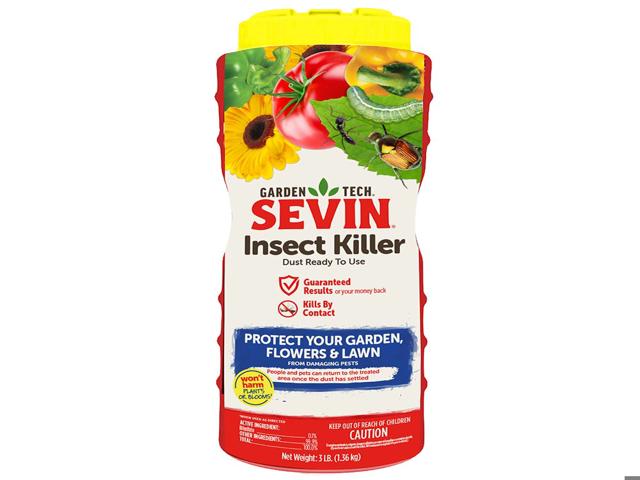
Sevin Insect Killer Dust helps protect flowers and lawn from listed damaging pests with a ready-to-use, shake-and-apply formula. It kills more than 150 insects by contact and creates a protective barrier when applied to leaves, stems, and flowers at the label rate. It won’t harm plants or blooms, and people and pets may return once the dust has settled.
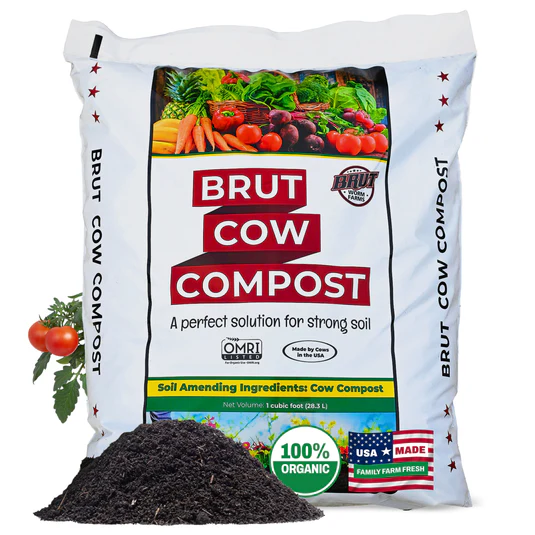
Brut Cow Compost is a nutrient-rich organic soil amendment made from 100% pure, thoroughly composted cow manure. It enriches soil with nitrogen, calcium, and iron, supports beneficial microbial life, and helps plants produce stronger growth. Odor-free and gentle on roots, it can be used for vegetables, flowers, lawns, shrubs, and indoor plants as a top dressing or mixed into garden and potting soil.
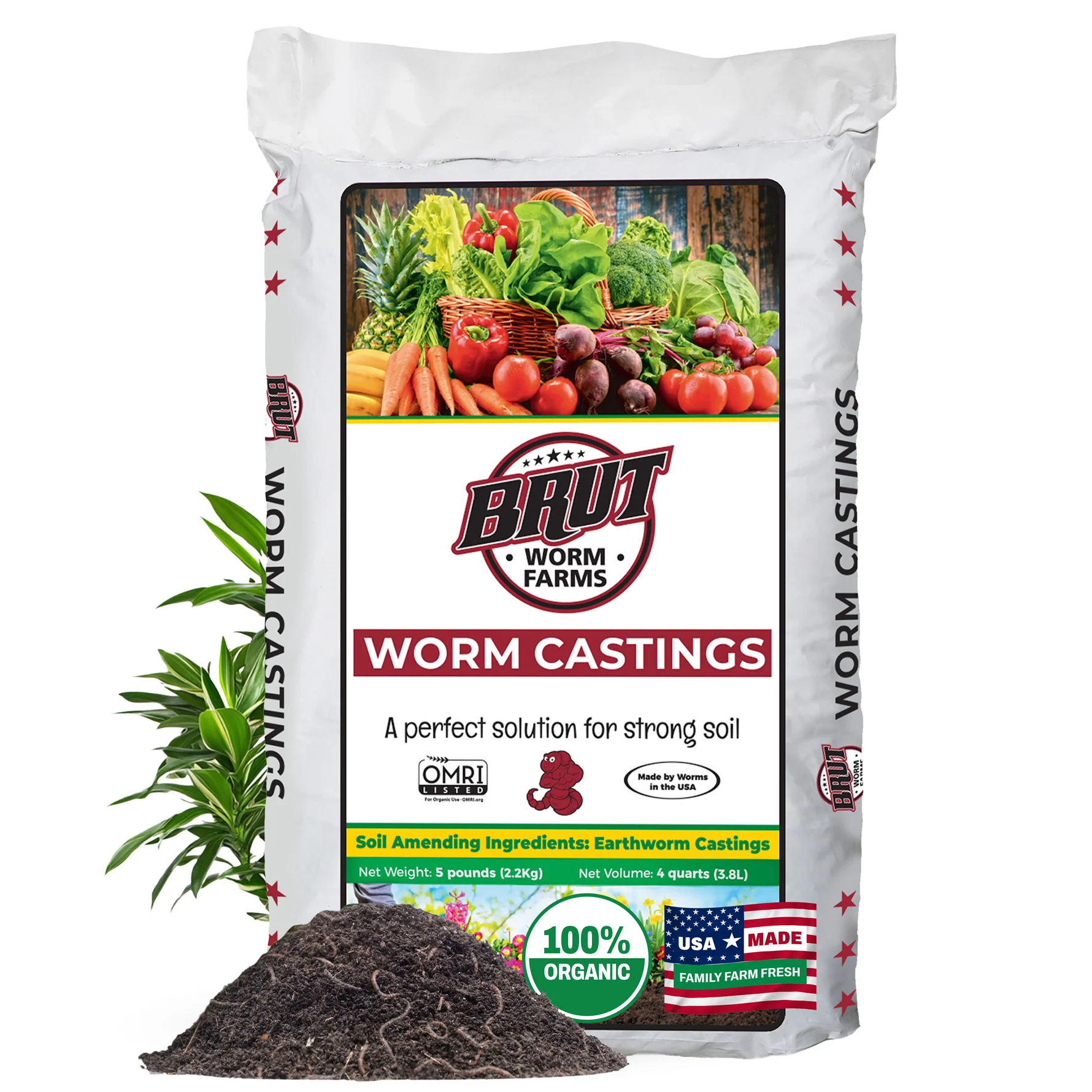
Brut organic worm castings provide mineral-rich, certified organic nutrition to supercharge indoor and outdoor plants. Raised indoors in containers for purity, these castings support lush greenery, vibrant blooms, and bountiful harvests. OMRI and CDFA listed formula helps deliver nature’s nutrients directly to plant roots for healthy growth from root to leaf.
The Smell Test
Finished, mature compost smells like fresh earth or a forest floor after rain. It should not smell of ammonia (sign of excess nitrogen and ongoing decomposition), sulphur or rotten eggs (sign of anaerobic conditions), or any identifiable food material. A faintly mushroomy or earthy smell is ideal and indicates a stable, biologically active end product.
If the compost smells unpleasant, it is not finished. Leave it to cure further, turn it to introduce oxygen if it smells anaerobic, and check that the pile is not too wet.
The Temperature Test
A hot compost pile that has reached maturity will no longer reheat when turned. During the active composting phase, turning brings the temperature back up within 24 to 48 hours. Once the pile has exhausted its readily decomposable material and entered the curing stage, turning produces no significant temperature increase. A pile at ambient temperature that does not reheat after turning is ready to enter its final curing period or has already finished curing.
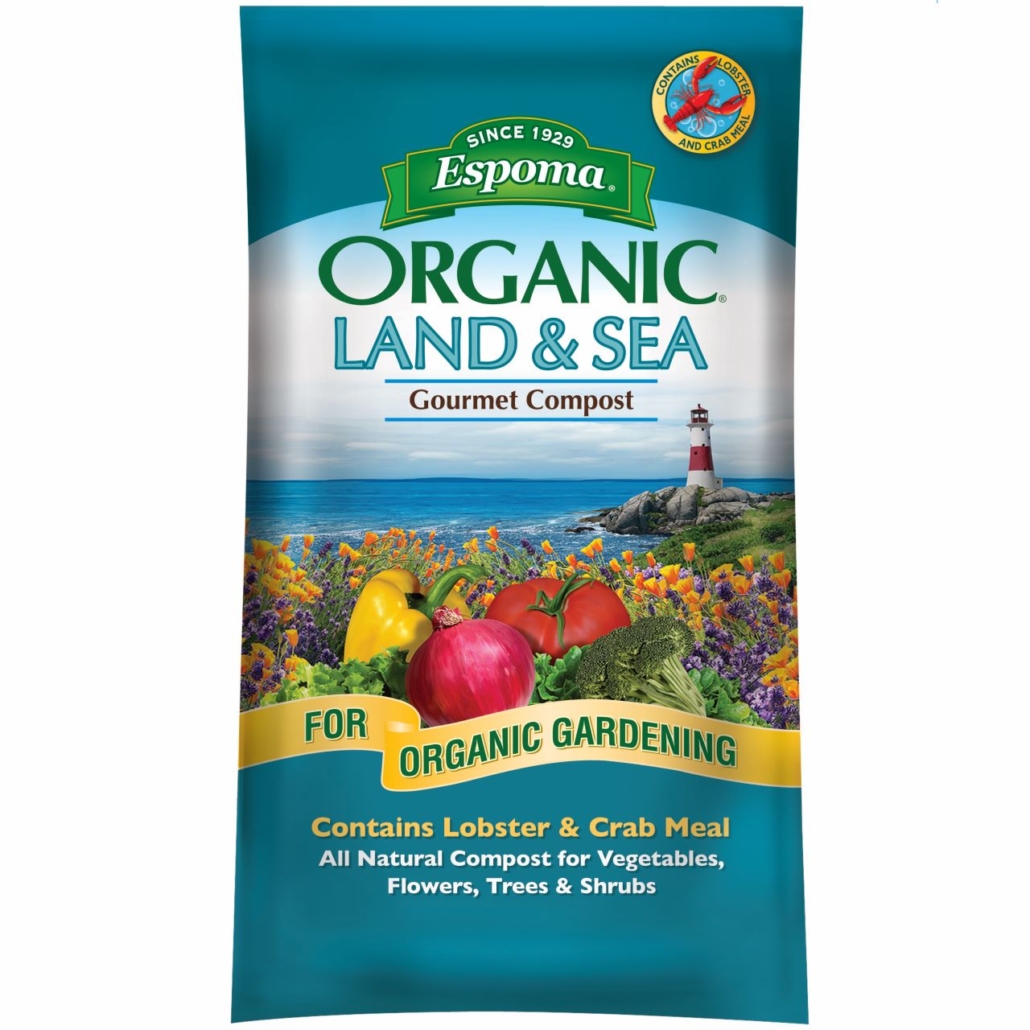
Espoma Organic Land and Sea Gourmet Compost is a rich organic planting mix designed to improve native soil and revitalize container gardens. Enriched with both lobster and crab meal, it supports healthy growth for vegetables, flowers, trees, and shrubs. The blend also includes myco-tone endo and ecto mycorrhizae and contains no synthetic plant foods or chemicals.
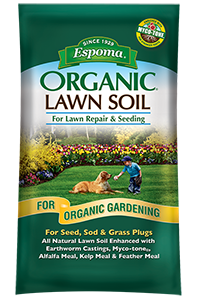
Espoma Organic Lawn Soil is an all-natural organic soil mix designed to promote seed germination and help new sod establish. It contains earthworm castings, alfalfa meal, kelp meal, and feather meal, enhanced with Espoma MYCO-TONE, a blend of endo and ecto mycorrhizae fungi. Use it anytime you sow new grass seed or install sod for organic gardening results with no synthetic plant foods or chemicals.
The Bag Test
The bag test is a straightforward maturity check for compost that looks and smells finished but where you want extra confidence before using it on sensitive plants. Fill a sealable plastic bag about halfway with the compost, seal it, and leave it at room temperature for one week. At the end of the week, open the bag and smell the contents. Finished, stable compost should smell the same as when you sealed it, or at most slightly more earthy. If it smells of ammonia or sourness, biological activity is still ongoing and the compost needs more time to cure.
The Germination Test
The germination test is the highest-confidence indicator of compost maturity and is worth running before applying compost to a seed bed or germination tray. Fill a small container with the compost, plant ten radish seeds (radishes are fast-germinating and sensitive to phytotoxic compounds), water lightly, and observe for seven days. Finished compost should support germination rates above 70 to 80 percent. Low germination or pale, stunted seedlings indicates the presence of phytotoxic compounds produced during incomplete decomposition, and the compost should be left to cure for a further two to four weeks before retesting.
Curing: The Final Step Before Use
Curing is the period after the hot composting phase ends when the compost stabilizes, the microbial community shifts toward the organisms associated with mature humus, and any remaining unstable compounds break down further. A minimum curing period of two to four weeks after the pile stops reheating significantly is recommended before the compost is applied to sensitive plants or incorporated into a seed bed.
Compost that will be used as a surface mulch or worked into established garden beds is less sensitive to the curing period than compost used in direct contact with germinating seeds or seedling roots. The full range of application methods by use case, including recommended maturity levels for each, is covered in the using compost hub.