
Using Compost: Application Methods for Lawns, Gardens, and More
Finished compost is one of the most versatile soil amendments available to homeowners, but the method and rate of application vary significantly by use case. Applying compost to a lawn requires a different approach than incorporating it into a vegetable bed, which is different again from using it as a mulch or mixing it into a container potting medium. Getting the application right ensures the compost delivers its full value.
What Finished Compost Does
Compost improves soil in multiple ways simultaneously. In clay soils, it adds organic matter that binds clay particles into aggregates, improving drainage and root penetration. In sandy soils, it improves water and nutrient retention by increasing the cation exchange capacity of the soil. In most soils, it feeds the soil microbiome, supports beneficial earthworm populations, and provides a slow-release source of nitrogen, phosphorus, potassium, and micronutrients as organic matter continues to break down.
These benefits accumulate over time. A single compost application delivers an immediate improvement; regular application over several seasons transforms soil structure and biology in ways that few other amendments can match.
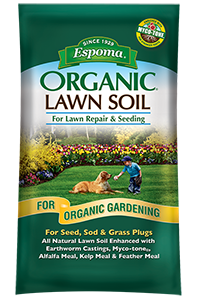
Espoma Organic Lawn Soil is an all-natural organic soil mix designed to promote seed germination and help new sod establish. It contains earthworm castings, alfalfa meal, kelp meal, and feather meal, enhanced with Espoma MYCO-TONE, a blend of endo and ecto mycorrhizae fungi. Use it anytime you sow new grass seed or install sod for organic gardening results with no synthetic plant foods or chemicals.
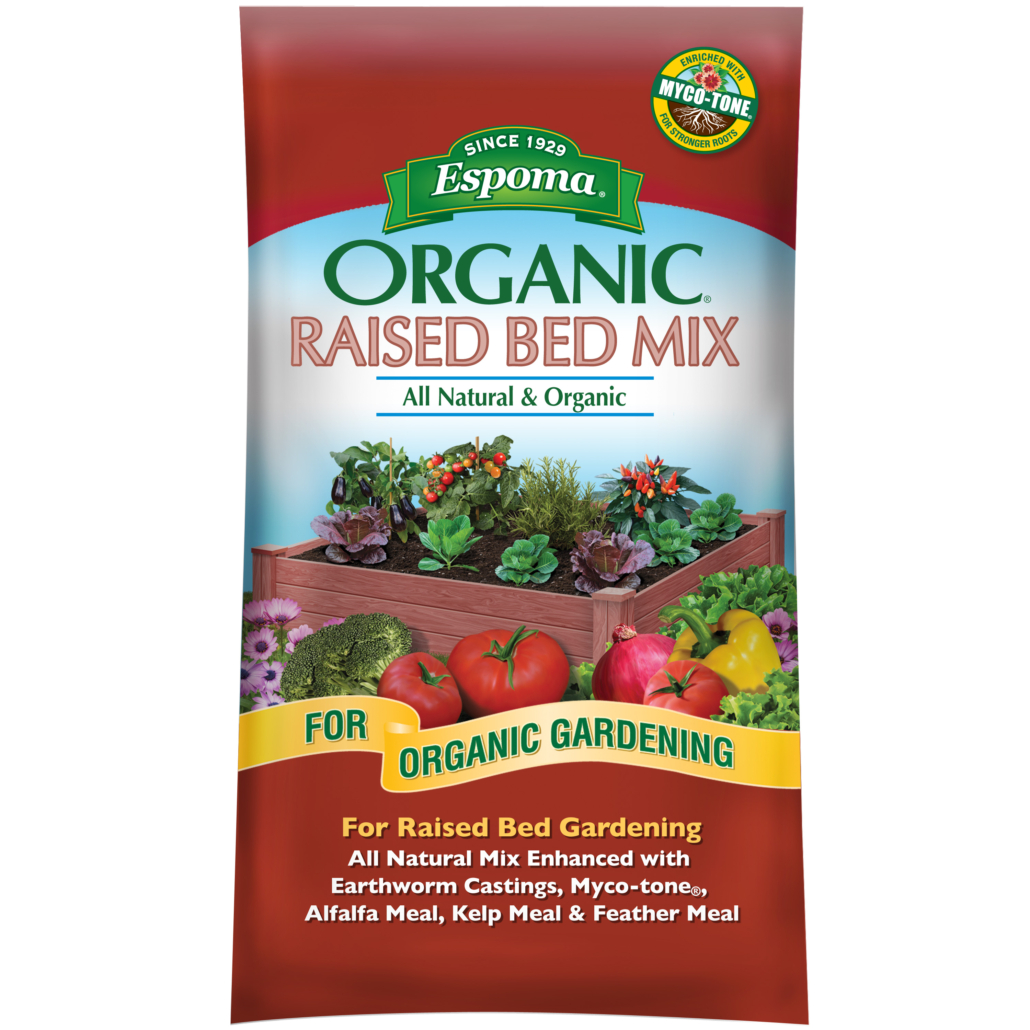
Espoma Organic Raised Bed Mix is an all-natural potting soil blend designed for raised garden beds and outdoor containers. It’s enriched with earthworm castings and organic meals for strong, healthy plant growth, plus MYCO-TONE with endo and ecto mycorrhizae. This ready-to-use mix contains no synthetic plant foods or chemicals, making it ideal for organic gardening.
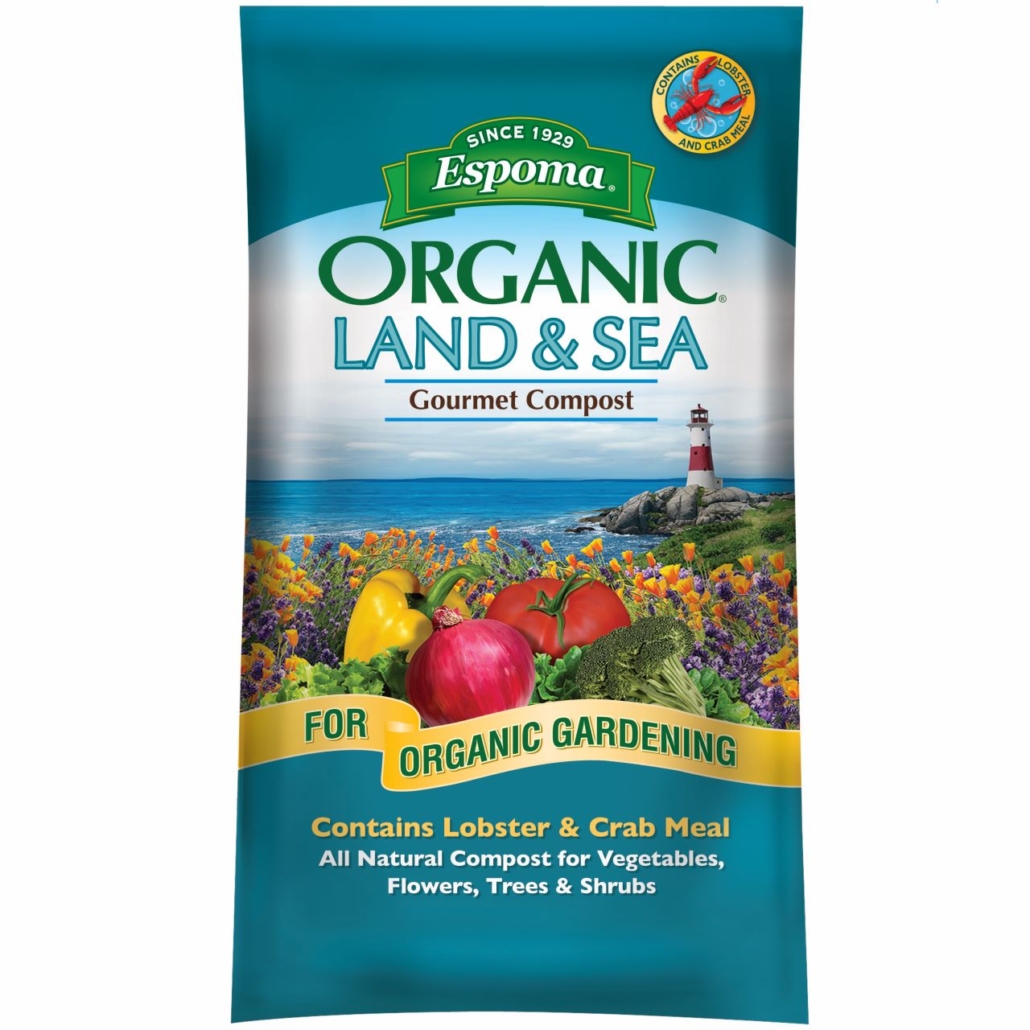
Espoma Organic Land and Sea Gourmet Compost is a rich organic planting mix designed to improve native soil and revitalize container gardens. Enriched with both lobster and crab meal, it supports healthy growth for vegetables, flowers, trees, and shrubs. The blend also includes myco-tone endo and ecto mycorrhizae and contains no synthetic plant foods or chemicals.
Application Methods Overview
Compost is applied in four main ways depending on the use case.
Top-dressing is the application of a layer of compost to the soil surface without incorporation. This is the method for lawn application and for established perennial beds where root disturbance is undesirable. The compost breaks down slowly and is incorporated into the soil by rainfall, earthworms, and natural tillage over weeks and months.
Soil incorporation is the mixing of compost directly into the top several inches of soil before planting. This is the primary method for annual vegetable beds and new planting areas where establishing improved soil structure before the growing season begins. Compost can be worked in with a fork, spade, or rototiller.
Potting mix amendment is the addition of compost to a container or seed-starting mix to improve water retention, add organic matter, and provide slow-release nutrients. The proportion of compost in a potting mix is much lower than in an in-ground soil amendment application.
Mulch application uses compost as a surface layer over soil around plants. It serves the same weed-suppression and moisture-retention functions as traditional mulch while also delivering nutrients and organic matter as it breaks down.
What This Hub Covers
- How to Use Compost in the Garden: Application Methods Explained
- How Much Compost to Add to Soil: Application Rates by Use Case
- Using Compost on Your Lawn: Top-Dressing for Soil Health
- Compost for Vegetable Gardens: How and When to Apply
- Using Compost as Mulch: Benefits, Depth, and Timing
- What Is Compost Tea and How Do You Make It?
- Adding Compost to Potting Mix: Ratios and Soil Improvement
For readers who are using compost as part of a broader lawn feeding strategy, the comparison between compost as a slow-release nitrogen source and granular or liquid fertilizer is covered in the lawn fertilizer guide. For readers amending garden beds and growing media as part of a broader gardening program, the full soil improvement sequence for vegetables and ornamentals is covered in the garden soil guide.
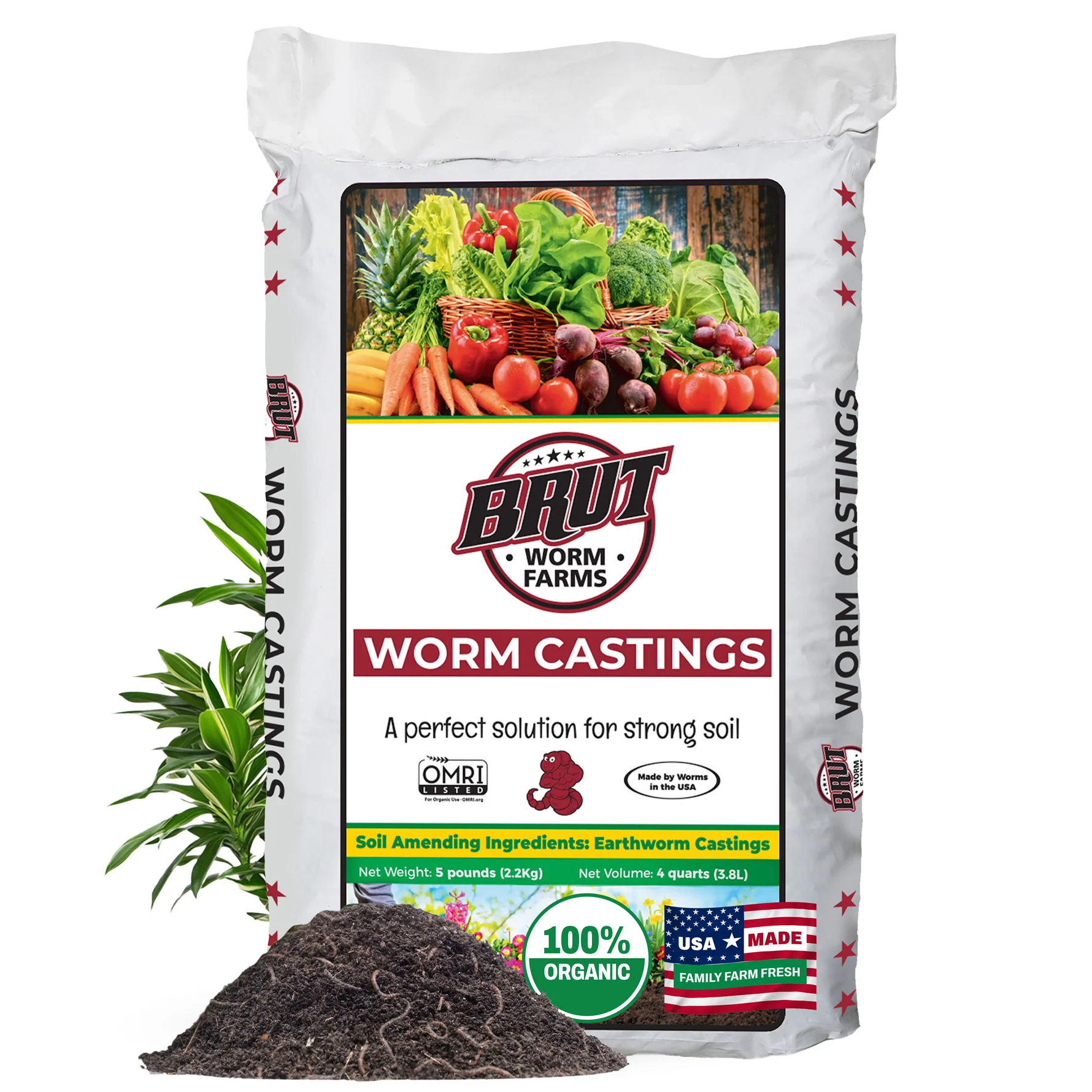
Brut organic worm castings provide mineral-rich, certified organic nutrition to supercharge indoor and outdoor plants. Raised indoors in containers for purity, these castings support lush greenery, vibrant blooms, and bountiful harvests. OMRI and CDFA listed formula helps deliver nature’s nutrients directly to plant roots for healthy growth from root to leaf.
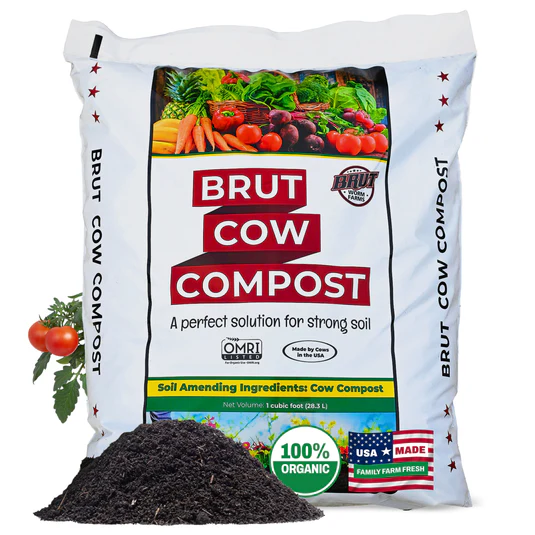
Brut Cow Compost is a nutrient-rich organic soil amendment made from 100% pure, thoroughly composted cow manure. It enriches soil with nitrogen, calcium, and iron, supports beneficial microbial life, and helps plants produce stronger growth. Odor-free and gentle on roots, it can be used for vegetables, flowers, lawns, shrubs, and indoor plants as a top dressing or mixed into garden and potting soil.