
Using Compost as Mulch: Benefits, Depth, and Timing
Using compost as a mulch applies a surface layer of finished compost around plants to suppress weeds, retain soil moisture, and regulate soil temperature, while simultaneously delivering organic matter and nutrients to the soil as the compost continues to break down. It combines the function of a traditional mulch with the soil-improvement function of a compost amendment, making it the most productive surface treatment for actively growing garden beds.
How Compost Mulch Compares to Bark Mulch
Bark mulch and wood chip mulch are longer-lasting surface materials that require less frequent replenishment than compost. A two-to-three-inch bark mulch layer holds its structure and appearance for one to two years before it needs topping up.
Compost used as mulch breaks down within one growing season, integrating into the upper soil profile as earthworms and rainfall incorporate it below the surface. This means compost mulch needs annual replenishment, but the replenishment is the soil amendment application itself: each year’s fresh layer of compost continues building organic matter in the upper soil profile in a way that bark mulch does not.
For ornamental beds where appearance matters and where annual replenishment is a maintenance consideration, bark or wood chip mulch over a compost base is a practical combination: the compost is incorporated first, the bark applied over the top for visual consistency and longer-lasting weed suppression.
For vegetable beds and kitchen garden areas, compost mulch alone is often the better choice because the bed is replanted annually anyway, and the compost incorporates completely into the soil during the season, ready to be refreshed with the next season’s bed preparation.
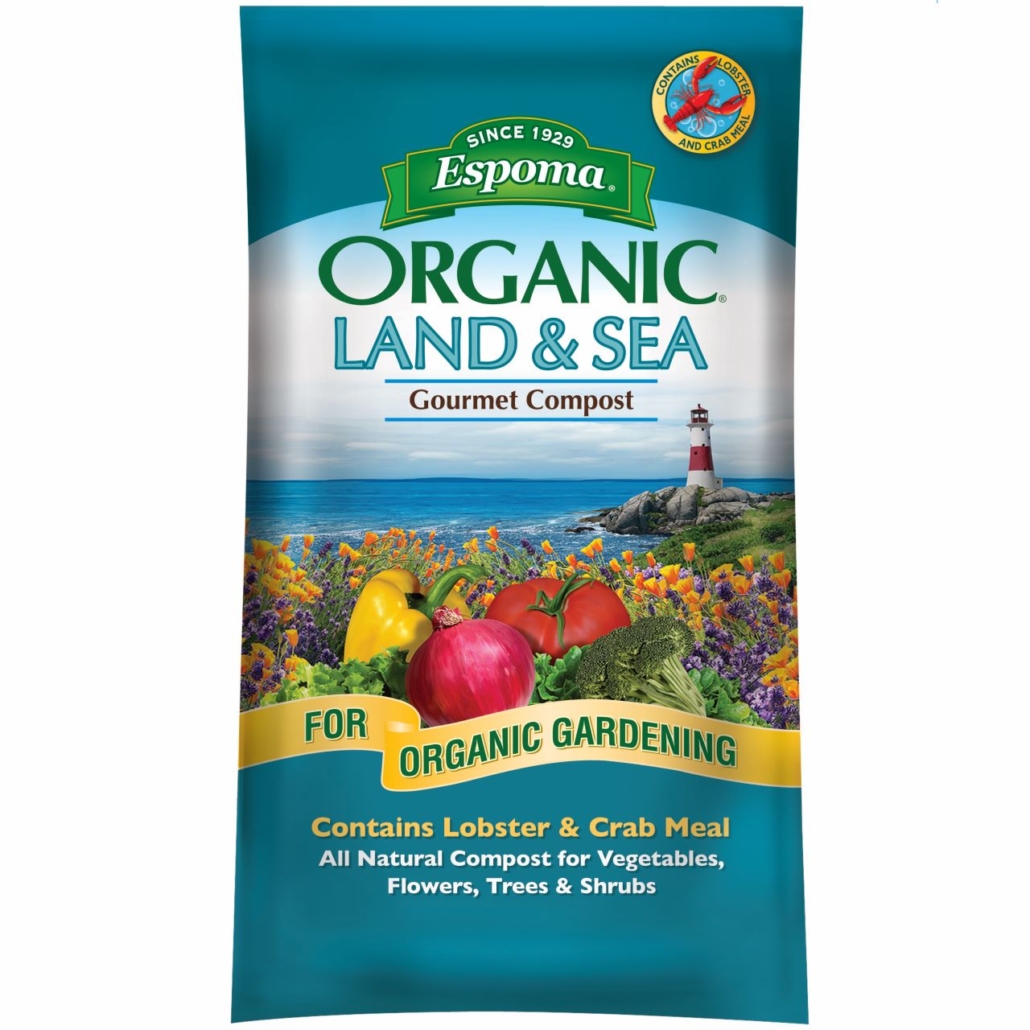
Espoma Organic Land and Sea Gourmet Compost is a rich organic planting mix designed to improve native soil and revitalize container gardens. Enriched with both lobster and crab meal, it supports healthy growth for vegetables, flowers, trees, and shrubs. The blend also includes myco-tone endo and ecto mycorrhizae and contains no synthetic plant foods or chemicals.
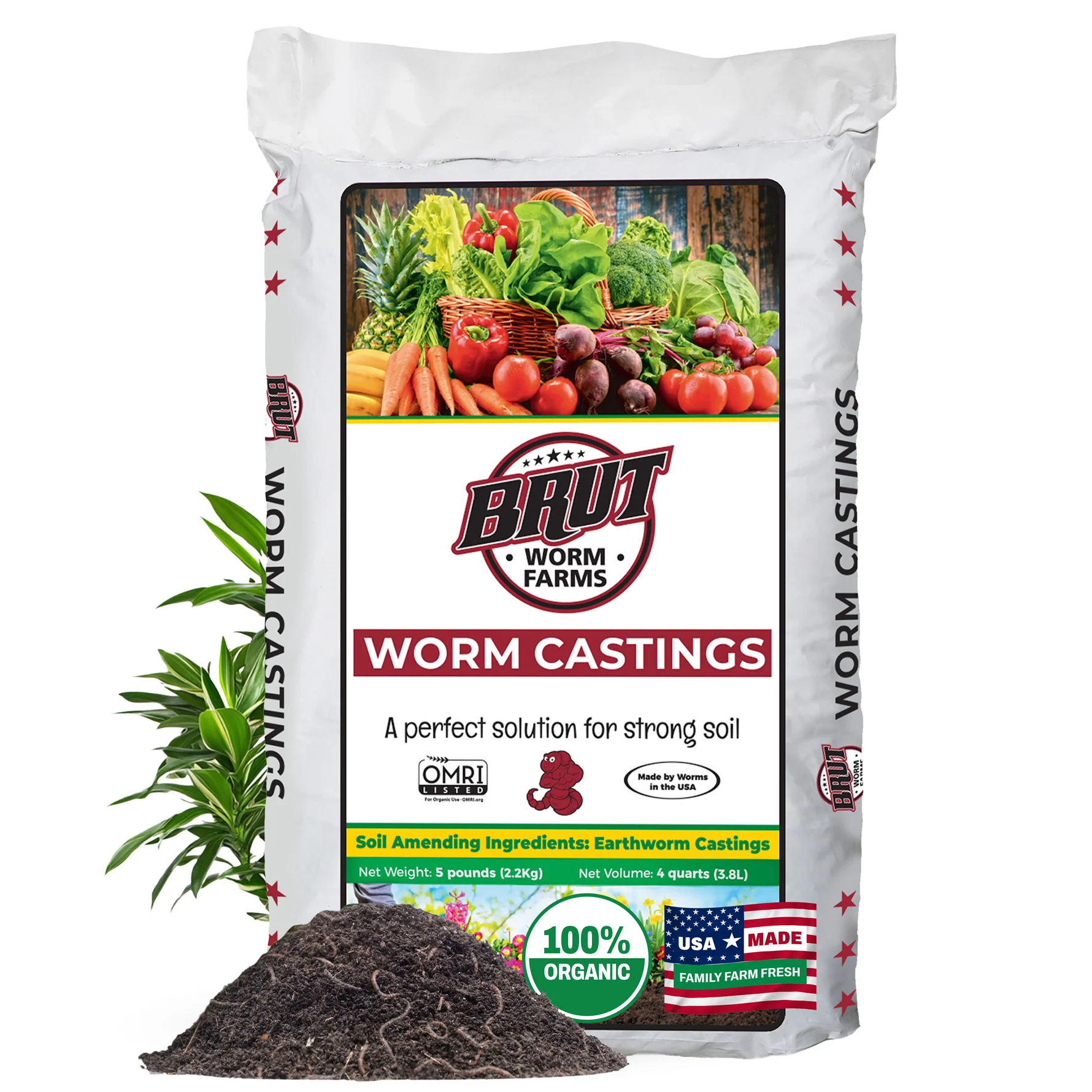
Brut organic worm castings provide mineral-rich, certified organic nutrition to supercharge indoor and outdoor plants. Raised indoors in containers for purity, these castings support lush greenery, vibrant blooms, and bountiful harvests. OMRI and CDFA listed formula helps deliver nature’s nutrients directly to plant roots for healthy growth from root to leaf.
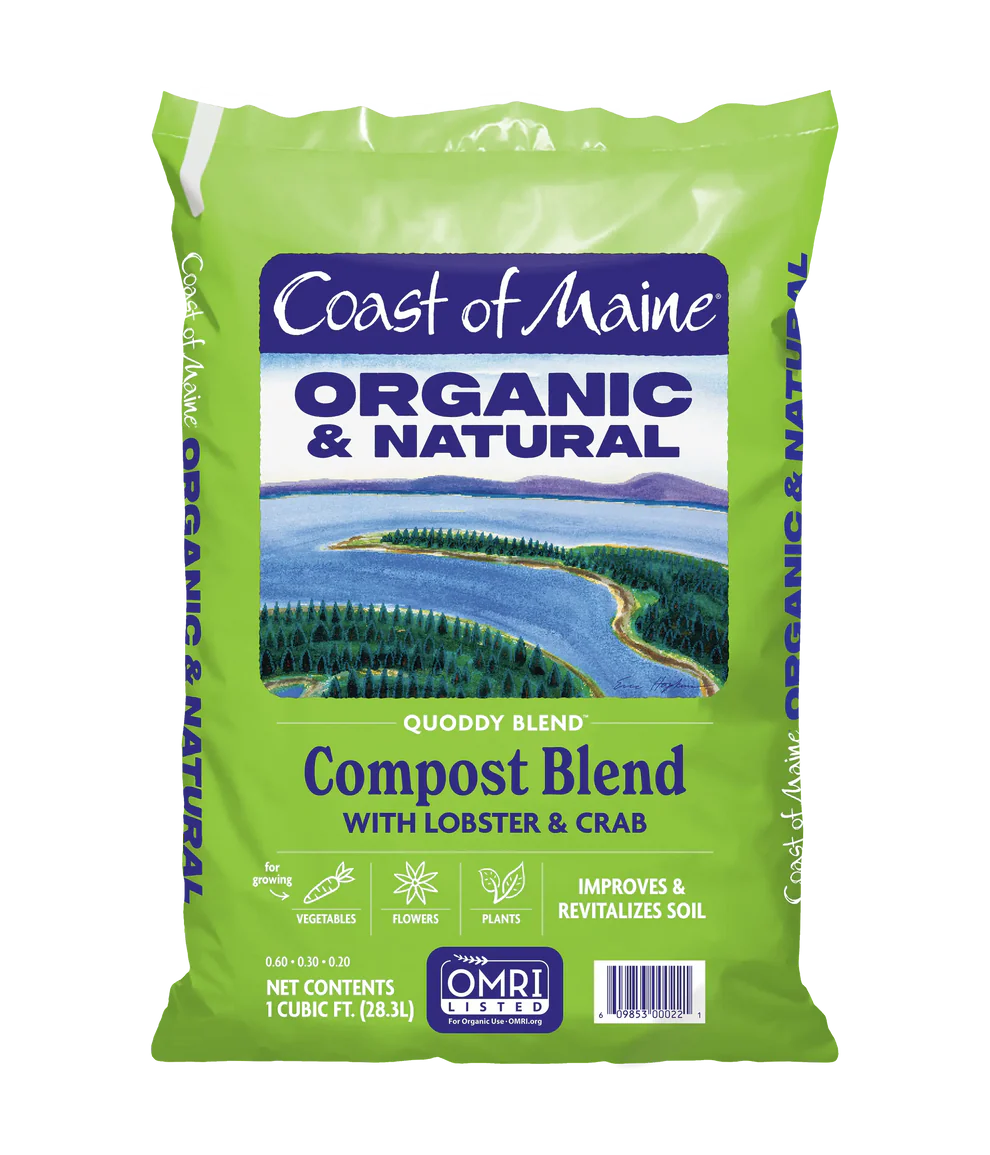
Coast of Maine’s Organic & Natural Quoddy Blend is a premium seafood compost made from lobster and crab shell meal, composted manure, and peat moss to enrich garden soil. It improves soil structure by supporting better drainage, aeration, and water retention for healthier root development. OMRI listed for organic use, it’s a versatile choice for gardens, beds, borders, trees, shrubs, and foliage.
Application Depth and Placement
Apply compost as mulch in a two-to-three-inch layer over the soil surface. Less than two inches provides insufficient weed suppression and dries out too quickly to maintain meaningful moisture retention. More than three inches can restrict gas exchange at the soil surface, though this is a lesser concern with compost than with fine material that forms a crust.
Keep compost away from plant stems and tree trunks. Direct contact between compost and stems or trunk flares creates a moist microenvironment that promotes fungal disease and stem rot. Maintain a two-to-three-inch gap between the mulch layer and the base of any plant.
Timing
Apply compost mulch in spring, after the soil has warmed to planting temperature but before weed seeds germinate in volume. Early spring mulch application suppresses the first flush of annual weed germination and retains the moisture built up from winter rain or snowmelt.
A second application in autumn, after the main growing season ends, provides insulation for perennial root systems, continues organic matter incorporation over winter, and positions the bed well for spring planting.
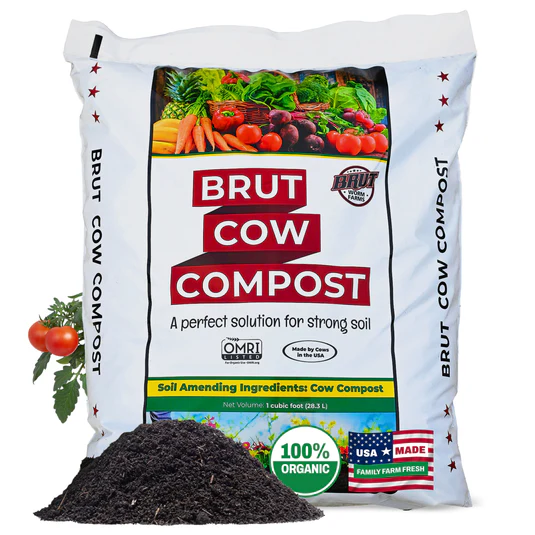
Brut Cow Compost is a nutrient-rich organic soil amendment made from 100% pure, thoroughly composted cow manure. It enriches soil with nitrogen, calcium, and iron, supports beneficial microbial life, and helps plants produce stronger growth. Odor-free and gentle on roots, it can be used for vegetables, flowers, lawns, shrubs, and indoor plants as a top dressing or mixed into garden and potting soil.
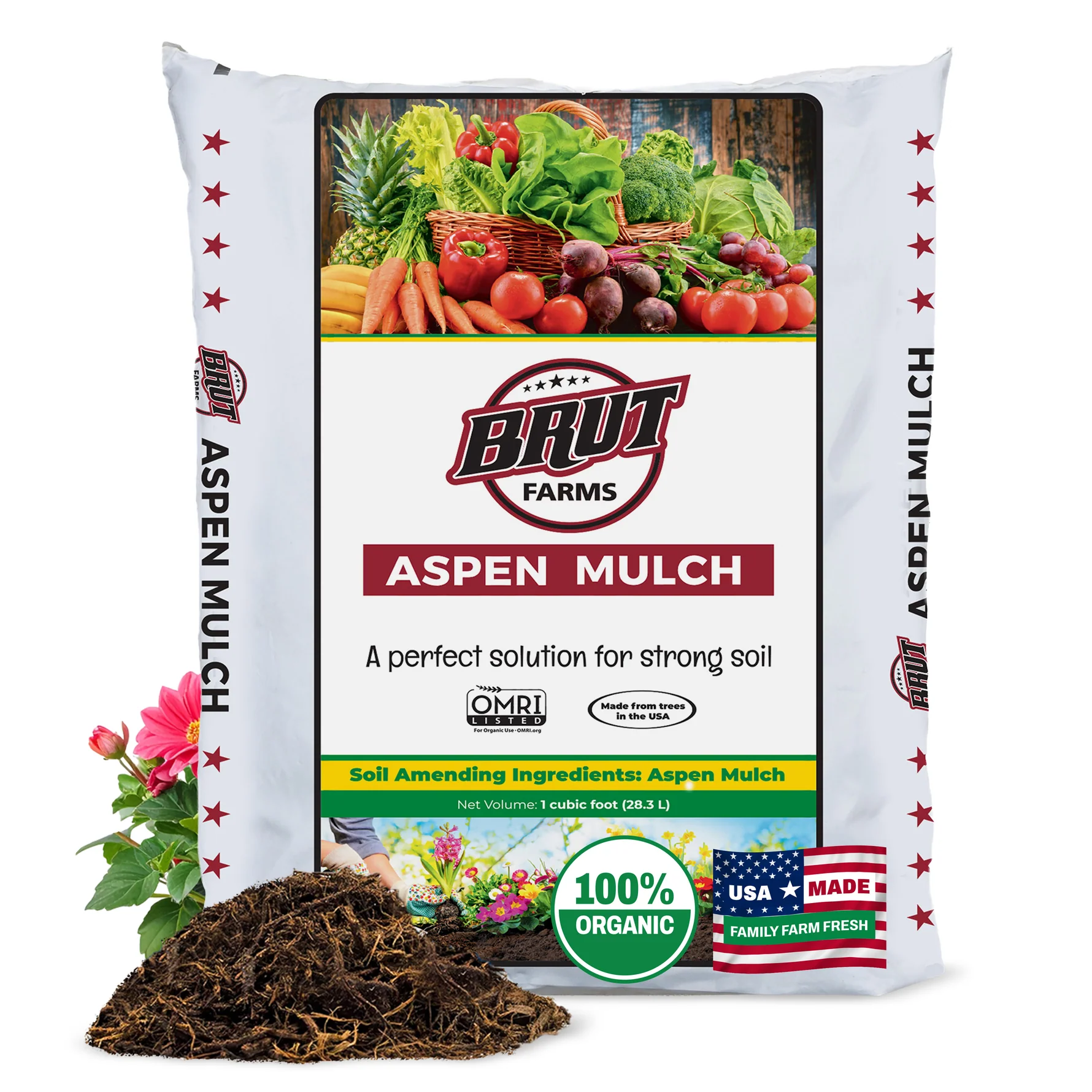
Brut Organic Aspen Mulch creates a clean, polished garden surface while helping minimize weeds naturally. Its high-carbon, odor-free aspen bark supports beneficial soil microbes and improves soil structure for healthier plants. The mulch naturally retains moisture, promoting water-efficient root hydration for garden beds, potted plants, and outdoor planters. OMRI-listed for certified organic gardening.
Which Plants Benefit Most
Compost mulch benefits all garden plants, but the greatest visible improvement tends to be in moisture-sensitive crops (tomatoes, cucumbers, courgettes) that respond strongly to consistent soil moisture, and in perennial borders that accumulate organic matter and soil biology benefits over multiple seasons. Trees and shrubs benefit from the wide mulch ring application described in the how much compost to add to soil guide.