
What Is Compost Tea and How Do You Make It?
Compost tea is made by steeping finished compost in water to extract water-soluble nutrients and microbial populations into a liquid that can be applied as a soil drench or foliar feed. It is a supplemental amendment rather than a replacement for solid compost application, delivering a dilute, quickly available nutrient dose and an inoculation of beneficial microorganisms to soil or plant surfaces.
The Two Types of Compost Tea
Non-aerated compost tea (leachate or simple steep) is made by placing finished compost in a cloth or mesh bag and submerging it in a bucket of water for 24 to 48 hours, similar to making a large bag of tea. The resulting liquid is darker than fresh water and contains water-soluble nutrients leached from the compost. It does not significantly increase microbial populations because aerobic conditions are not maintained during steeping. It is simple to make with no additional equipment.
Aerated compost tea (ACT) is made by actively aerating the steeping water using an aquarium air pump and airstone to maintain dissolved oxygen throughout the brewing period. This aerobic environment allows beneficial aerobic bacteria and fungi to multiply rapidly during the 24-to-48-hour brew period, producing a more biologically diverse and active liquid than a simple steep. Advocates of ACT argue that the increased microbial density delivers greater soil biology benefits than a simple steep.
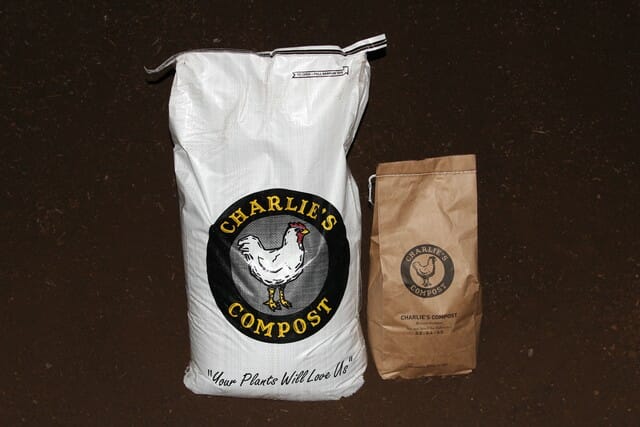
Charlie's Compost is an odor-free organic compost that enriches soil with nutrients and improves soil structure for healthier plant growth. It’s ideal for home gardens, raised beds, containers, and seed starting mixes, and it works as a compost tea ready amendment. The formula supports continuous nutrient release and offers low-odor composting for small-space and indoor-friendly use.
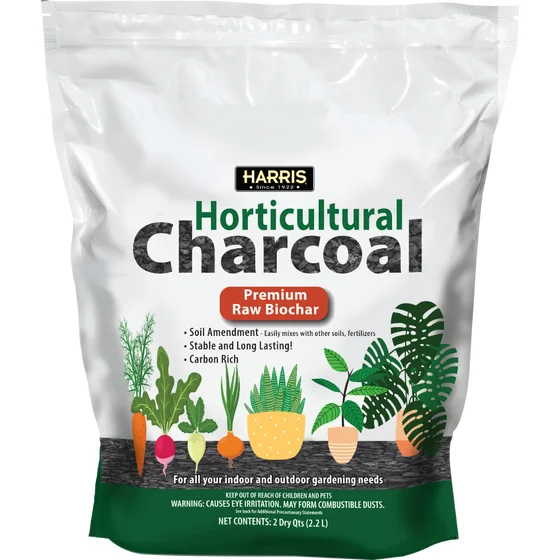
Harris Horticultural Charcoal premium biochar is a naturally derived soil amendment designed to increase soil carbon, nutrient content, and water retention. It helps support water-soluble nutrients and promotes beneficial microbial life for healthier plants. Ideal for indoor and outdoor use in gardens, ornamentals, terrariums, and small houseplants like orchids and bonsai.
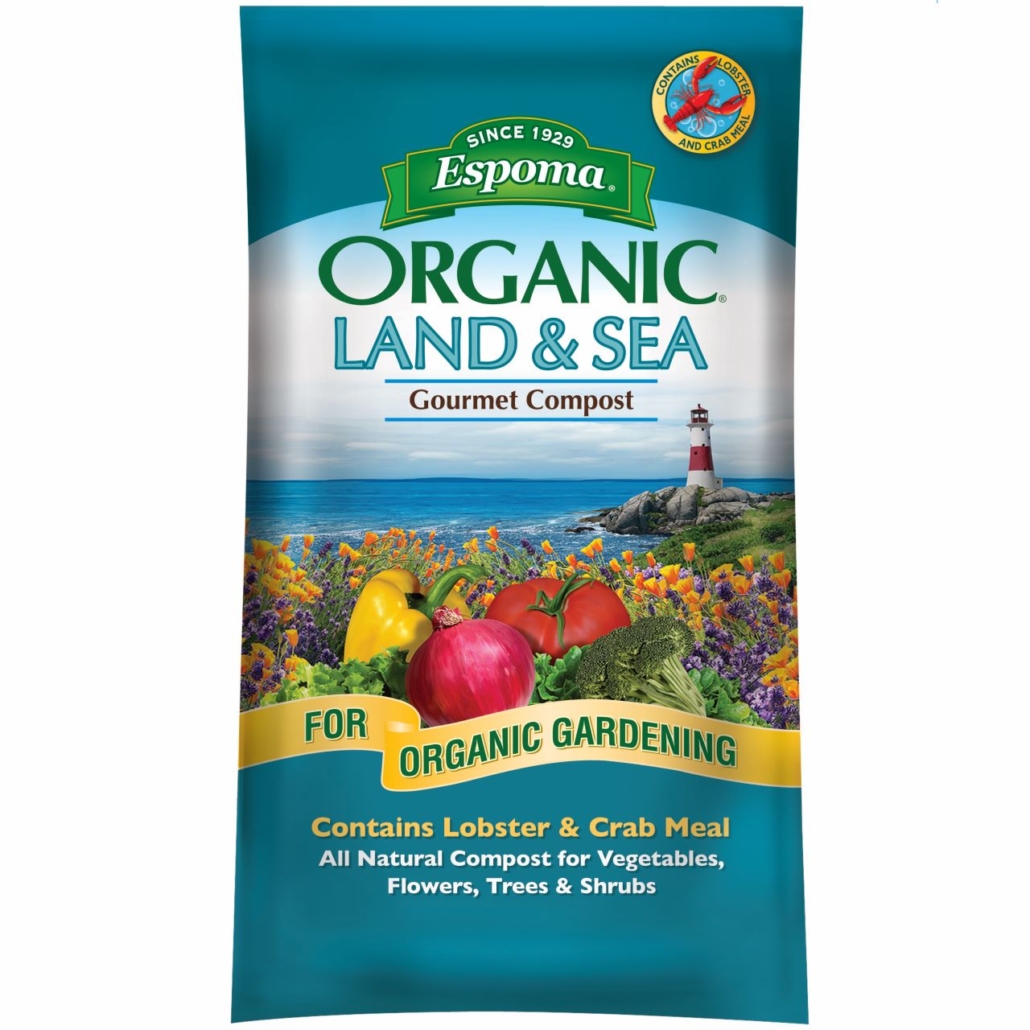
Espoma Organic Land and Sea Gourmet Compost is a rich organic planting mix designed to improve native soil and revitalize container gardens. Enriched with both lobster and crab meal, it supports healthy growth for vegetables, flowers, trees, and shrubs. The blend also includes myco-tone endo and ecto mycorrhizae and contains no synthetic plant foods or chemicals.
How to Make Simple Non-Aerated Compost Tea
Fill a bucket with non-chlorinated water (let tap water sit uncovered for 24 hours to off-gas chlorine, or use collected rainwater). Fill a burlap bag, cheesecloth, or old pillowcase with two to four cups of finished compost. Tie the bag closed and submerge it in the water. Leave to steep for 24 to 48 hours, agitating occasionally. Remove the bag, squeeze out the remaining liquid, and apply the tea immediately to soil or foliage. The spent compost from the bag can go back into the compost pile or be applied directly to a bed.
How to Make Aerated Compost Tea
Set up an aquarium air pump with an airstone at the bottom of a five-gallon bucket of non-chlorinated water. Add two to three cups of finished compost and one tablespoon of unsulfured molasses (the molasses feeds bacteria during brewing and accelerates population growth). Run the air pump continuously for 24 to 36 hours. Strain through a fine mesh before applying through a watering can or pump sprayer. Apply immediately: aerated compost tea loses much of its biological benefit within four hours of the aeration stopping.
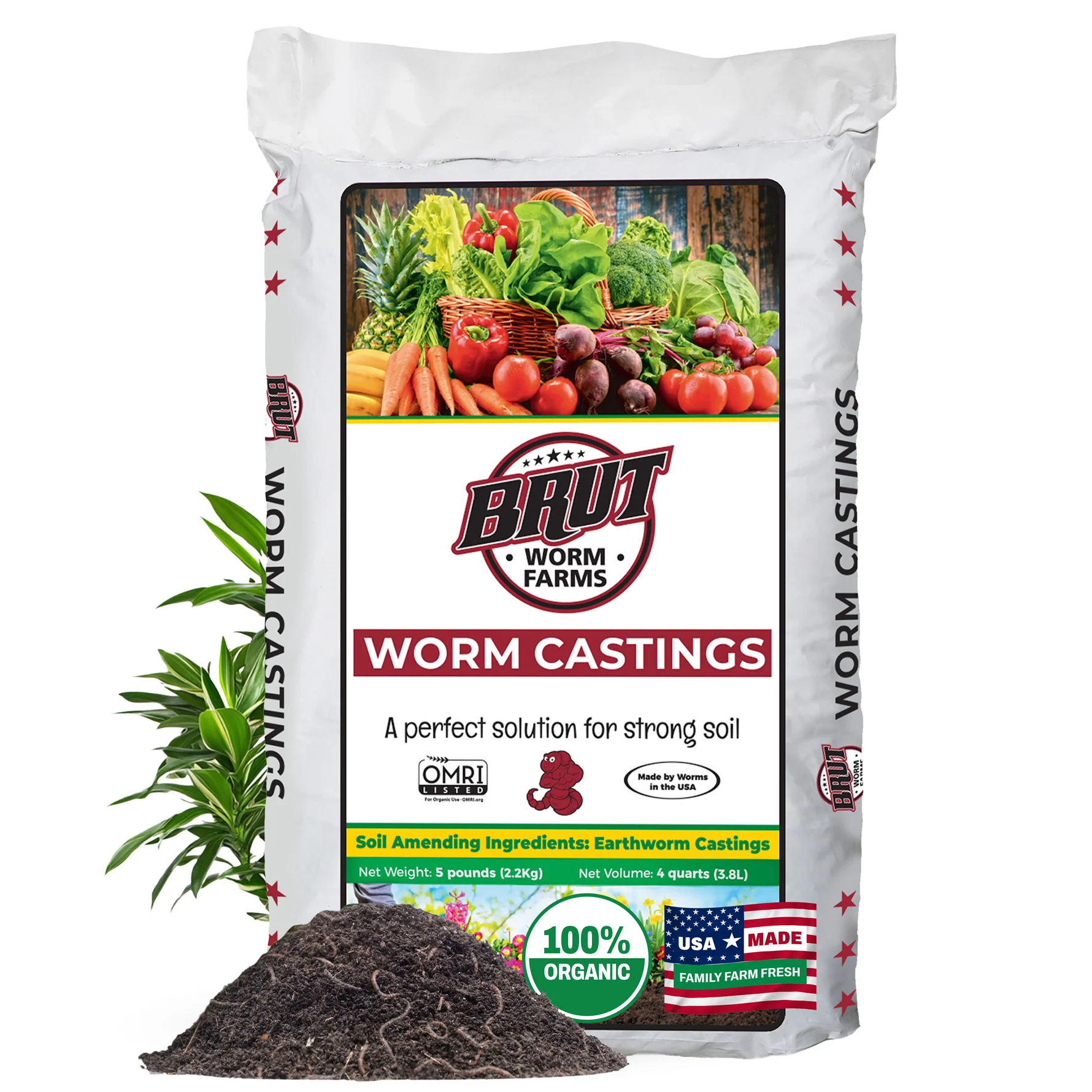
Brut organic worm castings provide mineral-rich, certified organic nutrition to supercharge indoor and outdoor plants. Raised indoors in containers for purity, these castings support lush greenery, vibrant blooms, and bountiful harvests. OMRI and CDFA listed formula helps deliver nature’s nutrients directly to plant roots for healthy growth from root to leaf.
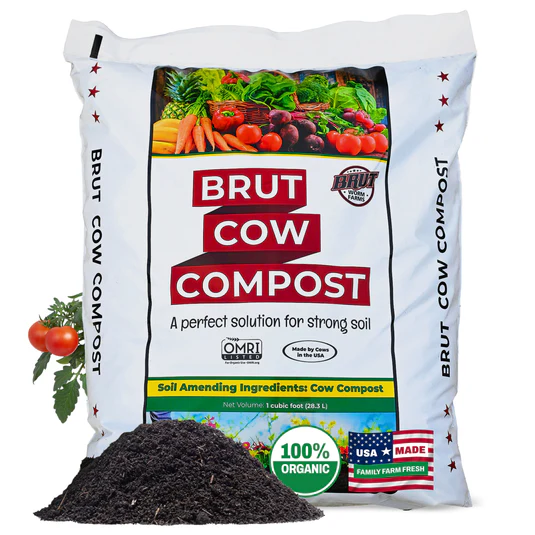
Brut Cow Compost is a nutrient-rich organic soil amendment made from 100% pure, thoroughly composted cow manure. It enriches soil with nitrogen, calcium, and iron, supports beneficial microbial life, and helps plants produce stronger growth. Odor-free and gentle on roots, it can be used for vegetables, flowers, lawns, shrubs, and indoor plants as a top dressing or mixed into garden and potting soil.
How to Apply Compost Tea
Apply compost tea as a soil drench at the base of plants, delivering the liquid directly to the root zone. This is the most effective application method for delivering both the soluble nutrients and the microbial populations to where plant roots are active.
Foliar application (spraying the leaf surfaces) is used by some growers for disease suppression: the beneficial microorganisms in aerated compost tea can colonize leaf surfaces and outcompete pathogenic fungi and bacteria. Apply foliar spray in early morning to allow the leaves to dry before evening; a wet leaf surface left overnight promotes rather than prevents disease.
Is Compost Tea Worth Making?
Compost tea is a useful supplement for high-intensity growing situations, container gardening where soil biology is limited, and situations where liquid feeding is more practical than solid amendment. For most homeowner garden applications, regular solid compost top-dressing and incorporation delivers superior results with less preparation effort. Make compost tea when you have finished compost and want to extend its benefit further, not as a replacement for applying the compost directly.