
Using Compost on Your Lawn: Top-Dressing for Soil Health
Applying compost to a lawn, a practice called top-dressing, is one of the most effective things you can do for long-term lawn health. Compost improves the soil structure beneath the turf, feeds the soil microbiome that supports grass root function, builds organic matter that retains moisture and moderates soil temperature, and delivers a slow release of nitrogen and other nutrients that support sustained growth without the flush-and-crash cycle of synthetic fertilizers.
What Compost Does for Lawn Soil
Most residential lawns, particularly those on compacted clay soils or in new developments where topsoil has been stripped, have degraded soil structure and low organic matter content. Grass growing in this kind of soil is more susceptible to drought stress, disease pressure, thatch buildup, and compaction. Regular compost top-dressing rebuilds the organic matter content of the upper soil profile over several seasons, producing measurable improvements in root depth, water infiltration, and turf density.
Compost delivers nitrogen slowly as it continues to break down in the soil, which means no single large flush of growth followed by a period of no feeding. This slow-release profile keeps grass growing evenly and supports the dense, healthy growth that crowds out weeds and resists disease. Understanding how compost nitrogen compares to granular fertilizer nitrogen release rates, and how to combine them in a seasonal feeding schedule, is covered in the lawn fertilizer guide.
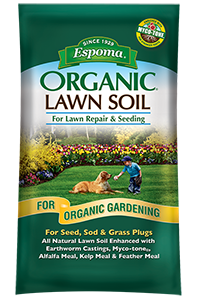
Espoma Organic Lawn Soil is an all-natural organic soil mix designed to promote seed germination and help new sod establish. It contains earthworm castings, alfalfa meal, kelp meal, and feather meal, enhanced with Espoma MYCO-TONE, a blend of endo and ecto mycorrhizae fungi. Use it anytime you sow new grass seed or install sod for organic gardening results with no synthetic plant foods or chemicals.
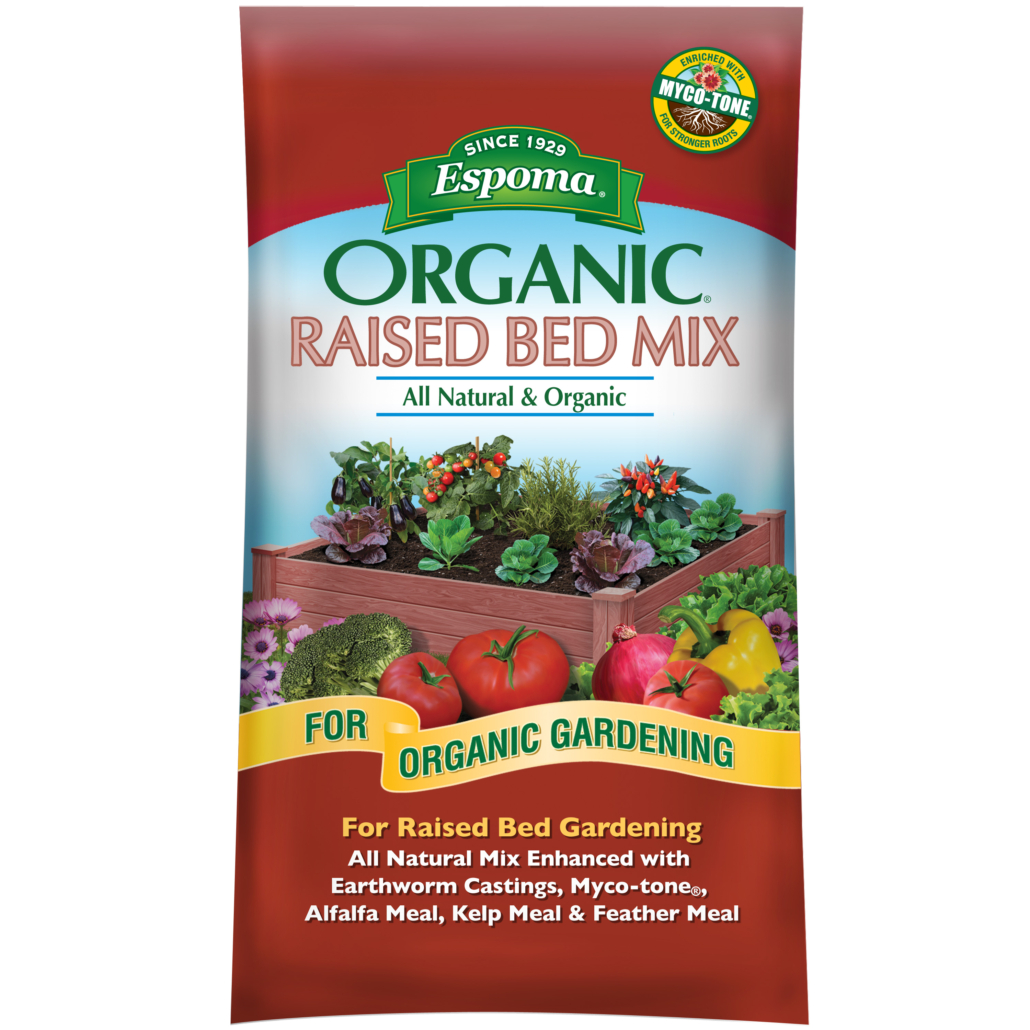
Espoma Organic Raised Bed Mix is an all-natural potting soil blend designed for raised garden beds and outdoor containers. It’s enriched with earthworm castings and organic meals for strong, healthy plant growth, plus MYCO-TONE with endo and ecto mycorrhizae. This ready-to-use mix contains no synthetic plant foods or chemicals, making it ideal for organic gardening.
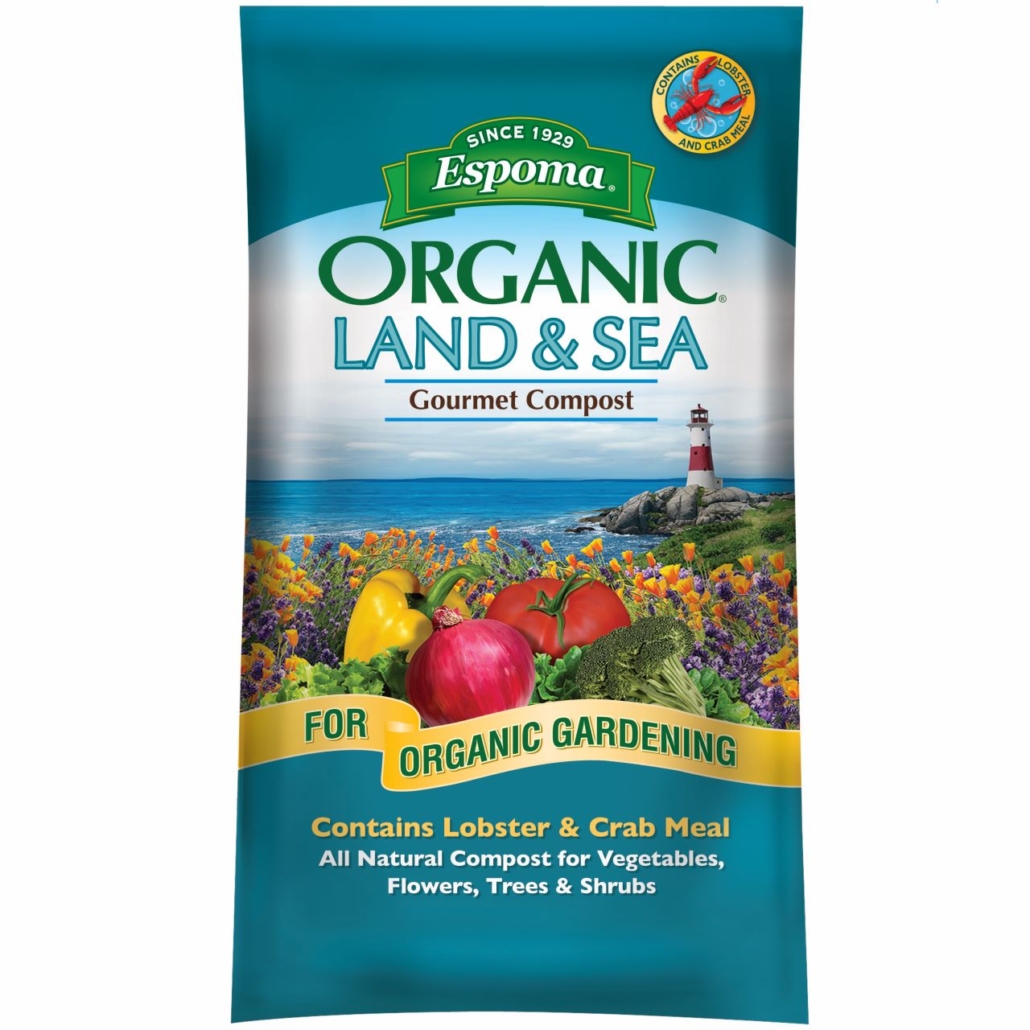
Espoma Organic Land and Sea Gourmet Compost is a rich organic planting mix designed to improve native soil and revitalize container gardens. Enriched with both lobster and crab meal, it supports healthy growth for vegetables, flowers, trees, and shrubs. The blend also includes myco-tone endo and ecto mycorrhizae and contains no synthetic plant foods or chemicals.
When to Apply Compost to a Lawn
The best timing for lawn compost application is in spring and early autumn, when grass is growing actively and can benefit from improved nutrient availability, and when cooler temperatures allow slower application and contact with the soil surface before summer heat or winter dormancy.
Autumn application is particularly effective: compost applied in September and October has the whole winter to integrate into the soil surface, the earthworm population is active in moving it down into the profile, and nutrients become available right at the start of spring growth. Aerating the lawn before applying compost in autumn creates direct channels into the soil that speed incorporation.
How to Apply Compost to a Lawn
The compost must be fully finished and screened fine enough to fall between grass blades and make contact with the soil. Coarse, lumpy compost applied to a lawn will sit on the surface, smother the turf underneath, and create an uneven appearance. Compost with a particle size of around 0.25 to 0.5 inches or finer is appropriate for lawn use.
Spread the compost evenly over the lawn surface using a shovel and the back of a rake, or rent a top-dressing spreader for large areas. The target application depth is a quarter-inch to half-inch. After spreading, rake or brush the compost into the turf so it drops between the grass blades and contacts the soil. Water the lawn to help the compost settle and contact the soil surface.
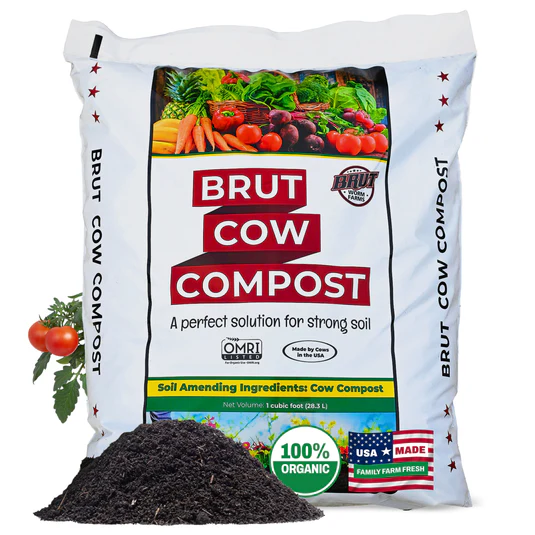
Brut Cow Compost is a nutrient-rich organic soil amendment made from 100% pure, thoroughly composted cow manure. It enriches soil with nitrogen, calcium, and iron, supports beneficial microbial life, and helps plants produce stronger growth. Odor-free and gentle on roots, it can be used for vegetables, flowers, lawns, shrubs, and indoor plants as a top dressing or mixed into garden and potting soil.
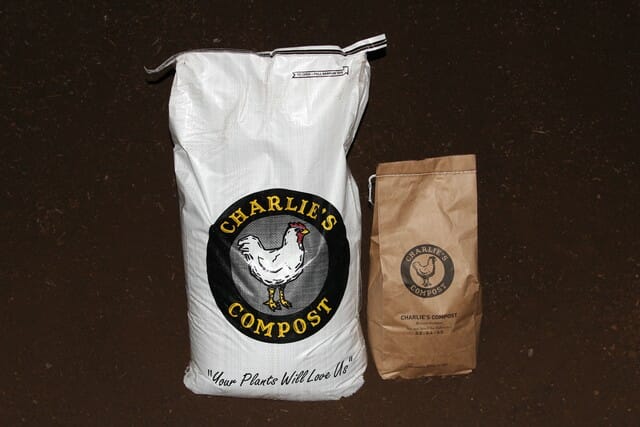
Charlie's Compost is an odor-free organic compost that enriches soil with nutrients and improves soil structure for healthier plant growth. It’s ideal for home gardens, raised beds, containers, and seed starting mixes, and it works as a compost tea ready amendment. The formula supports continuous nutrient release and offers low-odor composting for small-space and indoor-friendly use.
Combining Compost Top-Dressing with Overseeding
Compost is an excellent seedbed for overseeding thin or bare lawn areas. After scarifying or aerating the thin area, spread a quarter-inch to half-inch of compost over the surface, apply grass seed at the appropriate rate for the species, and rake lightly to bring the seed into contact with the compost. The compost provides the moisture retention and gentle nutrition that seeds need for good germination rates without burning tender seedlings.