
Adding Compost to Potting Mix: Ratios and Soil Improvement
Compost is a valuable amendment in potting mixes, providing organic matter, nutrient supply, water retention, and microbial diversity that improves plant performance in containers and raised beds. The key is proportion: compost added at the right ratio improves drainage and nutrition; added in excess it creates a heavy, waterlogged growing medium that suffocates roots.
Why Compost Works Well in Potting Mixes
Standard commercial potting mixes are typically made from materials like peat, coir, bark, and perlite that provide structure and aeration but are relatively inert in terms of nutrient supply and biological activity. Adding compost to these mixes introduces the slow-release nutrients, humic compounds, and soil biology that support active plant growth over an extended period.
Compost also improves the water-holding capacity of mixes that drain too quickly, and in mixes that are too dense it adds structure through its aggregate particles. These improvements support healthier root development and reduce the frequency of liquid feeding needed through the growing season.
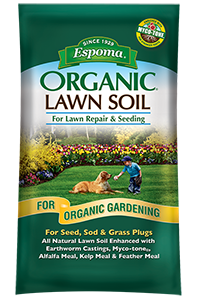
Espoma Organic Lawn Soil is an all-natural organic soil mix designed to promote seed germination and help new sod establish. It contains earthworm castings, alfalfa meal, kelp meal, and feather meal, enhanced with Espoma MYCO-TONE, a blend of endo and ecto mycorrhizae fungi. Use it anytime you sow new grass seed or install sod for organic gardening results with no synthetic plant foods or chemicals.
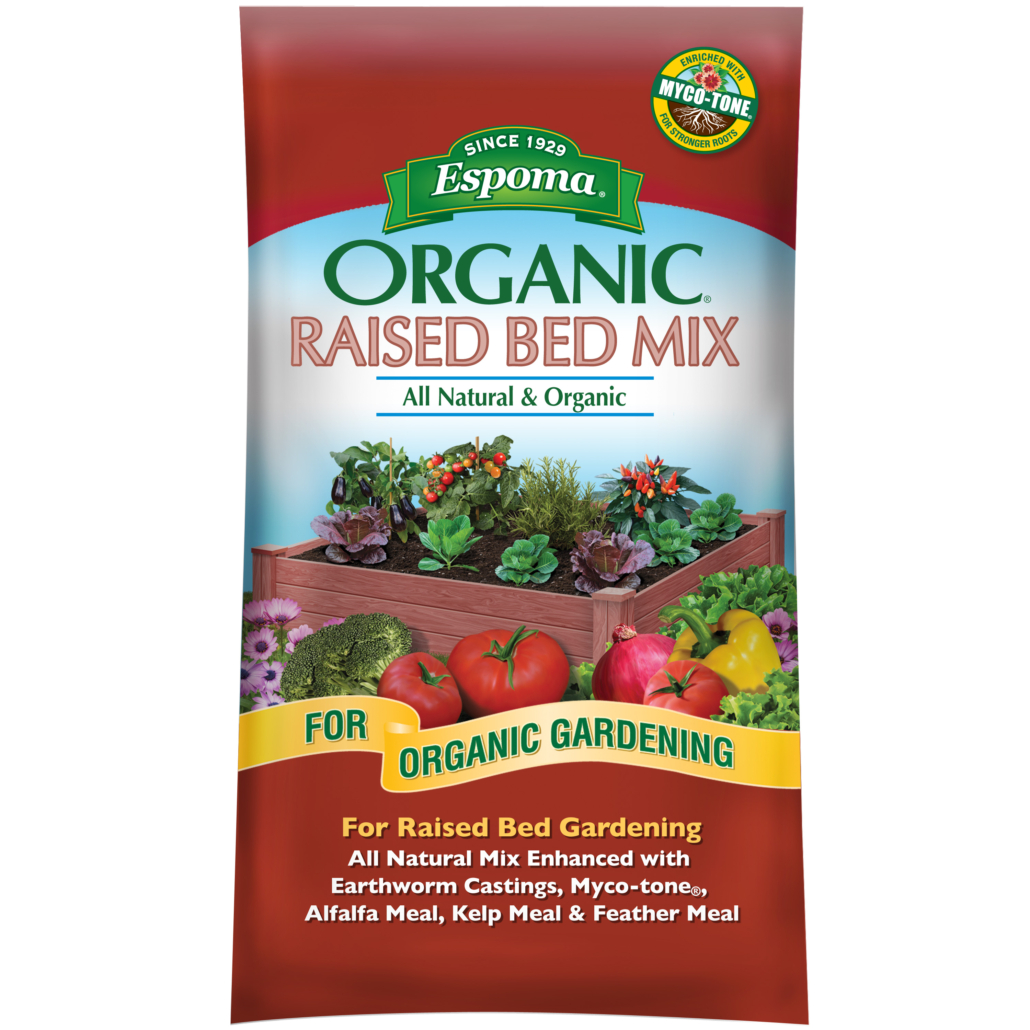
Espoma Organic Raised Bed Mix is an all-natural potting soil blend designed for raised garden beds and outdoor containers. It’s enriched with earthworm castings and organic meals for strong, healthy plant growth, plus MYCO-TONE with endo and ecto mycorrhizae. This ready-to-use mix contains no synthetic plant foods or chemicals, making it ideal for organic gardening.
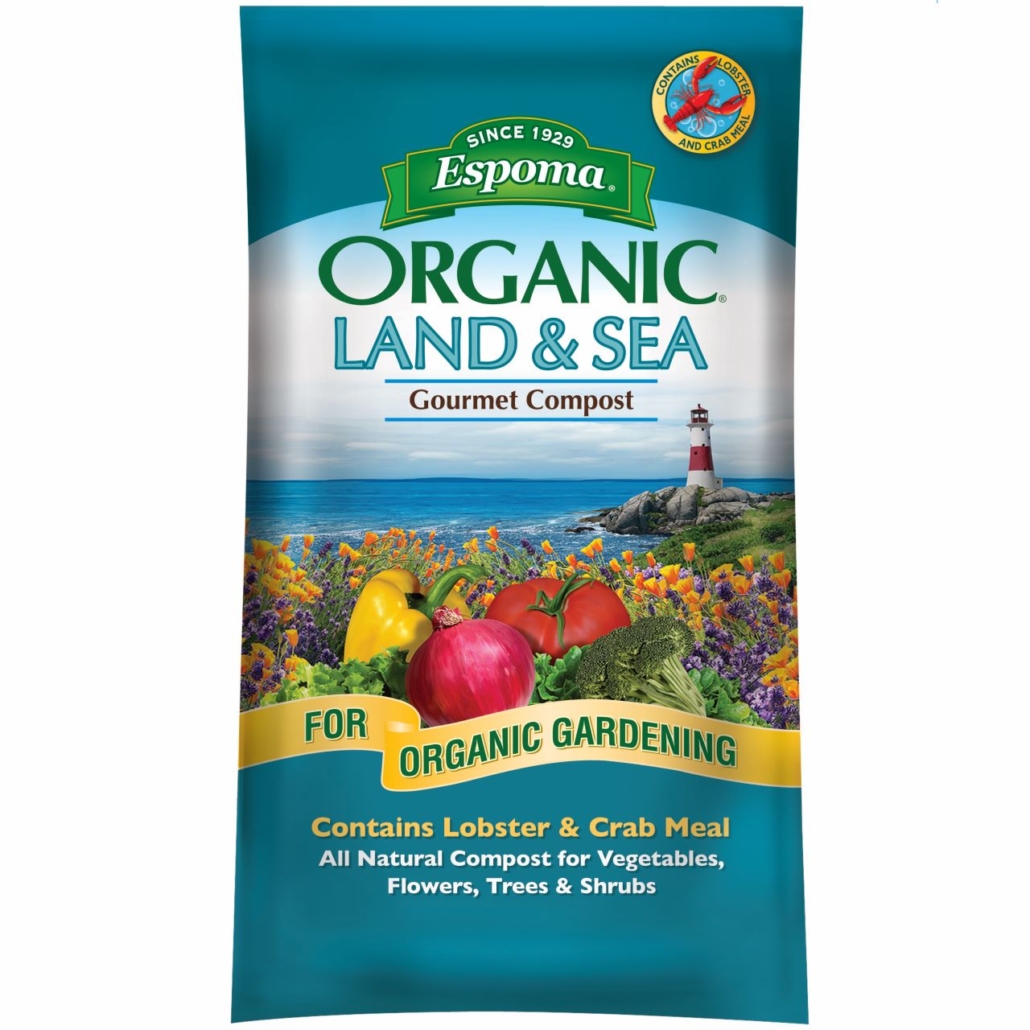
Espoma Organic Land and Sea Gourmet Compost is a rich organic planting mix designed to improve native soil and revitalize container gardens. Enriched with both lobster and crab meal, it supports healthy growth for vegetables, flowers, trees, and shrubs. The blend also includes myco-tone endo and ecto mycorrhizae and contains no synthetic plant foods or chemicals.
The Right Ratio: Containers
For standard container potting, add compost at 20 to 30 percent of the total mix volume. A mix of 70 percent commercial potting mix and 30 percent finished compost maintains adequate drainage while delivering the improvement in organic matter and nutrients that compost provides.
Above 30 percent compost in a container mix, water retention increases to a level that risks waterlogging in containers without excellent drainage. Container plants are already more vulnerable to waterlogging than in-ground plants because drainage is limited by the container volume. Keeping compost below the 30 percent threshold avoids this risk in most container types.
The Right Ratio: Seed-Starting Mixes
Seeds and seedlings are more sensitive to nutrient concentration than established plants. High-compost mixes can be too rich for seeds, causing germination problems or seedling burn from concentrated soluble salts. For seed-starting, limit compost to 10 to 15 percent of the total mix and ensure the compost is fully mature and well-cured.
A simple seed-starting mix with compost: 50 percent fine screened compost, 25 percent coir or peat for moisture retention, and 25 percent fine perlite for drainage. This produces a gentle, well-draining medium suitable for a wide range of seeds and compatible with leaving seedlings in the mix for four to six weeks before transplanting.
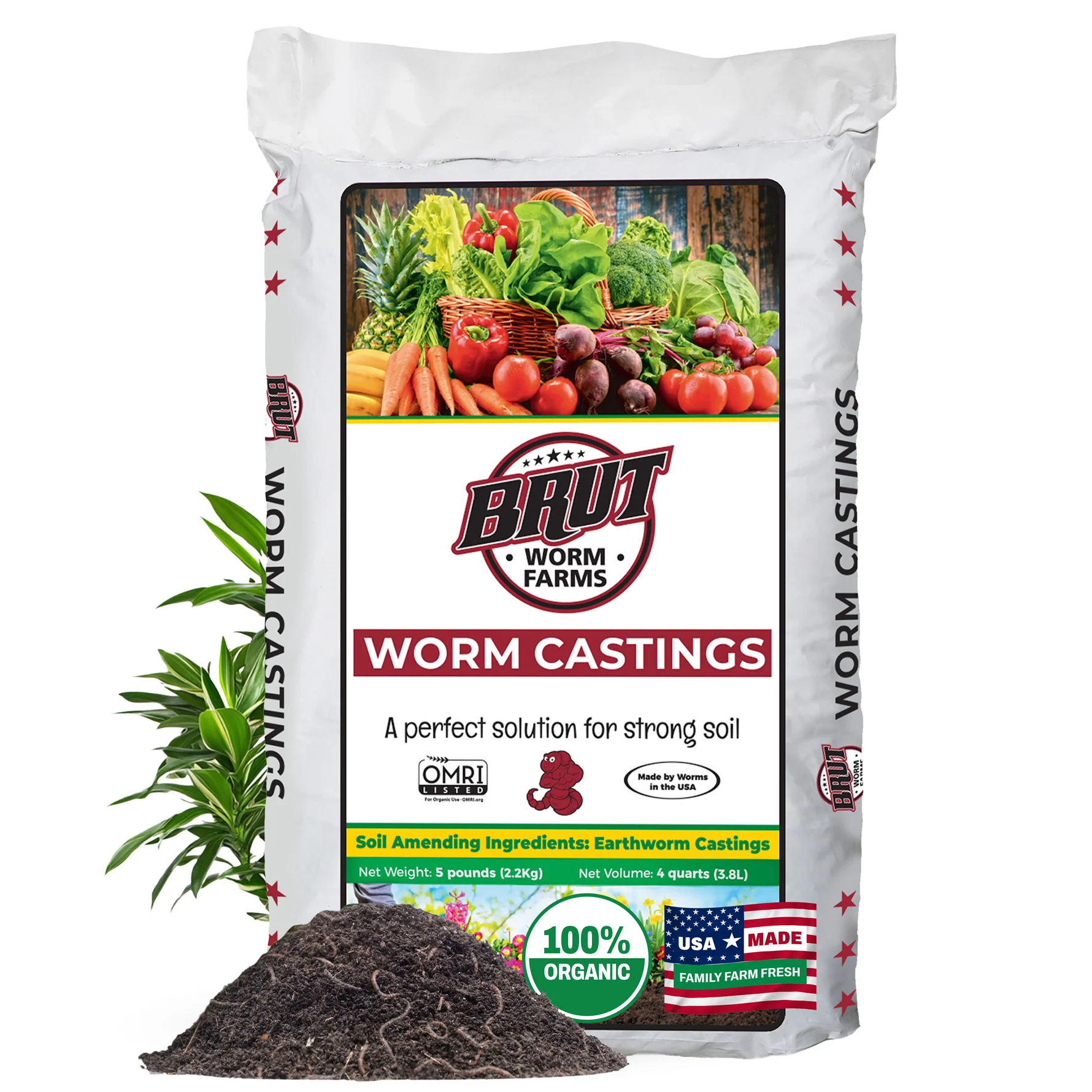
Brut organic worm castings provide mineral-rich, certified organic nutrition to supercharge indoor and outdoor plants. Raised indoors in containers for purity, these castings support lush greenery, vibrant blooms, and bountiful harvests. OMRI and CDFA listed formula helps deliver nature’s nutrients directly to plant roots for healthy growth from root to leaf.
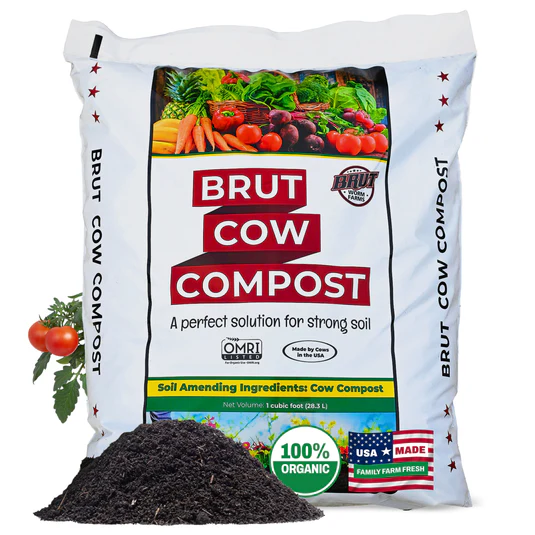
Brut Cow Compost is a nutrient-rich organic soil amendment made from 100% pure, thoroughly composted cow manure. It enriches soil with nitrogen, calcium, and iron, supports beneficial microbial life, and helps plants produce stronger growth. Odor-free and gentle on roots, it can be used for vegetables, flowers, lawns, shrubs, and indoor plants as a top dressing or mixed into garden and potting soil.
The Right Ratio: Raised Beds
Raised beds occupy a middle ground between containers and in-ground beds. A recommended starting mix for a new raised bed is roughly one-third compost, one-third topsoil, and one-third coarse material (bark, coir, perlite, or a mix of these) for drainage and structure. This produces a well-balanced medium that supports productive growing from the first season.
In established raised beds where structure is already in place, annual compost addition at two to four inches per season maintains organic matter and nutrient levels as the growing medium ages. The compost in raised beds breaks down at a similar rate to in-ground beds, so annual replenishment is necessary to maintain performance.
Using Worm Castings in Potting Mixes
Worm castings can be substituted for part of the compost in a potting mix, typically at 10 to 20 percent of total volume. Castings are more concentrated in plant-available nutrients than general compost and are finer in texture. They are particularly effective in seed-starting mixes and as a top-dressing for container plants, where the fine texture and gentle nutrient profile suits tender plants well. Worm castings in large quantities are expensive compared to general compost, so they are used strategically rather than as a bulk amendment.