
What You Can Compost: A Material Guide for Home Composters
Compostability is a material-level property determined by a combination of factors: the material’s carbon-to-nitrogen ratio, its particle size and moisture content, whether it carries pathogen or weed seed risk, and whether it contains synthetic additives, oils, or coatings that resist biological breakdown. Nearly all organic material is technically compostable given enough time and the right conditions, but home composting has practical constraints that make some materials more appropriate than others.
The Decision Framework for Any Material
Before adding an unfamiliar material to a home compost pile, four questions help determine whether and how to add it.
Does it have a reasonable C:N ratio? Very high-carbon materials such as sawdust and wood chips are compostable but must be balanced with nitrogen-rich inputs, or they will lock up nitrogen in the pile and slow decomposition. Very low-carbon materials such as meat and dairy are technically compostable but come with pathogen and odor risks that are not manageable in most home systems.
Is the particle size small enough? Large, woody, or whole pieces of material decompose slowly because the surface area available to microorganisms is limited. Shredding, chopping, or tearing materials before adding them speeds breakdown considerably.
Does it carry pathogen or weed seed risk? Diseased plant material, pet waste, meat, dairy, and cooked foods all carry pathogen risk that requires sustained thermophilic temperatures to eliminate. A cold pile or a pile that does not reliably reach 130°F cannot be relied on to render these inputs safe. A properly managed hot pile can handle a wider range of inputs.
Does it contain synthetic materials, coatings, or additives? Waxed cardboard, bleached paper with fluorescent brighteners, plasticized or laminated packaging, and materials treated with persistent herbicides or pesticides do not belong in a home compost pile. The synthetic components do not biodegrade at composting temperatures and may concentrate in the finished compost.
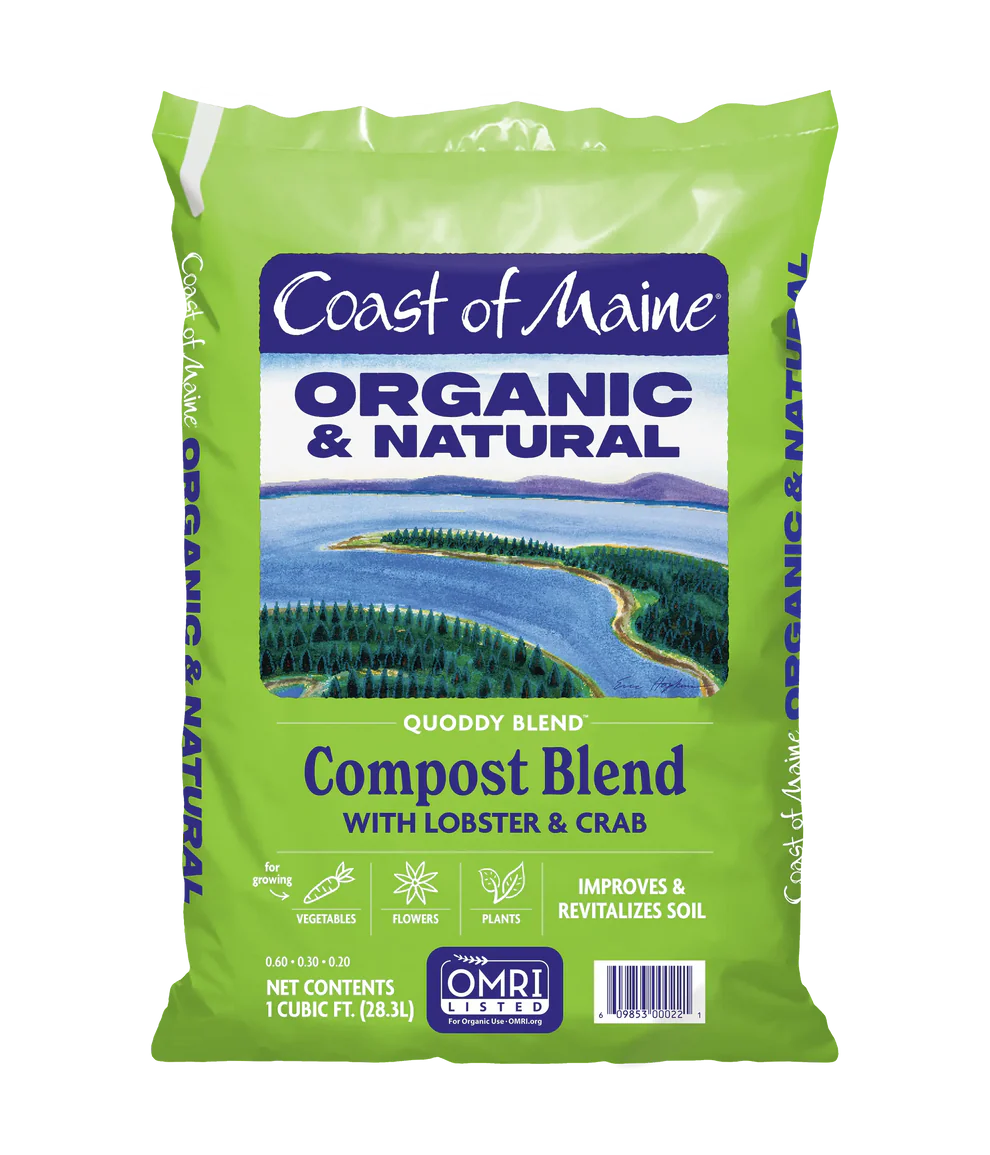
Coast of Maine’s Organic & Natural Quoddy Blend is a premium seafood compost made from lobster and crab shell meal, composted manure, and peat moss to enrich garden soil. It improves soil structure by supporting better drainage, aeration, and water retention for healthier root development. OMRI listed for organic use, it’s a versatile choice for gardens, beds, borders, trees, shrubs, and foliage.
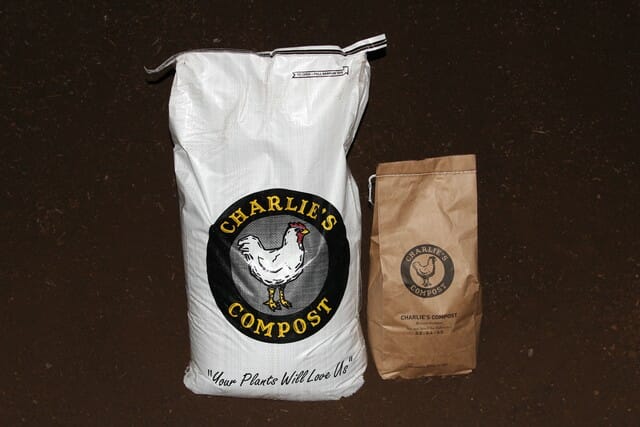
Charlie's Compost is an odor-free organic compost that enriches soil with nutrients and improves soil structure for healthier plant growth. It’s ideal for home gardens, raised beds, containers, and seed starting mixes, and it works as a compost tea ready amendment. The formula supports continuous nutrient release and offers low-odor composting for small-space and indoor-friendly use.
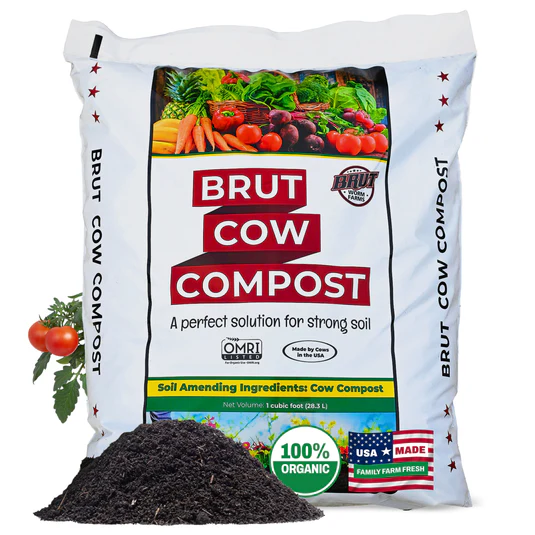
Brut Cow Compost is a nutrient-rich organic soil amendment made from 100% pure, thoroughly composted cow manure. It enriches soil with nitrogen, calcium, and iron, supports beneficial microbial life, and helps plants produce stronger growth. Odor-free and gentle on roots, it can be used for vegetables, flowers, lawns, shrubs, and indoor plants as a top dressing or mixed into garden and potting soil.
What This Hub Covers
This hub contains individual guides for the specific materials that home composters most commonly ask about, from straightforward inputs like banana peels and cardboard to more nuanced cases like dog waste, bones, and wax paper.
- Can You Compost Banana Peels?
- Can You Compost Citrus Peels and Fruit?
- Eggshells in Compost: Benefits and How to Add Them
- Can You Compost Bread?
- Can You Compost Rice, Cooked or Uncooked?
- Can You Compost Paper Towels?
- Is Wax Paper Compostable?
- Are Coffee Filters Compostable?
- Can You Compost Dog Poop?
- Can You Compost Bones?
- Composting Cardboard: How to Do It Right
- Can You Compost Onions?
- Grubs in Compost: Good or Bad?
- What Not to Compost: Materials That Should Never Go in Your Pile
- Coffee Grounds in Compost: How Much Is Too Much?
- Grass Clippings in Compost: Green Material Management
- Composting Leaves: How to Use Fall Leaves as Browns
- Wood Ash in Compost: Benefits, Risks, and Application Rate
The process context that explains why some materials are problematic, including how pile temperature and C:N balance affect what inputs are safe to add, is covered in the how to compost hub. For a complete overview of materials that should never go in a home pile, the what not to add guide provides a definitive list with explanations.
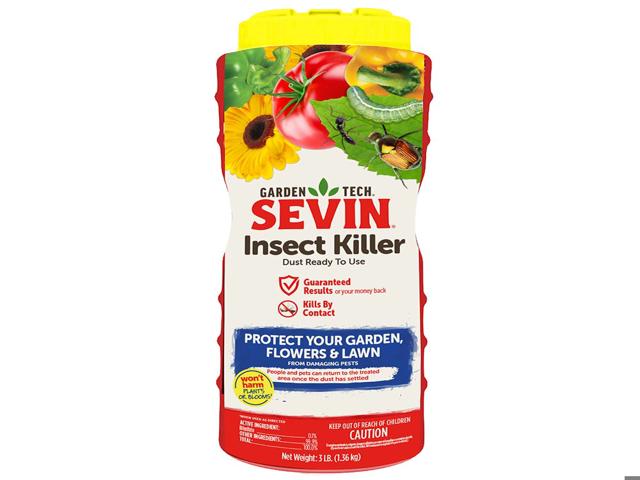
Sevin Insect Killer Dust helps protect flowers and lawn from listed damaging pests with a ready-to-use, shake-and-apply formula. It kills more than 150 insects by contact and creates a protective barrier when applied to leaves, stems, and flowers at the label rate. It won’t harm plants or blooms, and people and pets may return once the dust has settled.
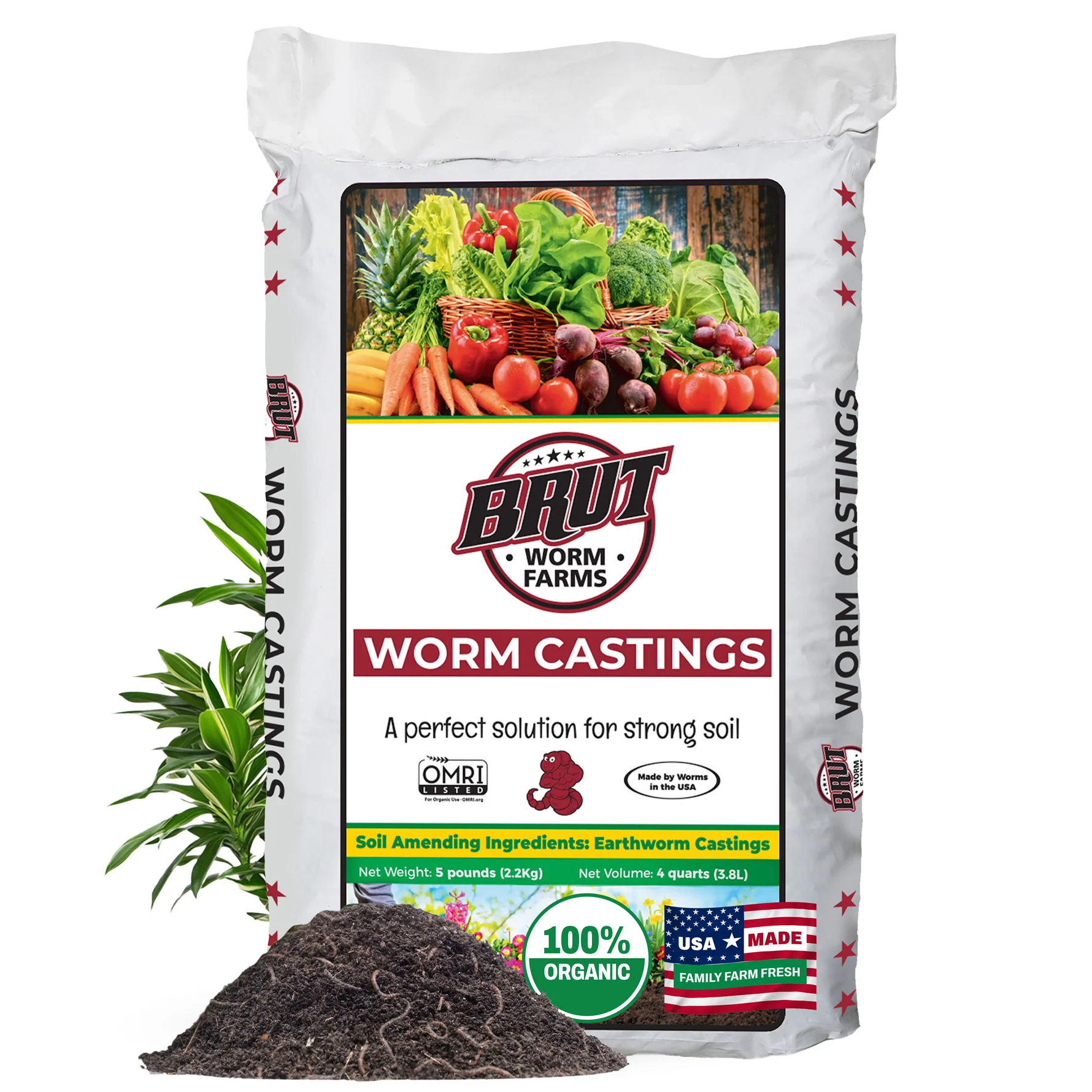
Brut organic worm castings provide mineral-rich, certified organic nutrition to supercharge indoor and outdoor plants. Raised indoors in containers for purity, these castings support lush greenery, vibrant blooms, and bountiful harvests. OMRI and CDFA listed formula helps deliver nature’s nutrients directly to plant roots for healthy growth from root to leaf.