
Can You Compost Banana Peels?
Banana peels are one of the best kitchen scraps you can add to a compost pile. They are nitrogen-rich, break down quickly in an active pile, and contribute potassium and phosphorus to the finished compost alongside other nutrients that support plant health. There is no reason to avoid composting banana peels, and no special preparation is required.
What Banana Peels Contribute to the Pile
Banana peels classify as a green material (nitrogen-rich) with a C:N ratio of approximately 10:1 to 35:1 depending on ripeness. They are high in potassium, which is valuable in finished compost for supporting root development and disease resistance in plants. They also contain manganese, calcium, and sodium in meaningful amounts.
The high moisture content and relatively soft tissue of banana peels means they break down faster than most kitchen scraps. In an active hot pile, visible breakdown occurs within a week or two. In a cold pile, they may take several months to become unrecognizable.
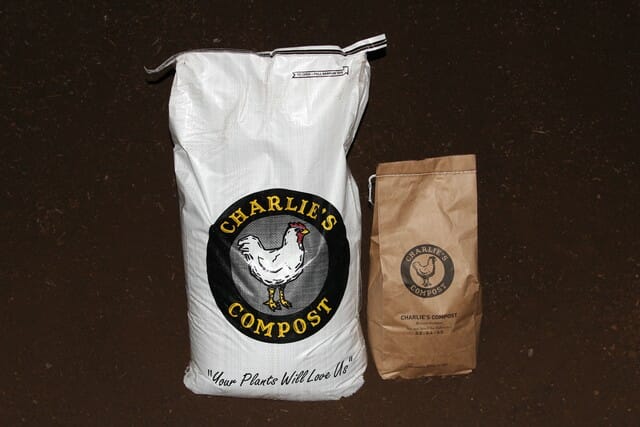
Charlie's Compost is an odor-free organic compost that enriches soil with nutrients and improves soil structure for healthier plant growth. It’s ideal for home gardens, raised beds, containers, and seed starting mixes, and it works as a compost tea ready amendment. The formula supports continuous nutrient release and offers low-odor composting for small-space and indoor-friendly use.
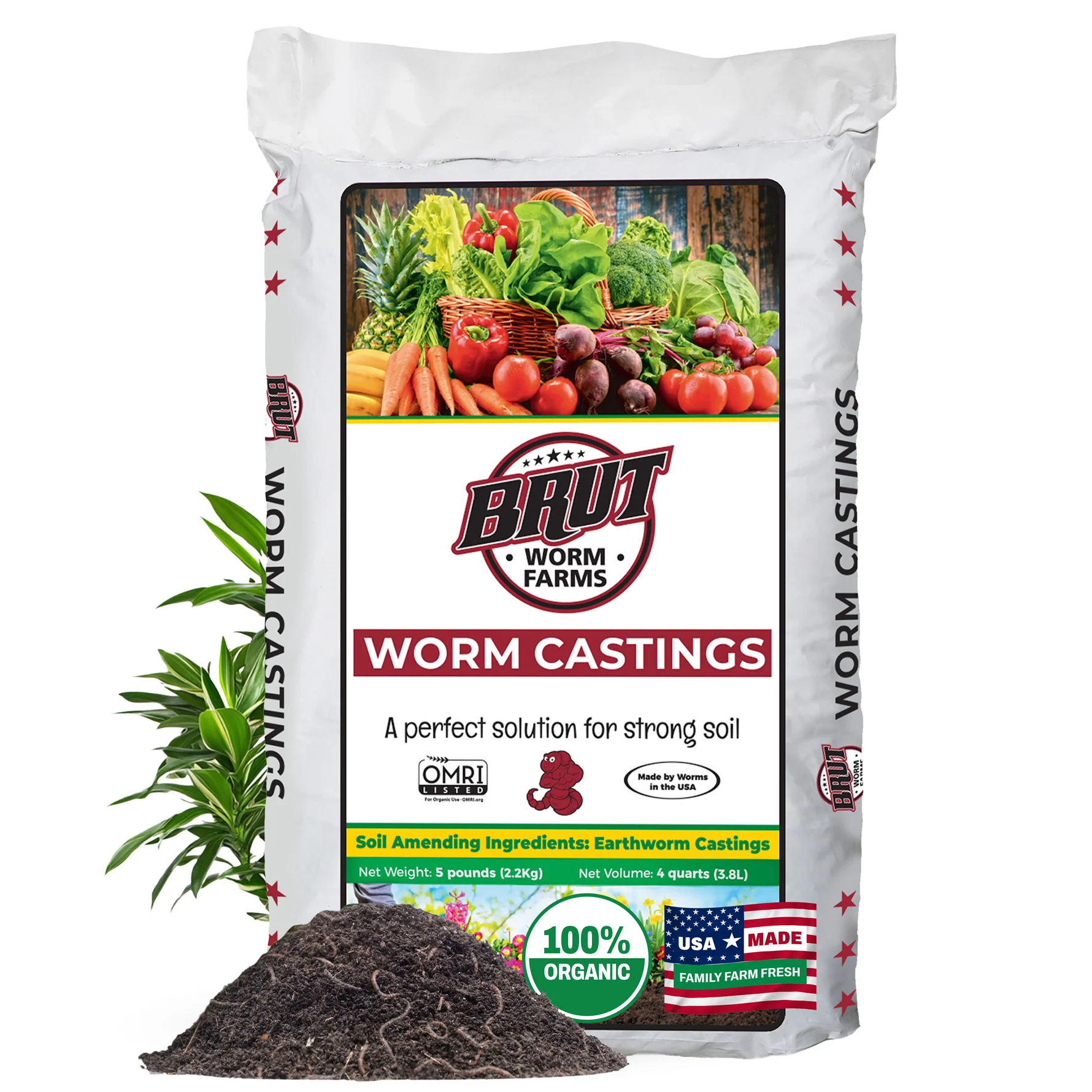
Brut organic worm castings provide mineral-rich, certified organic nutrition to supercharge indoor and outdoor plants. Raised indoors in containers for purity, these castings support lush greenery, vibrant blooms, and bountiful harvests. OMRI and CDFA listed formula helps deliver nature’s nutrients directly to plant roots for healthy growth from root to leaf.
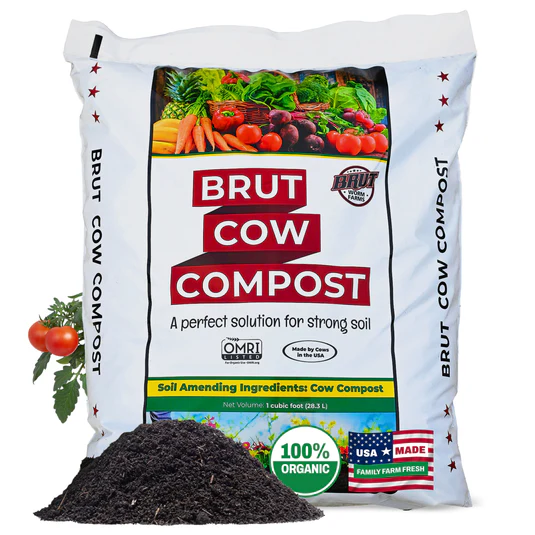
Brut Cow Compost is a nutrient-rich organic soil amendment made from 100% pure, thoroughly composted cow manure. It enriches soil with nitrogen, calcium, and iron, supports beneficial microbial life, and helps plants produce stronger growth. Odor-free and gentle on roots, it can be used for vegetables, flowers, lawns, shrubs, and indoor plants as a top dressing or mixed into garden and potting soil.
How to Add Banana Peels to Your Pile
Whole banana peels can be added directly to the pile, but cutting or tearing them into smaller pieces accelerates breakdown by increasing the surface area available to microorganisms. Burying peels in the pile rather than leaving them on the surface reduces fruit fly activity, which is attracted to exposed fresh material.
If fruit flies are an issue, covering each addition of kitchen scraps including banana peels with a layer of brown material (dry leaves, shredded cardboard) eliminates the attraction. The peels break down underneath and the problem resolves within a day or two.
The Pesticide Question
Banana peels are sometimes cited as a composting concern because of the pesticide residues present on conventionally grown banana skins. Bananas are among the more heavily treated commodity crops. However, composting research indicates that most common pesticide compounds are broken down during the thermophilic phase of hot composting, and at typical home composting volumes the concentration in finished compost is not a significant concern. If this is a priority for you, using organic bananas removes the variable entirely.
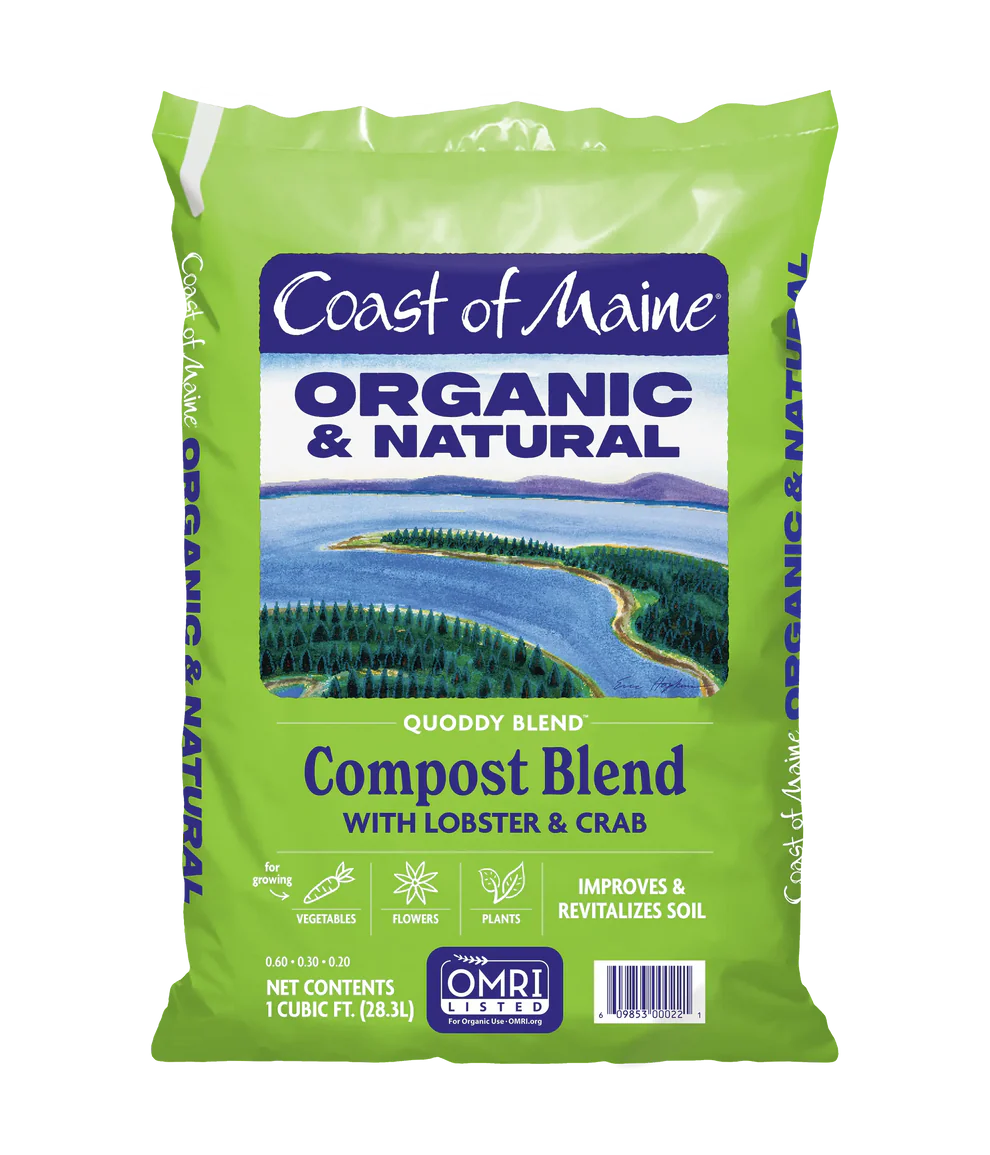
Coast of Maine’s Organic & Natural Quoddy Blend is a premium seafood compost made from lobster and crab shell meal, composted manure, and peat moss to enrich garden soil. It improves soil structure by supporting better drainage, aeration, and water retention for healthier root development. OMRI listed for organic use, it’s a versatile choice for gardens, beds, borders, trees, shrubs, and foliage.
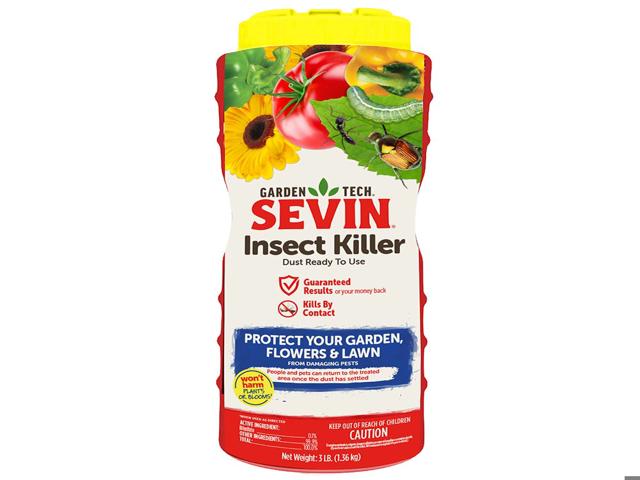
Sevin Insect Killer Dust helps protect flowers and lawn from listed damaging pests with a ready-to-use, shake-and-apply formula. It kills more than 150 insects by contact and creates a protective barrier when applied to leaves, stems, and flowers at the label rate. It won’t harm plants or blooms, and people and pets may return once the dust has settled.
Quantity and Balance
Banana peels are nitrogen-rich, so adding large quantities at once without corresponding brown material will push the C:N ratio toward nitrogen excess. In a typical household composting a banana or two a day, this is not a problem in a balanced pile. In a household adding very large quantities, ensure browns are layered in proportion.