
Can You Compost Citrus Peels and Fruit?
Citrus peels and fruit can be composted without problems in a standard home compost pile. The long-standing advice to avoid citrus in compost is largely based on two concerns, namely that citrus kills earthworms and that it harms beneficial microorganisms, and neither holds up well against what actually happens in a composting pile.
The Earthworm Concern
The concern about citrus harming earthworms stems from the compound d-limonene, a natural insecticide found in citrus peel oil. Earthworms are sensitive to high concentrations of d-limonene, and in laboratory conditions direct contact with concentrated citrus extract does deter or harm them.
In a functioning compost pile, however, this does not play out as a meaningful problem. Citrus peels represent a small fraction of the total pile volume in any typical household, the d-limonene dissipates quickly as the peel breaks down, and earthworms simply avoid areas they find inhospitable while the compound is present and return once it has degraded. In a hot pile where earthworms concentrate in the cooler margins anyway, this is a non-issue.
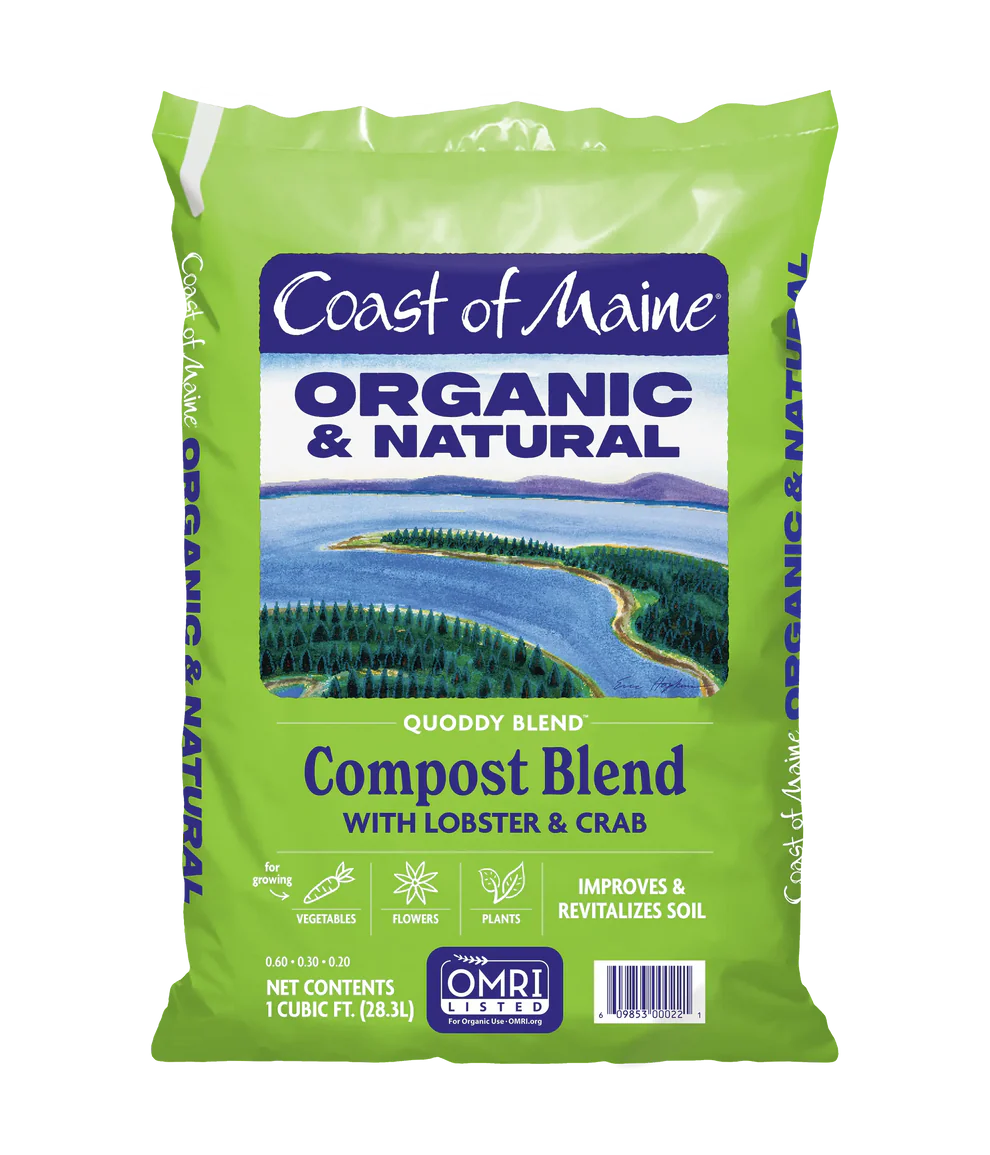
Coast of Maine’s Organic & Natural Quoddy Blend is a premium seafood compost made from lobster and crab shell meal, composted manure, and peat moss to enrich garden soil. It improves soil structure by supporting better drainage, aeration, and water retention for healthier root development. OMRI listed for organic use, it’s a versatile choice for gardens, beds, borders, trees, shrubs, and foliage.
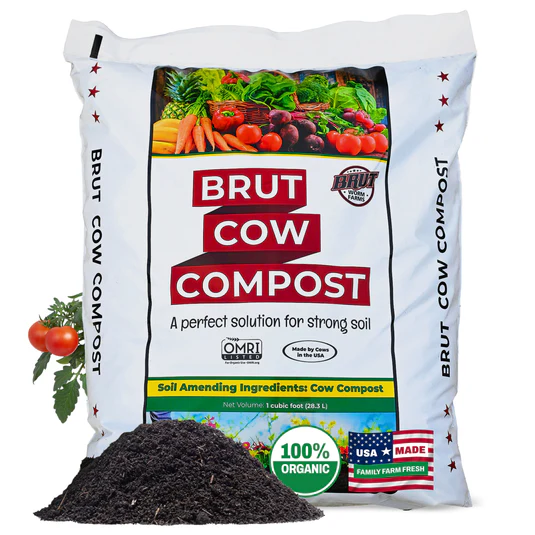
Brut Cow Compost is a nutrient-rich organic soil amendment made from 100% pure, thoroughly composted cow manure. It enriches soil with nitrogen, calcium, and iron, supports beneficial microbial life, and helps plants produce stronger growth. Odor-free and gentle on roots, it can be used for vegetables, flowers, lawns, shrubs, and indoor plants as a top dressing or mixed into garden and potting soil.
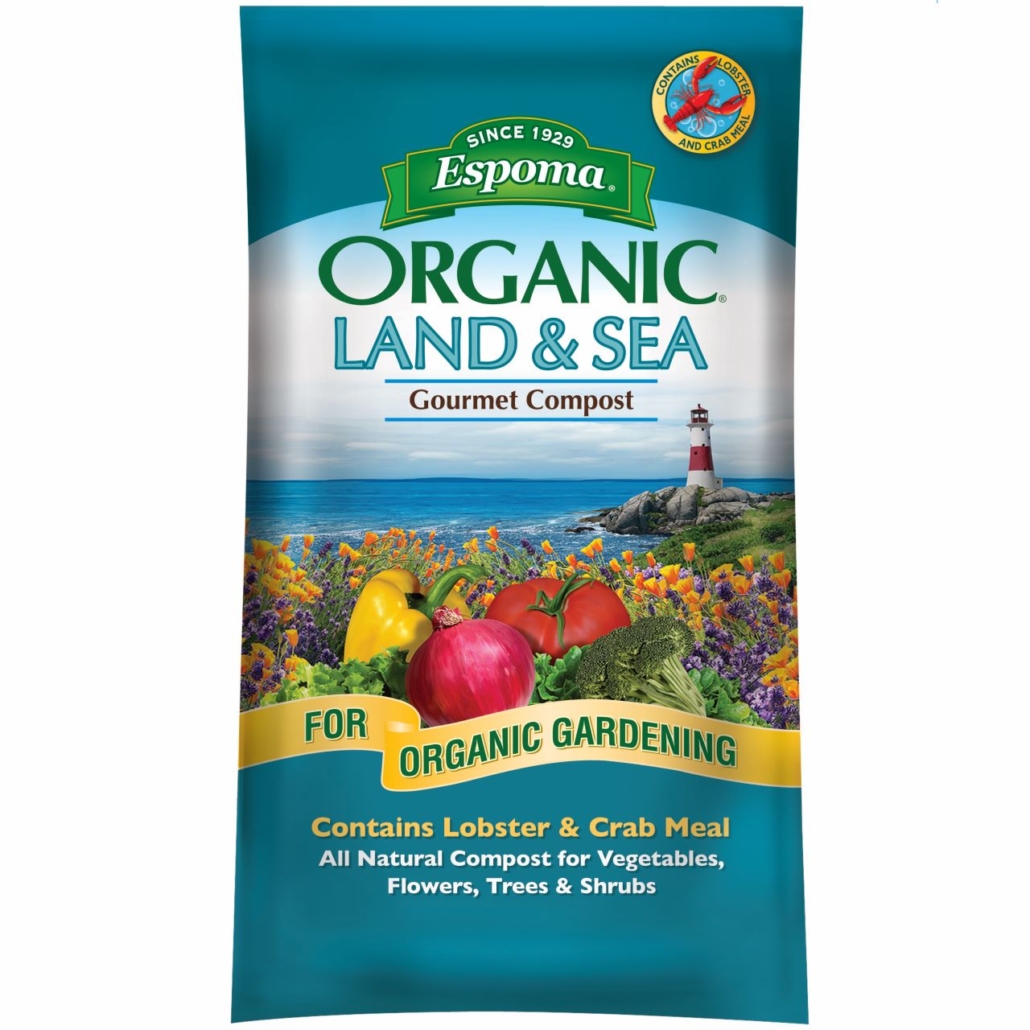
Espoma Organic Land and Sea Gourmet Compost is a rich organic planting mix designed to improve native soil and revitalize container gardens. Enriched with both lobster and crab meal, it supports healthy growth for vegetables, flowers, trees, and shrubs. The blend also includes myco-tone endo and ecto mycorrhizae and contains no synthetic plant foods or chemicals.
The Microorganism Concern
The idea that citrus is too acidic for composting microorganisms is similarly overstated. Citrus peels are acidic fresh, with a pH of around 2 to 3, but this acidity is quickly buffered by the rest of the pile material. A compost pile contains a large volume of buffering capacity relative to the amount of citrus a typical household produces. The pH effect on a functioning pile is negligible.
How Citrus Breaks Down
Citrus peel is dense and waxy compared to most kitchen scraps, which means it breaks down more slowly than softer materials in a cold pile. In an active hot pile with regular turning, citrus peel breaks down within a few weeks. To speed breakdown regardless of method, cut or chop peels into smaller pieces before adding them. Whole orange halves left in a passive pile can take several months to become unrecognizable.
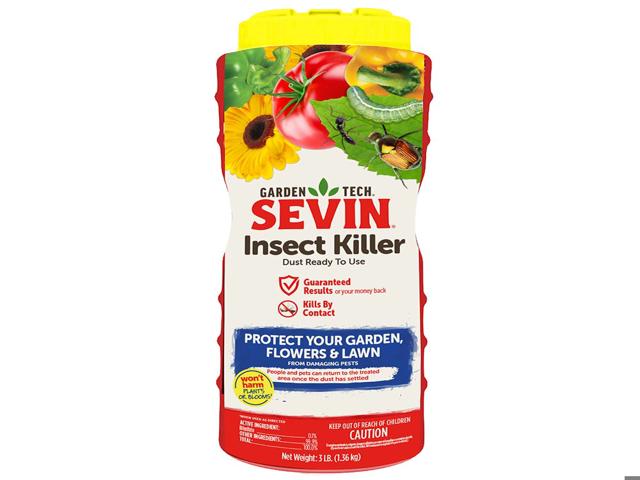
Sevin Insect Killer Dust helps protect flowers and lawn from listed damaging pests with a ready-to-use, shake-and-apply formula. It kills more than 150 insects by contact and creates a protective barrier when applied to leaves, stems, and flowers at the label rate. It won’t harm plants or blooms, and people and pets may return once the dust has settled.
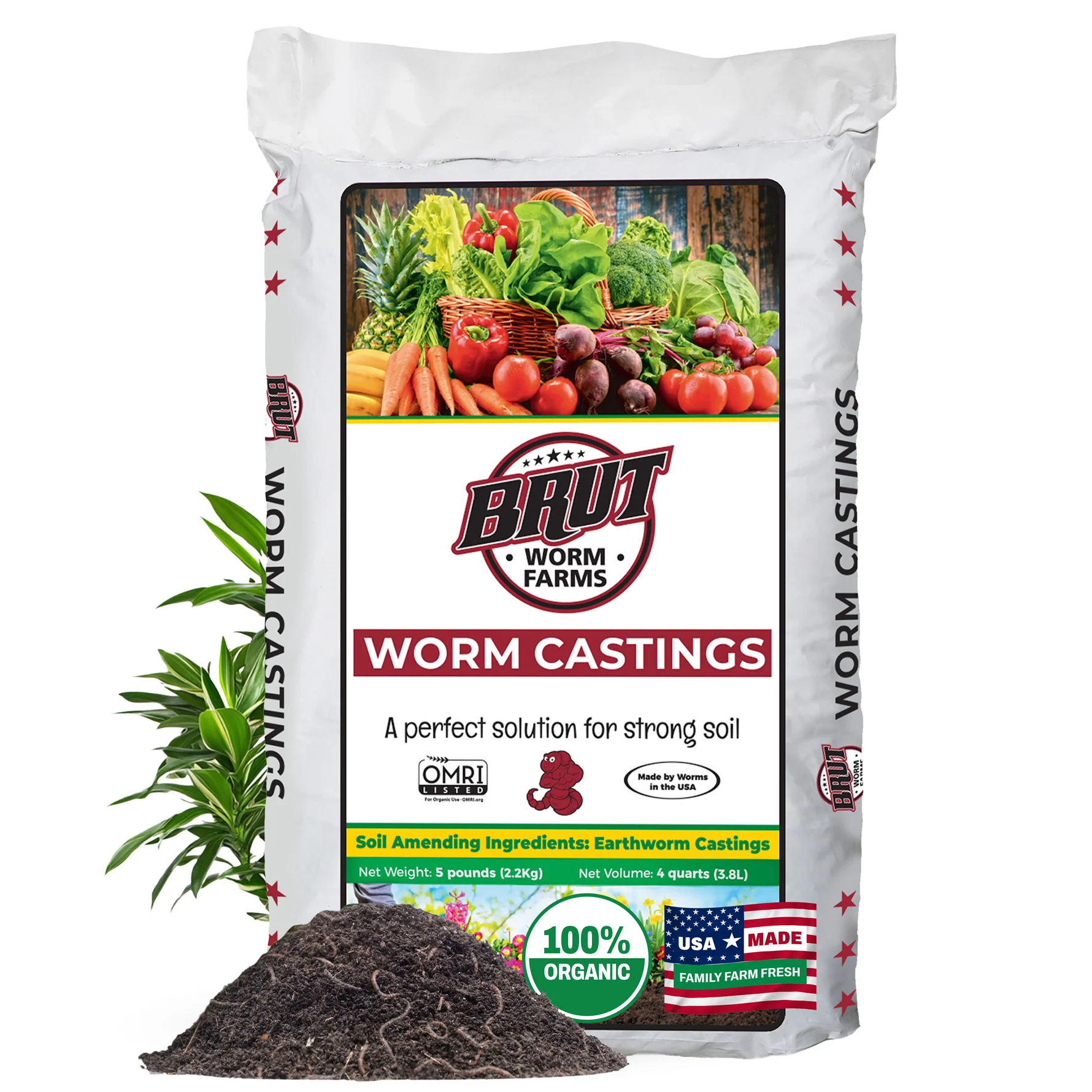
Brut organic worm castings provide mineral-rich, certified organic nutrition to supercharge indoor and outdoor plants. Raised indoors in containers for purity, these castings support lush greenery, vibrant blooms, and bountiful harvests. OMRI and CDFA listed formula helps deliver nature’s nutrients directly to plant roots for healthy growth from root to leaf.
In a Worm Bin
The earthworm concern is more relevant in a worm bin than in an open compost pile, because the worm bin contains a concentrated worm population in a confined space with nowhere to retreat. Adding large quantities of citrus at once in a worm bin can stress the worm population. Add citrus to a worm bin in small amounts, chopped finely, and mixed into the bedding rather than placed on the surface.