
Grass Clippings in Compost: Green Material Management
Grass clippings are one of the most nitrogen-rich materials available to home composters, with a C:N ratio of approximately 15:1 to 25:1 depending on the species and growth stage. Added correctly, they can rapidly heat up a cool pile and provide the nitrogen boost needed to decompose large quantities of brown material. Added incorrectly, typically as a thick layer dumped in bulk, they create dense, impermeable mats that go anaerobic, smell strongly of ammonia, and resist decomposition until they are broken up.
Why Grass Clippings Mat
Fresh grass clippings are fine, wet, and sticky. When added in thick layers, the individual blades press together and exclude oxygen. The mat surface dries to a crust while the interior stays wet and anaerobic. Ammonia is produced as nitrogen volatilizes from the waterlogged material, and the pile in that zone effectively stops decomposing in any useful way. This is the most common grass clipping mistake, and it can turn a productive pile into a problem within a single day.
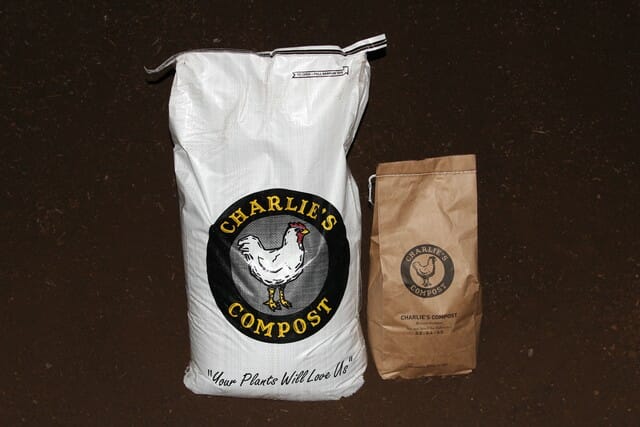
Charlie's Compost is an odor-free organic compost that enriches soil with nutrients and improves soil structure for healthier plant growth. It’s ideal for home gardens, raised beds, containers, and seed starting mixes, and it works as a compost tea ready amendment. The formula supports continuous nutrient release and offers low-odor composting for small-space and indoor-friendly use.
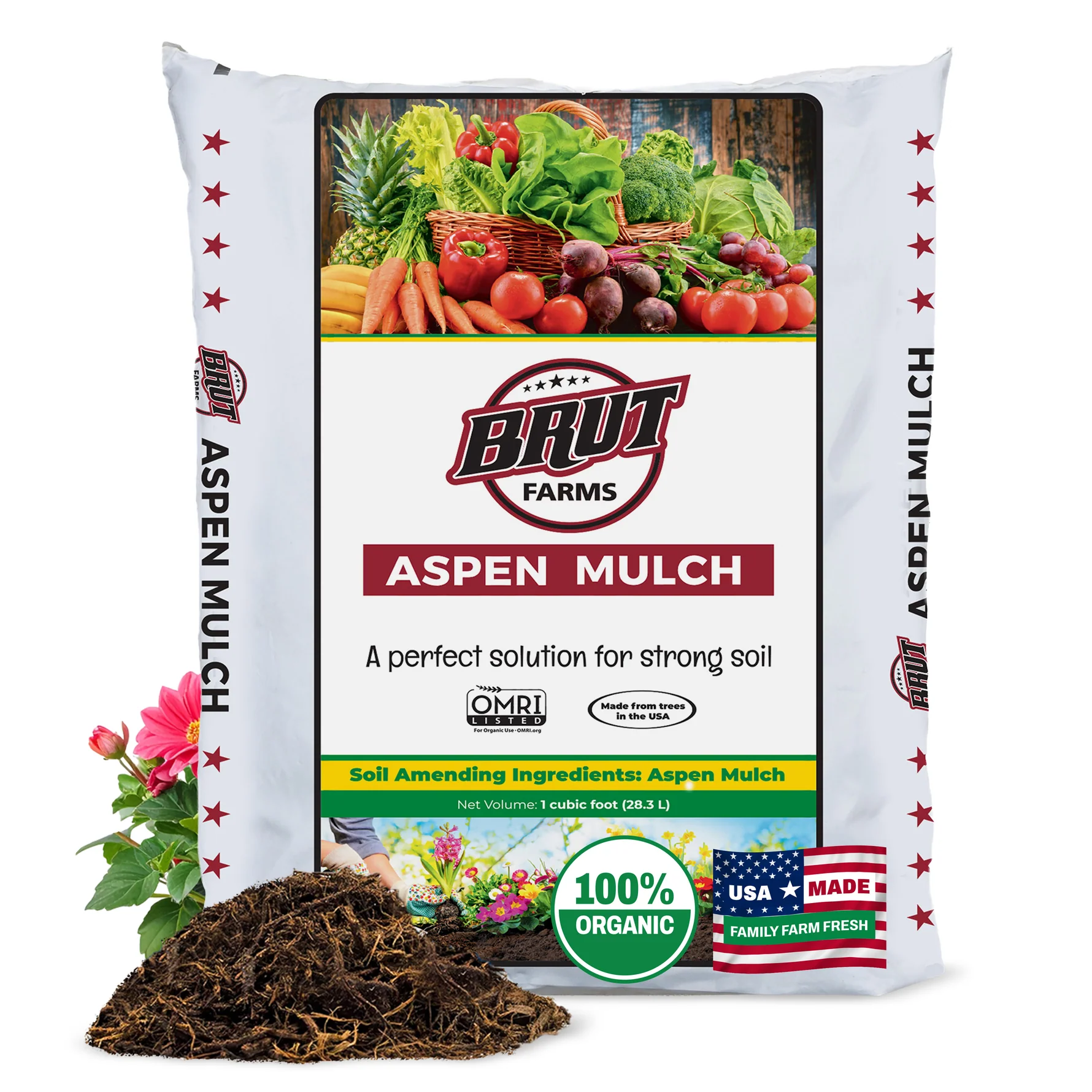
Brut Organic Aspen Mulch creates a clean, polished garden surface while helping minimize weeds naturally. Its high-carbon, odor-free aspen bark supports beneficial soil microbes and improves soil structure for healthier plants. The mulch naturally retains moisture, promoting water-efficient root hydration for garden beds, potted plants, and outdoor planters. OMRI-listed for certified organic gardening.
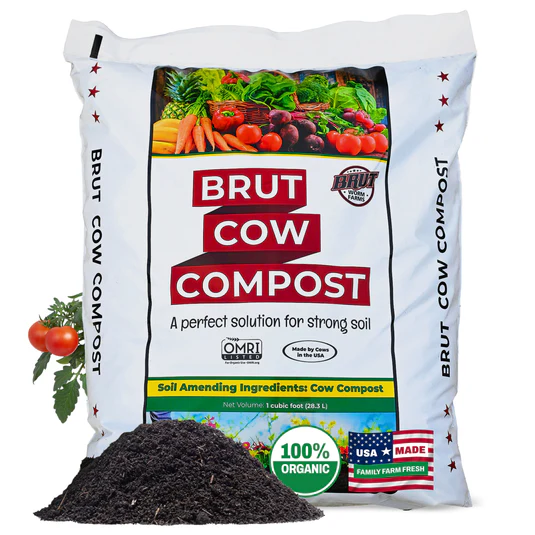
Brut Cow Compost is a nutrient-rich organic soil amendment made from 100% pure, thoroughly composted cow manure. It enriches soil with nitrogen, calcium, and iron, supports beneficial microbial life, and helps plants produce stronger growth. Odor-free and gentle on roots, it can be used for vegetables, flowers, lawns, shrubs, and indoor plants as a top dressing or mixed into garden and potting soil.
The Correct Way to Add Grass Clippings
Add clippings in layers no thicker than one to two inches. Each layer of clippings should be followed by a layer of brown material of similar depth (dry leaves, shredded cardboard, straw) before adding more clippings. This alternating structure maintains airflow, prevents matting, and produces the carbon-to-nitrogen balance needed for rapid, aerobic decomposition.
Mixing clippings into the pile rather than layering them is even more effective: turning clippings directly into existing pile material prevents any layer from forming at all. If you have a large quantity of clippings from a single mowing session, add them gradually over several days rather than all at once, storing the excess in a covered container in the meantime.
Clippings from Treated Lawns
Grass clippings from a lawn treated with herbicides within the previous two to three mowing cycles should be excluded from the compost pile. Most systemic herbicides break down quickly in the environment, but some, particularly broadleaf herbicides containing aminopyralid or clopyralid, persist through composting and can damage plants grown in the finished compost. Check the product label for composting restrictions and follow the recommended re-entry interval for clipping use.
The volume of clippings a typical lawn generates per mow, and how mowing frequency and grass type affect clipping yield and moisture content, is covered alongside lawn maintenance practice in the lawn mowing guide.
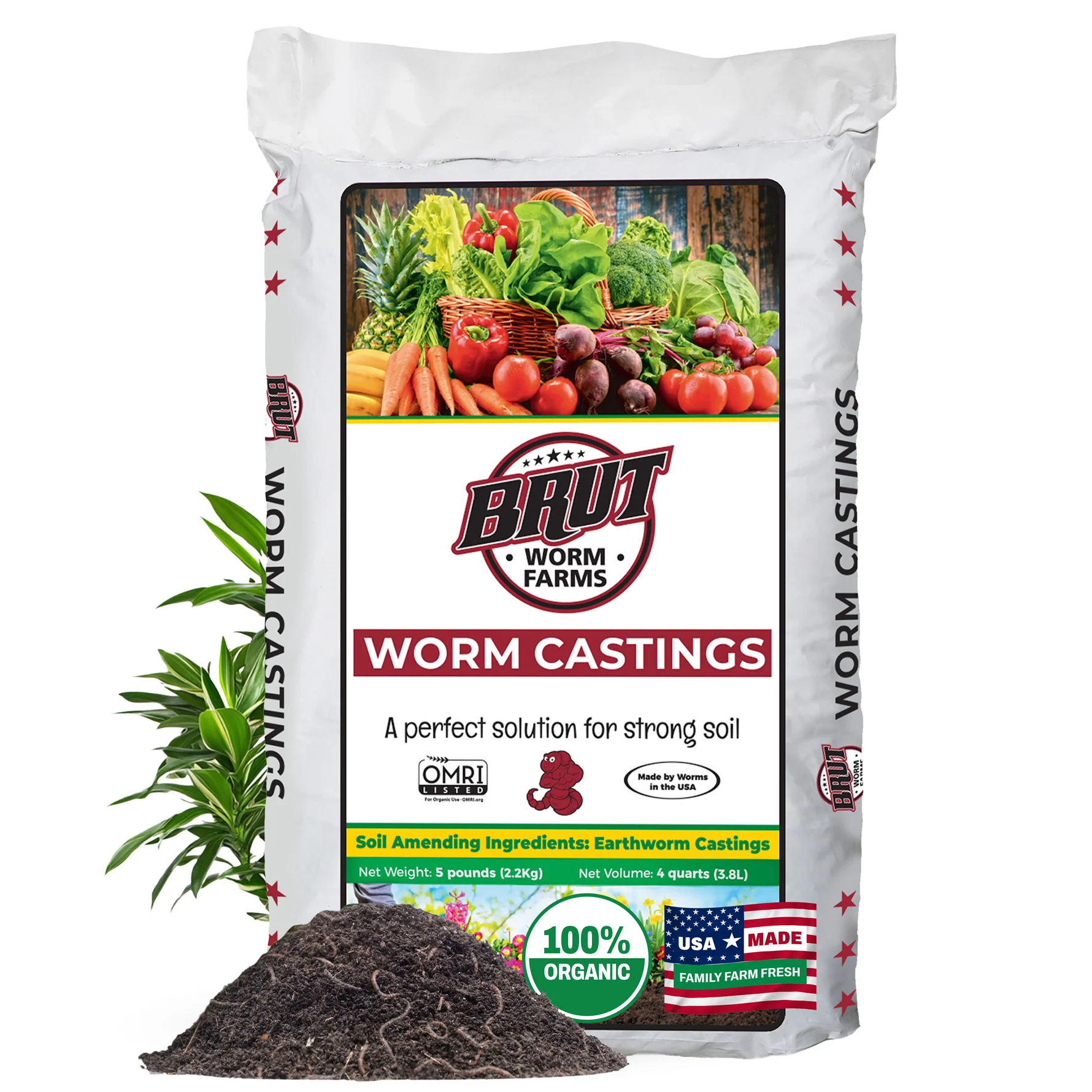
Brut organic worm castings provide mineral-rich, certified organic nutrition to supercharge indoor and outdoor plants. Raised indoors in containers for purity, these castings support lush greenery, vibrant blooms, and bountiful harvests. OMRI and CDFA listed formula helps deliver nature’s nutrients directly to plant roots for healthy growth from root to leaf.
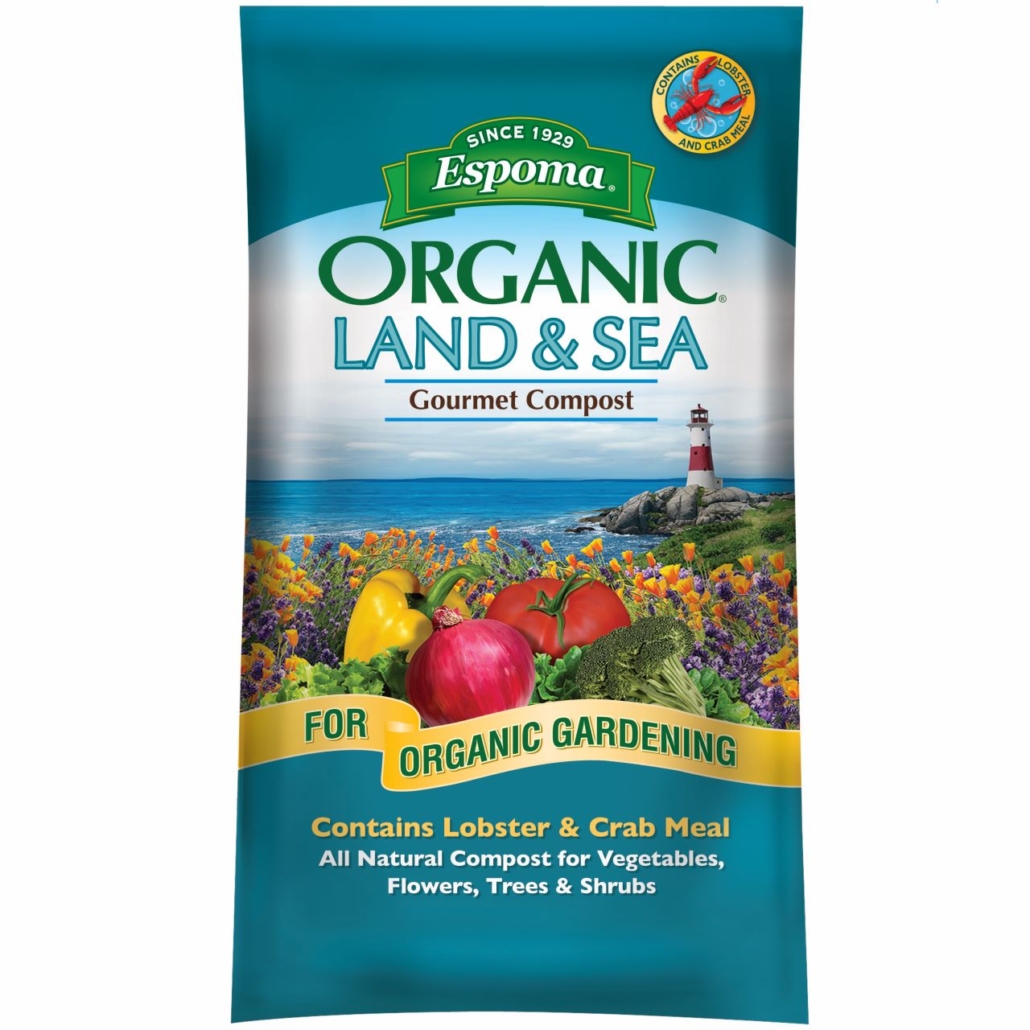
Espoma Organic Land and Sea Gourmet Compost is a rich organic planting mix designed to improve native soil and revitalize container gardens. Enriched with both lobster and crab meal, it supports healthy growth for vegetables, flowers, trees, and shrubs. The blend also includes myco-tone endo and ecto mycorrhizae and contains no synthetic plant foods or chemicals.
Alternatives to Composting Clippings
Grass clippings left on the lawn after mowing (mulch mowing) return nitrogen and organic matter directly to the soil without any composting required. This is the simplest approach for managing clipping volume and does not affect lawn appearance if clippings are short enough. For longer clippings that would smother the turf, composting or removal is more appropriate.