
Wood Ash in Compost: Benefits, Risks, and Application Rate
Wood ash from a fireplace, wood stove, or fire pit can be added to a compost pile in small quantities as a mineral amendment. It contributes calcium, potassium, and magnesium, and it raises pH, which can be useful in an acidic pile. The key constraint is quantity: wood ash is highly alkaline and must be used sparingly or it disrupts pile chemistry and harms the microbial community.
What Wood Ash Contributes
Wood ash is composed primarily of calcium carbonate (lime), calcium oxide, potassium carbonate, and magnesium carbonate, along with trace minerals. The potassium content is the most agronomically valuable component for most gardens: potassium supports root development, disease resistance, and fruit quality in many crops.
The calcium content is also useful in acid soils as a liming agent, gradually raising pH toward neutral. Applied directly to garden soil or incorporated through compost, wood ash can correct excessive soil acidity over time.
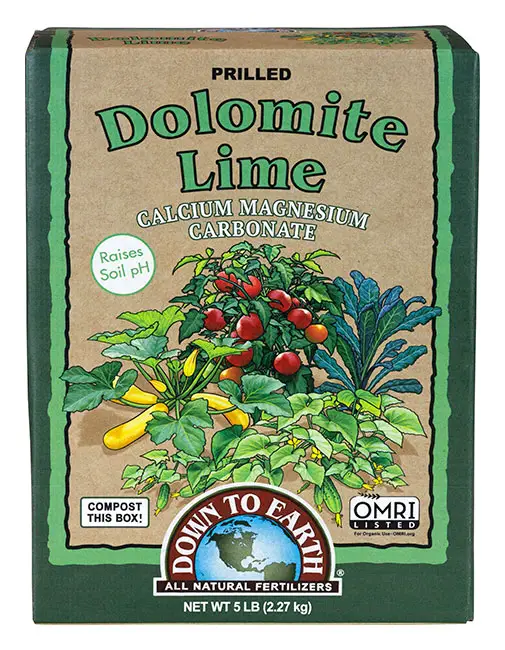
Down To Earth Organic Prilled Dolomite Lime helps raise acidic soil pH for better nutrient uptake and healthier vegetable gardens. Its rich calcium and magnesium support...
The pH Risk
Wood ash is strongly alkaline, with a pH in the range of 9 to 11 depending on the wood species. Compost microorganisms work most effectively in a pH range of 6 to 8. Adding significant amounts of wood ash to a pile raises the pH above this range, inhibiting microbial activity and slowing decomposition. At very high concentrations, ash kills the composting microorganism community.
Wood ash also causes nitrogen loss: in alkaline conditions, ammonium nitrogen is converted to ammonia gas and lost from the pile. This is the opposite of what you want if you are trying to maximize the nitrogen content of your finished compost.
How Much to Add
Limit wood ash to no more than a light dusting over the surface of the pile at each addition: roughly one to two pounds per square yard of pile surface area, and no more than five percent of total pile volume over the composting cycle. Sprinkle ash in thin layers rather than adding in concentrated amounts. Mix it in lightly when you turn the pile rather than leaving it as a concentrated surface layer.
What Not to Add
Coal ash and charcoal ash from gas-assisted grills are not safe for composting. Coal ash contains heavy metals and sulfur at levels that are toxic to plants and soil organisms. Standard charcoal briquettes contain binders and additives that should not enter a garden system. Only ash from burning untreated, natural wood is appropriate for home compost.
The Practical Recommendation
For households that use a wood stove or fireplace regularly, wood ash can be a useful trace amendment when used conservatively. For households that rarely generate wood ash, it is not worth seeking out as a compost input: the same pH correction and mineral contribution can be achieved more precisely by adding agricultural lime or crushed eggshells. When in doubt, apply wood ash directly to the garden in very small quantities rather than routing it through the compost pile.